
Wooden Dresser Cabinet
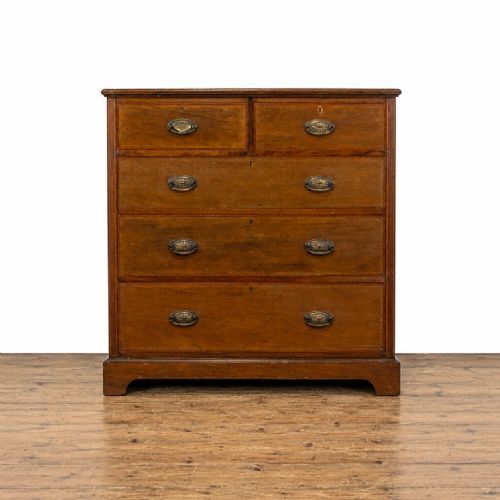
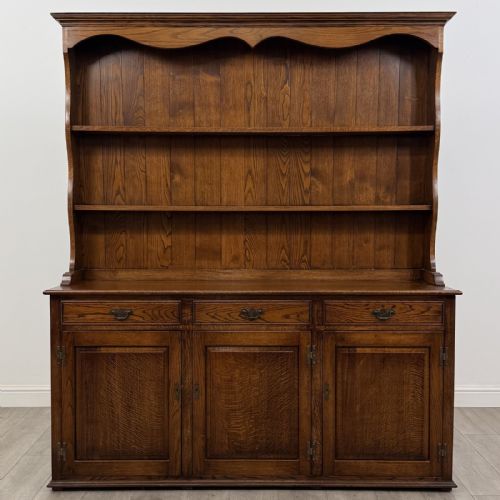
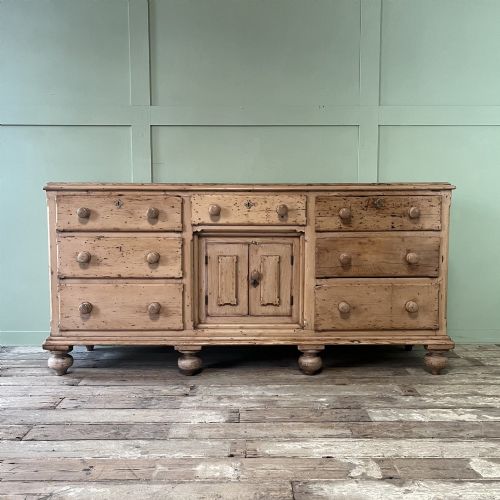
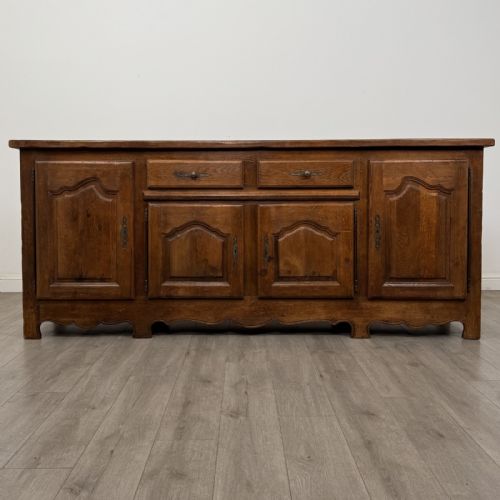
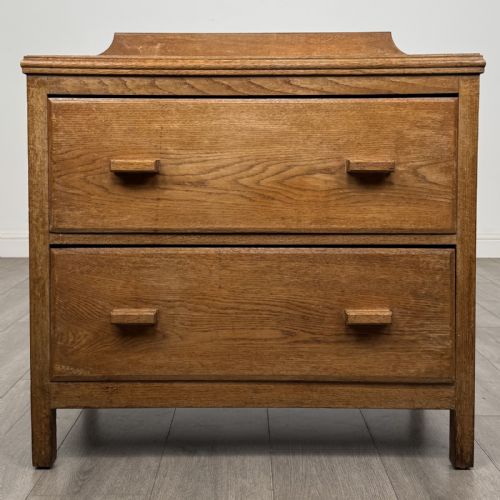
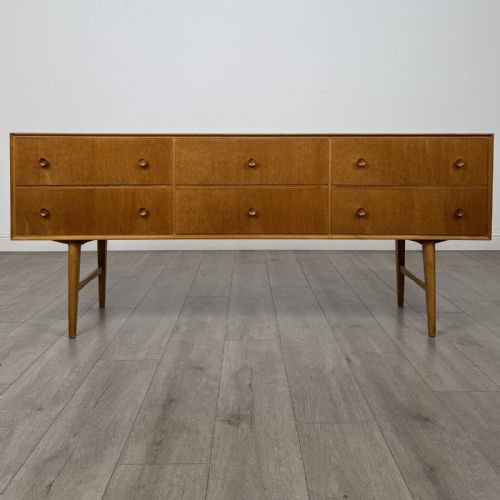
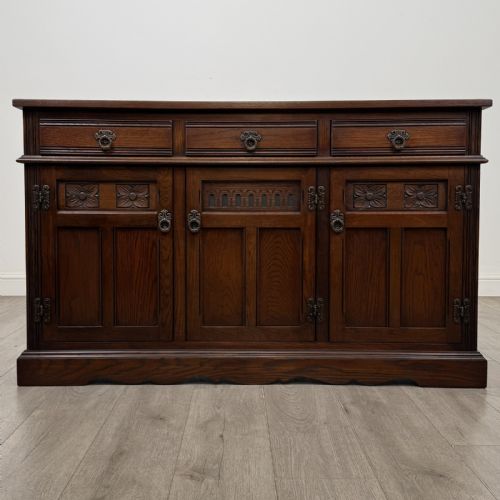
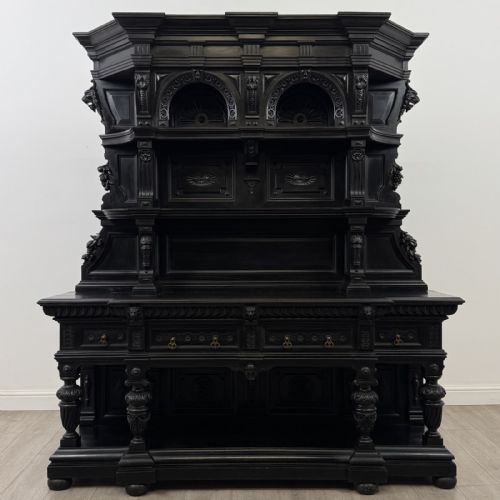
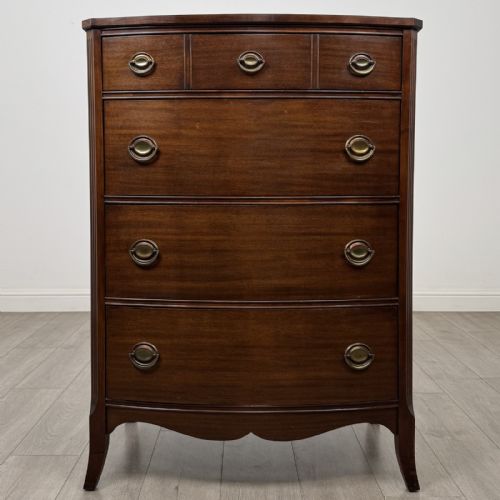
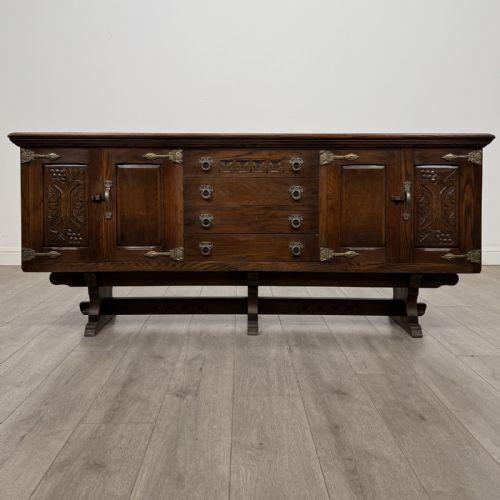
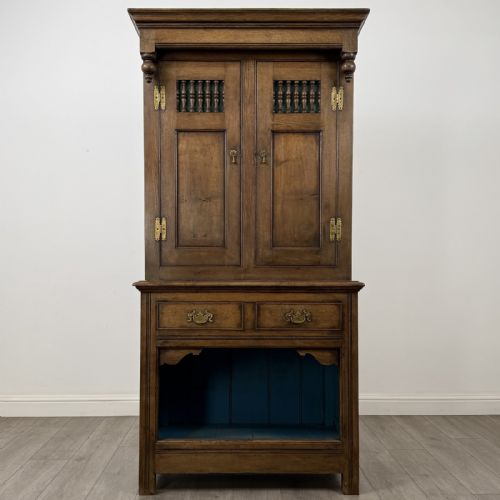
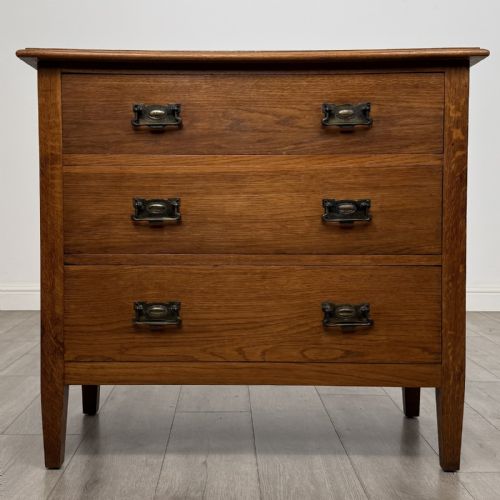
A wooden dresser cabinet brings substantial storage and centuries of craft to an interior, spanning kitchen dressers, sideboards and tall chests of drawers.
Wooden Dresser Cabinet
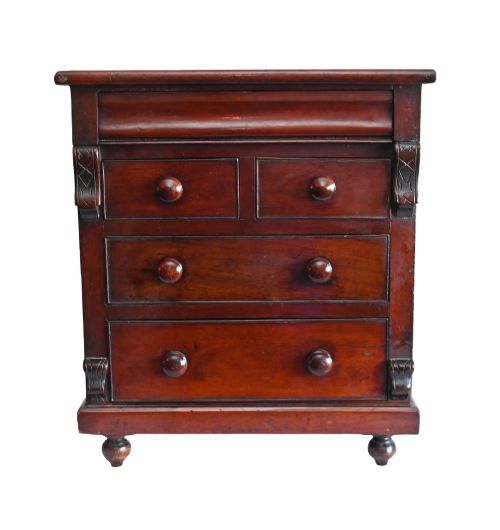
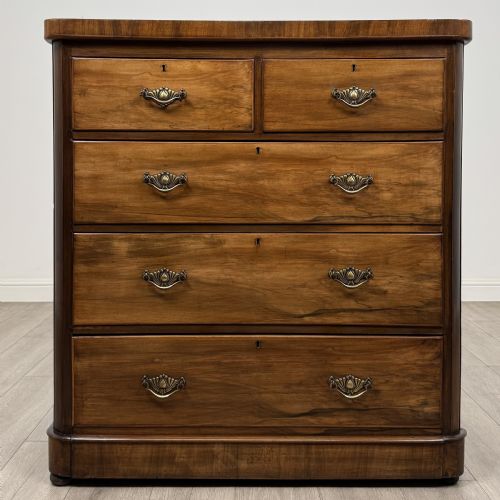
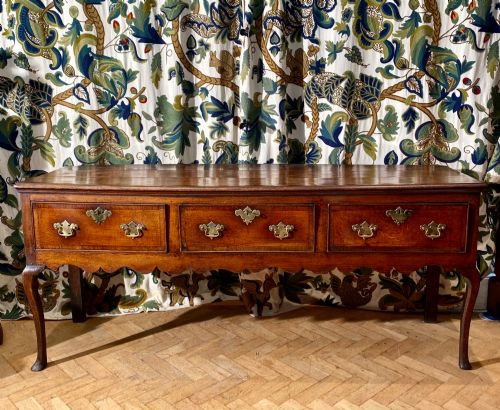
When searching for a wooden dresser cabinet, buyers encounter a diverse selection of storage furniture including Georgian breakfronts, Victorian sideboards, and Edwardian cupboards. These pieces fulfil multiple storage roles across domestic spaces, combining drawer storage with surface display or enclosed shelving.
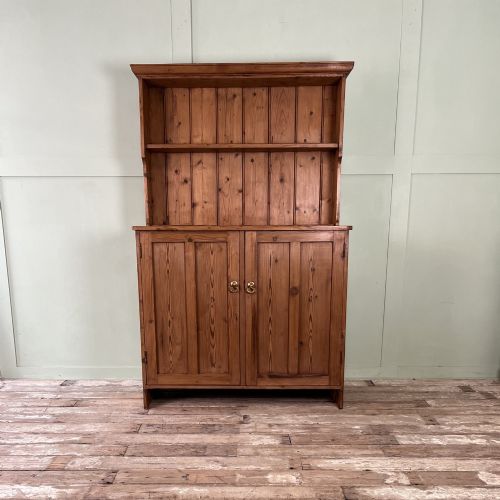
The objects listed under this term range from Welsh pine kitchen dressers to mahogany chests of drawers and French housekeeper cupboards. Oak and mahogany predominate among these listings, alongside painted finishes from the eighteenth and nineteenth centuries.
Origins span English, Scottish, Irish and Continental workshops, yielding distinct regional proportions and decorative treatments. Buyers most frequently meet nineteenth-century examples and Edwardian oak pieces on this page.
Materials and construction methods
Makers utilised timber varieties such as oak, mahogany, walnut, pine and cherry wood, shaping them into solid boards and applying veneers for figured surfaces. Structural integrity relied on traditional joinery methods suited to the weight of large wardrobes, sideboards and dressers.
Brass hardware, iron fittings and glass panels appear frequently on doors and drawer fronts, while painted or waxed treatments protect the timber bodies. Carved enrichment, linenfold panels and serpentine shaping demonstrate the decorative techniques applied by period craftsmen.
Listings span periods from the eighteenth century to the 1930s, featuring oak, mahogany, walnut, pine, cherry and painted finishes.
Factors separating quality ranges
The distinction between standard utility furniture and superior examples rests in timber selection and the refinement of surface detail. Figured walnut, rich mahogany and well-figured oak indicate higher ambition in a piece, as do serpentine drawer fronts and intricate carved motifs.
Proportion and execution define the upper tiers, where timber movement is successfully accommodated by the maker and original hardware remains intact. Patina resulting from decades of domestic use adds depth to the surface, separating untouched examples from heavily restored ones.
The Wooden Dresser Cabinet Glossary
- Breakfront
- A piece of furniture where the central section projects forward from the flanking outer sections. This architectural arrangement creates depth and visual interest on large sideboards and dressers.
- Housekeeper cupboard
- A large storage cabinet traditionally used for linen, dry goods or china in domestic service quarters. These tall two-part pieces typically combine enclosed shelving with lower drawers.
- Serpentine
- A front contour characterised by a convex central section flanked by concave curves. Georgian cabinet makers applied this sweeping line to drawer fronts.
- Linenfold
- A style of wood carving resembling folded parchment or linen fabric. This decorative motif appears on panels of Edwardian oak cupboards and chests.
- Welsh dresser
- A traditional kitchen storage unit featuring open plate racks above a base of drawers and cupboards. Pine and oak serve as the primary timbers for these regional pieces.
Wooden Dresser Cabinet: Frequently Asked Questions
Where should I place a wooden dresser cabinet?
These large storage pieces suit dining rooms, kitchens and living spaces where both display and concealed storage are required.
Tall cupboards and dressers need sufficient wall space and clearance for opening doors and drawers without obstruction.
How do I clean a period wooden cabinet?
Dust surfaces regularly with a soft, dry cloth to prevent grit accumulation on waxed or polished timber. Avoid modern silicone sprays that can degrade historic finishes over time.
Feed dry wood occasionally with appropriate paste wax to maintain the moisture balance of the grain.
What is the difference between a dresser and a sideboard?
A dresser traditionally incorporates shelving above a base unit for displaying tableware, whereas a sideboard functions primarily as a low serving surface with cupboards and drawers below.
Both categories share overlapping roles in dining and kitchen interiors across the eighteenth and nineteenth centuries.
How do I identify a Georgian piece?
Georgian furniture displays precise proportions, fine timber selection such as mahogany or oak, and restrained classical carving. Drawer construction typically employs hand-cut dovetails and solid secondary woods.
Secondary details like bracket feet and original brass drop handles further indicate this period.