

Wooden Drawers with Brass
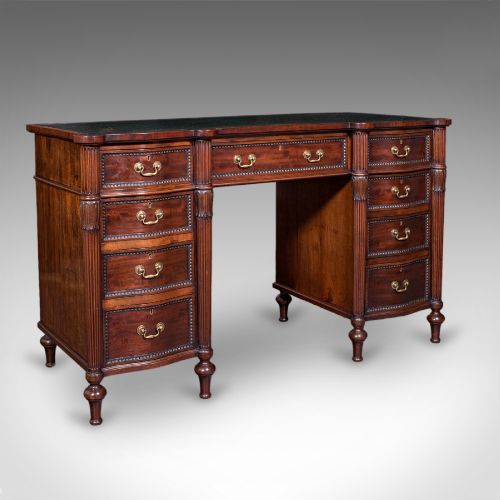
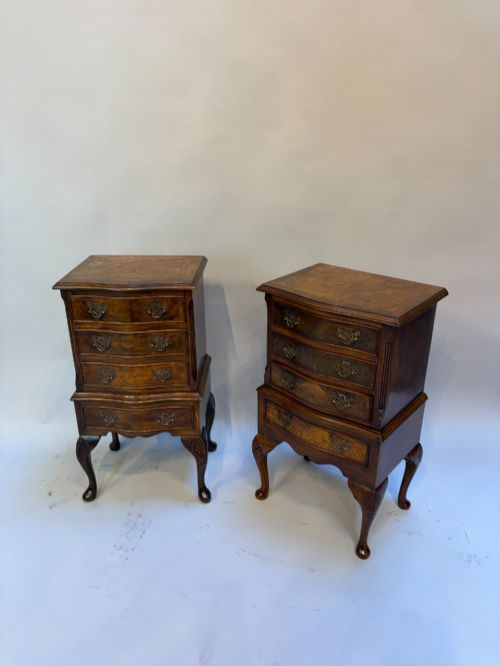
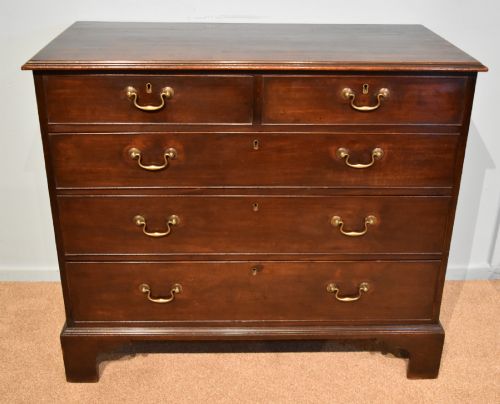
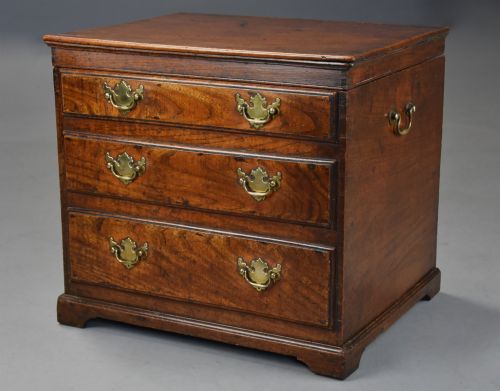
Wooden drawers with brass bring together the utility of hardwood storage and the crisp linear detail of metal mounts across several historic centuries.
Wooden Drawers with Brass
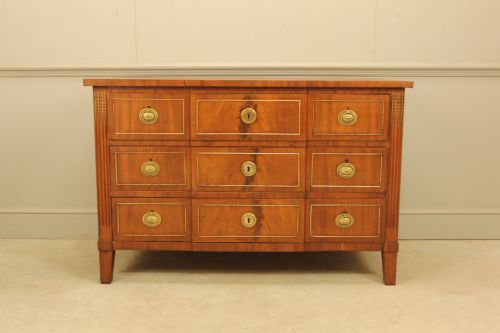
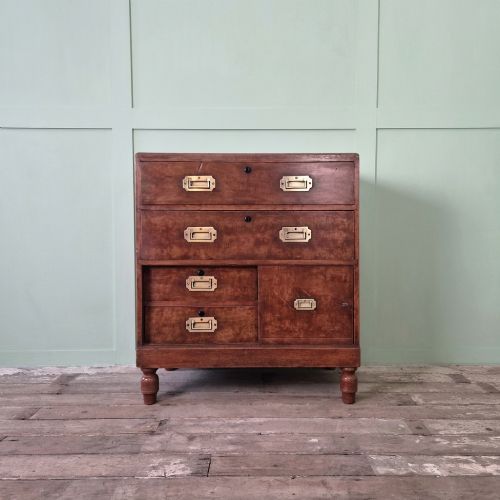
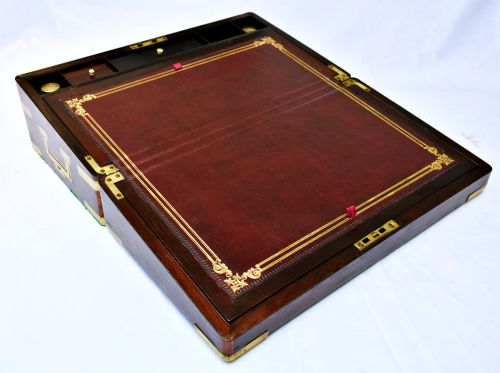
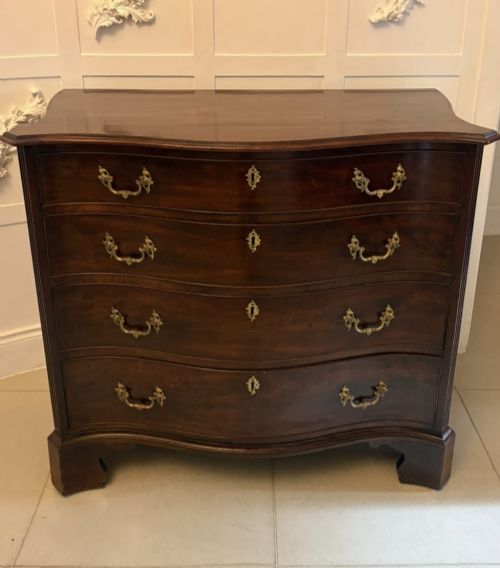
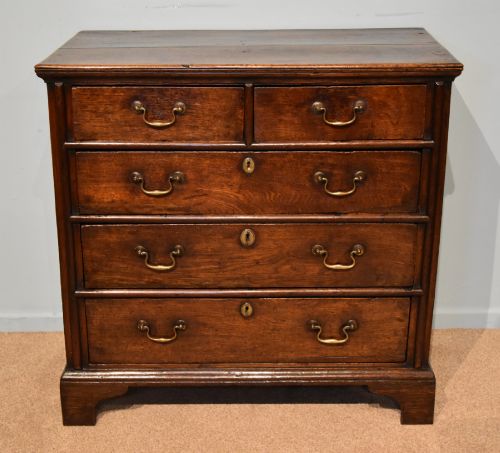
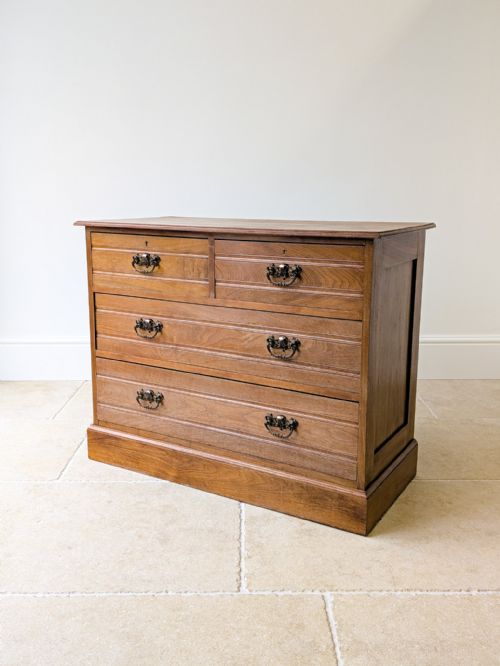
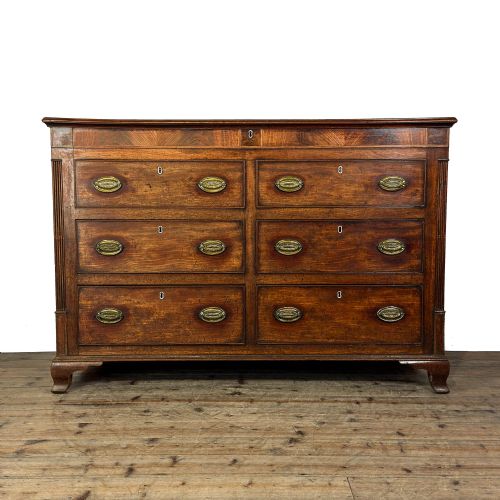
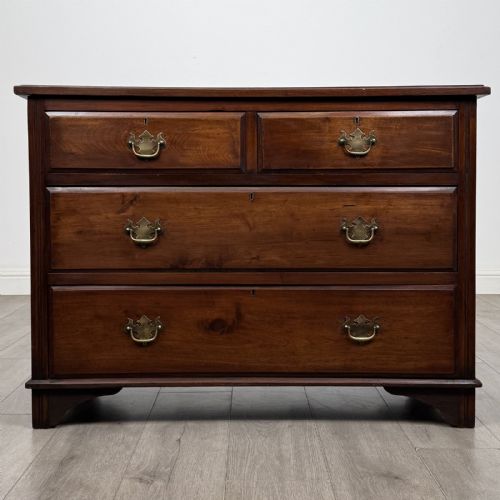
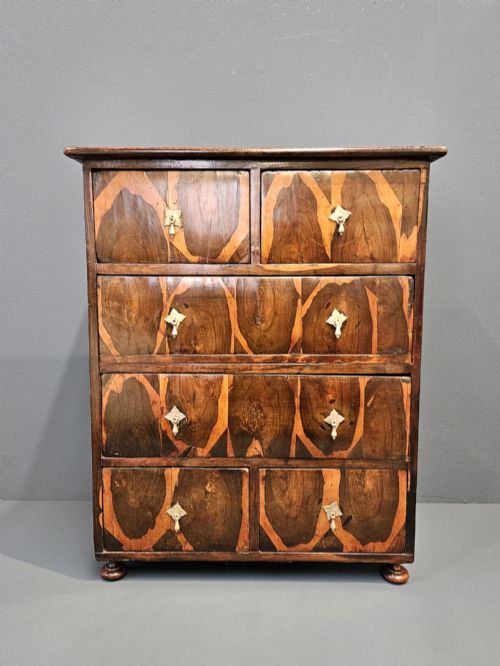
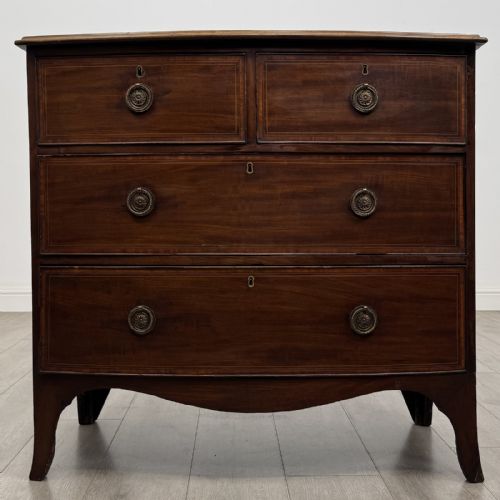
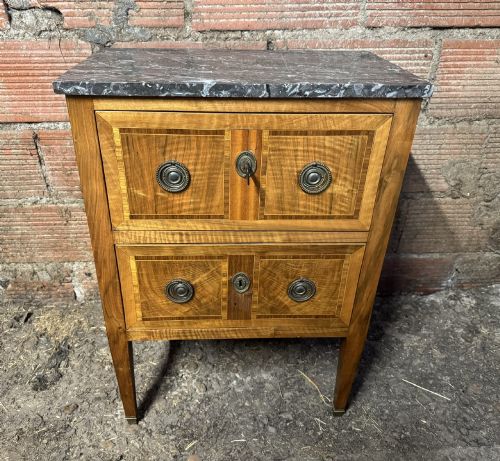
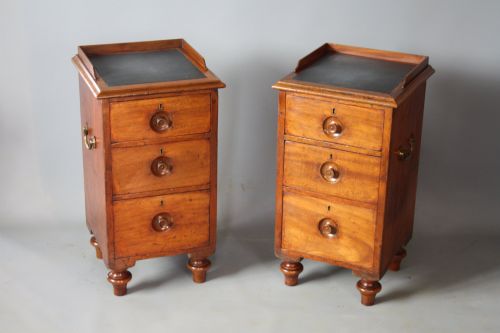
Wooden drawers with brass appear in forms ranging from substantial chests and writing bureaux to smaller tea chests, writing slopes, and campaign boxes. Buyers encounter domestic storage pieces from the Georgian, Victorian, Regency, and Edwardian periods, alongside 18th-century Italian and Welsh vernacular examples.
The chests of drawers and side tables span periods from the 18th century through to the early 20th century, utilising regional timbers like oak and walnut alongside imported mahoganies. Smaller portable items, such as writing slopes and correspondence boxes, frequently incorporate brass bindings and secret compartments.
Materials and Construction
Cabinet makers constructed these pieces using primary timbers such as mahogany, oak, walnut, rosewood, and pine, occasionally applying decorative wood veneers or crossbanding to table tops and drawer fronts. Brass supplied the hardware for handles, escutcheons, corner brackets, and inlay work.
Joinery techniques matched the period of manufacture, incorporating bracket feet, sliding panels, fall-front desks, and fitted interiors with secret drawers. Metal components were secured with period fixings, ranging from cast brass handles to flush brass corners on campaign pieces.
Wooden Drawers with Brass Retail Price Guide 2026
Typical asking prices for wooden drawers with brass among the pieces listed under this phrase on Sellingantiques today, from the lower quarter to the upper quarter. They describe what is for sale here now, not the wider market.
Distinctions in Execution
The standard of a piece rests on the selection of timber, such as curl grain mahogany or figured walnut, and the precision of the cabinet work in secondary elements like drawer linings and secret compartments. Original brass handles and undisturbed brass inlay contribute significantly to the integrity of an item.
Proportion and decorative detail differentiate standard domestic items from finer examples, such as those featuring crossbanded tops, bracket feet, or specialised campaign brass work. Retaining original surfaces and structural fixtures elevates the character of the object.
The Wooden Drawers with Brass Glossary
- Writing slope
- A portable desk with a hinged sloping lid designed for correspondence, frequently fitted with inkwells and secret drawers.
- Mule chest
- A storage chest featuring one or more drawers at the base beneath the main lift-lid compartment.
- Crossbanding
- A border of veneer laid around the edges of a panel or drawer front with the grain running perpendicular to the central piece.
- Brushing slide
- A pull-out shelf positioned above the top drawers of a chest, historically used for dusting clothes or writing notes.
- Escutcheon
- A protective plate of brass surrounding a keyhole.
Wooden Drawers with Brass: Frequently Asked Questions
What is a bachelors chest?
A bachelors chest is a compact chest of drawers that typically incorporates a fold-over top or a sliding board for writing.
These pieces date predominantly from the Georgian period and served multiple domestic functions in smaller living spaces.
How do campaign pieces differ?
Campaign items are constructed for portability, featuring recessed brass corners, flush handles, and sectional designs.
Cabinet makers built them using durable hardwoods like mahogany to withstand transport during military service.
What is a coffer bach?
A coffer bach is a small Welsh oak box or chest, often fitted with a single drawer beneath the main compartment.
These vernacular pieces served domestic storage purposes in Welsh households during the 18th century and later.
How do you spot secret drawers?
Secret drawers are concealed compartments built behind removable partitions, dummy panels, or within the interior fittings of desks and tea chests.
They require specific manipulation of surrounding wooden elements to release the hidden spring or catch.