
Wooden Drawer Unit
A wooden drawer unit brings practical storage and traditional craftsmanship together, ranging from compact miniature pieces to large banks of shop drawers.
Wooden Drawer Unit
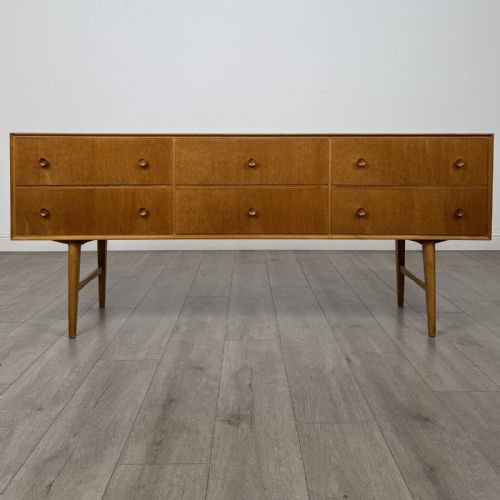
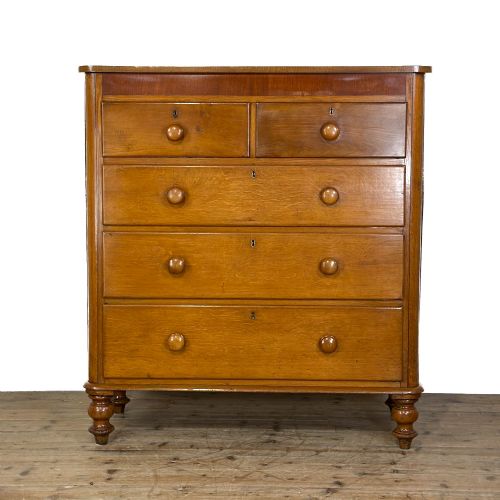
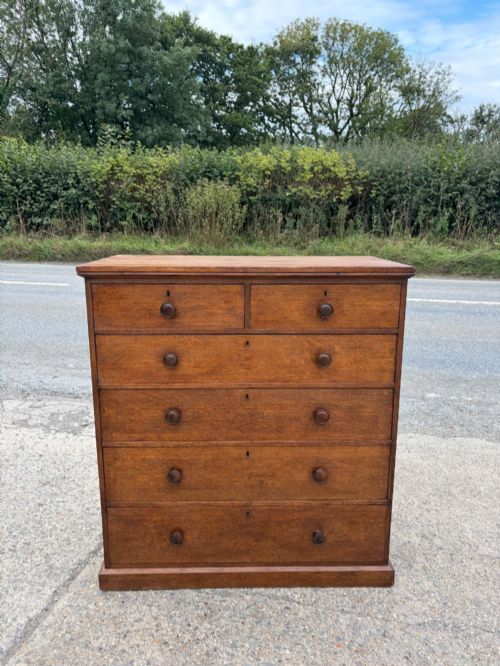
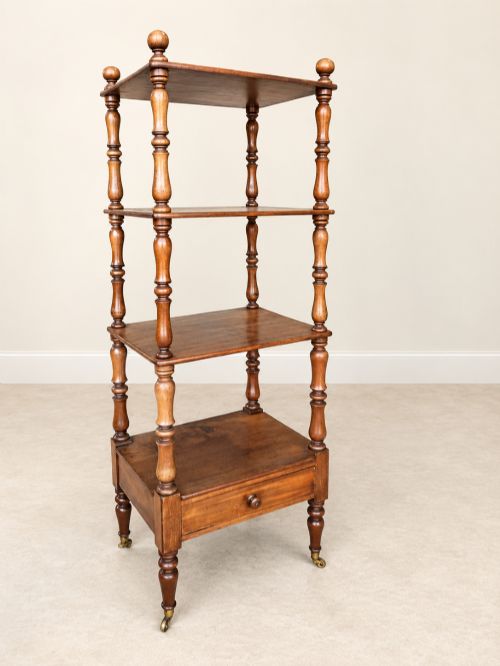
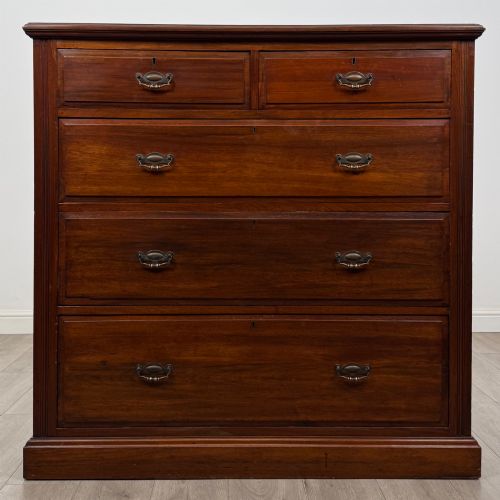
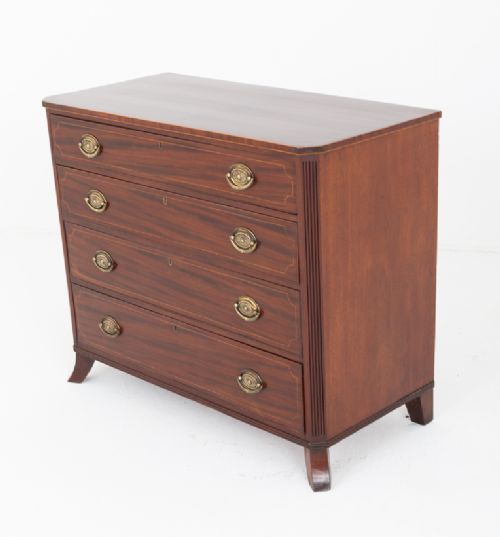
Buyers seeking a wooden drawer unit encounter a diverse selection spanning the eighteenth, nineteenth, and early twentieth centuries. The listings encompass substantial bedroom chests, narrow filing cabinets, low sideboards, and small apprentice pieces.
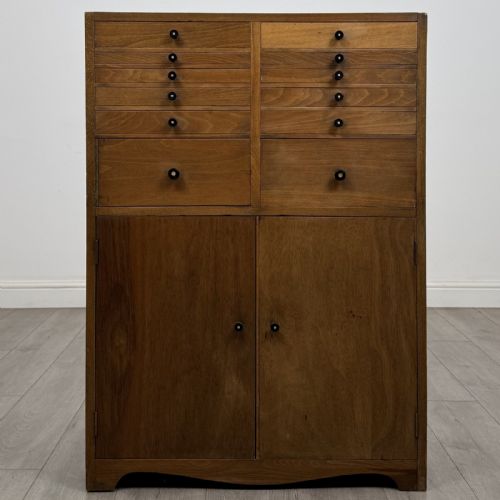
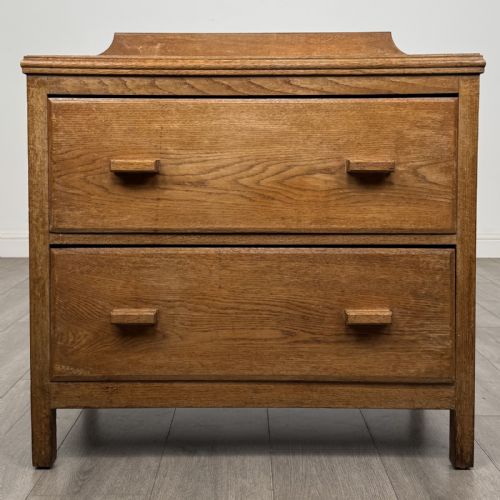
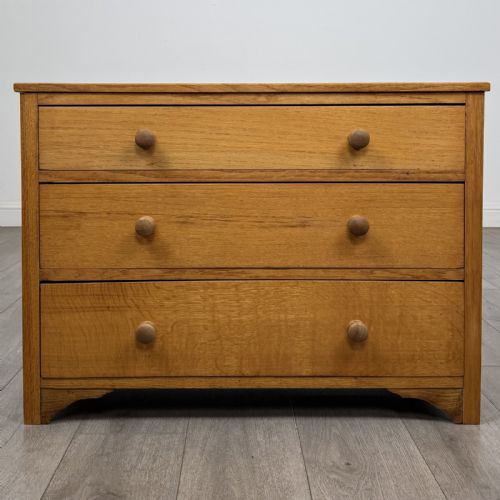
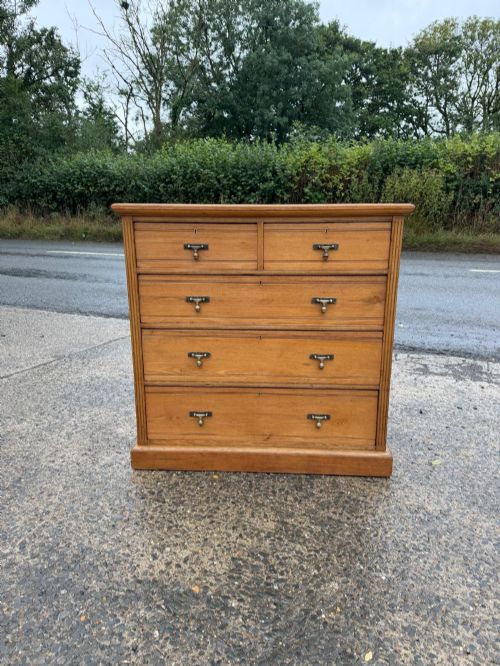
Chest of drawers forms dominate the selection, appearing alongside specialised storage cabinets and multi-drawer banks originating from commercial workshops. Oak and mahogany serve as the primary woods across both domestic furniture and utilitarian workshop pieces.
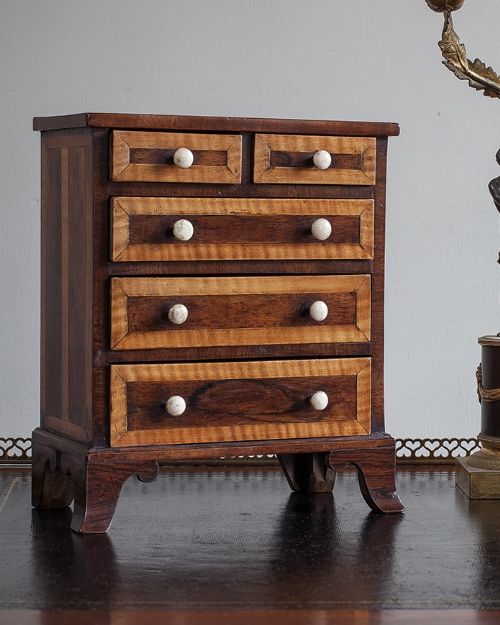
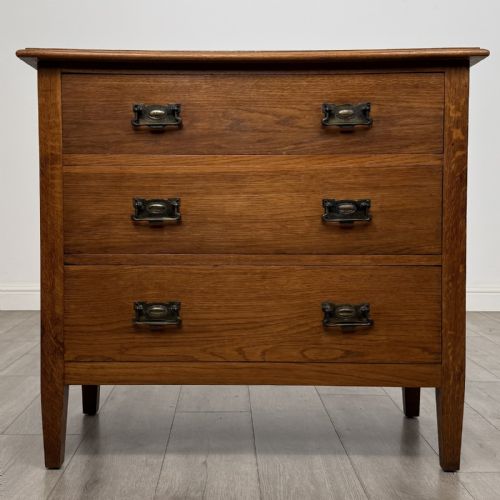
Victorian and Edwardian examples appear frequently, accompanied by earlier Georgian designs and pieces from around nineteen hundred. Buyers also find miniature furniture and tabletop trinket chests designed for specialised storage.
Materials and construction methods
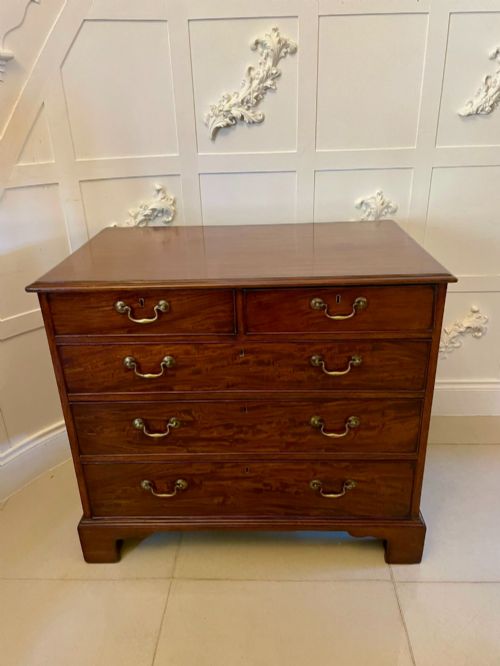
Cabinet makers utilised solid timbers like oak, mahogany, walnut, and pine, frequently applying flame mahogany veneer to primary display surfaces. Drawer construction relied on hand-cut dovetail joints to ensure durability under daily use.
Fittings include brass drop handles, wooden knobs, and cast brass acorn pulls secured to drawer fronts. Raised galleries, turned feet, and inlaid details provide decorative structure to the carcase.
Listings feature oak, mahogany, walnut, and pine constructions spanning the eighteenth century through the Edwardian era.
Assessing quality in antique storage
The standard of timber selection and surface patina dictates the visual weight of each piece, with finely figured walnut and flame mahogany marking the upper tiers. Grain alignment across drawer tiers and crispness of carved details reveal the maker's skill.
Structural integrity depends on the retention of original hardware, sound drawer runners, and undisturbed backboards. Pieces maintaining their factory brass handles and original wax finish hold greater integrity than altered examples.
The Wooden Drawer Unit Glossary
- Apprentice piece
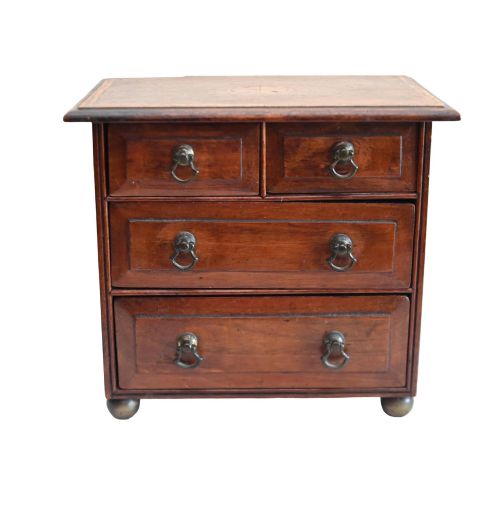
- A small-scale item created by a trainee cabinet maker to demonstrate skill to a guild. These miniature chests replicate full-size furniture details accurately.
- Bank of drawers
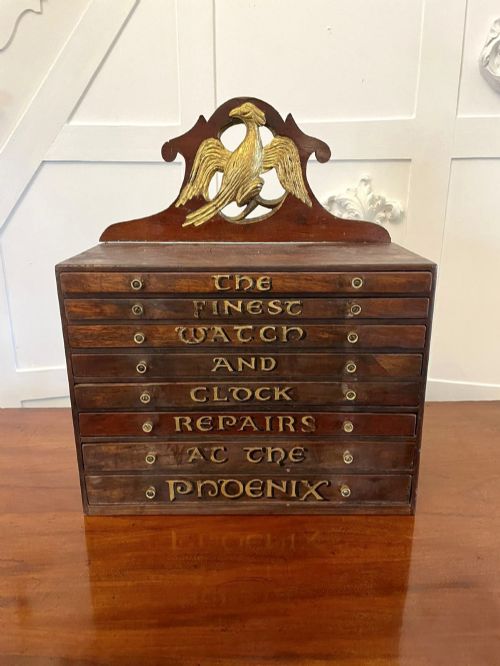
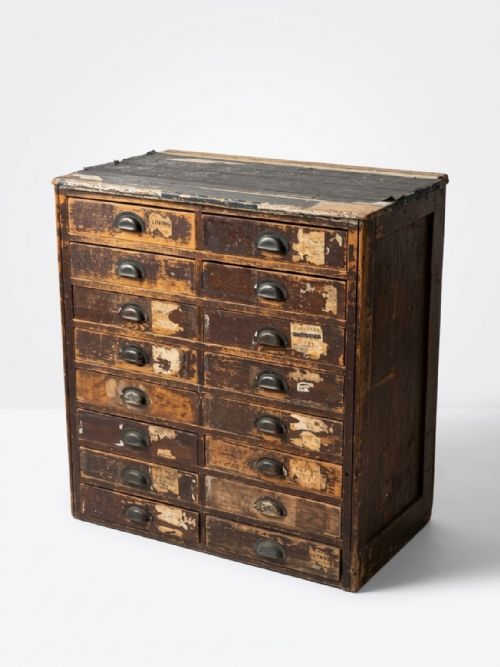
- A multi-drawer storage unit typically built for commercial or institutional use. They often feature numerous small compartments for hardware or documents.
- Wellington chest
- A tall, narrow locking chest featuring a hinged side pilaster that secures all drawers simultaneously. Originating in the nineteenth century, it maximises vertical storage floor space.
- Raised gallery
- A low decorative upstand fixed to the top surface rear and sides. It prevents items placed on top from sliding off.
- Flame mahogany veneer
- Thin slices of mahogany cut from the point where branches join the main trunk. This produces a distinctive flickering flame pattern across drawer fronts.
Wooden Drawer Unit: Frequently Asked Questions
How do I date a wooden drawer unit?
Examination of construction methods, timber choice, and hardware styles provides the primary dating evidence. Hand-cut dovetails and secondary woods like pine or oak indicate specific historical periods.
Secondary clues include the presence of original brass handles, lock types, and overall design proportions characteristic of Georgian, Victorian, or Edwardian aesthetics.
What is an apprentice chest?
An apprentice chest is a small-scale model of a standard chest of drawers, produced by young craftsmen learning the trade. These items display the same joinery techniques and detailing as larger furniture.
Collectors prize them for their portability and the meticulous miniature execution of full-sized furniture styles.
Where were banks of drawers used?
Banks of drawers served commercial, industrial, and retail environments for organising stock, paperwork, or hardware components. Shops, apothecaries, and offices relied on them for heavy daily filing.
Today, these utilitarian units function in modern domestic settings as statement storage pieces in kitchens, studies, or living rooms.
How should I care for antique wood furniture?
Maintaining antique wooden furniture involves keeping pieces away from direct heat sources and fluctuating humidity levels. Regular dusting with a soft, dry cloth protects the historic wax or polish finish.
Applying microcrystalline wax periodically nourishes the timber and preserves the natural patina accumulated over centuries of use.