









Wooden Dog Carving
A wooden dog carving brings character to a room, ranging from Black Forest inkwells to Chinese Foo dogs.
Wooden Dog Carving
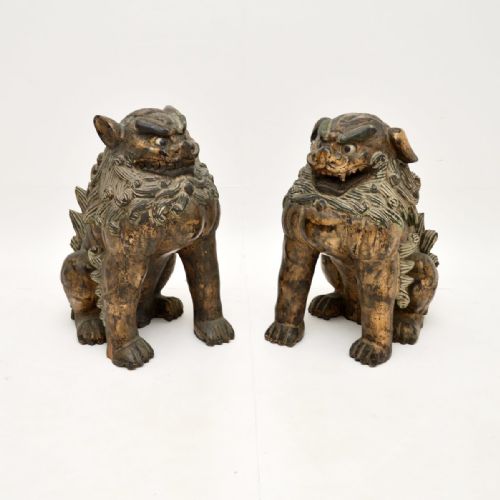
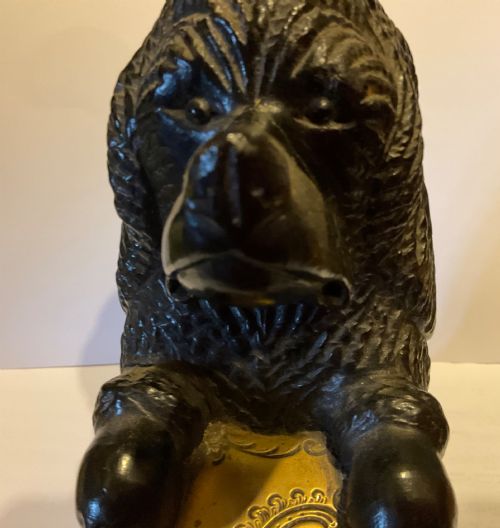
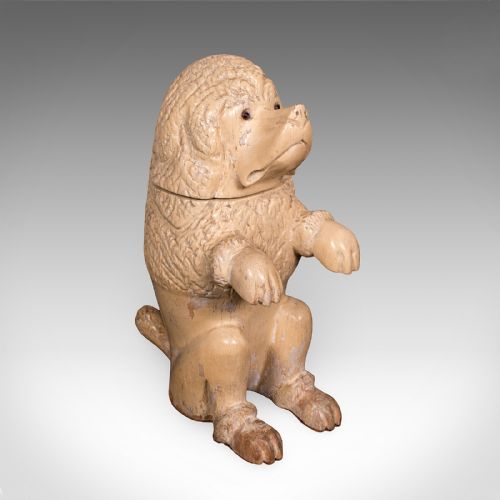
A wooden dog carving takes many functional and decorative forms, including match dispensers, tobacco boxes, inkwells, bookends, and walking sticks. You will frequently encounter nineteenth-century Black Forest figures alongside Chinese boxwood and root wood Foo dogs.
The selection ranges from domestic companion animals like poodles, terriers, and St Bernards to mythical temple lions. Pieces date from the late eighteenth century through the Art Deco era, encompassing European folk traditions and Asian carving schools.
How they were made
Carvers utilised native European timbers like walnut and fruitwood for Black Forest pieces, alongside exotic hardwoods and boxwood for Asian temple dogs. Artisans shaped these materials using hand gouges and chisels to render fur texture, muscular forms, and expressive facial details.
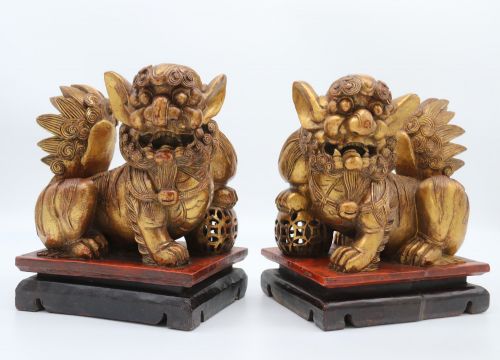
Surface treatments varied by origin, with European works often showing waxed or polished timber grain, while Chinese carvings utilised lacquer, gilding, or root wood properties to emphasise the natural grain.
Wooden Dog Carving Retail Price Guide 2026
Typical asking prices for wooden dog carving among the pieces listed under this phrase on Sellingantiques today, from the lower quarter to the upper quarter. They describe what is for sale here now, not the wider market.
Listings span periods from the late eighteenth century through the Art Deco era, encompassing European Black Forest and Chinese traditions.
What varies in quality
Quality rests in the anatomical accuracy and the sharpness of the carving tool work, distinguishing lifelike animal expressions from rigid or generalised forms. Superior examples display careful attention to bone structure, glass eyes where appropriate, and integrated function.
The depth of relief and the complexity of the composition separate standard production pieces from ambitious sculptural works. Patina accumulated through handling also dictates the visual depth of the timber surface.
The Wooden Dog Carving Glossary
- Black Forest
- A style of nineteenth-century wood carving originating from Brienz in Switzerland and the Black Forest region of Germany. These works typically depict animals in realistic or whimsical poses.
- Foo Dog
- A traditional Chinese guardian lion statue, carved from wood or stone to protect sacred spaces. They often appear in pairs with one holding a ball or a cub.
- Treen
- Small handmade wooden household objects and bric-a-brac. This category covers functional carved items like match holders and tobacco jars.
- Fruitwood
- Dense timber derived from fruit-bearing trees such as pear or apple. Carvers favoured this wood for detailed miniature work due to its fine grain.
Wooden Dog Carving: Frequently Asked Questions
What is a Black Forest dog carving?
Black Forest carvings are nineteenth-century wooden sculptures originating from central Europe, famous for naturalistic animal depictions.
Artisans frequently incorporated these dogs into functional domestic objects such as inkwells, humidors, and match dispensers.
How do I identify a Foo dog carving?
Foo dogs represent mythical Chinese guardian lions rather than actual domestic canines.
They are typically shown sitting with a stylised mane, fierce expression, and sometimes a brocade ball beneath a paw.
Where were wooden dog carvings placed?
Owners displayed these carvings on desks, mantelpieces, and smoking tables as both decorative ornaments and practical desk accessories.
Larger figures and furniture elements functioned as architectural panels or side tables.
What woods were used for antique dog carvings?
Carvers utilised a variety of timbers depending on regional traditions, including walnut, fruitwood, boxwood, and bamboo.
European workshops favoured dense temperate hardwoods, while Asian pieces frequently employed exotic root woods and lacquered timber.