

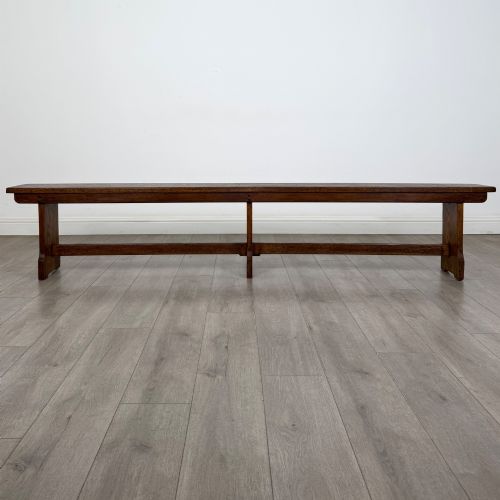
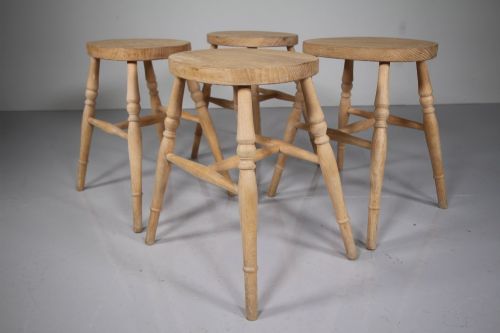
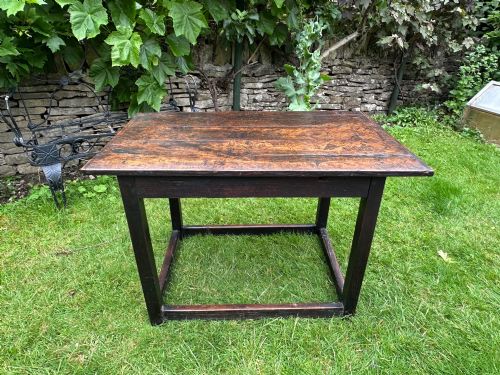
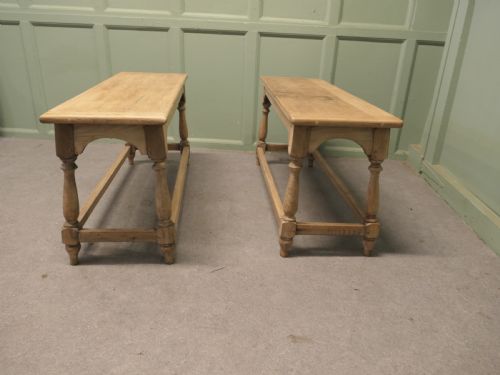


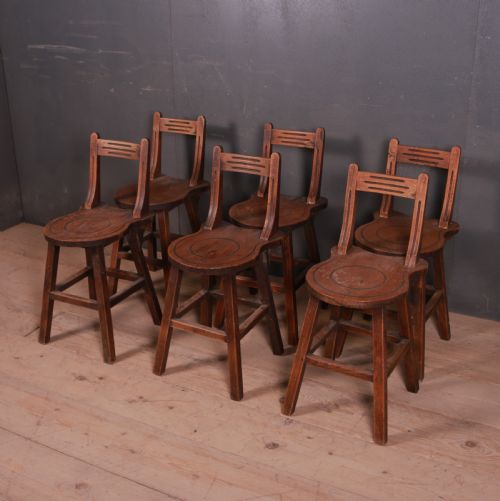


Wooden Dining Stools
These wooden dining stools span centuries of regional craftsmanship, offering sturdy timber seats built for daily use and lasting character.
Wooden Dining Stools
When you search for wooden dining stools, you encounter a range of sturdy seating options shaped by centuries of domestic and tavern life. These pieces serve functional seating roles around tables, benches, and domestic hearths.
The selections on this page draw from 17th Century styles, Victorian iterations, and Edwardian sets. You find everything from joined oak back stools to French cherry wood examples and rush seated formats.
Regional vernacular traditions heavily influence the shapes, featuring low profiles, plank tops, and sturdy legs designed for daily utility. Oak and elm dominate the surviving examples, reflecting the robust materials chosen by early makers.
Materials and construction methods
Makers relied on durable hardwoods such as oak, elm, and cherry wood to construct these frames. These timbers provided the structural integrity needed to withstand heavy daily use in taverns and households.
Construction techniques include traditional joinery methods appropriate to the period, creating stable frames without relying on modern fasteners. Timbers are often shaped into plank tops, joined legs, and ladderbacks with rush seating elements.
Wooden Dining Stools Retail Price Guide 2026
Typical asking prices for wooden dining stools among the pieces listed under this phrase on Sellingantiques today, from the lower quarter to the upper quarter. They describe what is for sale here now, not the wider market.
The listings span from the 17th Century through the Victorian and Edwardian eras, utilising oak, elm, cherry wood, and rush.
Assessing quality and finish
Quality rests in the integrity of the timber and the preservation of the original surface patination. Pieces that retain their honest grain and early finish hold greater visual presence than those stripped or overly restored.
The tightness of the joinery and the selection of figured wood, such as bleached oak or warm cherry, separate standard utilitarian items from finer regional examples. The balance between rustic charm and structural survival dictates the standing of each piece.
The Wooden Dining Stools Glossary
- Back stool
- An early form of seating featuring a backrest but no arms, bridging the gap between a simple stool and a full chair. These are commonly found in 17th Century English and Swiss vernacular groups.
- Joint stool
- A sturdy wooden stool constructed with mortise and tenon joints, often associated with oak furniture from the 17th Century and later revivals. They provide reliable strength through pegged construction.
- Plank top
- A solid wooden surface constructed from thick boards joined or resting flat across a base. This technique appears on early tables and long benches.
- Rush seat
- A woven seating surface made from dried marsh grasses twisted into cords. This method provides a resilient, slightly flexible pad within wooden frames.
Wooden Dining Stools: Frequently Asked Questions
What defines early wooden dining stools?
These pieces rely on solid timbers like oak and elm, featuring pegged joinery and straightforward designs intended for practical household or tavern tasks.
They reflect the domestic needs of their respective periods, ranging from 17th Century joined forms to Edwardian sets.
How do I care for antique timber?
Keep wooden seats away from direct heat sources and extreme humidity fluctuations to prevent the timber from drying out or splitting.
Apply a traditional wax polish occasionally to nourish the grain and maintain the natural finish.
Are these pieces suitable for daily use?
Most of these items were built for robust everyday service in homes, inns, and farmhouses, making them inherently sturdy.
Check the stability of the joints and frames to ensure they handle contemporary weight and seating habits safely.
How do I distinguish regional styles?
Regional differences appear in the choice of wood, such as French cherry or English oak, and the specific joinery details.
Vernacular pieces often incorporate local building traditions, reflecting the materials readily available to the maker.