



Wooden Dining Room Furniture
These wooden dining room furniture pieces bring together centuries of craftsmanship, offering practical surfaces and seating for the home.
Wooden Dining Room Furniture
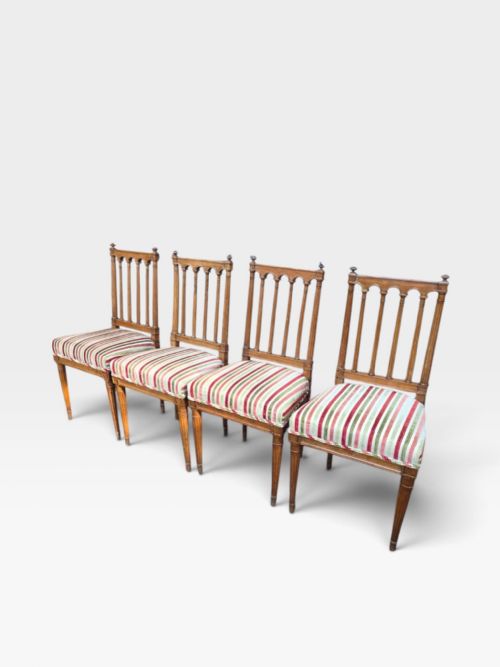
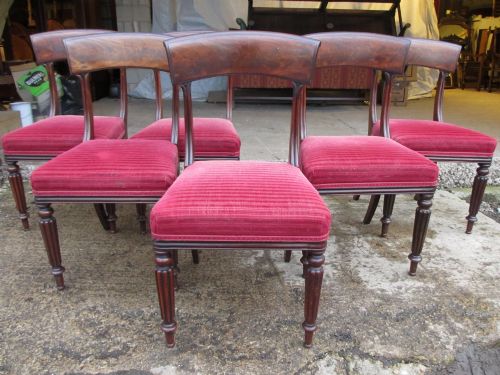
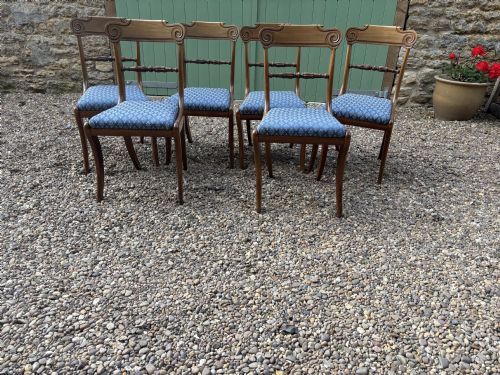
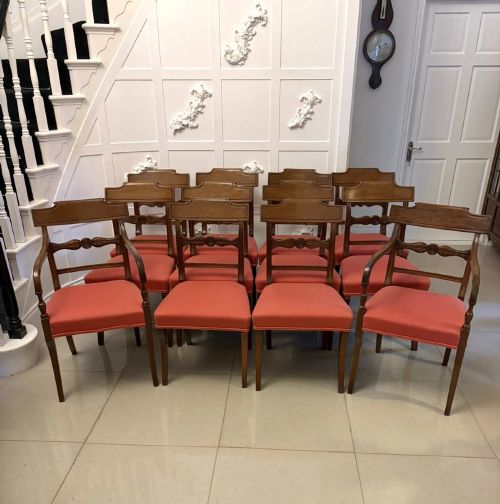
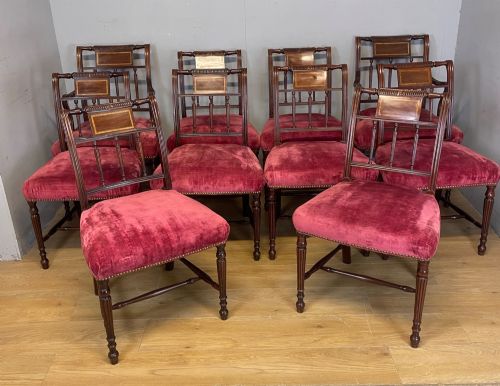
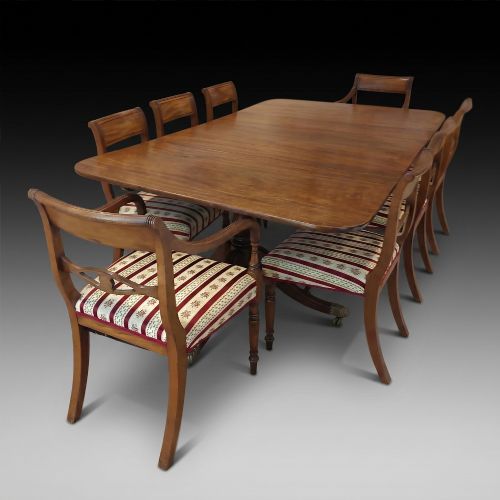
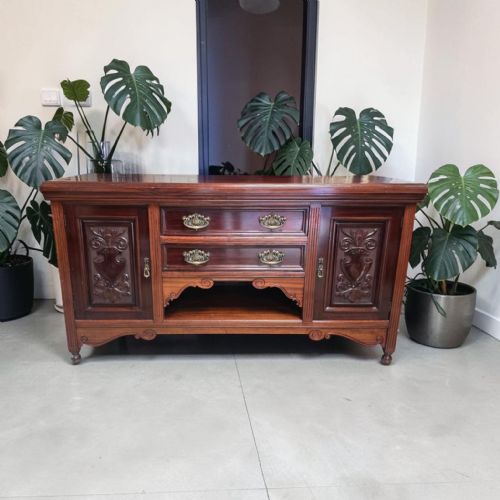
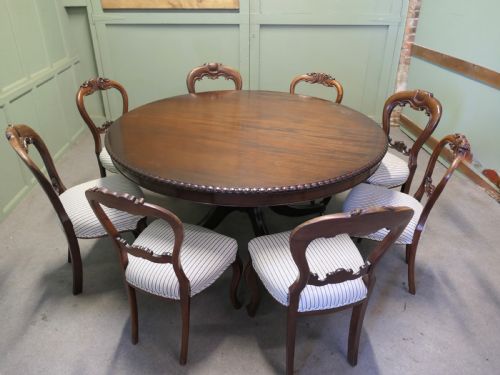
Wooden dining room furniture covers a wide array of functional domestic items, most frequently appearing here as dining chairs, extending dining tables, sideboards, buffets, and serving pieces. Buyers looking for wooden dining room furniture will encounter large matching sets of chairs alongside individual carvers and slipper chairs, often accompanied by matching dining tables.
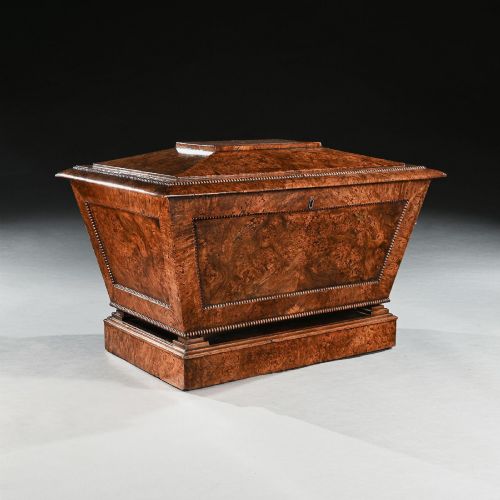
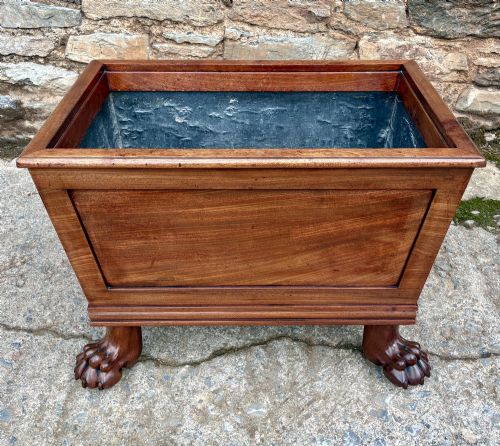
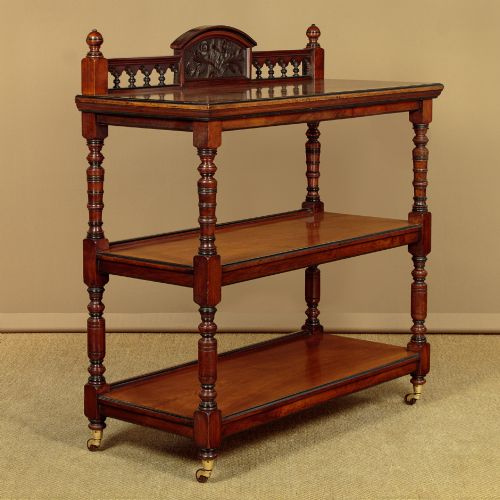
The selection ranges across several distinct eras, with pieces spanning the Georgian, Regency, William IV, Victorian, and Edwardian periods. Alongside formal dining suites, the listings include specialised serving items such as dumb waiters, cellarettes, wine coolers, and chiffoniers fashioned from timber.
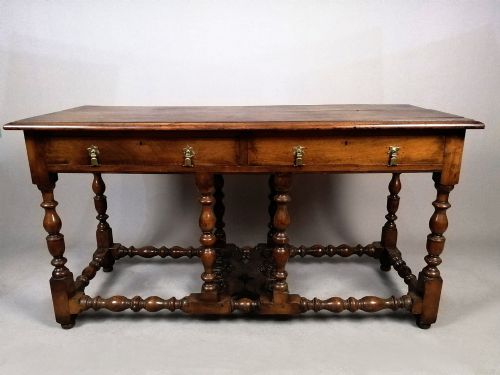
Constructed primarily from sturdy woods, these items serve the daily requirements of hospitality and storage. A buyer is most likely to meet mahogany dining tables and chair sets from the nineteenth century, alongside oak dressers and walnut buffets.
Materials and construction methods
Cabinet makers and joiners relied heavily on dense hardwoods, predominantly utilising mahogany, walnut, and oak across the various pieces. Inlaid details, burr elm veneers, and satinwood accents frequently appear to decorate the primary timber surfaces of sideboards and tables.
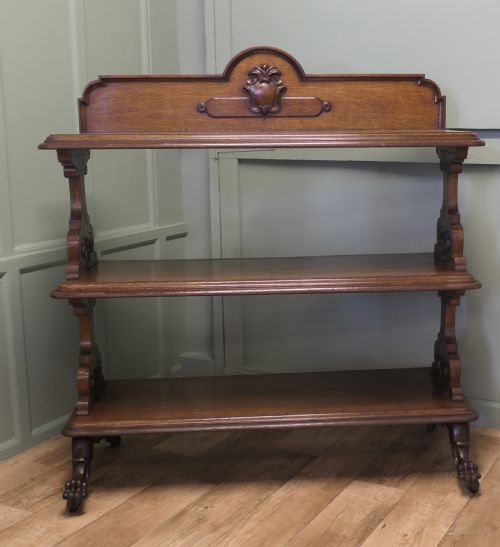
Seating and storage items incorporated structural upholstery fabrics, velvet, and brass fittings alongside the carved wooden frames. Joinery techniques varied from the solid pillar supports of pedestal tables to the intricate carved panels of Victorian oak buffets.
Wooden Dining Room Furniture Retail Price Guide 2026
Typical asking prices for wooden dining room furniture among the pieces listed under this phrase on Sellingantiques today, from the lower quarter to the upper quarter. They describe what is for sale here now, not the wider market.
Distinctions in quality and execution
The standard of a piece rests on the selection of timber grains, such as figured mahogany or burr elm, and the precision of inlaid decoration. Superior examples display crisp, hand-carved details on chair splats and sideboard cornices rather than softer, mass-produced moulding.
Structural integrity and matched sets distinguish finer dining furniture from standard utilitarian items. Large sets of twelve or fourteen matching chairs, or extendable tables with multiple original leaves, represent higher levels of original commissioning.
Rushworth's·M. D. Miller & Sons·The Woodworkers Ltd, Kilkenny
The Wooden Dining Room Furniture Glossary
- Cellarette
- A lockable container or cabinet designed for holding bottles of wine and spirits near the dining table. They often feature lead-lined interiors for cooling with ice.
- Dumb Waiter
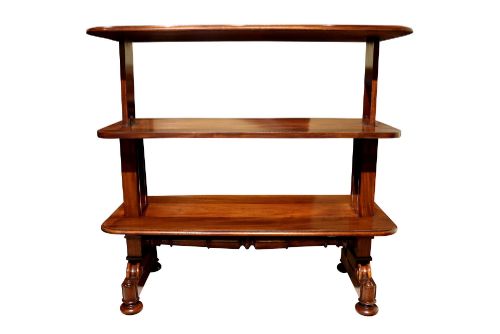
- A tiered piece of freestanding furniture used in dining rooms to hold dishes, glasses, and wine without requiring servant attendance. They typically feature rotating or fixed circular shelves on a central pillar.
- Chiffonier
- A compact sideboard or low cabinet equipped with drawers and shelves, popular during the Georgian and Regency periods. It served as a handy surface for serving food and storing cutlery.
- Carver Chair
- An armchair designed with armrests, traditionally placed at the heads of a dining table for the host or guests of honour. They match the aesthetic of the smaller side chairs in a dining suite.
- Sarcophagus Shaped
- A styling characterised by a heavy, tapering rectangular form reminiscent of an ancient stone coffin, frequently seen on nineteenth-century wine coolers and cellarettes.
Wooden Dining Room Furniture: Frequently Asked Questions
How do I care for antique dining tables?
Protect wooden surfaces from direct heat and moisture by utilising mats and coasters during meals. Regular dusting with a soft cloth helps preserve the natural timber finish without damaging the polish.
Avoid placing antique tables near radiators or in direct sunlight, which can cause the wood to dry out and split. Periodic waxing maintains the moisture content and lustre of mahogany, walnut, and oak pieces.
How do I match chairs to a table?
Review the wood type, such as mahogany, oak, or walnut, to ensure the primary timber tones align visually with the dining table. Matching the historical period, like Regency or Victorian, maintains stylistic consistency across the room.
Consider combining a set of standard side chairs with two matching carver chairs at the table ends. Upholstery fabrics on the seats can also be customized to tie the chairs and table together into a cohesive dining suite.
Where were dumb waiters used?
Dumb waiters were placed beside dining tables in large formal dining rooms to hold extra courses, wine bottles, and tableware. Their multi-tiered revolving shelves allowed diners to help themselves independently.
Today, these pieces function well in modern dining spaces as display stands or side surfaces for serving drinks. They fit neatly into corners or empty wall spaces while adding traditional character to the room.