








Wooden Dining Plates
Wooden dining plates draw you in with their warm grain, offering a tactile connection to historic meals.
Wooden Dining Plates
When searching for wooden dining plates, collectors encounter items spanning several centuries, including Georgian and Victorian examples. These pieces serve practical and decorative functions in traditional interiors.
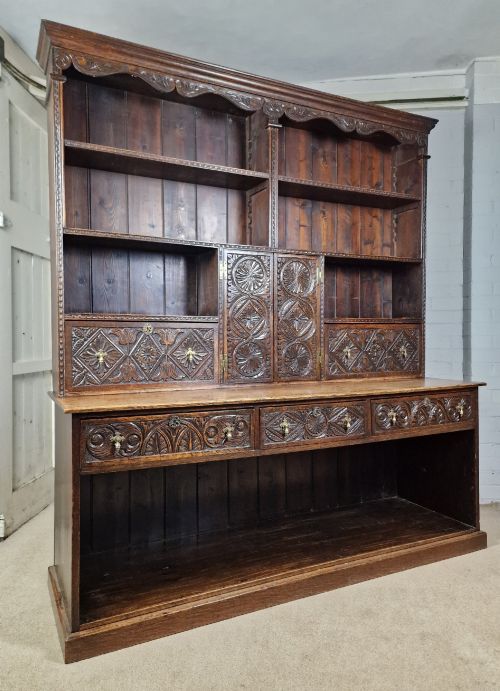
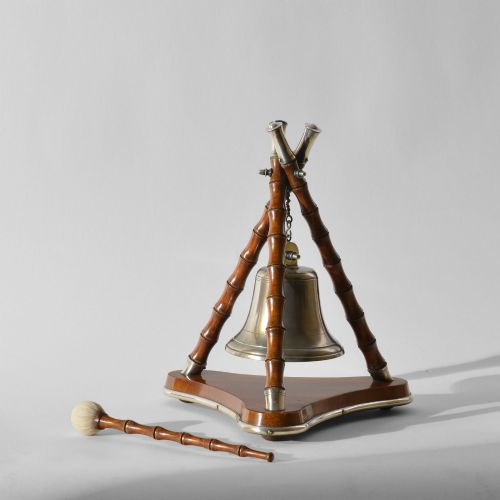
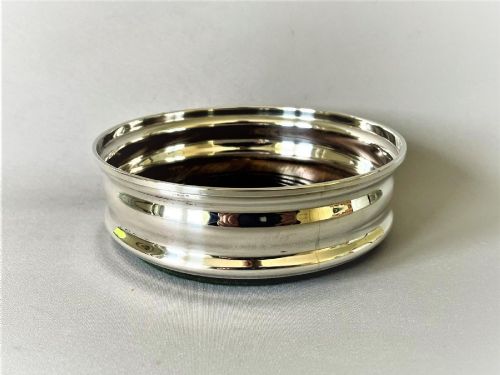
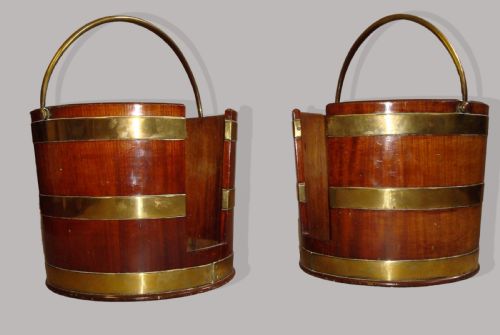
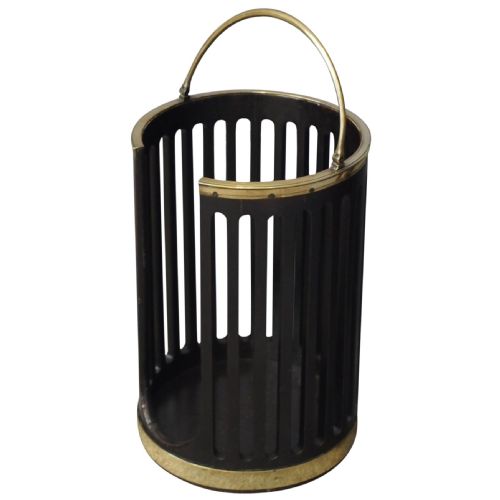
The selection includes various wooden forms and associated dining accessories made from oak and mahogany. Buyers frequently find items linked to broader dining furniture categories such as dressers and plate buckets.
Craftsmanship and Materials
Items associated with this search phrase utilise solid hardwoods like oak and mahogany, often shaped by hand during the eighteenth and nineteenth centuries. Joinery techniques reflect the period of origin, from Georgian cabinet-making to provincial workshop methods.
Metal mounts in brass frequently appear alongside the timber elements, providing structural reinforcement and decorative contrast. Surface finishes rely on traditional polishing methods that highlight natural wood figures.
Wooden Dining Plates Retail Price Guide 2026
Typical asking prices for wooden dining plates among the pieces listed under this phrase on Sellingantiques today, from the lower quarter to the upper quarter. They describe what is for sale here now, not the wider market.
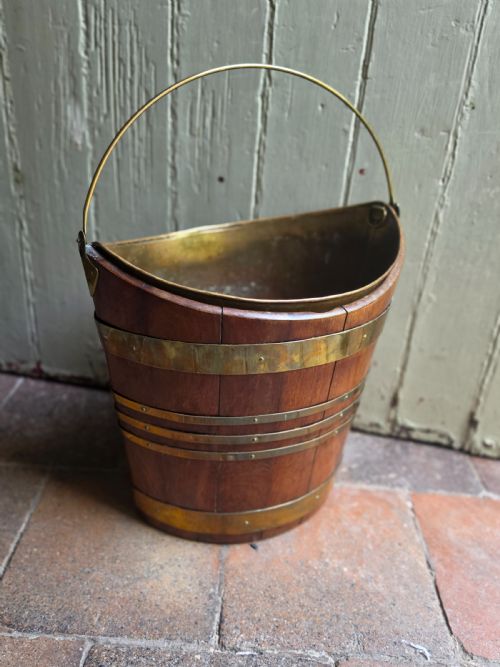
Listings associated with wooden dining plates frequently include eighteenth-century mahogany plate buckets and oak dressers.
Assessing Quality
Quality rests on the selection of timber and the precision of the joinery, distinguishing utilitarian items from high-status dining accessories. Superior pieces display carefully chosen grain patterns, such as flame mahogany, paired with well-fitted brass hardware.
Proportion and period integrity separate fine examples from later reproductions or altered items. The integration of metalwork with timber demonstrates the skill of the original maker.
The Wooden Dining Plates Glossary
- Plate Bucket
- A deep container designed to hold dining plates safely off the floor or table. These cylindrical vessels often feature brass carrying handles and stave construction.
- Mahogany
- A durable tropical hardwood valued for its rich reddish-brown colour and stability. Cabinet makers utilised this material extensively for eighteenth-century dining accessories.
- Georgian
- Design period spanning the reigns of the four Georges, noted for elegance and classical proportions. Pieces from this era show refined woodworking techniques.
- Oak
- A robust domestic timber utilised in country furniture and early dining items. It provides a distinct grain texture and long-lasting durability.
Wooden Dining Plates: Frequently Asked Questions
How do I care for antique wood?
Maintain the timber by keeping pieces away from direct heat sources and sudden humidity changes. Apply appropriate wax polish sparingly to preserve the finish.
Avoid submerging wooden items in water during cleaning. Gentle dusting preserves the historic surface patination.
How do I identify a Georgian piece?
Examine the construction methods, timber selection, and metal mounts for period-appropriate details. Georgian items typically feature hand-cut joints and genuine brass hardware.
Compare the proportions and finish against documented examples from the eighteenth century. Secondary woods inside the construction often confirm the age.
Why use brass bindings on wood?
Metal bands provide essential structural support for stave-built containers holding heavy ceramic or wooden items. They prevent the timber staves from warping or separating over time.
Brass also adds a decorative contrast to dark hardwoods like mahogany. This combination was standard practice for elite dining equipment.