


Wooden Corner Table
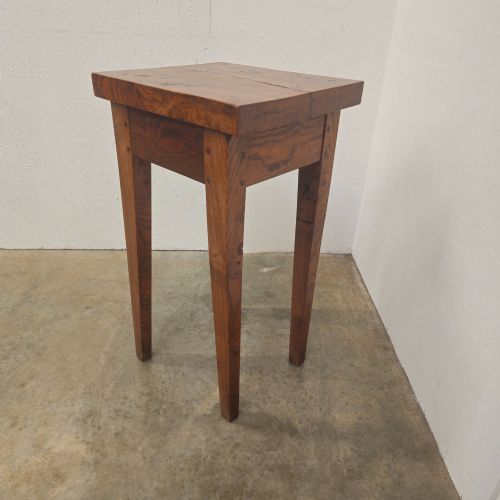
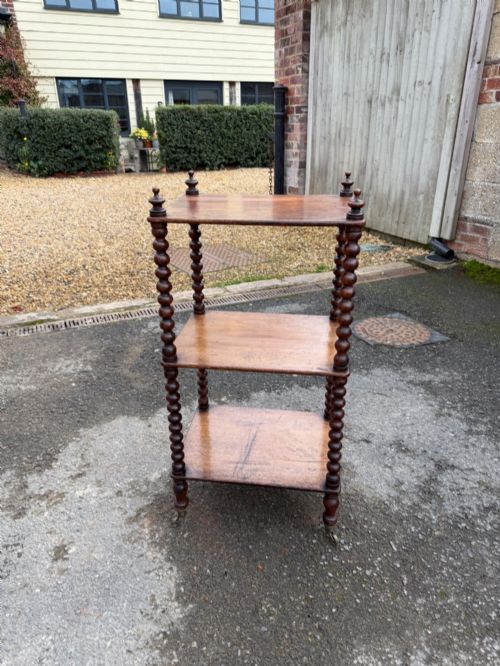
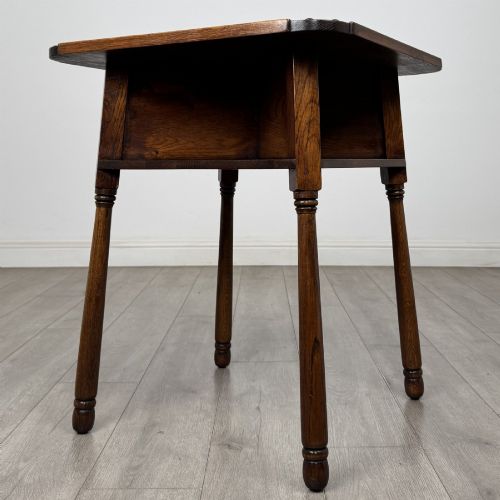
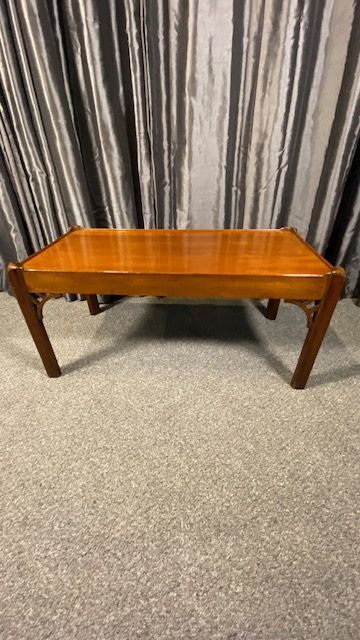
These wooden corner table pieces fit neatly into awkward spaces while bringing period warmth and practical surface area to a room.
Wooden Corner Table
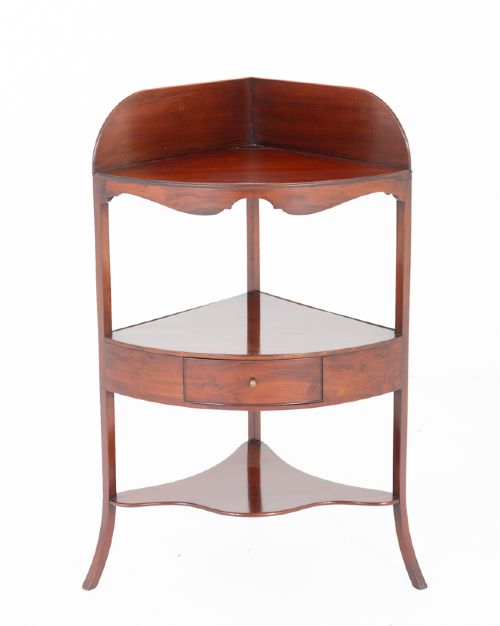
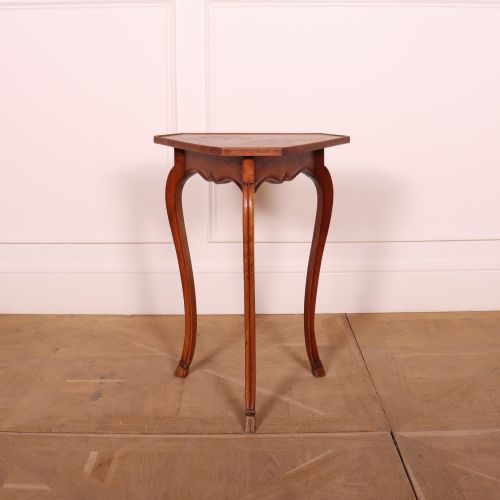
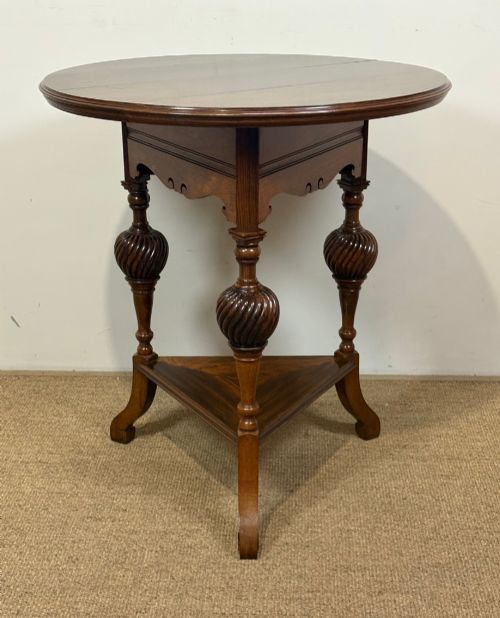
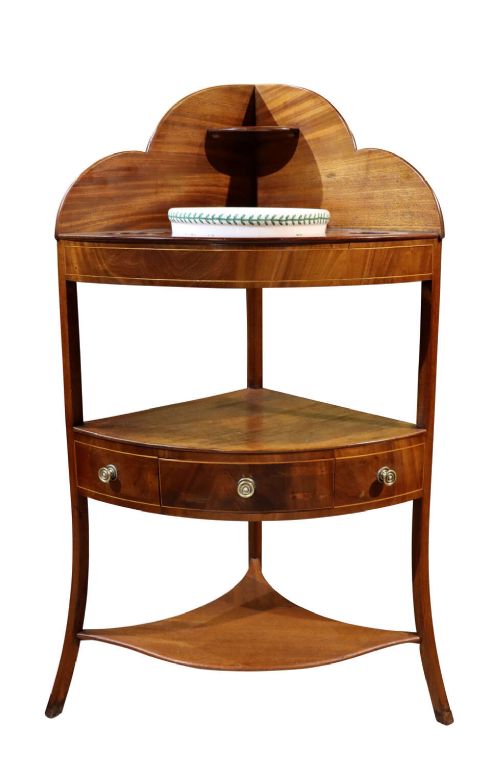
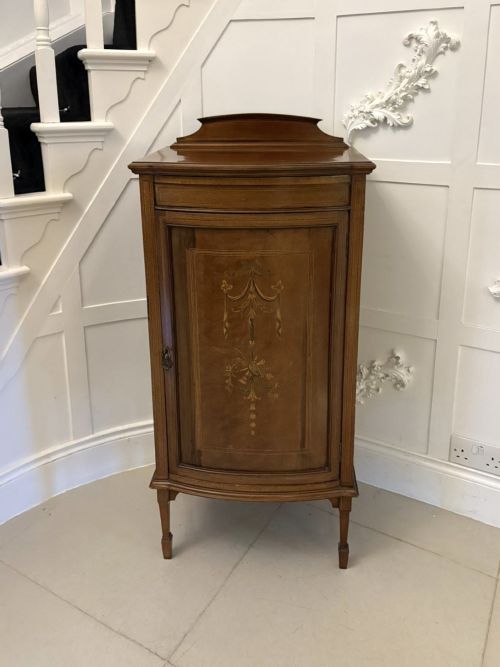
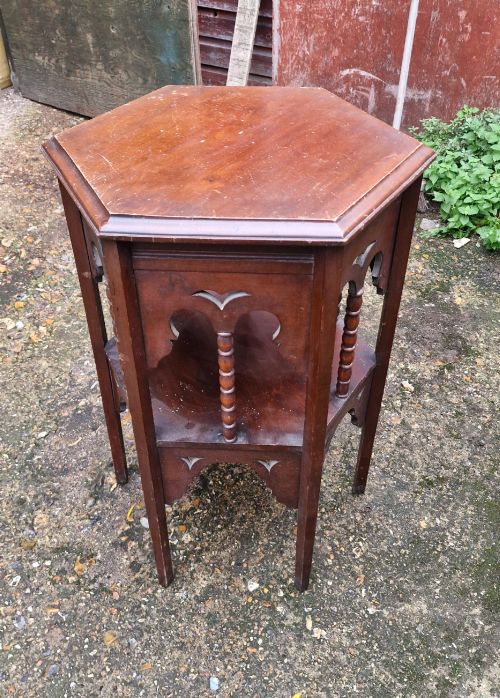
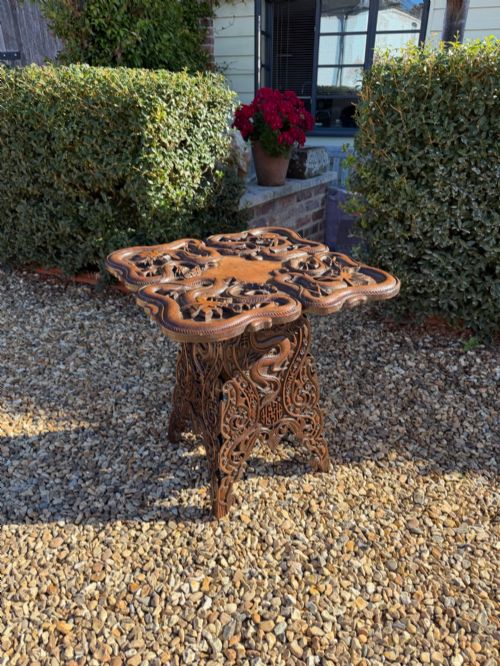
A wooden corner table serves to utilise neglected angles in a room, taking the form of corner stands, corner washstands, and specific corner lamp tables. The selection ranges widely across periods, encompassing Georgian pieces alongside Edwardian and Victorian examples.
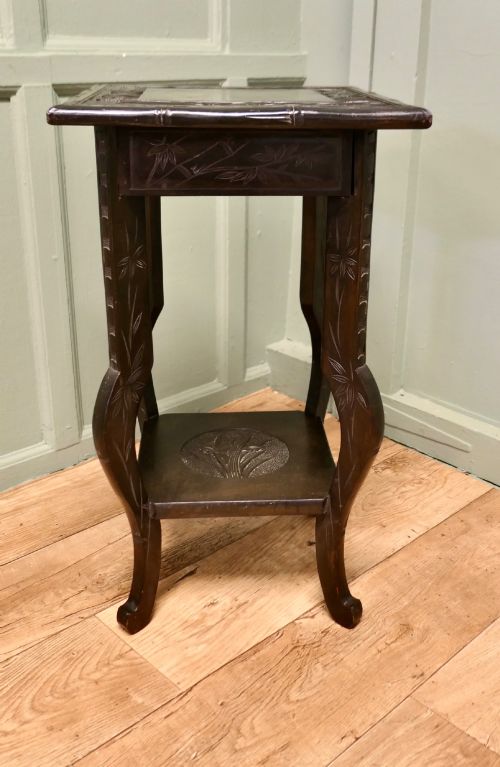
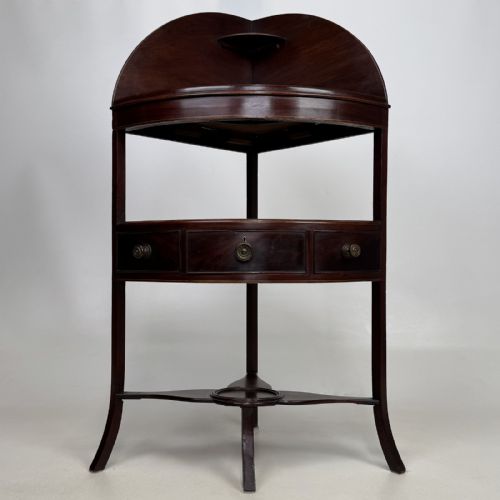
Georgian items often appear as mahogany washstands or wig stands featuring raised galleries and shaped shelves designed for tight angles. Later Edwardian and nineteenth-century variants emerge as occasional tables or inlaid lamp tables.
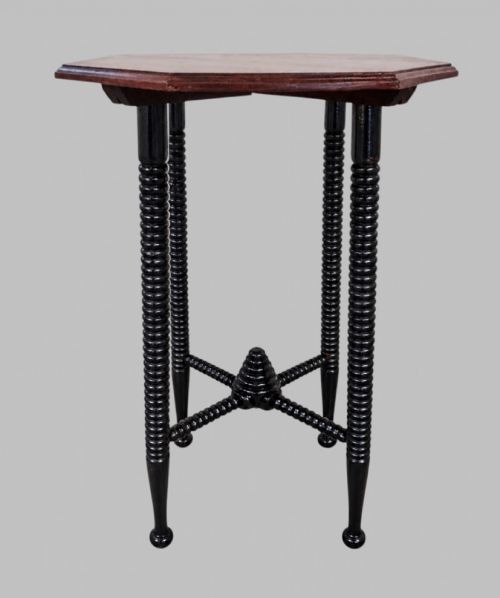
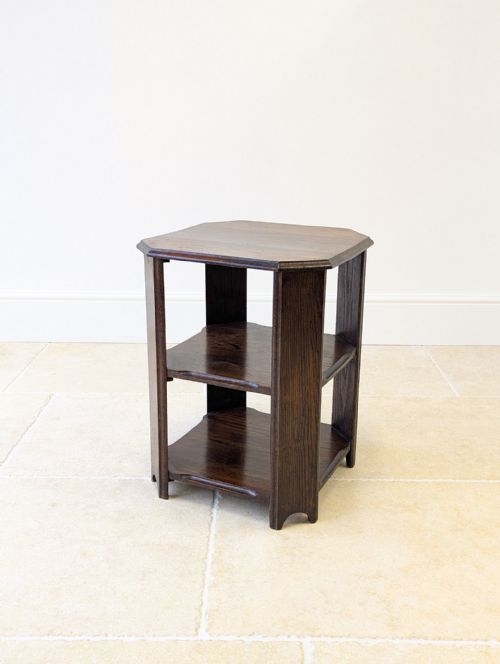
Buyers encounter diverse styles spanning Regency, Arts and Crafts, and campaign designs. The core function remains consistent: providing stable display space in the corner of a room using traditional timbers.
Materials and Construction
Mahogany dominates the construction of these tables, frequently paired with brass hardware on campaign pieces or boxwood and satinwood inlay on Georgian and Edwardian examples. Oak, walnut, and camphor wood also appear across various styles and trunks.
Wooden Corner Table Retail Price Guide 2026
Typical asking prices for wooden corner table among the pieces listed under this phrase on Sellingantiques today, from the lower quarter to the upper quarter. They describe what is for sale here now, not the wider market.
Several tables include clever removable sewing baskets and hidden washing compartments, proving our ancestors loved a clever hiding spot.
Assessing Quality and Craftsmanship
Quality reveals itself through the crispness of timber mouldings, the precision of marquetry inlay, and the retention of original brass galleries or handles. Finer examples display carefully selected mahogany grain patterns and balanced proportions that suit the intended corner space.
The integrity of the structural joints and the survival of original surface finishes separate standard utility pieces from finer decorative works. Construction details such as dovetailing in drawers and cleanly turned uprights indicate superior workshop origin.
Liberty and Co
The Wooden Corner Table Glossary
- Raised gallery
- A low decorative railing or rim around the top edge of a table or stand. This feature prevents items from sliding off the surface.
- Campaign style
- Portable furniture designed for military officers, characterised by brass corners, inset handles, and often folding frames. These pieces combined durability with convenience on the move.
- Marquetry
- Decorative veneer work arranged in pictorial or geometric patterns using various coloured woods. Craftsmen applied this technique to tabletop surfaces and friezes.
- Washstand
- A specialised piece of furniture built to hold a basin and jug for washing. Many historical examples naturally fit into corners due to their triangular or segmental footprints.
- Tripod table
- A small occasional table supported by a central pillar and three legs. This construction ensured stability on uneven floors.
Wooden Corner Table: Frequently Asked Questions
What is a wooden corner table used for?
These tables provide a practical surface for lamps, plants, and decorative objects in unused room angles. Historically, specific variants also served as washstands or wig stands.
Their compact triangular or angled footprint allows them to occupy dead space efficiently without obstructing pathways through a room.
How do I identify a Georgian corner table?
Georgian examples typically feature solid mahogany construction, often incorporating raised galleries and shaped lower shelves designed to hold basins or jugs. Their proportions reflect eighteenth-century design standards with restrained decorative carving.
Look for traditional construction methods, such as hand-cut joints and period brassware, which distinguish authentic pieces from later reproductions.
How should I care for antique wooden tables?
Maintain timber surfaces by dusting with a dry cloth and occasionally applying natural beeswax to nourish the wood. Avoid placing furniture in direct sunlight or near heat sources to prevent warping.
Keeping humidity levels stable in the room preserves both the polish and the structural integrity of older hardwoods.