
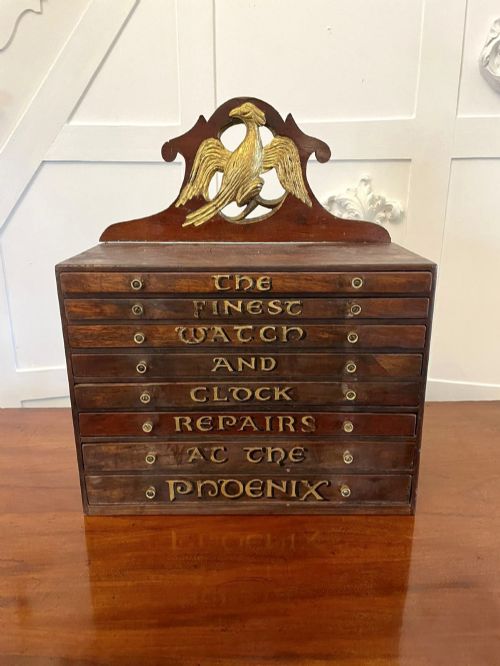
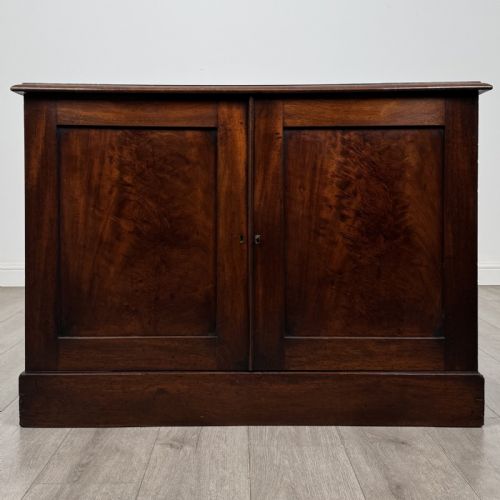
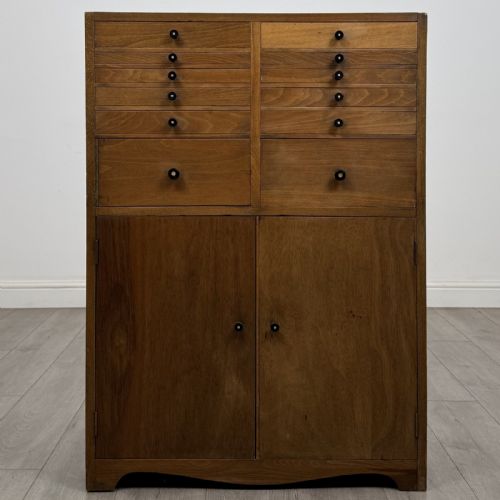
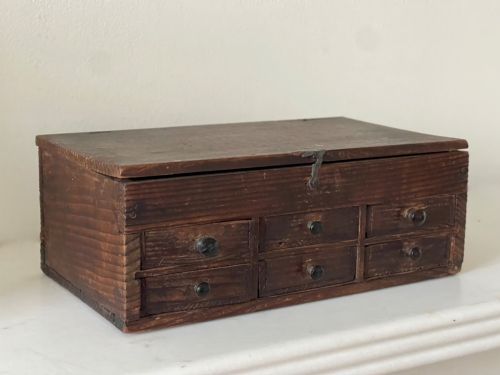
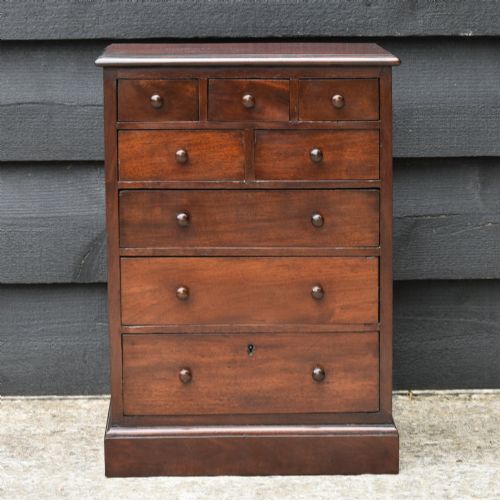
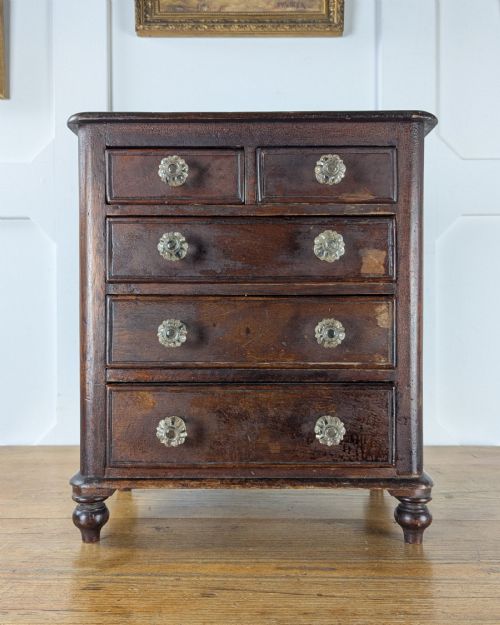
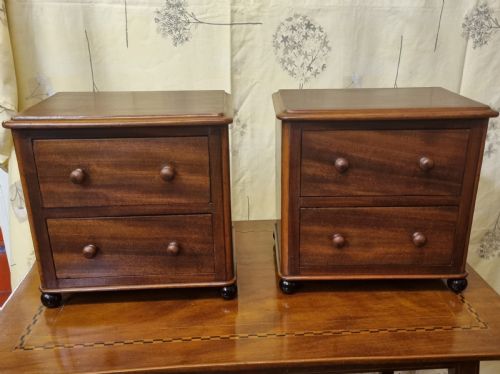
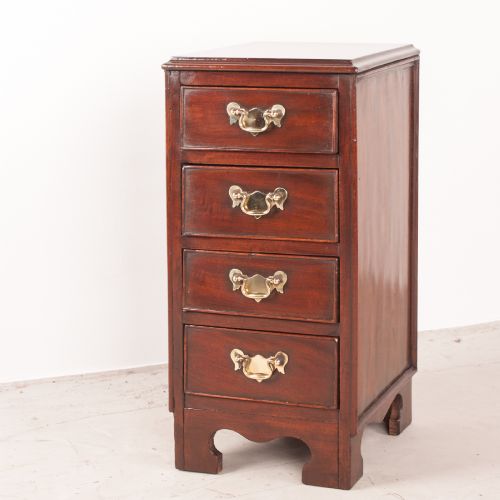
Wooden Collector Drawers
These wooden collector drawers span compact miniature chests and utilitarian banks, offering practical storage with period character.
Wooden Collector Drawers
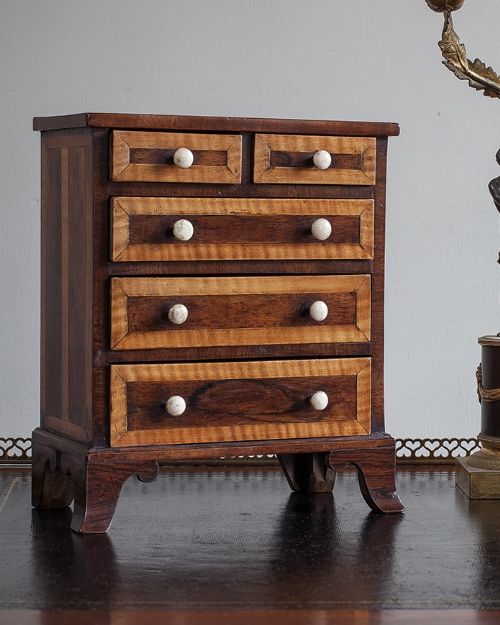
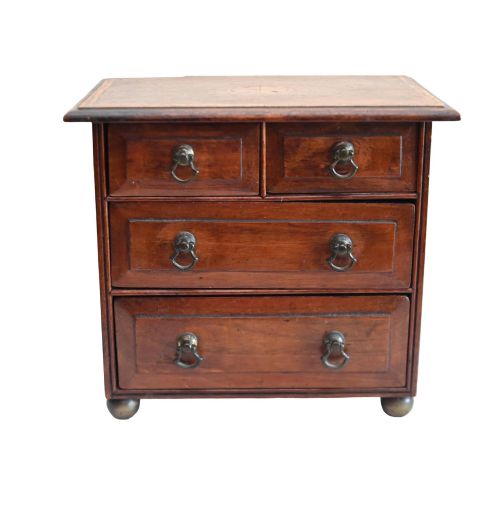
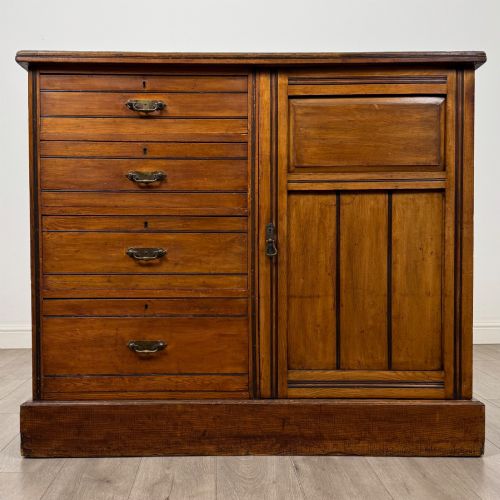
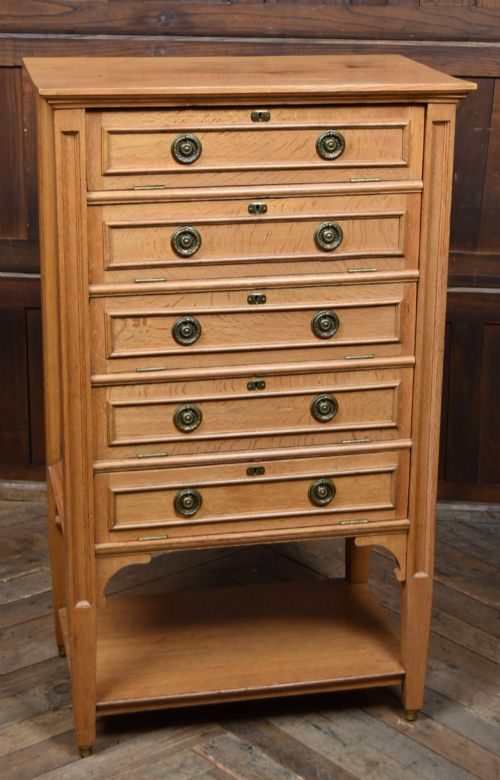
Wooden collector drawers encompass various small-scale and multi-drawer storage pieces designed for sorting specimens, trinkets, or documents. Buyers searching for wooden collector drawers will encounter forms ranging from diminutive apprentice pieces and table-top cabinets to substantial industrial filing units and apothecary banks.
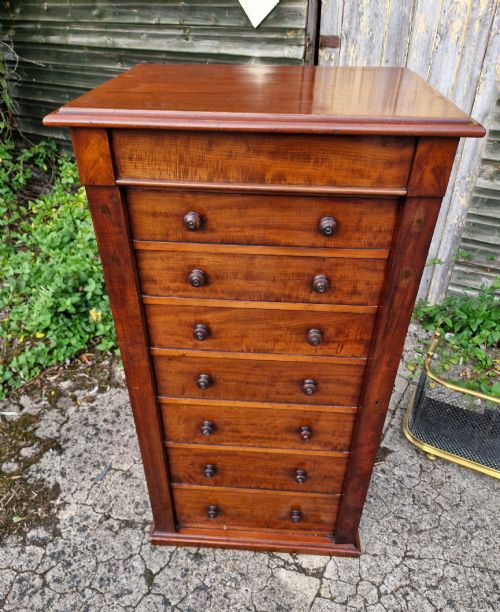
The selections span multiple historical eras, with Victorian pieces, Edwardian designs, and Georgian examples forming the core of the available options. Formats vary from Wellington chests and spice drawers to specialised homeopathic storage and multi-drawer office furniture.
How they were made
Cabinetmakers utilised dense hardwoods such as mahogany, walnut, and oak alongside utilitarian softwoods like pine, deal, and fruitwood. Many examples incorporate glass for visibility or rely on brass handles and drawer pulls to accent the wooden construction.
Construction techniques include fine inlay work, marquetry detailing, and sturdy joinery suited to daily use in medical, office, or domestic settings. Surfaces often feature polished finishes, stained treatments, or natural grain patination.
Homeopathic chests preserve tiny compartments once tasked with holding cures for nineteenth-century ailments.
What varies in quality
Quality depends on the selection of timber veneers and solid woods, where finely figured mahogany or walnut elevates a piece above standard pine or deal. The sophistication of structural details, such as locking mechanisms on Wellington chests or original brass hardware, distinguishes finer examples.
Intricacy of craftsmanship also plays a role, separating simple utilitarian apothecary banks from refined miniature furniture featuring marquetry or bow fronts. The integrity of the internal drawer construction and the preservation of original finishes complete the distinction.
The Wooden Collector Drawers Glossary
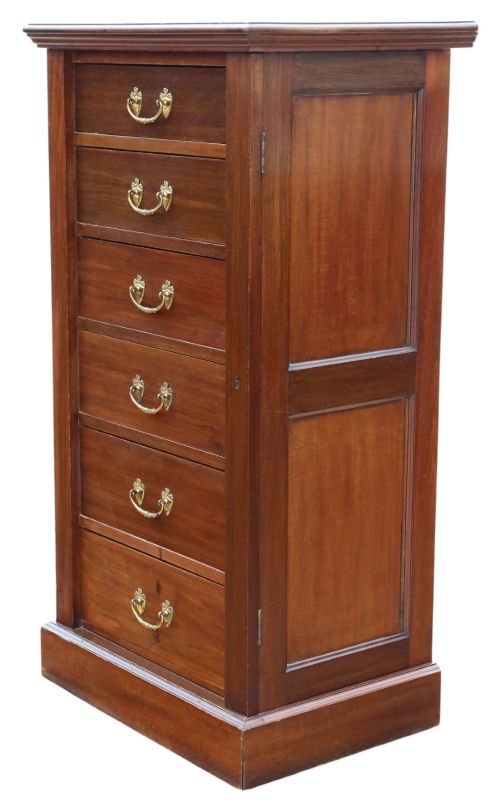
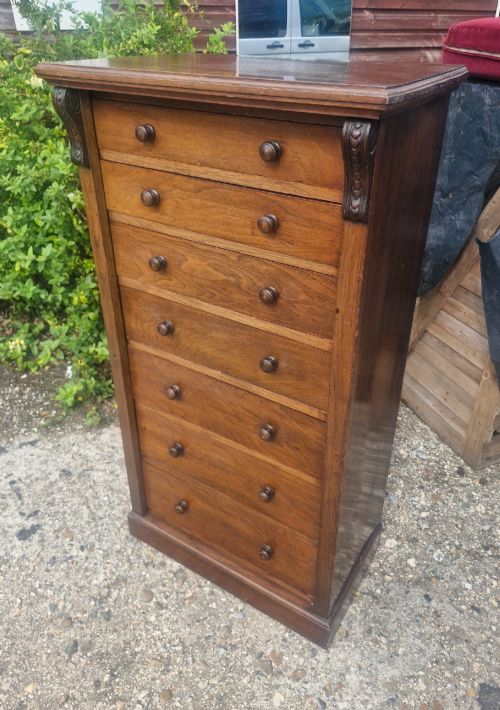
- Wellington chest
- A tall, slender chest of drawers featuring a hinged locking flap on one vertical side that secures all the drawers at once.
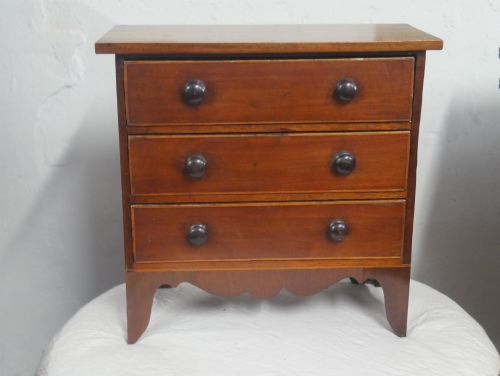
- Apprentice piece
- A small-scale model demonstrating a cabinetmaker's skill to gain master status in a guild.
- Apothecary cabinet
- A specialised multi-drawer unit originally utilised by pharmacists or chemists to store medicines and botanical specimens.
- Marquetry
- Decorative veneer work forming intricate patterns or pictures using various coloured woods.
- Specimen cabinet
- A specialised piece designed specifically for organising and displaying natural history collections like insects or minerals.
Wooden Collector Drawers: Frequently Asked Questions
What were apothecary drawers used for?
These specialised units stored medicinal herbs, chemical compounds, and bottled remedies in small compartments. Apothecaries relied on them for quick access during compounding.
Over time, these banks transitioned into general storage for small items and collections. Their numerous small compartments make them practical for modern organising.
How do I identify a Wellington chest?
A Wellington chest stands out through its tall, narrow proportions and a distinctive locking stile on the right side. Swinging this vertical bar open unlocks the stack of shallow drawers.
Originating in the nineteenth century, these pieces maximised vertical storage space in bedrooms and studies. Most surviving examples utilise mahogany or walnut veneers.
What is an apprentice chest?
Apprentice chests are miniature versions of full-sized furniture built by trainees to prove their mastery to a guild. They replicate every detail of standard cabinetry on a smaller scale.
These pieces served practical household purposes after evaluation, often acting as trinket or jewellery storage. Their small size makes them versatile for tabletop display.
How should I clean antique wood?
Dust surfaces regularly with a soft, dry cloth to prevent dirt accumulation on the grain and hardware. Avoid modern silicone polishes that build up residue over time.
Nourish dry timber periodically with appropriate wax formulas to maintain the finish. Keep these pieces away from direct sunlight and heat sources to prevent warping.