
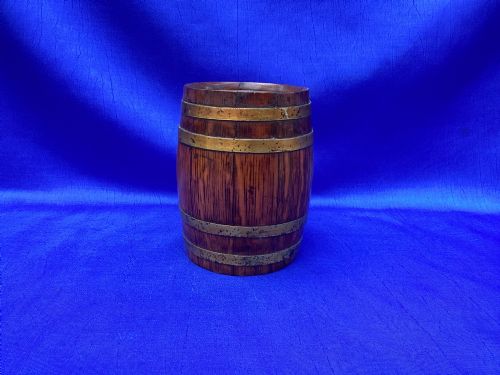


Wooden Coin Box
These wooden coin box pieces are practical containers crafted to hold currency and small valuables, offering collectors a touch of history for the home.
Wooden Coin Box
When you search for a wooden coin box, you encounter a variety of forms including barrels, puzzle book boxes, and small drawer cabinets designed for currency or specimens.
The pieces on this page span several eras, with 19th Century, Victorian, Edwardian, and Georgian examples appearing alongside earlier 17th century designs and later 1930 items.
Objects range from simple folk art carvings and money boxes to multi-drawer collectors cabinets and vending cabinets.
How they were made
Carpenters and cabinetmakers utilised sturdy timbers such as oak, mahogany, walnut, and assorted hardwoods to construct these storage items.
Many examples incorporate functional metal elements including brass fixtures, iron components, and chrome details, whilst others feature glass panels for display purposes.
Listings span periods from the 17th century through the Georgian, Victorian, and Edwardian eras up to 1930, utilising oak, mahogany, walnut, and brass.
What varies in quality
The standard of a wooden coin box depends on the crispness of the carving, the precision of the drawer joinery, and the integrity of the timber used.
Finer specimens display thoughtful execution in functional elements like locks, keys, and campaign style brass handles that remain intact.
The Wooden Coin Box Glossary
- Collector cabinet
- A small multi-drawer chest designed for organising and displaying small items or specimens. These cases often feature secure locks and panelled doors.
- Campaign style
- Furniture and boxes built for travel, typically fitted with flush brass handles and reinforced corners. This construction prioritised durability during transit.
- Specimen case
- A shallow cabinet or box traditionally used by naturalists to store biological or geological samples. They rely on tightly fitted drawers to protect contents.
- Folk art
- Items created by self-trained makers outside academic traditions, often featuring rustic carvings or idiosyncratic designs. Such pieces reflect local vernacular creativity.
- Zenibako
- A traditional Japanese money box, usually fashioned from wood with metal reinforcement, used by merchants. They often include internal compartments for coin storage.
Wooden Coin Box: Frequently Asked Questions
What is a wooden coin box?
A wooden coin box is a container built to store currency, ranging from simple money boxes to multi-drawer collectors cabinets.
These pieces reflect the woodworking styles of periods like the Georgian, Victorian, and Edwardian eras.
How were old money boxes used?
People used these boxes to secure daily earnings, savings, or specialised coin collections in homes and shops.
Some designs incorporated mechanical puzzles or locked compartments to keep contents safe from unauthorised access.
What woods are common?
Oak and mahogany appear frequently among these listings, alongside walnut and various dense hardwoods.
Craftsmen selected these sturdy timbers to ensure the boxes could withstand regular handling and heavy coin contents.
How do I identify periods?
Period identification relies on observing construction methods, timber choices, and stylistic details such as Georgian proportions or Victorian hardware.
Comparing the drawer joints and overall form against documented examples helps confirm the age of a piece.