




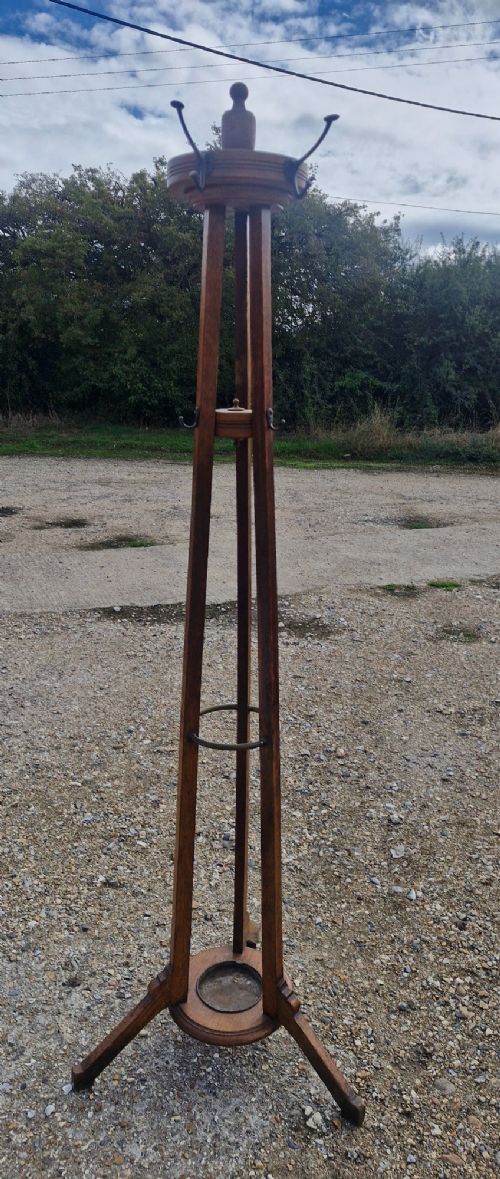
Wooden Coat Rack with Umbrella Stand
A wooden coat rack with umbrella stand is the quintessential piece of hallway furniture, designed to keep hats, coats, and wet umbrellas organised.
Wooden Coat Rack with Umbrella Stand
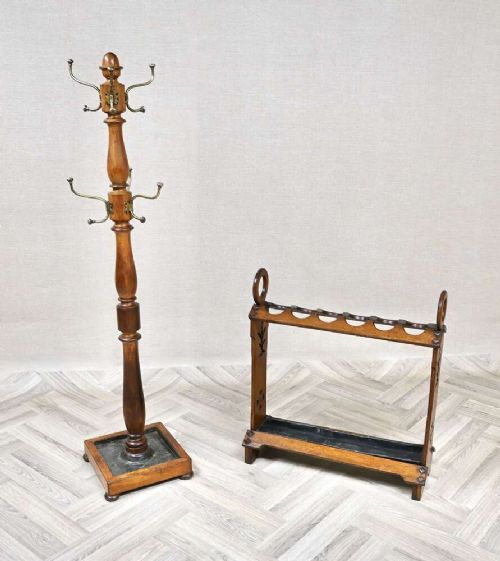
A wooden coat rack with umbrella stand serves as a functional reception piece for entrance halls, combining clothes hooks, hat shelves, and integrated umbrella holders. Buyers searching this phrase will find a variety of forms designed to manage hallway clutter with architectural presence.
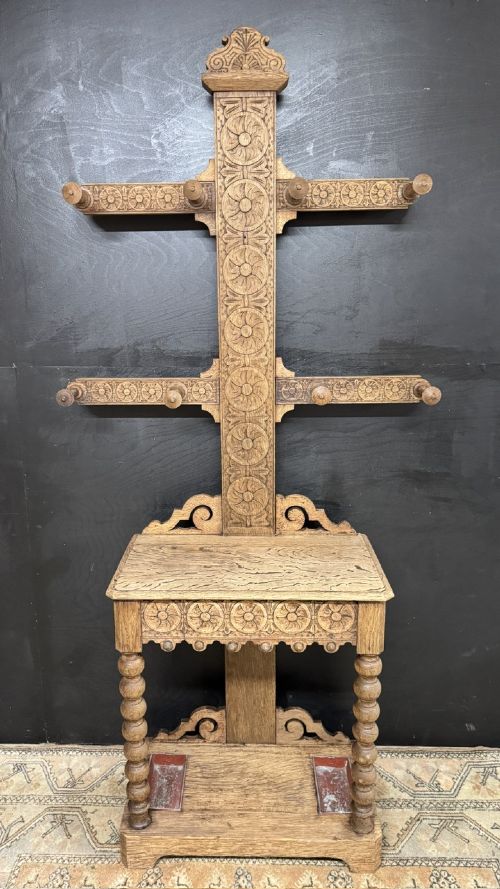
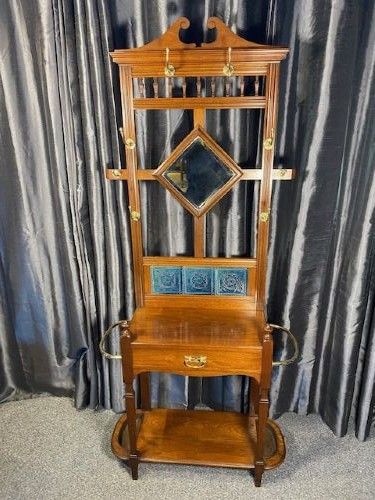
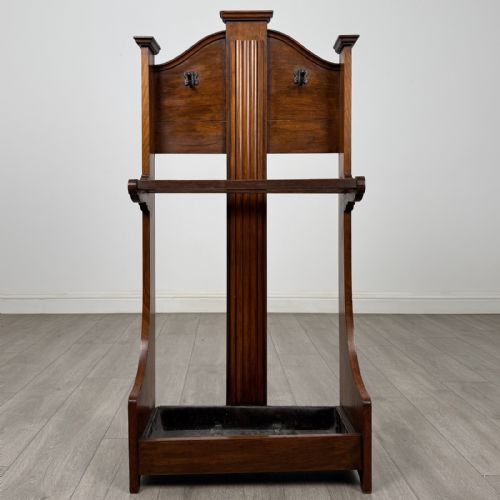
The versions most commonly met on this page date from the Victorian and Edwardian eras, executed predominantly in oak or mahogany. These pieces frequently incorporate practical drip trays for wet umbrellas and sometimes feature central mirrors or small storage compartments.
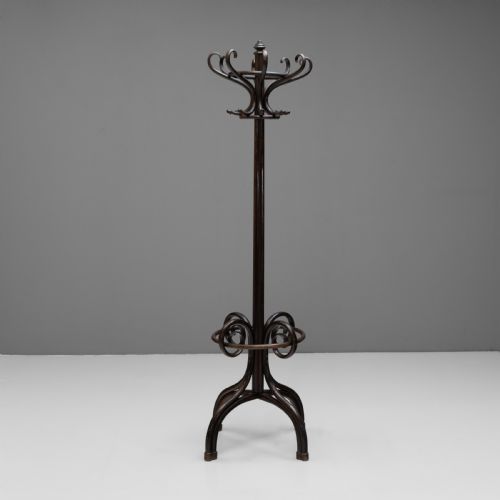
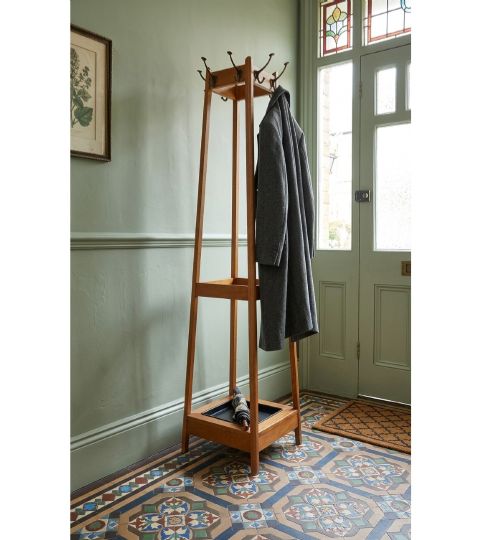
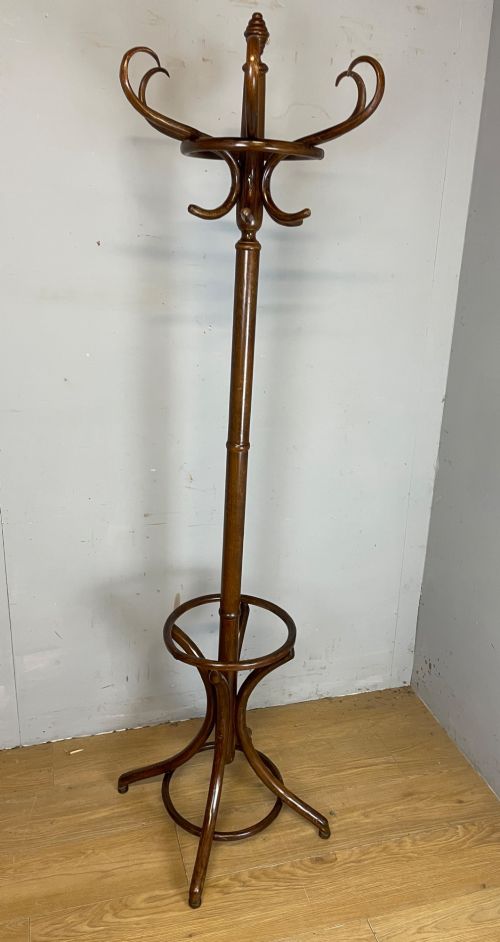
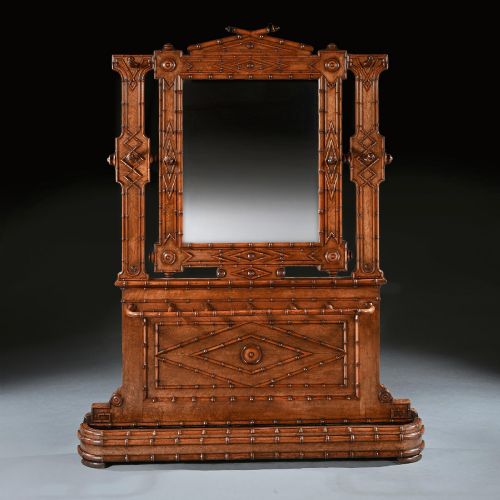
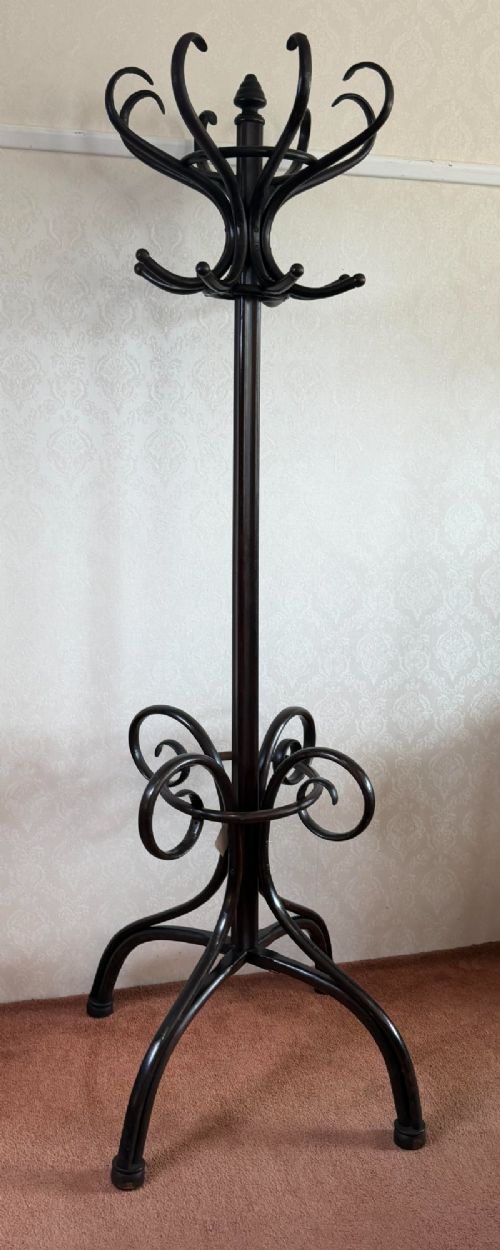
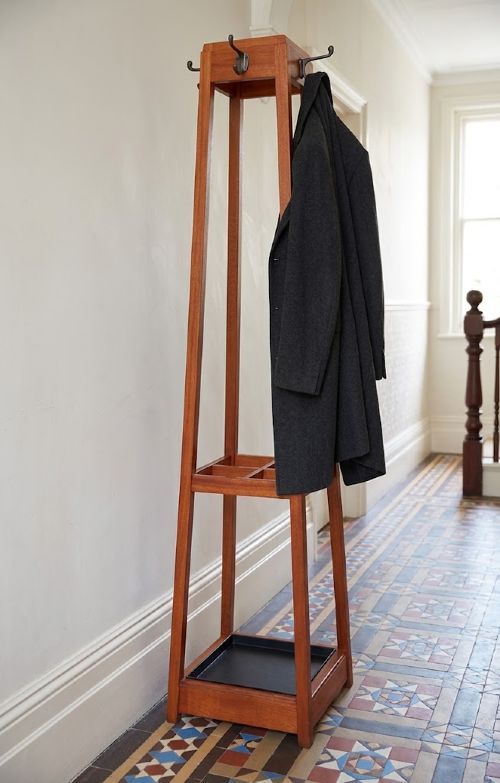
Examples range from robust Arts and Crafts designs to lighter bentwood models and exotic faux bamboo variations. Each piece reflects the domestic requirements of its period, prioritising everyday utility alongside robust timber construction.
How they were made
These stands rely primarily on solid timbers such as oak, mahogany, walnut, and birdseye maple, shaped through traditional joinery and steam-bending techniques. Structural stability is achieved through sturdy uprights and weighted bases designed to withstand heavy coats.
Metal components play a crucial supporting role, with brass and iron utilised for coat hooks, hanging rails, and drip trays. Ceramic tiles and inset mirrors are frequently added to the wooden frameworks to provide decorative contrast and practical reflection in dim hallways.
Wooden Coat Rack with Umbrella Stand Retail Price Guide 2026
Typical asking prices for wooden coat rack with umbrella stand among the pieces listed under this phrase on Sellingantiques today, from the lower quarter to the upper quarter. They describe what is for sale here now, not the wider market.
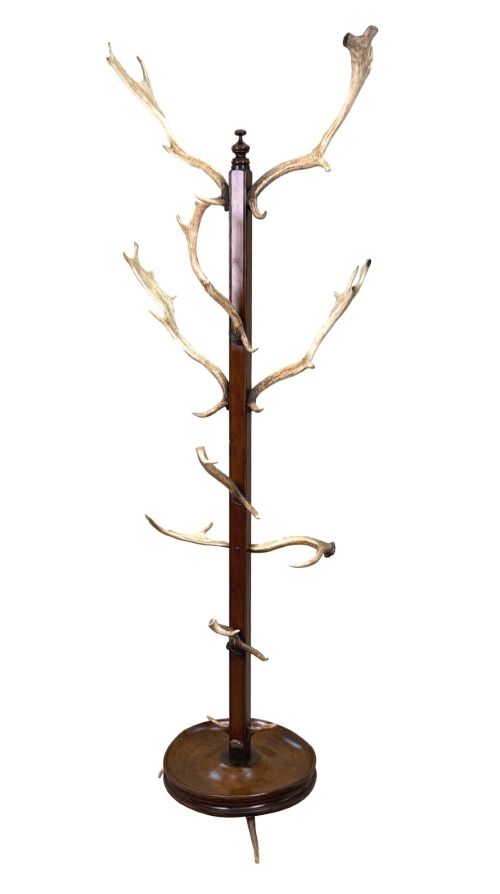
Some nineteenth-century examples incorporate actual cow horns as coat hooks, bringing a distinctly rustic edge to the grand hallway.
What varies in quality
Quality in a wooden coat rack with umbrella stand is determined by the selection of timber and the ambition of the carving or turning. Superior examples display dense, well-figured grain and crisp, hand-carved detailing rather than simple machine moulding.
The integrity of the structural joints and the retention of original hardware, such as brass hooks and zinc or iron drip trays, separate finer pieces from utilitarian survivors. Integrated elements like undamaged bevelled mirrors and decorative ceramic tiles further elevate the standing of a piece.
Thonet·Minton
The Wooden Coat Rack with Umbrella Stand Glossary
- Hallstand
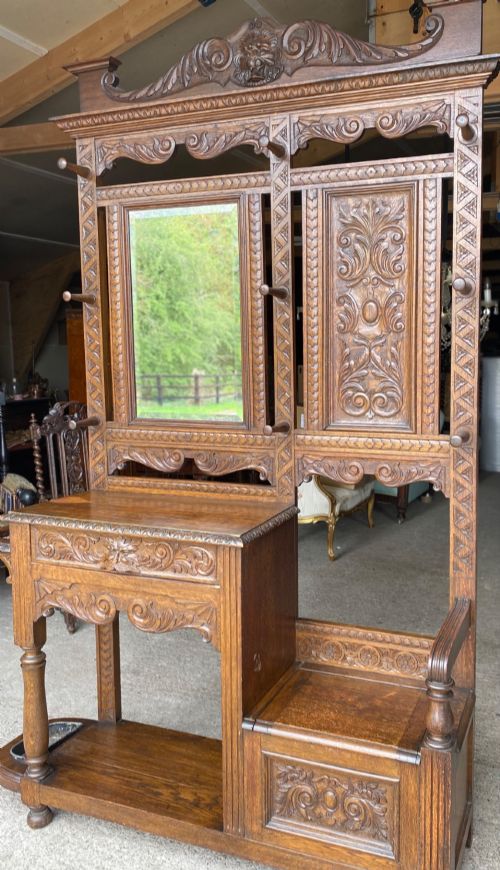
- A substantial piece of entrance furniture combining a coat rack, mirror, umbrella holders, and often a seat or glove box. It anchors the hallway of a period home.
- Drip tray
- A metal tray positioned at the base of the umbrella holder to catch water from wet canopies. It protects the surrounding wooden floorboards from moisture damage.
- Bentwood
- Wood softened by steam and bent into curved structural forms, famously utilised by makers like Thonet. This technique creates lightweight yet strong coat stands.
- Faux bamboo
- Wood carved or painted to imitate the segmented stalks of natural bamboo, popular during the Aesthetic Movement. It brings an exotic, lightweight look to heavy timber furniture.
- Japonisme
- A late nineteenth-century artistic movement heavily influenced by Japanese art and design. It appears in furniture through asymmetrical layouts and bamboo-turned decoration.
Wooden Coat Rack with Umbrella Stand: Frequently Asked Questions
What is a hall stand?
A hall stand is a multi-functional piece of furniture designed for the entrance of a home. It combines coat hooks, a hat shelf, an umbrella holder, and often a mirror or small bench.
These pieces were essential for Victorian and Edwardian households, providing a designated drop zone for outerwear and wet accessories before entering the main living areas.
How do I care for antique oak?
Keep antique oak furniture away from direct heat sources and dramatic humidity fluctuations to prevent the timber from splitting. Regular dusting with a soft cloth and occasional application of appropriate beeswax will maintain the finish.
Ensure that metal drip trays are regularly emptied and dried to prevent rust from staining the surrounding wooden base.
Can these fit in modern hallways?
Many historical hall stands are surprisingly vertical, occupying a relatively small floor footprint while offering considerable storage capacity. They fit well in tall modern hallways that can accommodate their height.
Measure your ceiling height and hallway width carefully before purchasing, as some Victorian and Edwardian examples are exceptionally tall.
How do I spot a Victorian piece?
Victorian hall stands typically feature heavier timbers like oak or mahogany, often decorated with deep carvings, turned columns, and bevelled mirrors. They frequently include cast iron or brass double hooks for heavy garments.
Construction methods such as hand-cut dovetails in small drawers and the use of solid secondary woods help confirm a nineteenth-century origin.