



Wooden Coat and Umbrella Stand
A wooden coat and umbrella stand keeps hallways orderly while anchoring the entrance with period presence and practical storage.
Wooden Coat and Umbrella Stand
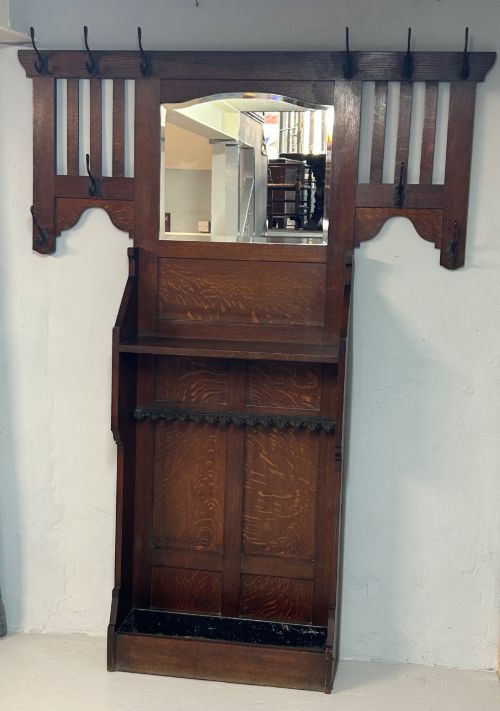
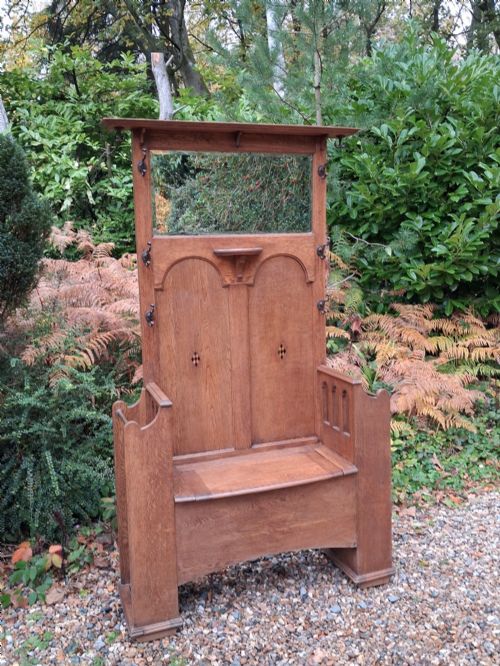
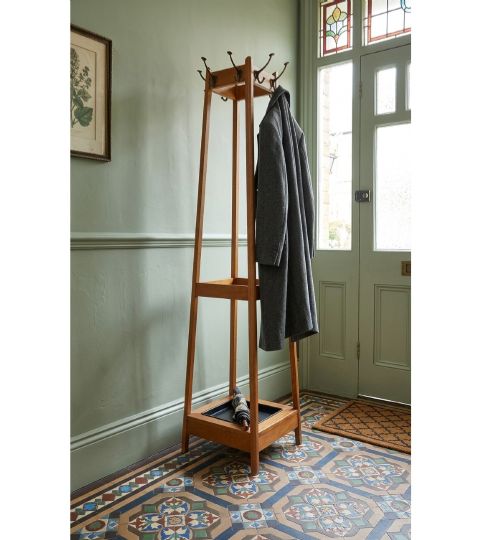
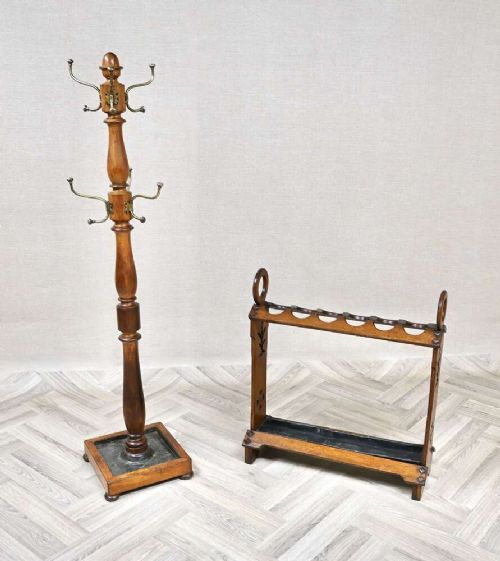
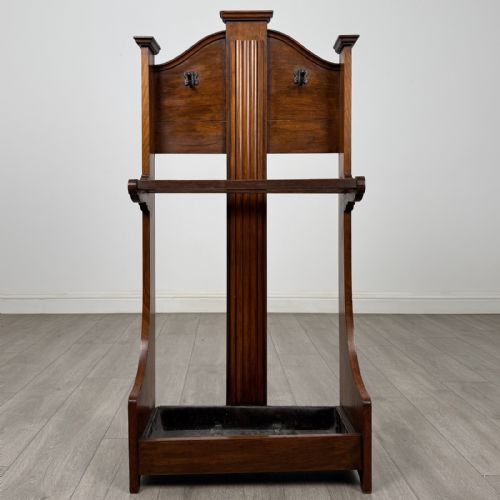
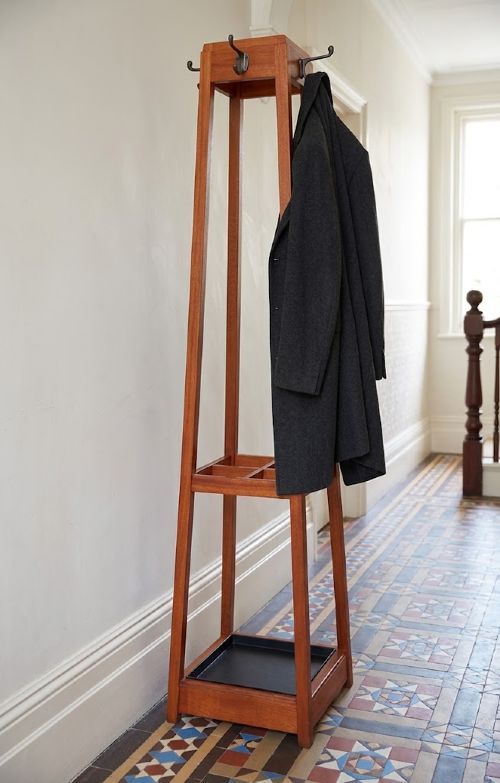
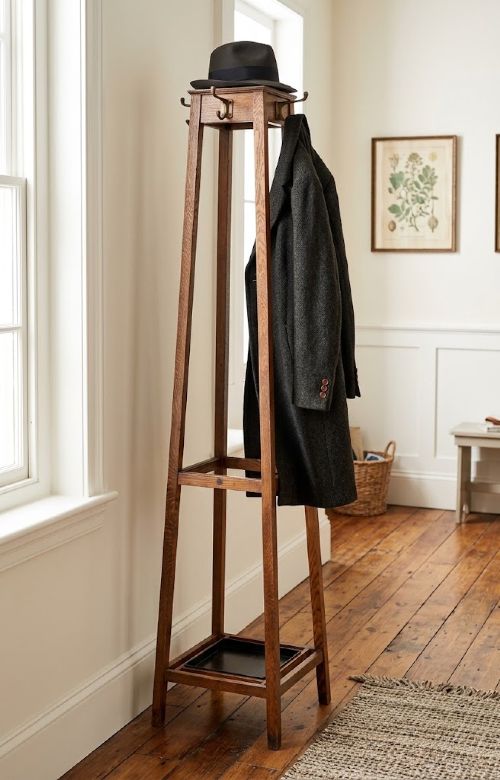
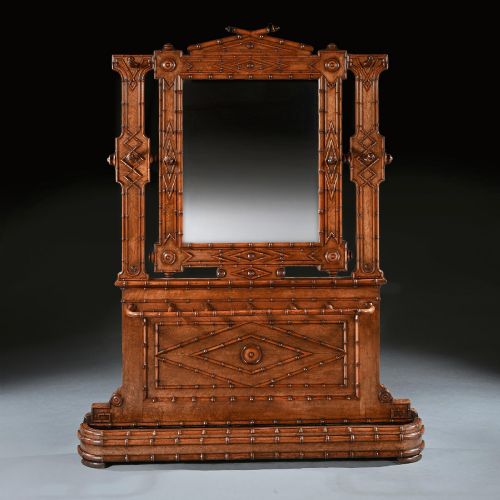
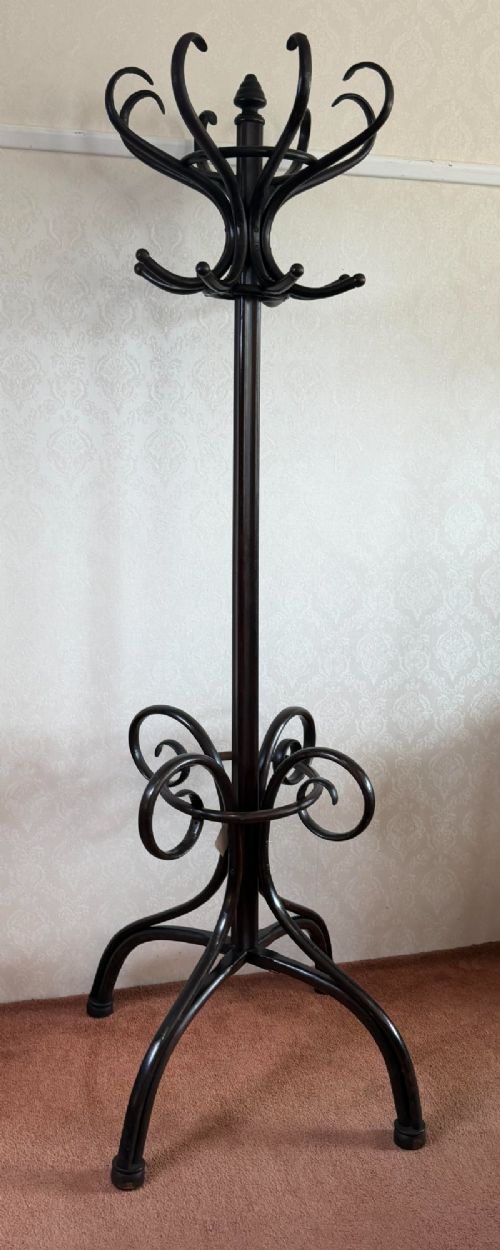
A wooden coat and umbrella stand serves as a traditional hallway fixture designed to hold outerwear, hats, and walking sticks in one central place. When searching for a wooden coat and umbrella stand, you encounter substantial oak hall seats alongside lighter bentwood designs made for narrower corridors.
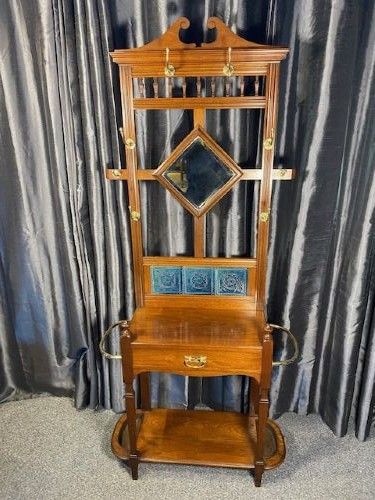
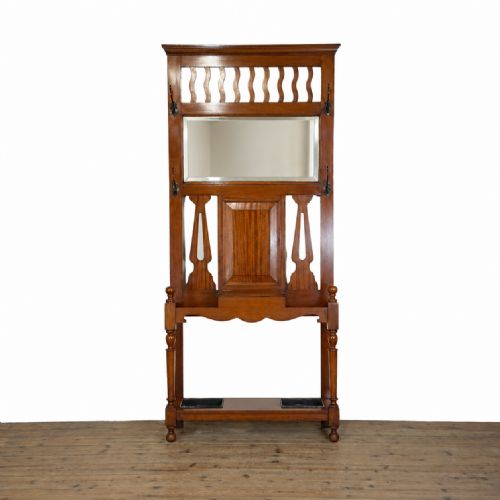
The selection ranges from tall upright umbrella frames to multi-functional hall stands featuring integrated mirrors, small seats, and metal drip trays. Pieces originate primarily from the Victorian and Edwardian eras, stretching through the Arts and Crafts movement into the early twentieth century.
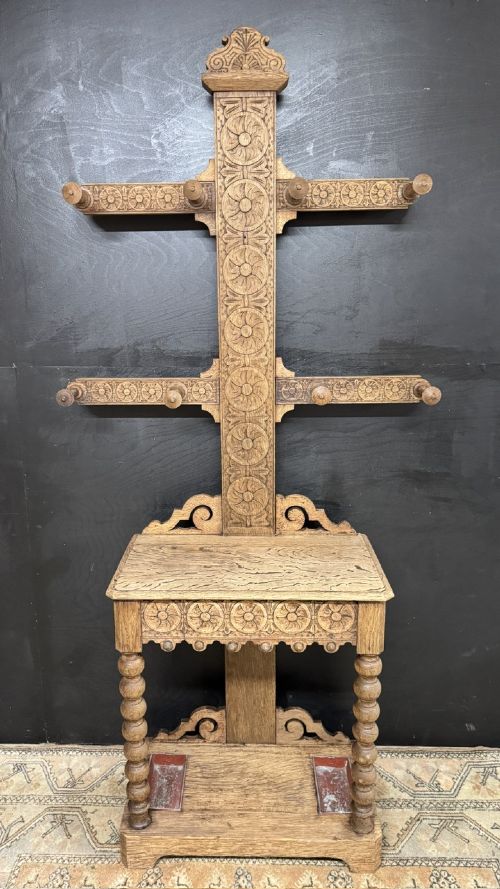
Heavier examples dominate the oak and mahogany categories, offering robust hooks and carved panels, whilst steamed timber versions rely on curved silhouettes to maximise floor space. Each variation reflects the changing demands of domestic entryways across successive decades.
Materials and construction methods
Cabinetmakers utilised solid oak, walnut, and mahogany for architectural hall stands, employing deep carving, paneling, and applied mouldings to create formal entrance furniture. These denser hardwoods support heavy brass coat hooks and hinged seats with internal storage compartments.
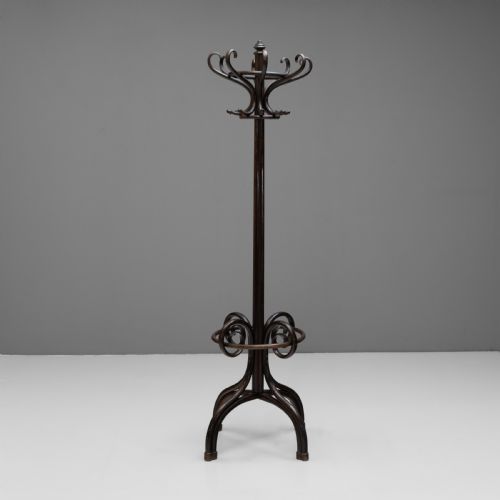
Bentwood examples rely on steam-bent beech or similar pliable timbers, heated and pressed into fluid circular rings and arched uprights. This technique creates lightweight yet resilient frames joined with minimal hardware, frequently associated with Austrian workshops.
Metal components such as cast brass or iron drip trays, hooks, and umbrella rings integrate directly into the timber framework to manage moisture from wet weather gear.
Wooden Coat and Umbrella Stand Retail Price Guide 2026
Typical asking prices for wooden coat and umbrella stand among the pieces listed under this phrase on Sellingantiques today, from the lower quarter to the upper quarter. They describe what is for sale here now, not the wider market.
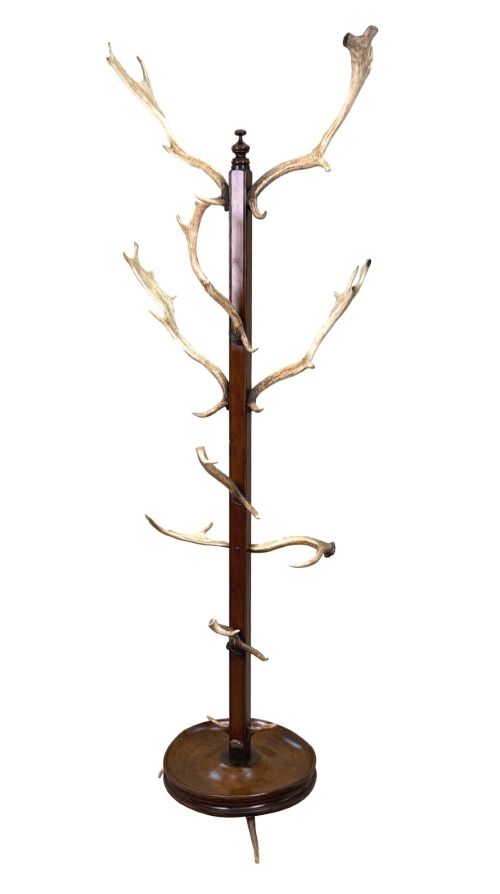
Some nineteenth-century halls featured stands incorporating deer antlers as hat hooks, bringing woodland flora directly into the Victorian vestibule.
Factors influencing quality
Superior examples demonstrate careful selection of timber grain, particularly in figured walnut, quarter-sawn oak, or birdseye maple veneers. The skill of the carver or the precision of the steam-bending process dictates the sculptural grace of the finished frame.
Structural integrity depends on the original joinery and the survival of integrated elements like original brass drip trays, bevelled mirror plates, and matching coat hooks. Pieces that retain their full complement of hardware without replacement parts maintain greater authenticity.
Thonet
The Wooden Coat and Umbrella Stand Glossary
- Bentwood
- Timber shaped through the application of steam and pressure into curved structural components. This technique produced light, durable frames popular for hallway stands.
- Hall Stand
- A multi-functional hallway furniture piece combining coat hooks, a mirror, umbrella storage, and frequently a bench seat. These items served as the initial greeting point in period homes.
- Drip Tray
- A removable metal basin positioned at the base of an umbrella stand to catch moisture from wet sticks and parasols. They protect wooden floors from water damage.
- Japonisme
- A late nineteenth-century artistic style influenced by Japanese art and design. It manifests in clean lines and exotic woods such as birdseye maple.
- Quarter-Sawn
- A method of milling oak that reveals prominent medullary ray flecks across the grain. This cut provides enhanced stability and a decorative surface texture.
Wooden Coat and Umbrella Stand: Frequently Asked Questions
How do I use a hall stand in a modern hallway?
A hall stand provides vertical storage for everyday coats, scarves, and umbrellas without requiring extensive floor space. The integrated hooks and trays manage household clutter immediately upon entering the door.
Many styles include a narrow bench seat and mirror, offering a convenient spot to pause while putting on shoes or checking your appearance before leaving.
What is the difference between bentwood and solid oak stands?
Bentwood stands utilise steam-heated beech shaped into curved, slender frames that feel visually light and occupy minimal floor area. They suit narrow corridors and reflect early twentieth-century design preferences.
Solid oak or mahogany stands are heavier, architectural pieces built with carved panels, storage boxes, and fixed umbrella compartments, suiting more formal entryways.
How do I care for antique wood in an entryway?
Position the stand away from direct heat sources and fluctuating radiators to prevent the timber from splitting or warping over time. Regular dusting with a soft cloth maintains the finish.
Ensure that wet umbrellas are shaken before placing them into the metal drip tray to prevent standing water from coming into direct contact with the wooden base.
How can I date an antique hall stand?
Examine the construction details, hardware types, and prevailing artistic styles visible in the woodwork. Victorian pieces often feature heavy carved mahogany or oak with formal crests.
Edwardian and Arts and Crafts examples introduce simpler linear forms, golden oak finishes, or bentwood construction methods that became widespread towards the turn of the century.