



Wooden Club Chairs
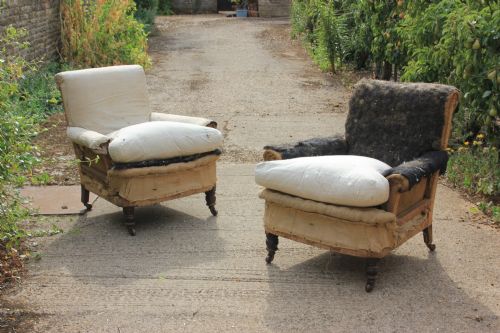
These wooden club chairs bring solid timber frames and deep upholstery together for serious lounging, spanning Victorian periods down to Art Deco designs.
Wooden Club Chairs
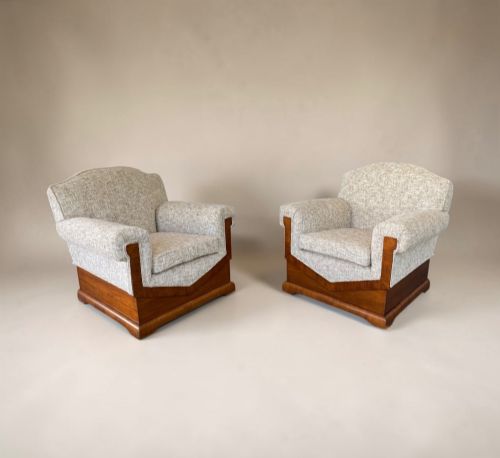
Wooden club chairs comprise heavy, low-slung armchairs built for comfort, frequently appearing here as deep-seated Edwardian pieces or generous Victorian library chairs. You encounter styles ranging from English Country House and Gothic Revival to sleek 1930s Art Deco lounge chairs.
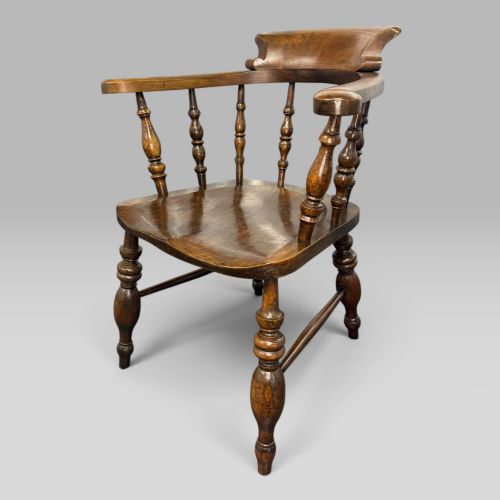
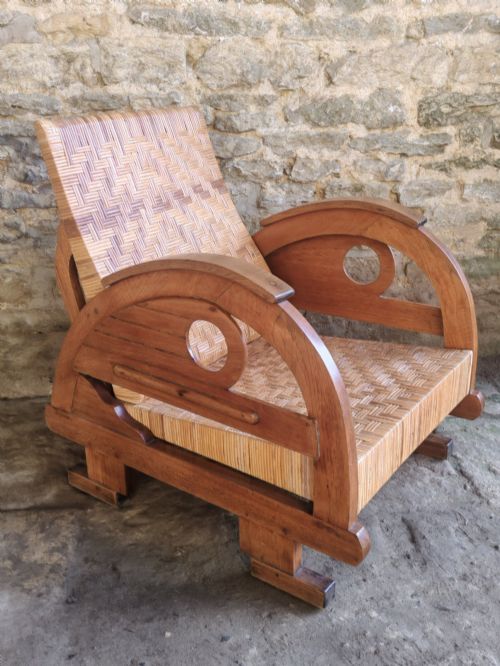
The selection includes specific forms like smokers bows, captain chairs, and bergere library armchairs alongside large club chairs and garden chairs. These seats combine sturdy timber construction with upholstered pads, leather, rattan, or velvet.
Originating across the nineteenth and twentieth centuries, these seating options offer sturdy frames in oak, mahogany, walnut, teak, ash, and elm. Buyers find everything from low vintage armchairs to reclining designs built for leisurely sitting.
How they were made
Maker construction relies on robust hardwoods such as oak, mahogany, walnut, teak, elm, and ash to build durable frames capable of supporting deep seating. Artisans shape these timbers into sturdy armchairs, captain chairs, and curved spoon back frames.
Upholstery and surface detailing incorporate leather, velvet, brass accents, and woven rattan panels. Wood surfaces receive traditional polish or retain natural grains, while frames utilise joined wooden components typical of English traditional and arts and crafts cabinetmaking.
Wooden Club Chairs Retail Price Guide 2026
Typical asking prices for wooden club chairs among the pieces listed under this phrase on Sellingantiques today, from the lower quarter to the upper quarter. They describe what is for sale here now, not the wider market.
Listings feature woods including mahogany, oak, walnut, teak, ash, and elm paired with leather, velvet, brass, and rattan.
What varies in quality
Quality rests in the integrity of the timber frame, the depth and resilience of the seat construction, and the harmony of the upholstery materials. Pieces featuring solid walnut, mahogany, or oak frames display superior structural longevity compared to lighter builds.
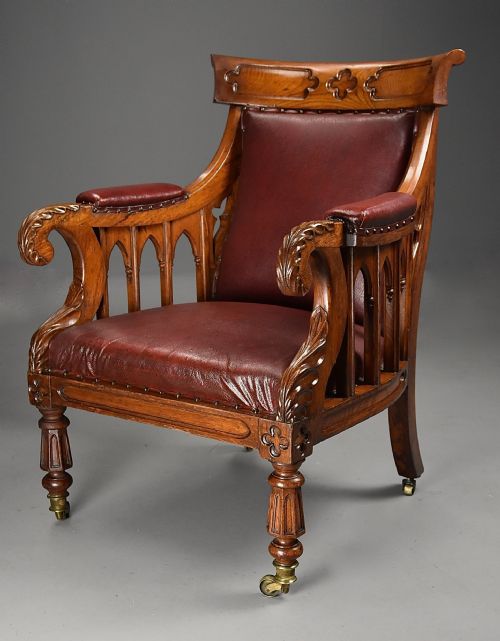
The sophistication of the stylistic execution distinguishes standard seating from finer examples, such as carved Gothic revival details or balanced bergere library frames. Original leather or well-matched textile upholstery further elevates the standing of individual lounge chairs.
The Wooden Club Chairs Glossary
- Bergere
- A wooden-framed armchair with woven cane or rattan panels on the back and sides. This French-inspired form appeared frequently in library and drawing room settings.
- Smokers Bow
- A sturdy wooden armchair with a rounded back rail supported by turned spindles, originating as a tavern or office seat. These low-backed chairs utilise robust elm and ash construction.
- Spoon Back
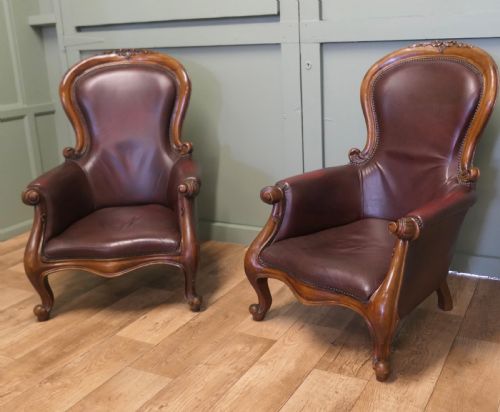
- An upholstered chair back shaped to resemble the hollow of a spoon, providing ergonomic support for the sitter. This profile is characteristic of Victorian seating design.
- Gothic Revival
- An architectural and decorative style drawing on medieval ecclesiastical motifs. Pieces display pointed arches, heavy oak timbers, and elaborate carved details.
- Art Deco
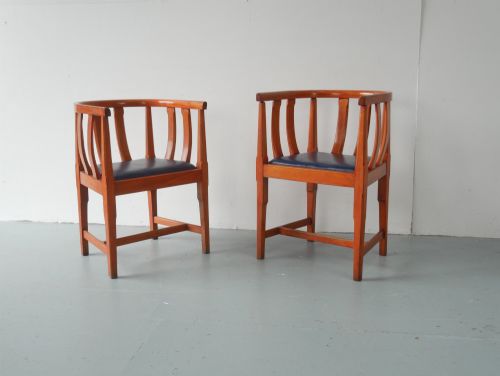
- A design movement favouring streamlined geometric forms, smooth surfaces, and modern luxury. Chairs from this period often present bold silhouettes and low profiles.
Wooden Club Chairs: Frequently Asked Questions
What defines a wooden club chair?
These pieces combine sturdy timber frames with deep, comfortable seating designed for relaxation. They appear in styles ranging from Victorian library chairs to Art Deco lounge chairs.
Makers utilise materials like oak, walnut, mahogany, leather, and velvet to construct robust armchairs suited for daily use.
How do I identify a Victorian armchair?
Victorian examples often feature exposed dark woods like mahogany or walnut, paired with sprung upholstery and distinctive shapes like spoon backs. Heavy turned legs and substantial proportions are typical.
Many incorporate durable secondary timbers like beech and elm, reflecting nineteenth-century English workshop practices.
Where were club chairs placed?
These armchairs traditionally furnished libraries, studies, and drawing rooms where comfortable seating was paramount. Generous proportions made them ideal for extended reading or conversation.
Later Edwardian and Art Deco variants transitioned into general living spaces and dedicated lounge areas.
What is a smokers bow chair?
A smokers bow is a sturdy wooden armchair featuring a continuous curved back rail and turned spindles. These chairs were common in traditional English pubs and smoking rooms.
They rely on robust elm, ash, and beech woods to withstand heavy commercial and domestic use.
How do Edwardian chairs differ?
Edwardian seating tends toward lighter proportions and increased focus on comfort, sometimes including reclining mechanisms or deep padding. Woods like teak and walnut appear frequently in these designs.
Maker influence from this period borrows heavily from traditional English craftsmanship and contemporary arts and crafts ideals.