



Wooden Children Rocking Chair
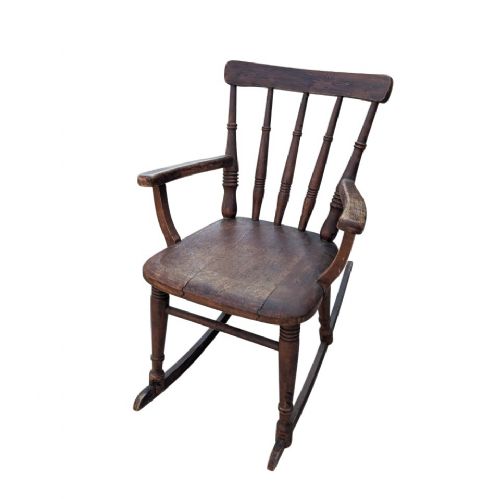
These wooden children rocking chair examples are small vernacular seats designed for the nursery, offering charming craftsmanship from past centuries.
Wooden Children Rocking Chair
When you search for a wooden children rocking chair, you uncover small scale seating produced in domestic workshops across the eighteenth and nineteenth centuries. These pieces were built for the nursery or parlor, giving young children a safe and comfortable place to sit near the hearth.
The versions you are most likely to meet on this page span the Georgian, Victorian, and Edwardian eras, often reflecting regional country tastes rather than formal court styles. Forms range from simple spindle backs to miniature Windsor chairs and specialised potty rockers.
Makers drew on local timber supplies, producing sturdy chairs that survive through generations of family use. Their modest proportions and gentle rocking curves make them delightful items for both decorative display and practical use in a modern home.
How they were made
Traditional makers built these chairs using solid native timbers such as elm, beech, ash, and oak, frequently combining woods within a single frame for structural strength. Seats were often carved from solid elm or fitted with woven rush, while specific examples incorporated mahogany or fruitwood for a finer finish.
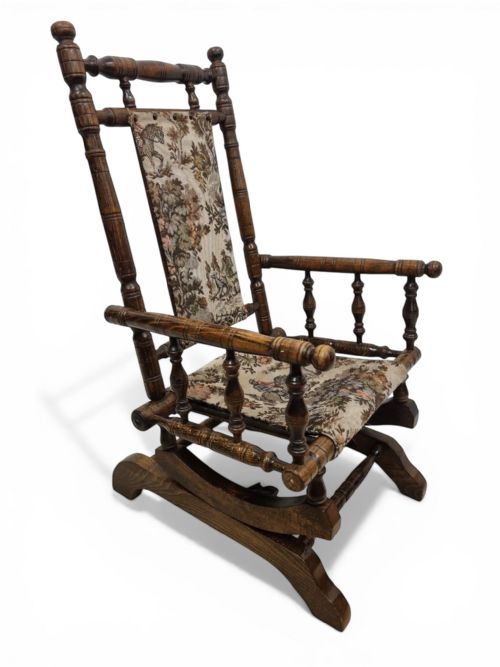
Construction relied on traditional joinery techniques including turned spindles, pegged mortise and tenon joints, and steam-bent components for the rocking rails and armrests. Certain pieces featured simple upholstery like tapestry textiles secured over padding, adding comfort to the rigid wooden frames.
Wooden Children Rocking Chair Retail Price Guide 2026
Typical asking prices for wooden children rocking chair among the pieces listed under this phrase on Sellingantiques today, from the lower quarter to the upper quarter. They describe what is for sale here now, not the wider market.
What varies in quality
The distinction between standard examples and superior pieces rests on the choice of timber and the sophistication of the turning work. Chairs featuring well-figured elm seats and elegant spindle backs demonstrate greater care by the village carpenter or cabinetmaker.
Proportion and original surface patination also define the better specimens, where the wood has aged gracefully without excessive replacement parts. Simpler utility chairs remain charming, but those retaining their original rockers and structural integrity command closer attention from collectors.
The Wooden Children Rocking Chair Glossary
- Windsor chair
- A chair built with a solid wooden seat into which the legs and back spindles are directly inserted. This construction method provides notable strength and rigidity.
- Spindle back
- A chair back composed of vertical turned wooden rods. These slender members support the sitter while keeping the furniture light.
- Potty rocker
- A specialised nursery chair featuring a perforated seat designed to hold a chamber pot beneath. These utilitarian pieces combined seating with toilet training.
- Vernacular
- Everyday objects made by local craftspeople for regional use rather than high-style items from urban workshops. These pieces reflect practical domestic needs.
- Patina
- The surface sheen and colour developed by wood over decades of handling, cleaning, and exposure to light. It serves as an indicator of age and authenticity.
Wooden Children Rocking Chair: Frequently Asked Questions
Were these chairs actually used by children?
Yes, these small seats were made specifically for toddlers and young children in domestic settings. They provided a secure, low seat near the warmth of the fire during cooler months.
Over generations, many such chairs survived as cherished family items rather than mere toys, often passing down through multiple branches of a family.
How do I date a wooden children rocking chair?
Dating relies on examining the timber species, construction methods, and tool marks visible on the underside of the seat. Georgian examples often show hand-turned components and pegged joints.
Later Victorian and Edwardian pieces may display machine-turned spindles and standardised fixings, helping to narrow the period of manufacture.
Can children actually use these antique chairs today?
While many of these chairs remain structurally sound, their primary value today is often decorative or historical. The dry timbers and older joinery can be fragile under robust modern play.
Collectors generally prefer to place them in quiet corners of a room or use them to display dolls and teddy bears.
What woods were commonly used for these chairs?
Country makers utilised whatever durable hardwoods grew locally, most frequently elm, beech, ash, and oak. Elm was especially favored for seats because its interlocking grain resisted splitting.
More formal urban pieces occasionally turned to mahogany or fruitwood to match the broader drawing room furniture of the period.