


Wooden Chest Lock
A wooden chest lock secures antique receptacles ranging from robust oak coffers to refined tea caddies.
Wooden Chest Lock
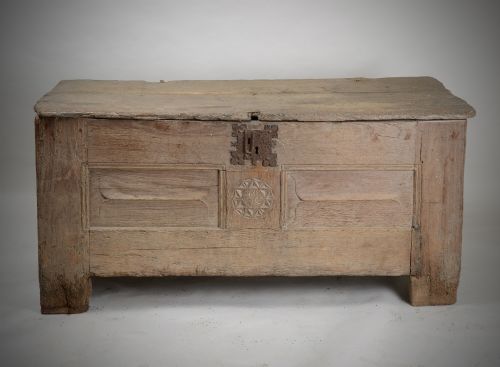
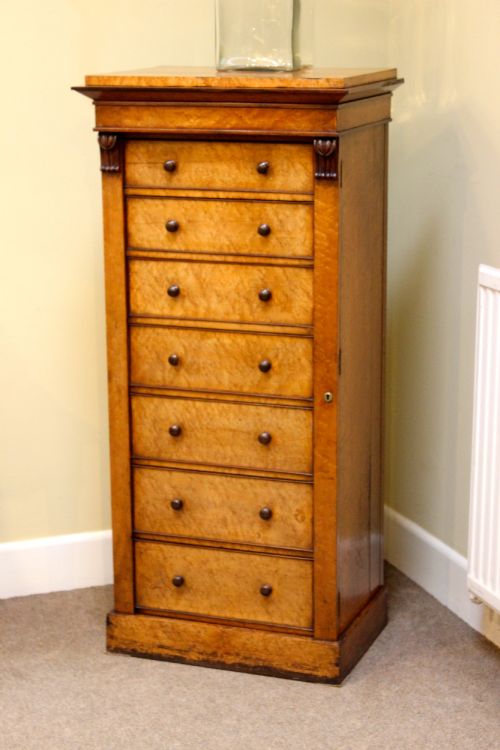
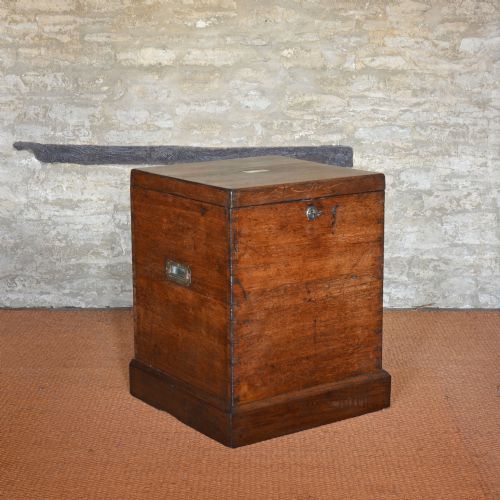
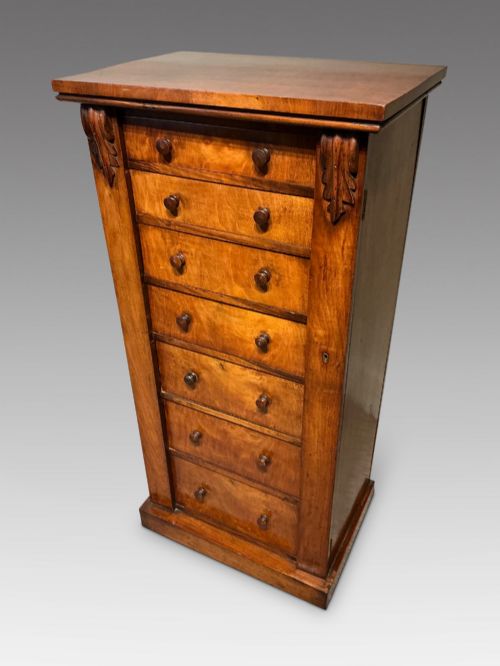
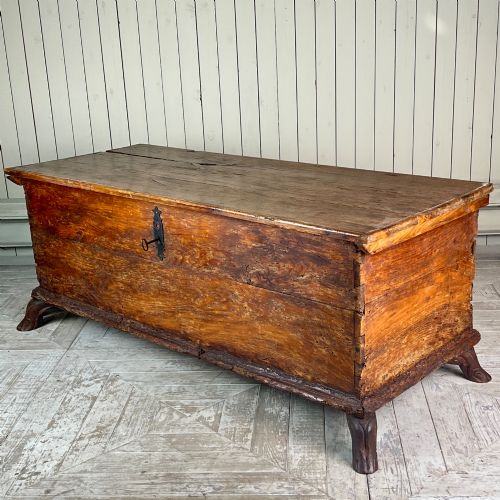
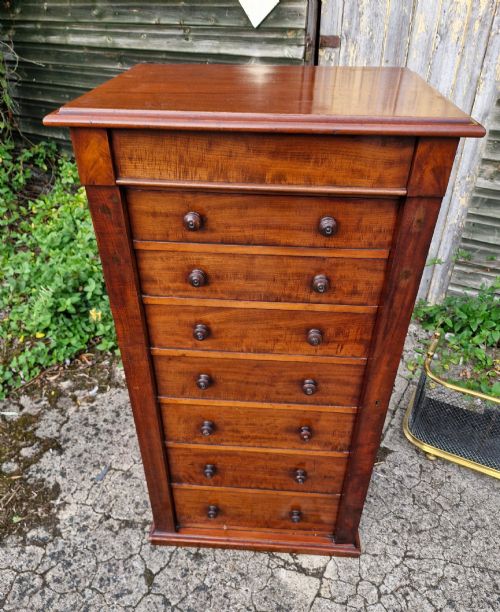
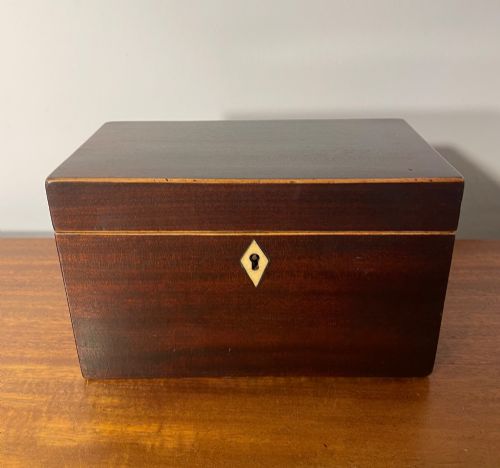
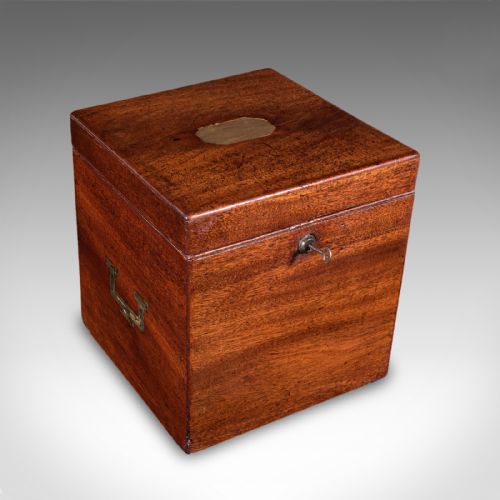
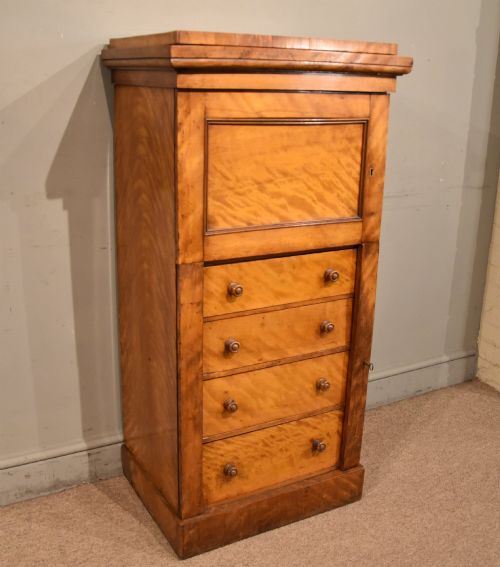
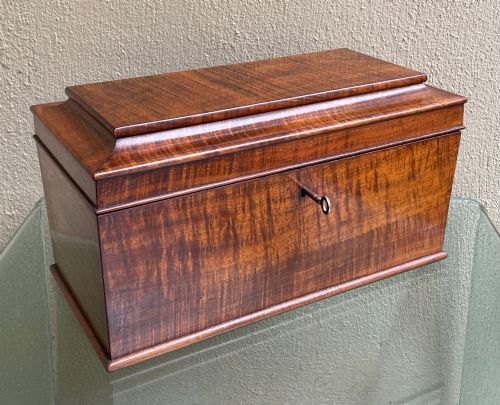
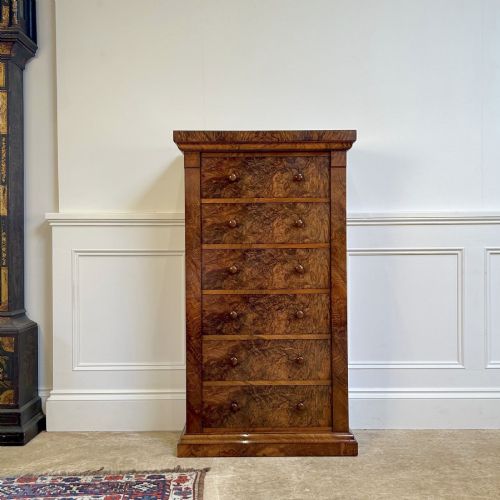
When you search for a wooden chest lock, you encounter hardware integrated into period boxes, tea caddies, coffers and Wellington chests. These mechanisms protect valuables inside vessels fashioned from timbers such as mahogany, oak, burr walnut and rosewood.
The pieces appearing on this page span the seventeenth, eighteenth and nineteenth centuries, including Georgian, Victorian and Edwardian examples. You frequently meet locking mechanisms on tall Wellington chests of drawers and storage boxes fitted with brass or iron hardware.
How they were made
Cabinet makers utilised dense hardwoods like mahogany, oak and walnut to build the primary structures of these boxes and chests. Iron and brass components formed the functional locking mechanisms, countersunk into the timber or secured with decorative metal bands.
Surfaces received polished finishes to highlight the natural grain of the wood, particularly in burr walnut and rosewood iterations. Joinery techniques varied from early peg-jointed panels on seventeenth century coffers to precise dovetailing on later nineteenth century drawers.
Wooden Chest Lock Retail Price Guide 2026
Typical asking prices for wooden chest lock among the pieces listed under this phrase on Sellingantiques today, from the lower quarter to the upper quarter. They describe what is for sale here now, not the wider market.
Some nineteenth century gentlemen stored their smoking accessories under lock and key in dedicated cigar cabinets.
What varies in quality
Quality depends upon the precision of the joinery and the integrity of the locking mechanism itself. Superior examples retain original working keys and complex brass locks that operate smoothly within the timber housing.
The selection of timber grain defines the visual tier of the piece, with book-matched burr walnut or figured mahogany sitting above plain domestic woods. Finer iterations display meticulous attention to interior fittings, secret drawers and secondary cabinet work.
Gillows
The Wooden Chest Lock Glossary
- Wellington chest
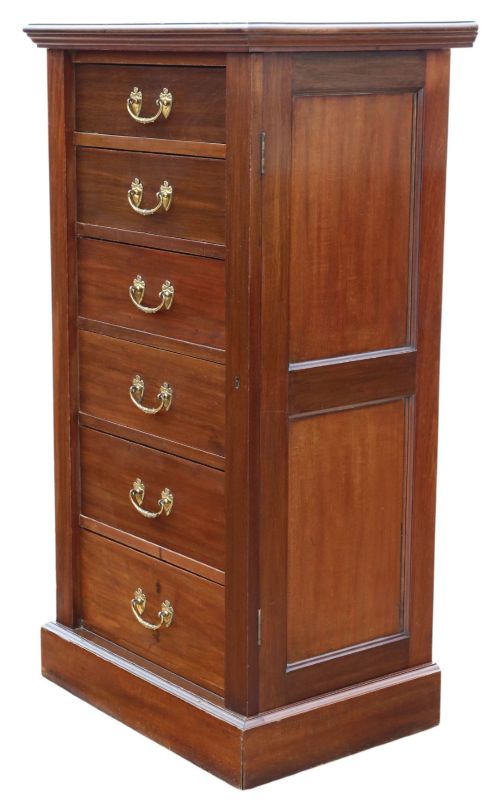
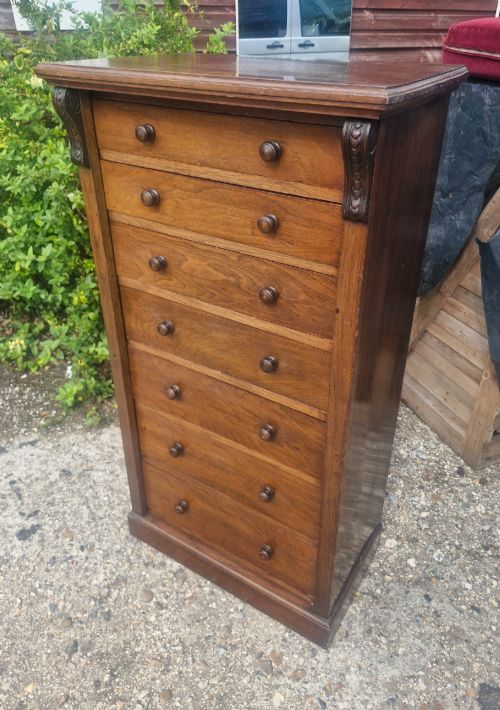
- A tall, narrow chest of drawers secured by a lockingstile on the right-hand side that fastens all drawers simultaneously.
- Tea caddy
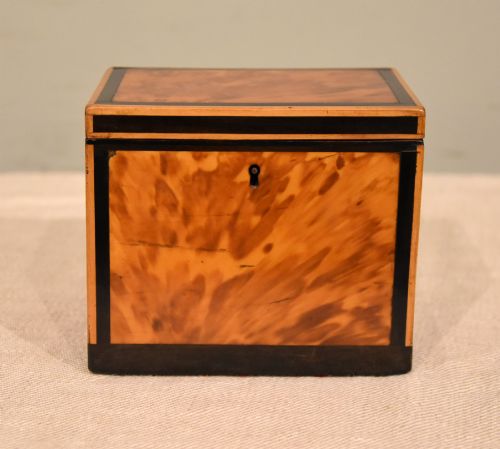
- A small storage box designed for holding loose tea leaves, frequently featuring internal compartments and a central lock.
- Coffer
- A heavy wooden chest, often dating from the seventeenth century or earlier, used for domestic storage and secured with iron bands.
- Tantalus
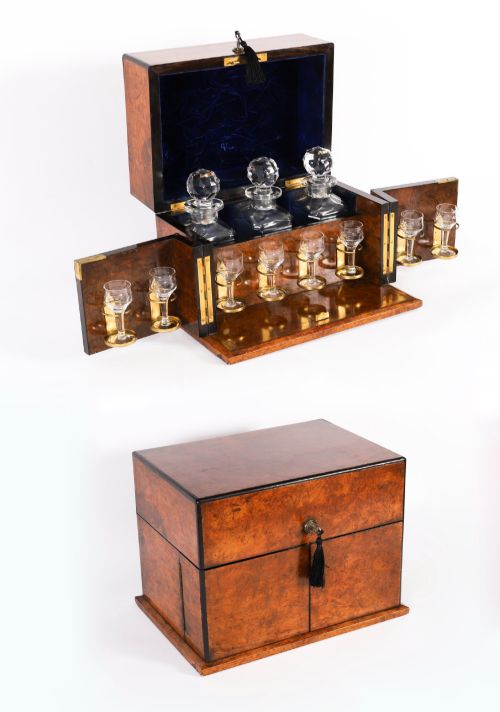
- A locking beverage stand that displays decanters behind a wooden frame to prevent unauthorized access to the contents.
- Secret drawer
- A concealed compartment built into a box or chest, accessed through hidden releases or intricate panel movements.
Wooden Chest Lock: Frequently Asked Questions
What is a Wellington chest?
A Wellington chest is a tall, narrow set of drawers characterised by a hinged locking bar on the side. This bar secures every drawer in place with a single key.
Cabinet makers developed this format during the nineteenth century to keep valuable papers and personal items secure in domestic chambers.
How do I secure an antique lock?
Most period locks operate with barrel keys that engage internal levers or ward plates within the brass housing. Original keys remain functional if the mechanism is clean and aligned properly.
Professional locksmiths can cut replacement keys by reading the interior wards without altering the original brass faceplate.
What timber was used for tea caddies?
Makers selected decorative hardwoods such as mahogany, burr walnut, rosewood and tortoiseshell veneer for tea caddies. These luxury materials reflected the high cost of tea during the Georgian and Victorian periods.
Internal compartments often utilised secondary softwoods or scented timbers like cedar to protect the stored leaves.
How do I date an oak coffer?
You date an oak coffer by examining the joinery, hinge types and panel construction methods. Seventeenth century examples typically feature hand-rived panels, pegged frame construction and forged iron strap hinges.
Tool marks and the presence of hand-cut mouldings provide further evidence of the period in which the carpenter worked.