


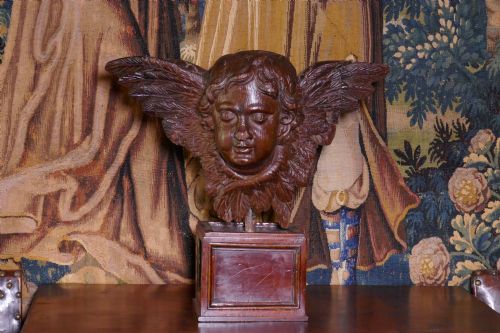


Wooden Cherub Heads
Wooden cherub heads are carved sculptural pieces of ecclesiastical and architectural salvage that bring distinct historical presence to any interior.
Wooden Cherub Heads
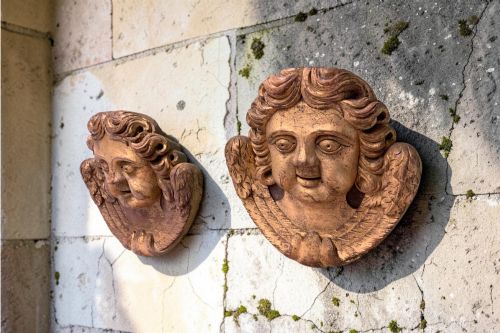
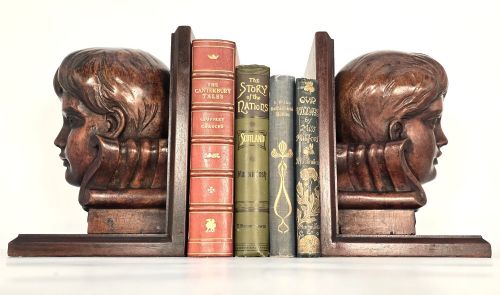
Wooden cherub heads encompass sculptural fragments, putti statues, architectural salvage, and wall panels originating from church and domestic settings across Europe. When searching for wooden cherub heads, a buyer encounters everything from single baroque oak carvings to paired French church panels and library bookends.
The pieces on this page span the seventeenth, eighteenth, and nineteenth centuries, reflecting diverse regional aesthetics including Italian baroque, French ecclesiastical, and Victorian gothic revival styles. Most examples take the form of wall-mounted carvings, architectural brackets, or freestanding putti heads.
Meticulous hand-carving defines these items, with makers rendering expressive faces framed by stylised wings. Surviving pieces frequently show their original function as church furnishings, altar fragments, or architectural ornaments adapted over time into decorative objects.
How they were made
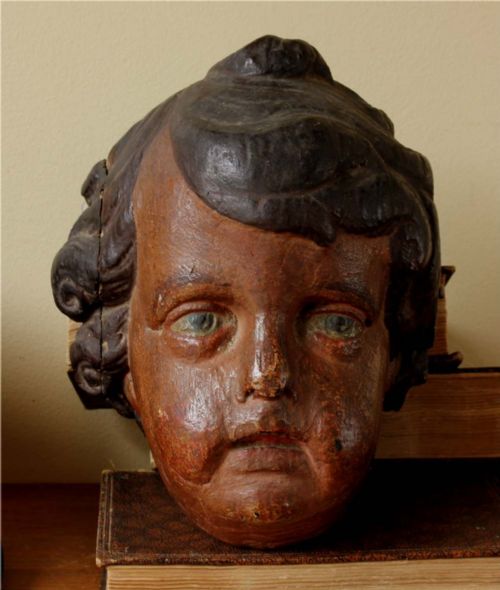
Artisans carved these cherub heads from dense hardwoods such as oak, mahogany, boxwood, and walnut using specialist gouges and chisels to achieve deep, three-dimensional relief. The selection of timber determined the crispness of the carving, with fine-grained woods allowing for intricate facial expressions and feather details on the wings.
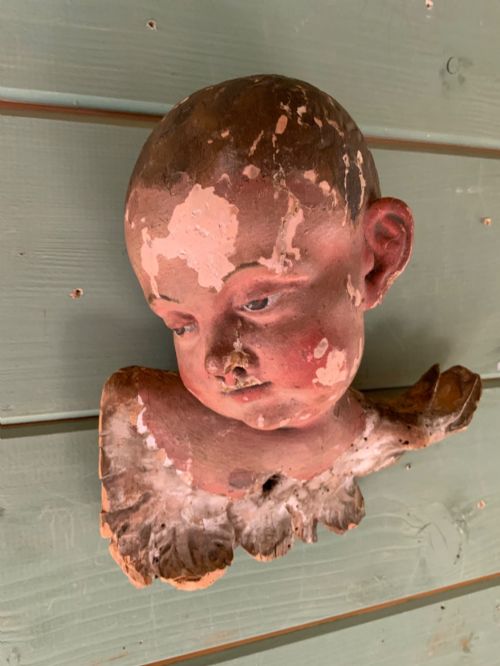
Many surfaces received preparatory layers of gesso before being finished with polychrome pigments or applied gold leaf to create rich, light-reflecting decorations for dim ecclesiastical interiors. Other pieces rely on the natural warmth and grain of polished oak or mahogany, sometimes enhanced by hand-rubbed wax to develop a deep patina.
Wooden Cherub Heads Retail Price Guide 2026
Typical asking prices for wooden cherub heads among the pieces listed under this phrase on Sellingantiques today, from the lower quarter to the upper quarter. They describe what is for sale here now, not the wider market.
Object types range from architectural salvage and wall brackets to library bookends and converted brooches.
What varies in quality
The skill of the carver dictates the sculptural merit of each cherub, separating stiff, rudimentary forms from pieces with anatomical nuance, lively expression, and dynamic wing placement. Superior examples display confident handling of hair, facial planes, and the transition between flesh and feather.
Surface preservation significantly influences the character of a piece, distinguishing items retaining original polychrome and gold leaf from those stripped or heavily overpainted in later centuries. The integrity of the timber and the depth of the surviving patina also mark the distinction between exceptional antique survivals and lesser examples.
Steiner
The Wooden Cherub Heads Glossary
- Putto
- A figure of a human baby, frequently winged, depicted in classical and religious art. These representations form the basis for the cherub carvings found on this page.
- Gesso
- A plaster-like mixture applied to wood as a smooth base for paint or gold leaf gilding. This technique was widely utilised in church furnishings to enhance visual splendour.
- Polychrome
- The practice of decorating architectural woodwork in multiple colours. Surviving pigment adds considerable historical value to antique religious carvings.
- Giltwood
- Timber that has been coated with thin gold leaf. This finish catches candlelight in ecclesiastical settings and creates a luminous effect.
- Ecclesiastical
- Relating to the Christian church and its administration or architecture. Many items originate from religious buildings and chapel furnishings.
Wooden Cherub Heads: Frequently Asked Questions
How do I date a wooden cherub head?
Dating relies on examining the tool marks left by the carver, the species of timber used, and the style of the carving. Seventeenth and eighteenth-century pieces typically exhibit baroque asymmetries and heavier oak construction, whereas nineteenth-century revivals often utilise mahogany or boxwood with machine-assisted preparation.
Surface finishes also provide chronological clues. Traces of original gesso, early polychrome paint, or hand-applied gold leaf correspond to specific historical periods of church decoration.
How do I live with wooden cherub heads?
These sculptures suit placement on mantelpieces, bookshelves, or mounted directly onto walls as focal points within a room. Pairing them with contemporary art or neutral backgrounds highlights their rich texture and historical depth.
Protect the timber by keeping pieces away from direct heat sources and strong sunlight, which can dry out the wood and destabilise historic gesso or paint layers.
What is the difference between French and Italian carvings?
Italian baroque carvings generally display theatrical emotion, deep undercut relief, and dynamic movement inspired by classical sculptural traditions. The focus rests on dramatic facial expressions and naturalistic human proportions.
French ecclesiastical pieces, particularly from chateaus and regional churches, often lean towards refined elegance and decorative symmetry. They frequently incorporate delicate polychrome finishes or sophisticated gilding techniques.