
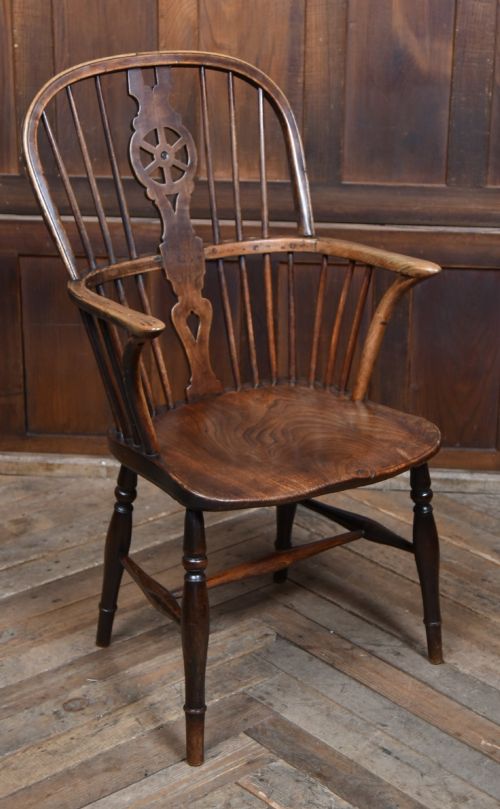
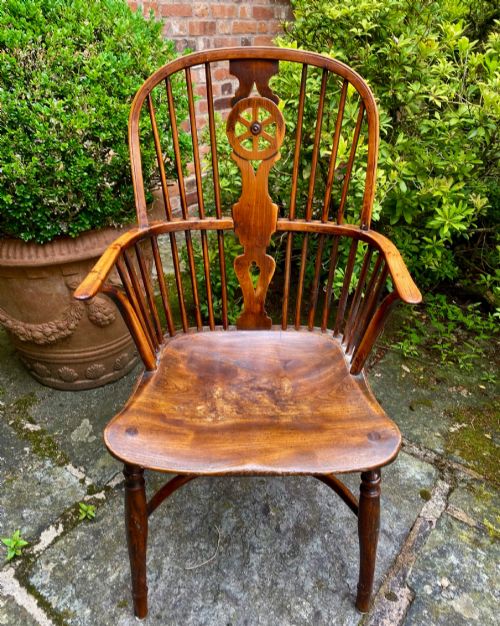


Wooden Chair on Wheels
These wooden chair on wheels designs combine solid timber construction with mobility, offering both practical seating and traditional character.
Wooden Chair on Wheels
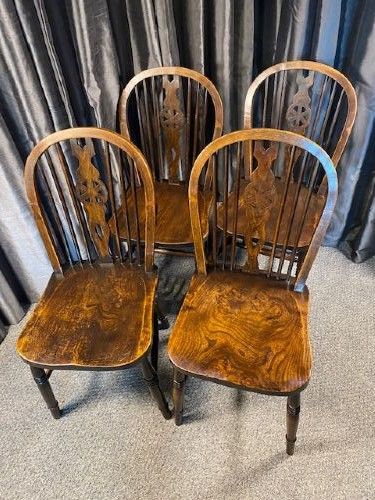
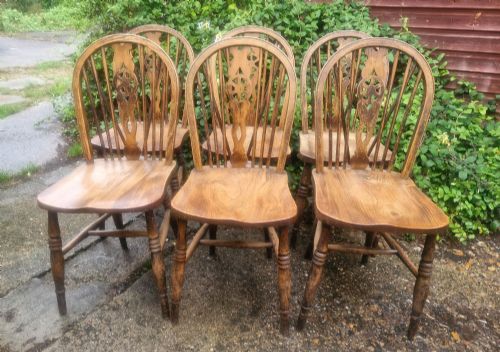
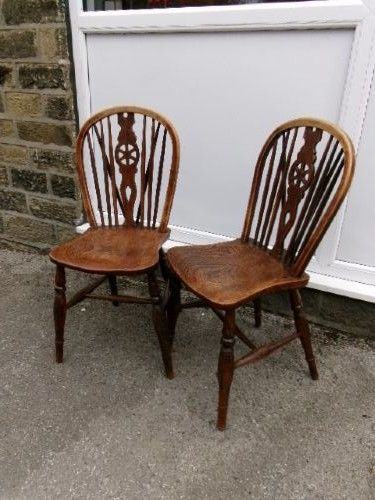
A wooden chair on wheels is a functional seating form found in various period styles, most commonly represented here by Windsor wheelback armchairs and dining chairs in elm, beech, and yew. These pieces bridge the gap between traditional vernacular woodwork and mobile convenience, often appearing as kitchen dining chairs, office desk chairs, and spinning chairs.
The selection ranges from Georgian examples and 19th-century workshop creations to Edwardian and later 1930s office seating. Buyers encounter sets of dining chairs alongside single armchairs, highchairs, and revolving desk chairs mounted on iron castors.
Origins span English country traditions, Thames Valley workshops, Scandinavian country pieces, and continental folk art. The recurring wheelback motif defines the visual identity of the majority of these mobile wooden seats.
How they were made
Makers utilised native timbers such as elm for solid seats, beech for turned spindles, and yew for rich grain and strength, combining these with ash and oak where required. Individual components were shaped using traditional turning and carving techniques before being assembled into rigid frames.
Metal iron fittings were integrated to accommodate the wheels or castors, allowing heavy wooden armchairs and office chairs to glide across floors. Painted finishes also appear on continental pieces, contrasting with the waxed and polished grain of English country examples.
The furniture forms range from rustic farmhouse dining chairs and revolving office desks to child highchairs and spinning stools.
What varies in quality
Quality rests in the choice of timber and the depth of figure in woods like yew and elm, alongside the crispness of the turned spindles and carved wheel motifs. Superior examples display harmonious grain matching across sets and robust, seamless joinery that has survived centuries of movement on castors.
The sophistication of the original wheel mechanism and the retention of matching iron castors distinguish finer workshop pieces from standard utility seating. Age and regional provenance also influence the standing of each chair within the broader tradition.
The Wooden Chair on Wheels Glossary
- Wheelback
- A Windsor chair variation featuring a pierced splat shaped like the wheel of a cart. This design became popular in English country dining chairs during the 18th and 19th centuries.
- Windsor chair
- A chair built with a solid wooden seat into which the legs and back spindles are directly dowelled. They rely on steam-bent elements and heavy timber construction for structural integrity.
- Thames Valley
- A regional English style centre known for producing high-quality yew wood Windsor armchairs. Pieces from this origin typically exhibit superior timber selection and refined turning.
- Harlequin set
- A collection of chairs that match in style and period but vary slightly in detail, often gathered together over time. This term frequently describes sets of kitchen and dining seating.
- Spinning chair
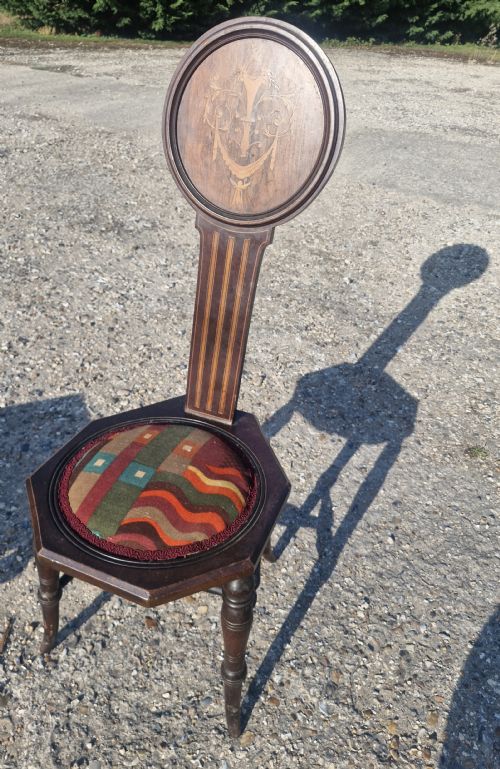
- A low-backed, highly carved seat traditionally used by women working at a spinning wheel. These domestic items often feature decorative woodwork and compact proportions.
Wooden Chair on Wheels: Frequently Asked Questions
Are these chairs comfortable for daily use?
Solid timber seats are sculpted to fit the body, providing firm support for dining or desk work. Adding a loose cushion can increase comfort during longer periods of sitting.
Most examples are built with sturdy armrests and supportive back spindles designed for sustained everyday utility.
How do I care for antique wooden chairs?
Maintain the finish by applying natural beeswax periodically to nourish the dry timber and protect the surface. Avoid placing wooden furniture near direct heat sources or in areas with extreme humidity fluctuations.
Inspect the castor fixings occasionally to ensure the metal and wood components remain secure and clean.
Will the wheels damage my floors?
Period castors are often made of heavy iron, which can mark delicate wooden floors or snag thick carpets if they do not roll freely. Placing protective cups under the wheels or using a suitable rug will prevent potential surface damage.
Checking that the wheel axles are free from dust and debris helps them glide smoothly without dragging.
How can I date a wooden chair on wheels?
Dating relies on identifying the timber species, construction methods, tool marks, and stylistic traits typical of specific eras like the Georgian period or the 19th century. Examining the ironwork on the castors also provides clues regarding manufacturing dates.
Comparing the turned details and design vernacular against known regional examples helps narrow down the period.