






Wooden Carpenters Box
A wooden carpenters box brings honest utility and rugged timber character straight into a modern room.
Wooden Carpenters Box
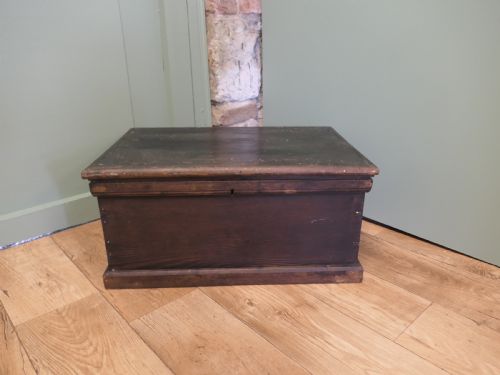
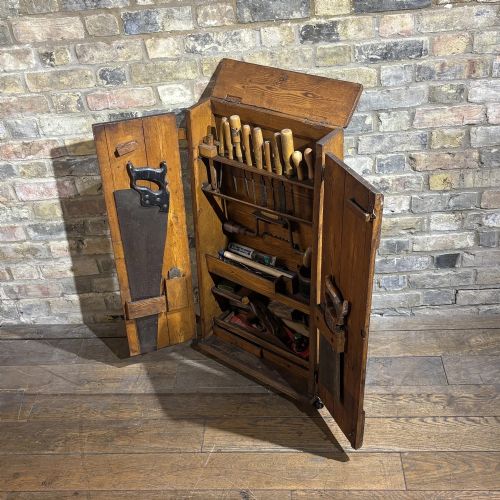
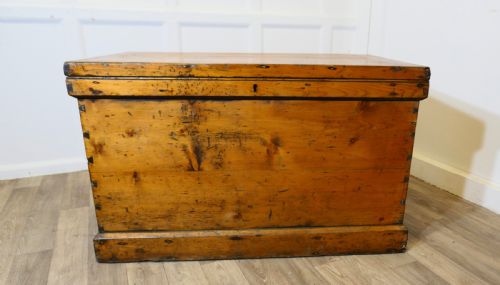
When you search for a wooden carpenters box, you are looking at robust storage containers built for tradesmen, journeymen, and shipwrights. These pieces range from substantial chests designed to hold heavy hand tools to portable cabinets and smaller specialised containers.
You are most likely to meet pine and pitch pine versions on this page, often dating from the Victorian and Edwardian periods. Many examples show the clear knocks and marks of working life, while others take surprising miniature forms such as fruitwood snuff boxes shaped like wood planes.
Construction and materials
Makers built these pieces primarily from durable domestic timbers such as pine, oak, elm, and pitch pine to withstand heavy daily use. Heavy iron brackets, strap hinges, and lock plates reinforced the corners and lids against the strains of transport.
Joinery techniques focused on strength, utilising robust corner joints and thick timber boards rather than delicate decorative veneers. Surfaces often received a dark stain, ebonised finish, or simple wax to protect the wood in busy workshops.
Wooden Carpenters Box Retail Price Guide 2026
Typical asking prices for wooden carpenters box among the pieces listed under this phrase on Sellingantiques today, from the lower quarter to the upper quarter. They describe what is for sale here now, not the wider market.
Materials recorded across the current inventory include pine, pitch pine, oak, elm, fruitwood, iron, and steel.
Judging the standard
Quality in these utility items rests on the integrity of the original construction and the survival of internal fittings like till boxes and dividers. Boxes retaining their original iron locks, keys, and strapwork command greater interest from collectors.
The proportion of the timber and the honesty of the wear patterns distinguish standard transport trunks from finer cabinet-maker chests. Pieces that preserve an untouched, original surface finish stand apart from later alterations or heavy over-restoration.
The Wooden Carpenters Box Glossary
- Till box
- A small internal compartment built inside a larger chest to organise smaller implements and fixings. It often lifts out to reveal deeper storage beneath.
- Dovetail
- A traditional interlocking corner joint formed by interlocking wedge-shaped fingers. This method provides exceptional tensile strength without relying on metal fasteners.
- Pitch pine
- A resinous softwood noted for its density and prominent grain patterns. Carpenters favoured it for items requiring extra durability and moisture resistance.
- Treen
- Small handmade wooden domestic objects. In this context, it includes miniature carvings such as snuff boxes fashioned to resemble working tools.
Wooden Carpenters Box: Frequently Asked Questions
What fits inside a wooden carpenters box?
These boxes originally stored saws, chisels, planes, and measuring instruments required by working tradesmen. Today, their generous proportions accommodate blankets, books, and household items.
Larger trunk versions function well as coffee tables with hidden storage, while fitted cabinets hold smaller collectables.
How old is my carpenters box?
Dating relies on examining the timber species, construction methods, and hardware style. Victorian and Edwardian examples frequently feature machine-sawn pine boards and cast iron handles.
Earlier Georgian pieces display hand-cut joinery, forged iron hinges, and distinct patination acquired through decades of handling.
Are these boxes waterproof?
While sturdy timber construction and tight-fitting lids offered protection against workshop dust and rain during transit, these are not sealed marine containers.
Most rely on overlapping lid construction rather than rubber gaskets, making them suitable for indoor domestic environments.
How should I clean the wood?
Preserve the historic surface by applying a gentle beeswax rather than stripping away the accumulated marks of working life. Avoid harsh chemical cleaners that strip the dry, historic patina.
Regular dusting and occasional wax feeding keep the pine or oak nourished without diminishing its character.