



Wooden Bust Stand
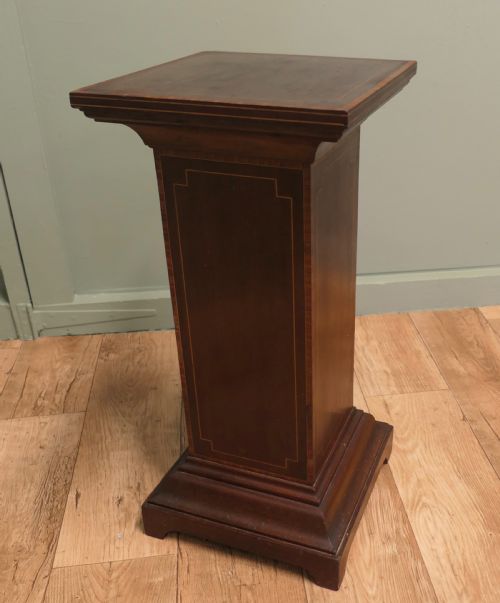
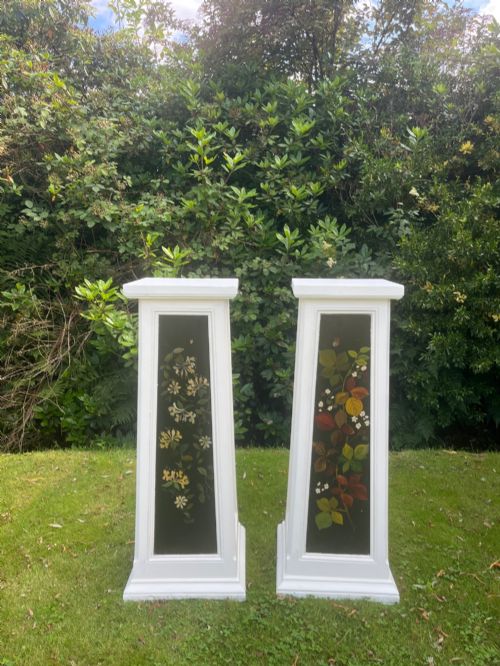
These wooden bust stand pieces elevate sculpture and display items with classic proportions, ranging from nineteenth-century mahogany columns to painted Victorian torchieres.
Wooden Bust Stand
A wooden bust stand supports sculptural heads, urns and decorative objects on a raised column or pedestal. These pieces function as architectural furniture, designed to lift a subject to eye level within a room.
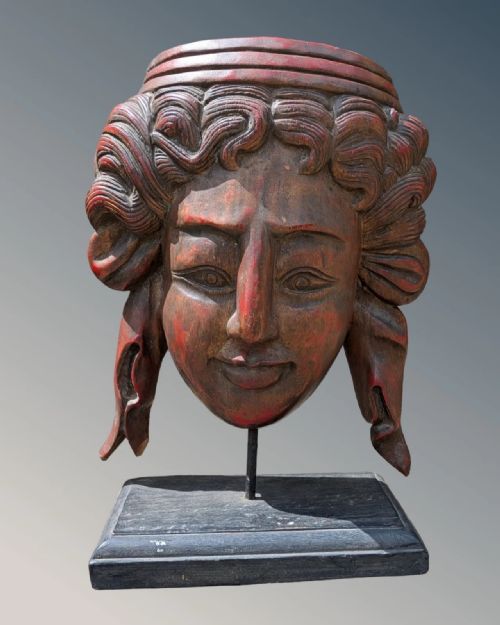
The selection includes nineteenth-century mahogany pillars, tripod stands and painted pedestals alongside regional items such as South East Asian carved masks and Folk Art milliner heads.
Makers utilised various formats from the Georgian period through to the nineteen-thirties, including display pedestals, torchieres and specialised cupboard sculpture stands.
Materials and Construction
Craftsmen built these supports primarily in solid timbers such as mahogany, walnut, oak, pine and birch, sometimes applying surface paint, polychrome or giltwood finishes.
Advanced examples incorporate cast metal or ormolu mounts to enrich neoclassical designs, whilst others display simulated marble effects imitating stone columns.
A charming canine inkwell from the Black Forest sits patiently among the architectural columns.
Evaluating Quality
Superior examples demonstrate refined carving detail, such as crisp acanthus leaves, caryatid figures or well-turned fluted columns, executed in dense timbers like mahogany or walnut.
Quality also rests in the integrity of original surface finishes, whether an authentic faux marble treatment, aged paint or polished wood grain, rather than later alterations.
Shoolbred
The Wooden Bust Stand Glossary
- Torchiere
- A tall stand or pillar originally designed to hold a torch or candle lamp, later used for displaying sculpture and busts.
- Caryatid
- A sculpted female figure serving as an architectural support taking the place of a column or pillar.
- Polychrome
- The practice of decorating architectural elements or sculpture in a variety of painted colours.
- Ormolu
- Gilded bronze mounts applied to furniture and pedestals during the eighteenth and nineteenth centuries.
- Plinth
- The heavy base supporting a statue, vase or bust stand.
Wooden Bust Stand: Frequently Asked Questions
What is a wooden bust stand?
A wooden bust stand is a raised pillar or pedestal designed to support and display a sculptural head, bust or decorative object.
These pieces lift artwork to eye level, functioning as both functional furniture and classical architectural display items.
How do I date a wooden bust stand?
Dating relies on identifying timber species, construction techniques and stylistic revivals such as Regency, Adam or Louis XVI styles.
Nineteenth-century pieces often feature hand-turned columns and dense timbers like mahogany, walnut or rosewood.
Where should I place a bust stand?
These stands suit corners, entrance halls or empty wall spaces where a vertical sculptural element adds architectural interest.
Ensure the base sits firmly on level flooring to safely support heavier plaster, marble or wooden busts.
Can these stands hold heavy sculptures?
Most antique stands constructed from solid mahogany, oak or walnut offer robust support for substantial display items.
Tripod bases and wide columns provide added stability for heavier objects placed on top.