



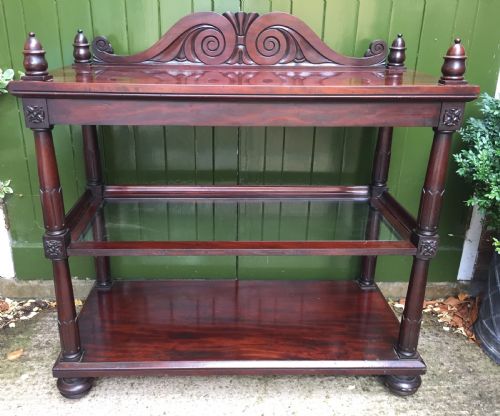
Wooden Buffet Unit
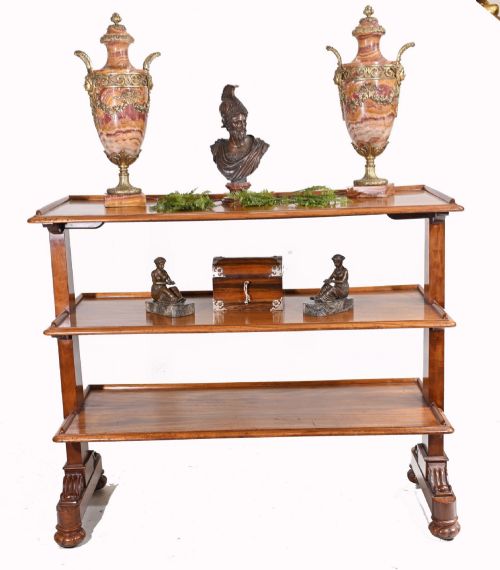
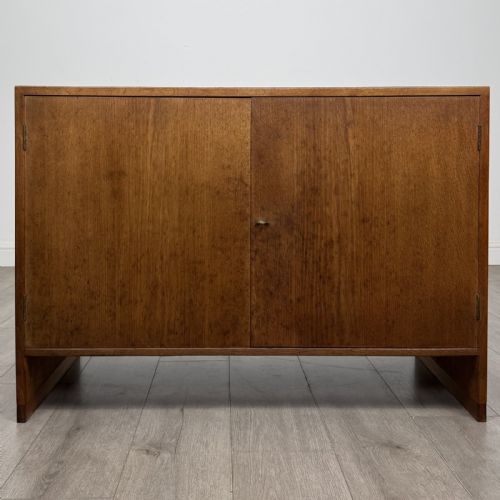
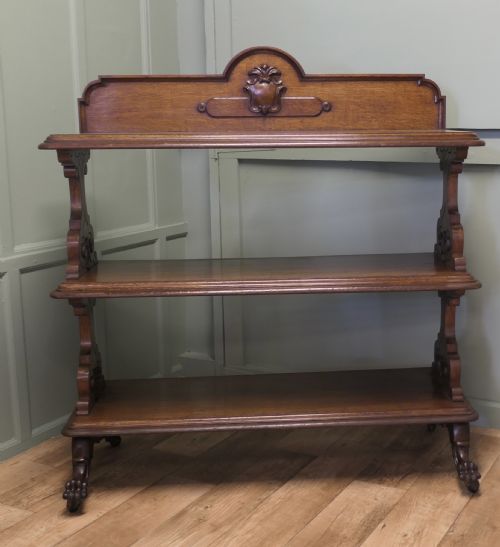
These wooden buffet unit pieces span centuries of storage craft, offering sturdy sideboards, tiered servers and cupboards for daily use.
Wooden Buffet Unit
A wooden buffet unit encompasses diverse storage furniture including sideboards, tiered servers, cupboards and console tables designed for dining and living spaces. Buyers searching this phrase encounter forms spanning the nineteenth and early twentieth centuries, reflecting changing domestic requirements across eras.
Most entries combine traditional cabinet making with utilitarian storage, serving as both display surfaces and enclosed compartments. Sideboards and tiered buffet tables dominate the physical forms available, demonstrating how households stored tableware and provisions.
Materials and construction methods
Construction relies heavily on traditional hardwoods like mahogany, oak, walnut and ebonised hardwood, matched with pine for internal framing. These materials provide the structural integrity necessary for heavy tiered buffets and large cupboards expected to hold dense dinner services.
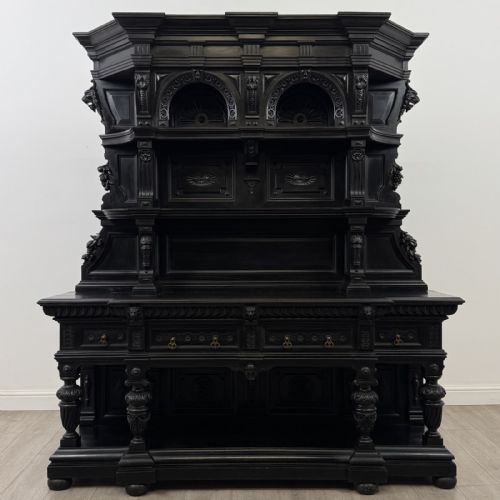
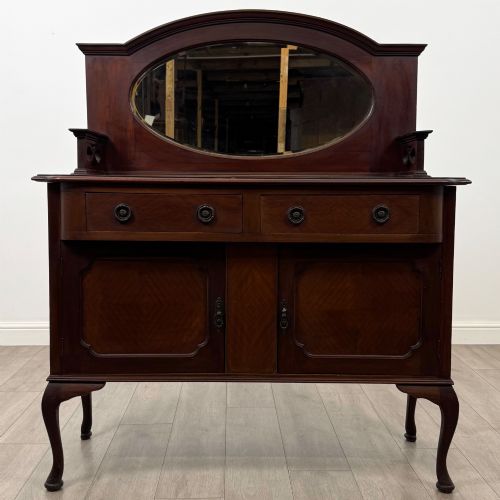
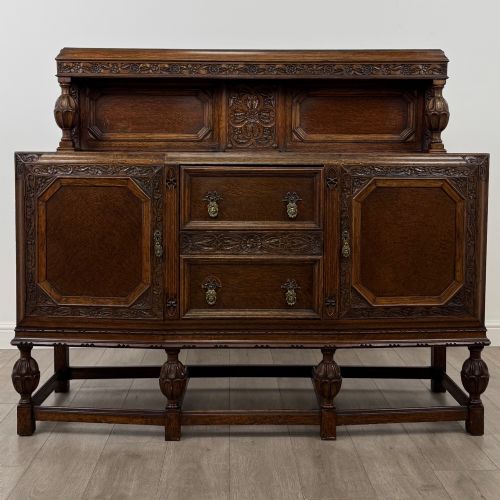
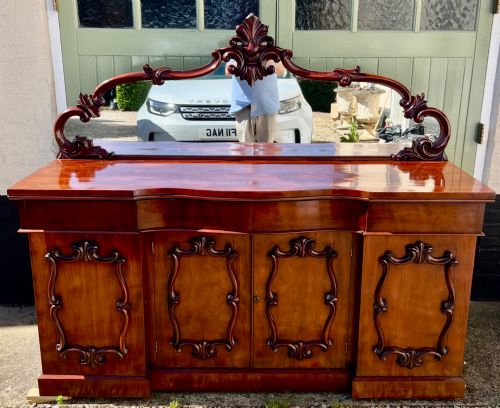
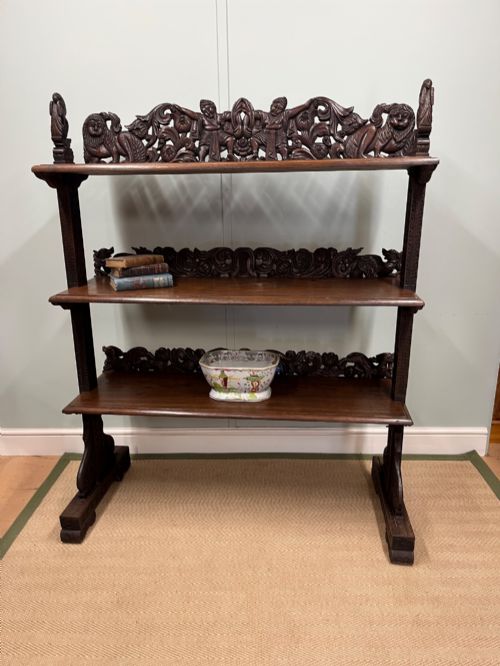
Metal hardware such as brass handles and iron castors appear frequently to assist mobility and operation, while glass elements and mirror backs add reflective depth. Surface treatments vary from natural wax finishes to polished wood grains and carved details like lion mask motifs.
Wooden Buffet Unit Retail Price Guide 2026
Typical asking prices for wooden buffet unit among the pieces listed under this phrase on Sellingantiques today, from the lower quarter to the upper quarter. They describe what is for sale here now, not the wider market.
Current listings incorporate nineteenth and early twentieth-century periods, spanning oak, mahogany, walnut, pine and teak across multiple regional styles.
Assessing quality in construction and detail
Quality reveals itself in the selection of timber and the execution of carved ornamentation, such as the depth of lion mask details or the crispness of mouldings. Superior examples employ dense hardwoods with stable grain structures that resist warping over generations of use.
Hardware integration and mechanical components mark the distinction between standard utilitarian storage and finer parlour pieces. Original brass face handles, fully adjustable shelving systems and intact original castors indicate higher manufacturing standards during the original period of production.
The Wooden Buffet Unit Glossary
- Sideboard
- A long piece of furniture placed in a dining room for holding serving dishes and tableware. It frequently incorporates drawers and cupboards beneath a broad top surface.
- Etagere
- A set of open shelves for displaying small objects or ornaments. These pieces often feature multiple tiers supported by slender columns.
- Buffet
- A sideboard or cabinet used for food service and storage. Tiered versions allow multiple levels of display and serving space.
- Ebonised
- Wood finished to resemble ebony through staining or painting dark black. This technique was popular in Victorian furniture to create striking contrast.
- Castor
- A small wheel mounted on a swivel assembly attached to the legs of heavy furniture. They allow large sideboards and servers to be repositioned easily.
Wooden Buffet Unit: Frequently Asked Questions
What is a wooden buffet unit used for?
These items serve primarily as dining room furniture for storing tableware, linens and serving dishes. The flat top surface also functions well for presenting food during meals or displaying decorative objects.
In modern settings, they transition easily into living spaces or hallways as general storage cupboards and display surfaces. Their varied internal layouts accommodate everything from bulky ceramics to books and media.
How do I date a wooden buffet?
Dating relies on examining the timber species, construction joints, handles and secondary woods used in internal framing. Victorian and Edwardian examples often feature machine-sawn elements alongside hand-cut dovetails.
Stylistic indicators such as heavy carving, mirror backs or ebonised finishes also align pieces with specific nineteenth and early twentieth-century design movements.
Are these units suitable for small rooms?
Dimensions vary significantly across the available forms, ranging from compact tiered etageres to wide multi-door sideboards. Selecting a low or narrow version prevents the piece from dominating a modest interior space.
Units featuring mirror backs can also help reflect light and create a sense of openness in smaller dining areas or hallways.
How should I care for antique wood furniture?
Regular dusting with a soft, dry cloth protects the polished surface from abrasive particles. Applying traditional wax periodically maintains the moisture balance of hardwoods like mahogany and oak.
Placement away from direct heat sources and strong sunlight prevents timber shrinkage, warping and fading over time.