



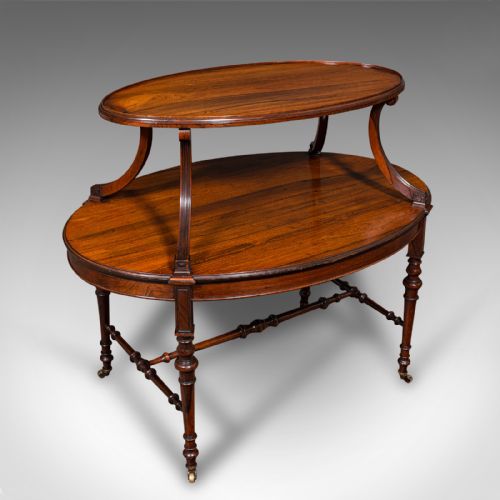


Wooden Buffet Trolley
A wooden buffet trolley serves meals and carries dishes with undeniable nineteenth-century utility and presence.
Wooden Buffet Trolley
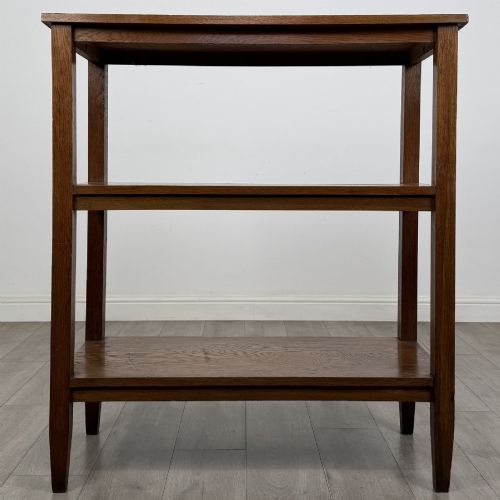
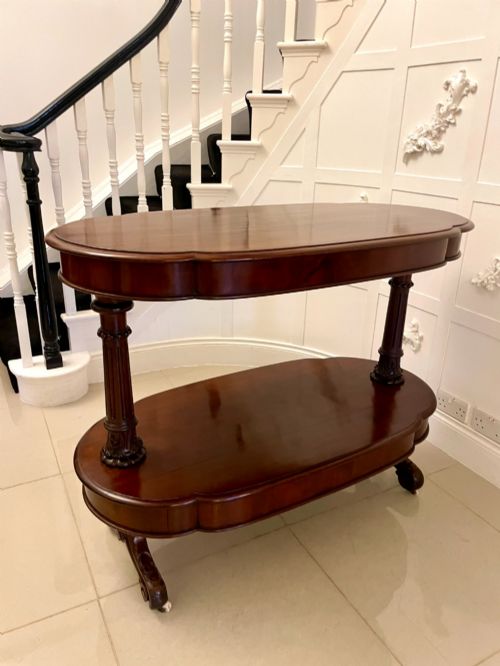
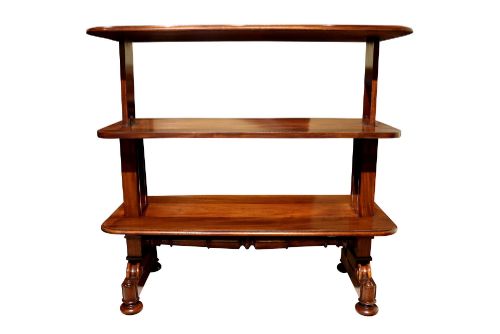
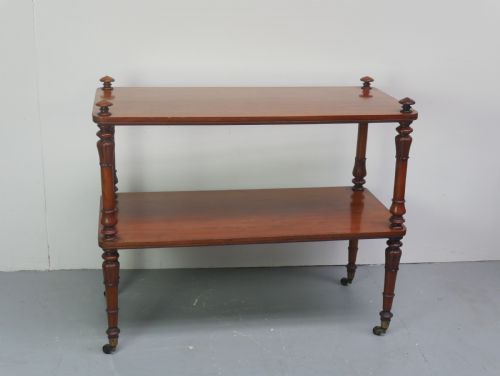
The wooden buffet trolley appears primarily across nineteenth-century styles, including Regency, William IV, Victorian, and Edwardian periods. Pieces emerge in forms such as three-tier stands, dumb waiters, serving tables, and console tables.
Mahogany and walnut dominate the selection, accompanied by oak, pollard oak, rosewood, and ebonised wood. Cabinets, rise and fall mechanisms, and adjustable shelves shape the functional variety within these serving pieces.
Construction and materials
Timbers such as mahogany and walnut form the structural backbone of these serving pieces, frequently enriched by decorative wood grains like pollard oak. Metal elements including brass appear alongside ceramic components.
Joinery methods support multi-tier shelving units and mechanical actions like rise and fall adjustments. Original castors often provide mobility to these heavy wooden serving tables.
Wooden Buffet Trolley Retail Price Guide 2026
Typical asking prices for wooden buffet trolley among the pieces listed under this phrase on Sellingantiques today, from the lower quarter to the upper quarter. They describe what is for sale here now, not the wider market.
Some nineteenth-century diners preferred inanimate oak servants to avoid table gossip.
Distinctions in craftsmanship
The sophistication of the timber selection and the precision of carved details separate standard utility items from finer examples. Cabinet work and integrated mechanical actions reveal the skill invested in the piece.
Original hardware, such as brass castors and fittings, contributes to the integrity of a piece. The fluidity of adjustable tiers and sound structural joinery indicate superior workshop execution.
Maple & Co
The Wooden Buffet Trolley Glossary
- Dumb waiter
- A multi-tier stand or trolley used for holding food and tableware during meals. These pieces often feature graduated shelves supported by turned columns.
- Rise and fall
- A mechanical function allowing shelves or tiers to adjust in height. This mechanism relies on central columns and ratchets.
- Pollard oak
- Oak timber taken from trees that have been pollarded, producing a highly figured and knotted grain pattern. Cabinet makers prize this wood for decorative veneering.
- Castor
- A small wheel mounted on a swivel attached to the base of furniture. Original brass castors allow these serving tables to move smoothly across floors.
Wooden Buffet Trolley: Frequently Asked Questions
What is a wooden buffet trolley used for?
These pieces function as mobile serving tables, holding dishes, glassware, and food during dining occasions. They provide extra surface area in dining rooms and parlours.
Multi-tier versions allow users to organise courses or display serving ware efficiently. Their mobility ensures dishes remain close at hand during meals.
How do I identify a Victorian buffet trolley?
Victorian examples frequently utilise dark dense timbers like mahogany and walnut with robust three-tier structures. Turned supports and original castors appear commonly across this era.
Decoration ranges from plain polished surfaces to carved oak details. Many incorporate functional adjustments such as drop leaves or rise and fall tiers.
Are these trolleys sturdy enough for daily use?
Nineteenth-century serving tables utilise solid hardwoods designed to bear heavy porcelain, silver, and food dishes. Their robust construction supports practical daily placement in modern homes.
Care should be taken with mechanical adjustments on rise and fall models to preserve the internal wooden threads and ratchets. Regular polishing maintains the finish of the timber.