




Wooden Bucket Carrier
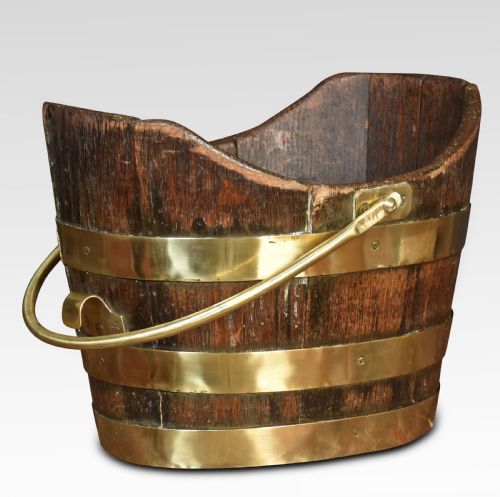
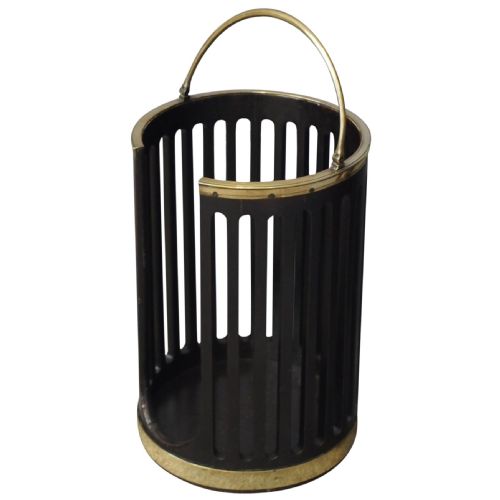
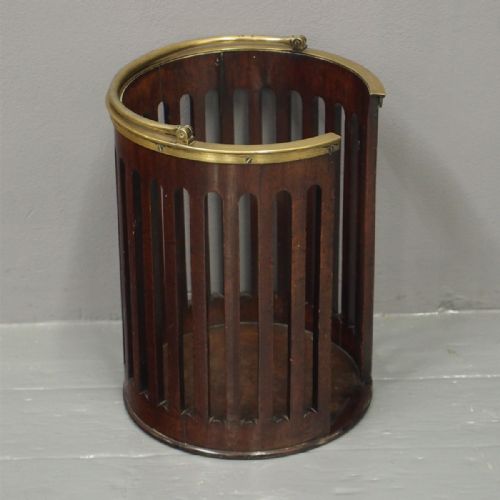
These wooden bucket carriers and related vessels are robust utilitarian containers shaped by Georgian and Victorian hands, built to hold everything from plateware to peat.
Wooden Bucket Carrier
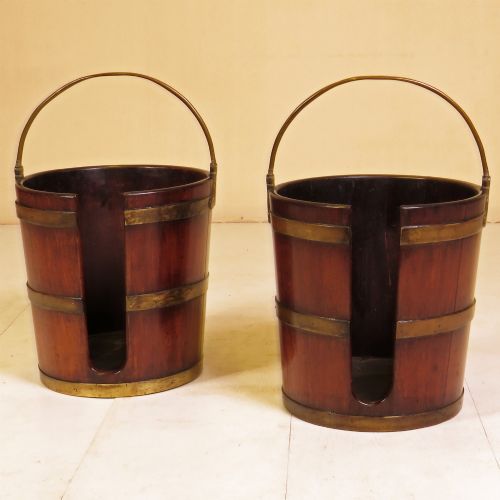
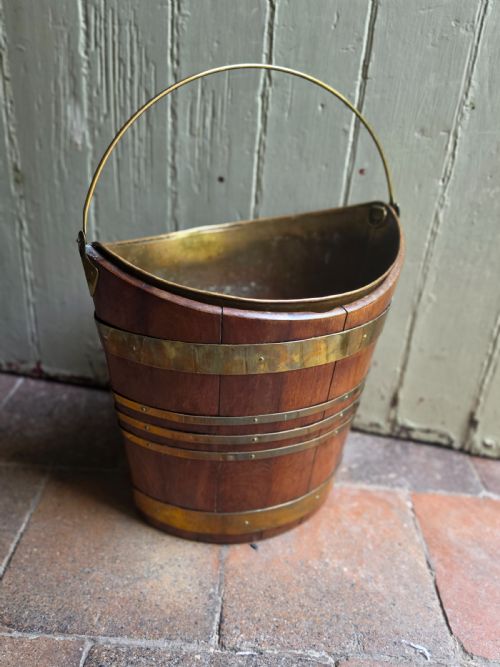
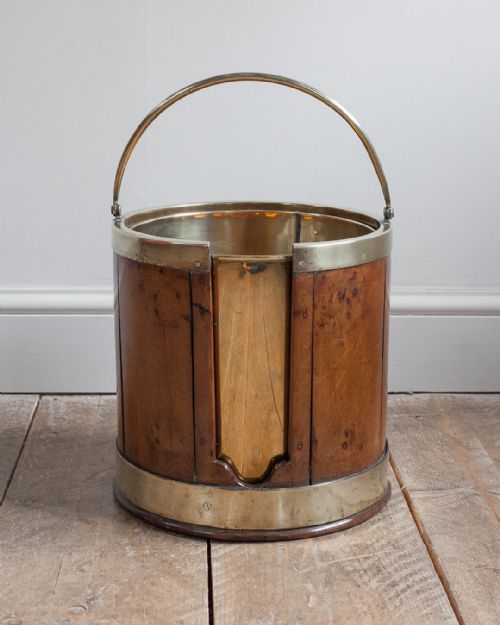
A wooden bucket carrier encompasses specialised domestic containers and supportive yokes spanning the eighteenth and nineteenth centuries. Buyers searching for a wooden bucket carrier encounter Georgian plate buckets, Victorian peat buckets, and rustic Scandinavian storage containers designed for heavy domestic labour.
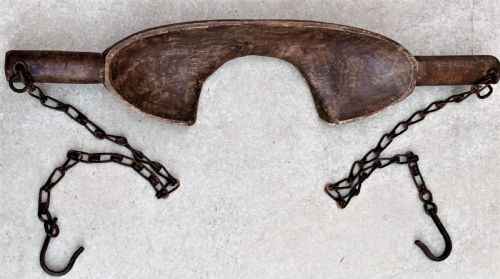
The most frequent examples on this page are mahogany plate buckets from the George III period, alongside dairy maid shoulder yokes and peat buckets. These forms served specific functional roles beside the hearth or within the dairy before finding a place in modern country interiors.
How they were made
Coopers and joiners constructed these vessels from dense hardwoods such as mahogany, oak, beech, and walnut, often reinforcing the staves with brass or iron bands. This traditional stave-and-hoop technique allowed the wood to expand and contract safely around heavy loads of peat, plates, or well water.
Surfaces received careful finishes, ranging from polished mahogany to ebonised wood or simple rustic pine, paired with forged wrought iron handles and fittings. The dairy maid's shoulder yoke demonstrates steam-bending and carving in beech to distribute weight comfortably across the human frame.
What varies in quality
Quality rests upon the selection of timber and the precision of the cooper's jointing, distinguishing refined dining room plate buckets from utilitarian farmyard containers. Finer Georgian pieces display meticulously figured mahogany and heavy, hand-cast brass bands, whereas vernacular items rely on plain pine, beech, or iron.
The integrity of the original metalwork and handles greatly influences the character of each piece. Surviving brass bails and tight, unwarped staves separate superior examples from those altered or heavily restored over generations of domestic use.
The Wooden Bucket Carrier Glossary
- Plate Bucket
- A deep, stave-built cylindrical container fitted with a brass handle, designed specifically for carrying dining plates between the scullery and the table during the Georgian period.
- Peat Bucket
- A specialised hearthside container used to store turf or peat for the fire, frequently featuring liner trays and carrying handles.
- Stave
- One of the narrow vertical strips of wood fitted together edge-to-edge to make the circular body of a bucket or carrier.
- Yoke
- A shaped wooden beam designed to fit across a person's shoulders for carrying suspended buckets or containers evenly.
- Ebonised Wood
- Timber treated with a chemical stain or finish to imitate expensive ebony, seen on various nineteenth-century decorative items.
Wooden Bucket Carrier: Frequently Asked Questions
What were plate buckets used for?
Plate buckets transported heavy ceramic or porcelain dinner services from the kitchen to the dining room in wealthy Georgian households. Their sturdy wooden staves protected the fragile tableware during transit.
Today, these vessels find new life beside the fireplace for holding logs or in the hallway as umbrella stands, retaining their practical utility.
How do I date a Georgian bucket?
Dating relies upon timber choice, such as dense Cuban mahogany, alongside the style of the brass bail handle and construction marks. George III examples often exhibit fine dovetailing or coopered staves with hand-cut fastenings.
Examining the wear patterns on the base and interior also helps distinguish eighteenth-century craftsmanship from later nineteenth-century revival pieces.
Are peat buckets different from regular buckets?
Peat buckets were built specifically to hold dry fuel for the hearth, frequently including metal liners to contain debris. They usually have a wider, oval or cylindrical shape compared to standard water buckets.
These pieces were kept in the main living areas, so makers invested greater artistry in their mahogany or walnut bodies and brass mountings.
How should I care for antique wood?
Maintain the timber by keeping it away from direct heat sources and sudden humidity changes that cause the staves to shrink. A light application of appropriate beeswax helps nourish the aged surface.
Avoid using modern liquid polishes that can build up and dull the historic patina developed over centuries of handling.