




Wooden Box Display
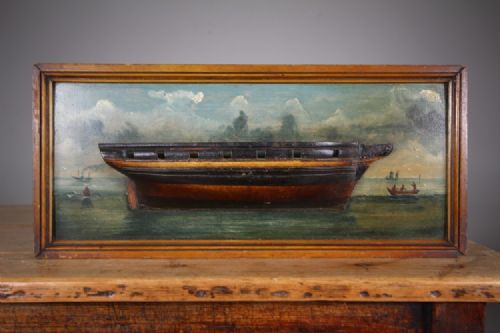
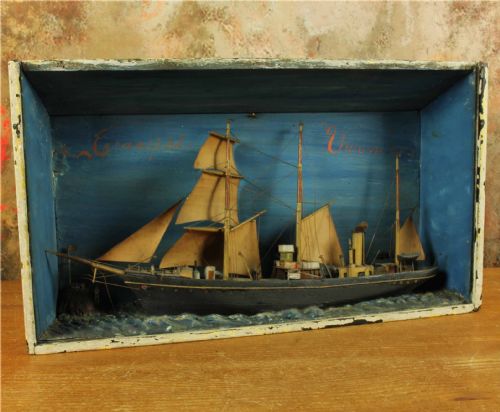
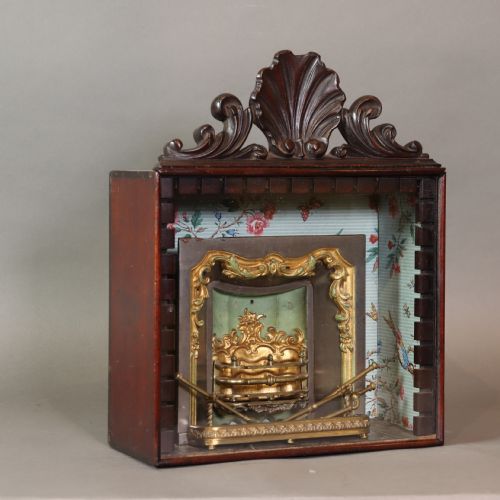
Wooden box display pieces combine timber cases and glass fronts to showcase small treasures, maritime models, and curiosities.
Wooden Box Display
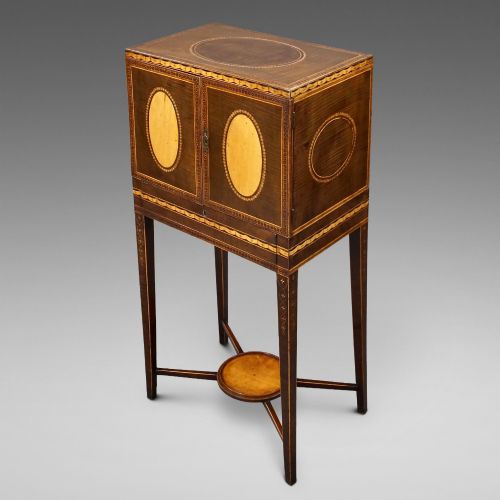
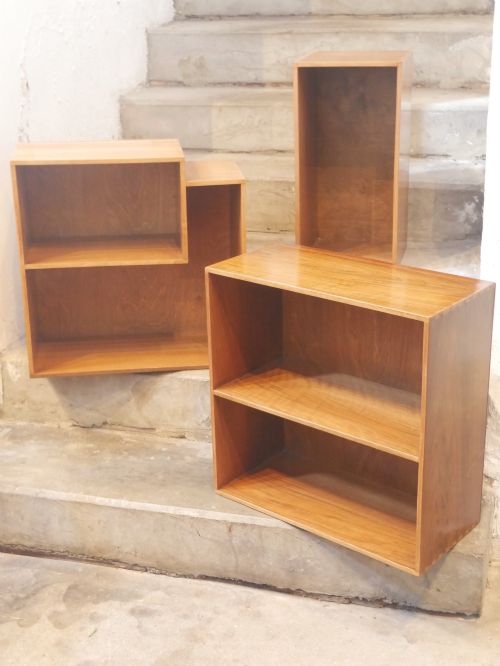
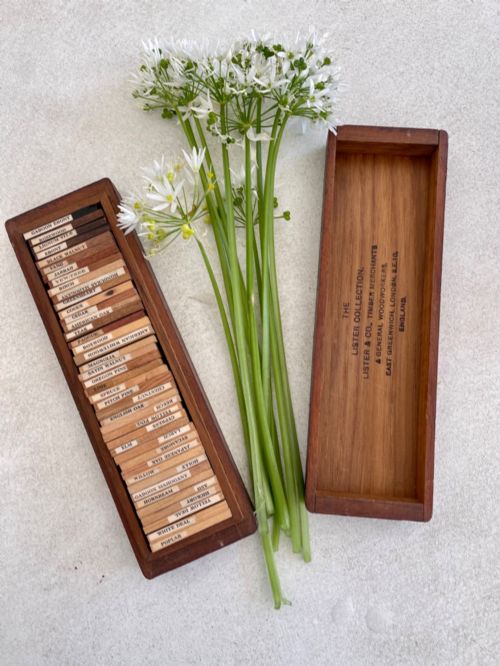
A wooden box display encompasses countertop cabinets, shadow box dioramas, and specialised storage chests originating from the nineteenth and early twentieth centuries. Buyers seeking a wooden box display will frequently encounter maritime dioramas, haberdashery cases, and tabletop display cabinets from Victorian and Edwardian periods.
The selection ranges from scientific instrument cases and apothecary countertop units to folk art shell dioramas and inlaid mahogany display tables. These items reflect the domestic, commercial, and maritime interests of past decades.
Most examples hail from English, French, and American workshops, utilising regional timbers and specific glazing methods suited to commercial trade or home collections.
Materials and Technique
Cabinet makers constructed these pieces primarily from mahogany, oak, teak, and walnut, frequently incorporating glass panels for visibility and brass hardware for hinges and locks. Painted surfaces, paper liners, and inlaid details such as harewood further define the exterior and interior presentation.
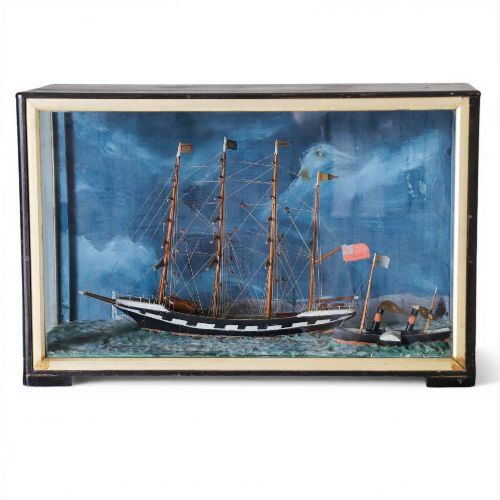
Maritime dioramas and folk art pieces utilised carved wood, plaster, paint, and organic elements like shells to construct three-dimensional scenes behind protective glazing. Haberdashery and countertop display cases relied on tight joinery and glass front doors to protect commercial goods and specimens from dust while permitting customer inspection.
Prisoners of war fashioned intricate ship diorramas using scraps of bone and straw behind glass.
Design and Execution
The distinction between tiers rests upon the choice of timber, the precision of the joinery, and the sophistication of any inlay or carved detail. Cabinets utilising figured woods like burr yew or kingwood alongside hand-bevelled glass represent a higher standard of workmanship than utilitarian trade boxes.
In diorama pieces, the intricacy of the ship rigging, painted backdrops, and preserved elements determine the refinement of the work. Original glass, working brass fixtures, and intact maker labels or sign-writing elevate the standing of a piece.
Heals·Chadwick·Ermen and Roby·Cadburys
The Wooden Box Display Glossary
- Diorama
- A three-dimensional scene enclosed in a case with a glazed front. These often depict sailing ships or folk art subjects against painted backgrounds.
- Bijouterie table
- A glass-topped display table designed for small ornaments and jewellery. They typically feature hinged lids or drop fronts for easy access.
- Haberdashery case
- A countertop cabinet originally utilised in shops to organise and display sewing cottons, buttons, or small goods. They frequently incorporate multiple drawers or glass viewing panels.
- Specimen cabinet
- A multi-drawer wooden chest built to store natural history collections or scientific items. Each drawer provides shallow, divided storage.
- Straw work
- An intricate decorative technique utilising flattened straw applied to surfaces to form geometric or pictorial patterns. It is frequently associated with prisoner-of-war pieces.
Wooden Box Display: Frequently Asked Questions
What is a wooden box display?
A wooden box display refers to enclosed cabinets, cases, and shadow boxes made of timber with glass viewing panels. They were built to exhibit collectibles, models, or commercial goods.
The category includes countertop apothecary units, maritime dioramas, and tabletop jewellery cases from the nineteenth and early twentieth centuries.
How were shadow box dioramas used?
Shadow box dioramas served as decorative wall art or tabletop pieces commemorating maritime vessels, naval battles, or folk art scenes. Sailors and civilian artisans constructed them to preserve detailed models behind glass.
Today, they are collected as historical records of nineteenth-century maritime craft and folk art traditions.
How do I identify a Victorian display case?
Victorian display cases often feature dense timbers like mahogany or walnut, hand-cut dovetail joints, and brass hardware. They frequently employ simple rectangular forms with hinged glass doors or lift-off lids.
Examining the construction methods, interior paper liners, and ageing of the wood helps confirm the nineteenth-century origin.
Where should I place a countertop display cabinet?
Countertop display cabinets work well on desks, sideboards, or kitchen counters where natural light highlights the interior contents. They provide protected storage for small collections while keeping items visible.
Placing them away from direct sunlight prevents fading of delicate internal paper, paint, or fabric linings.