


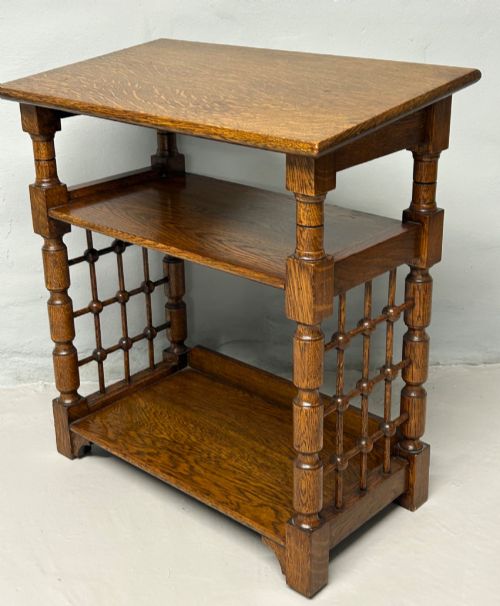
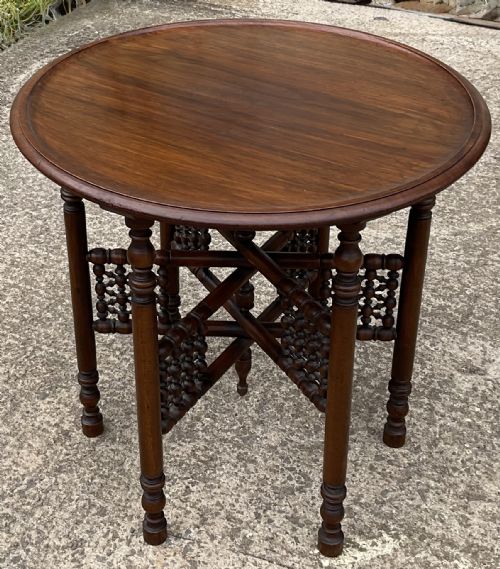

Wooden Bobbin Table
A wooden bobbin table brings distinct turned spindle legs and tactile character to any interior, making it a sought-after piece for traditional and eclectic spaces.
Wooden Bobbin Table
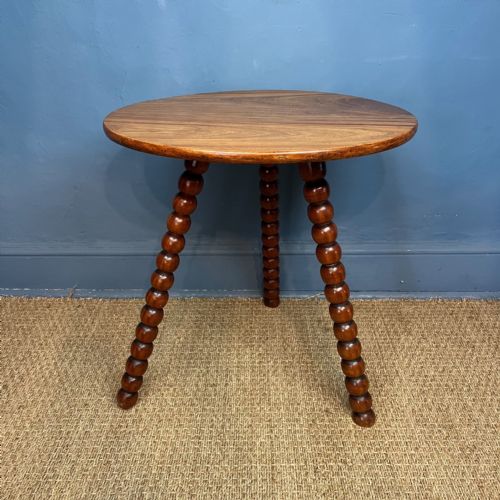
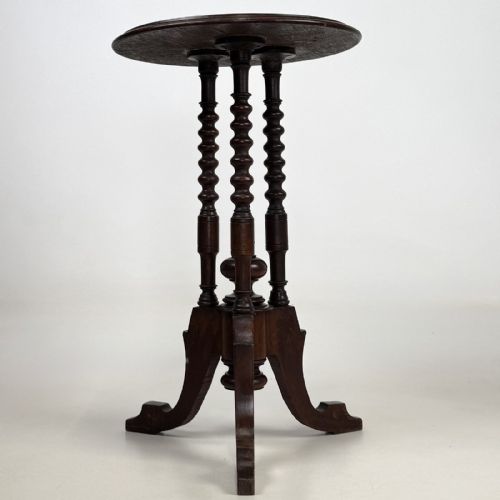
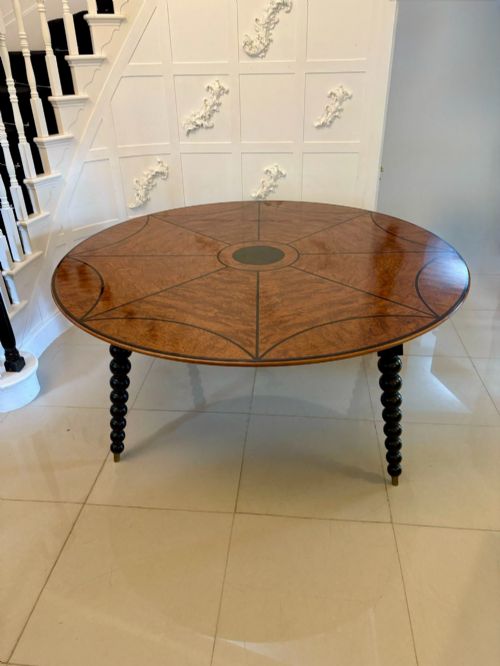
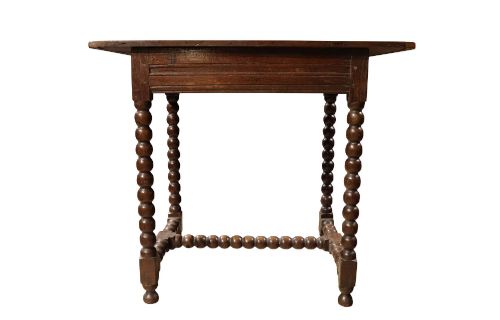
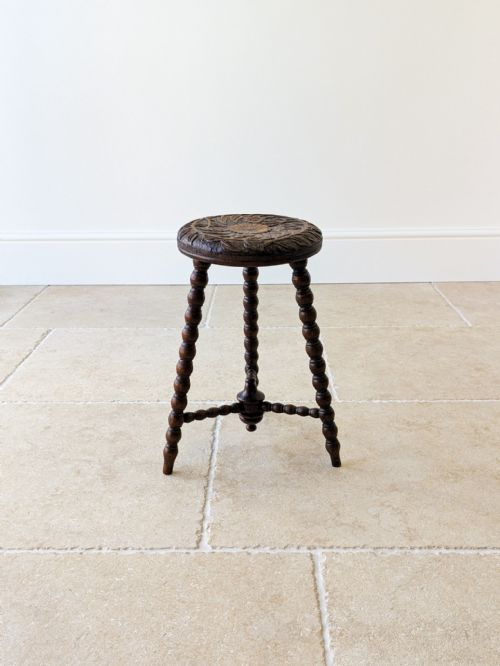
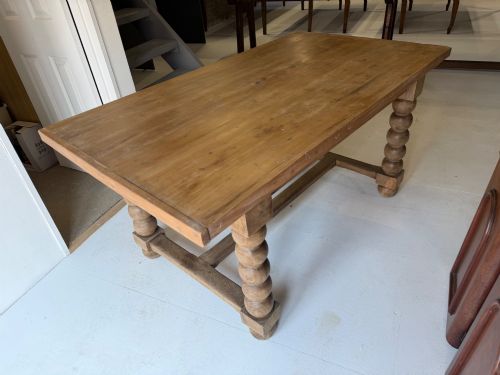
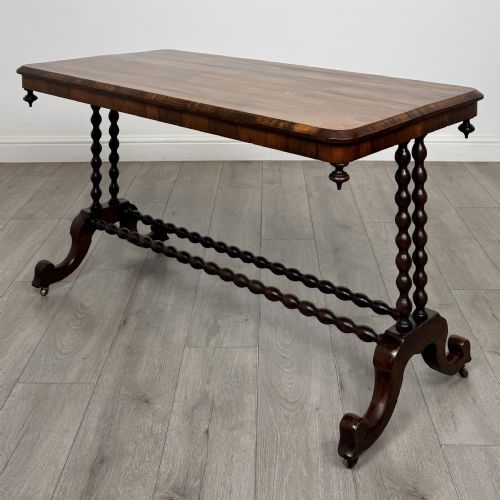
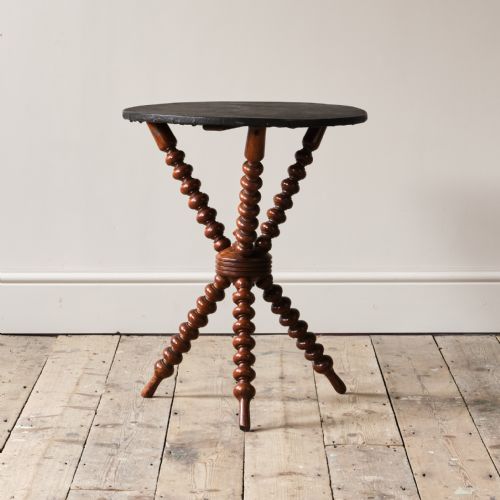
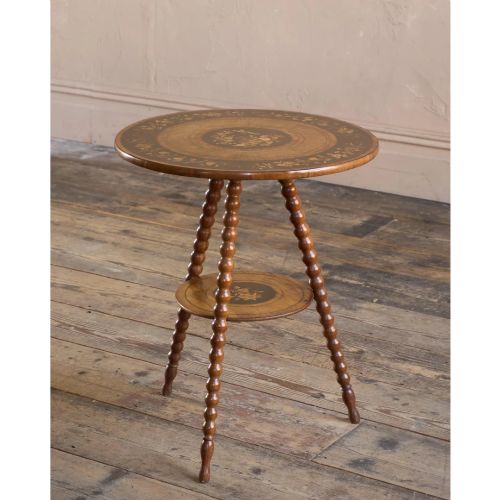
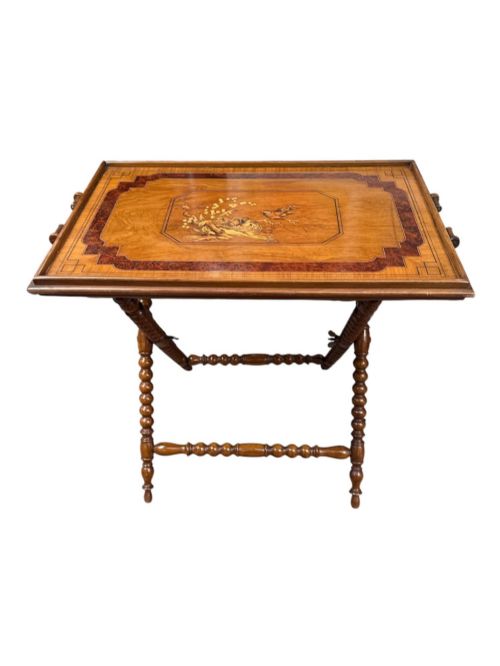
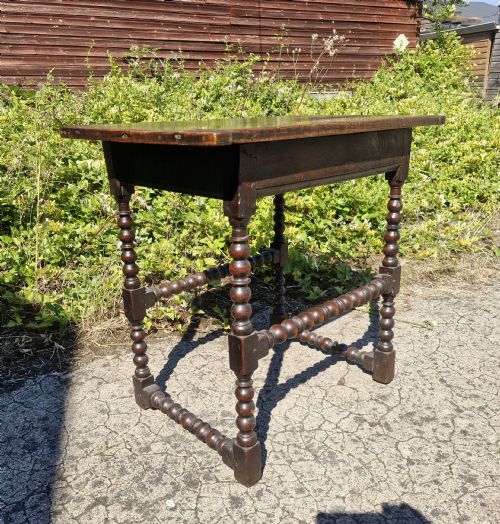
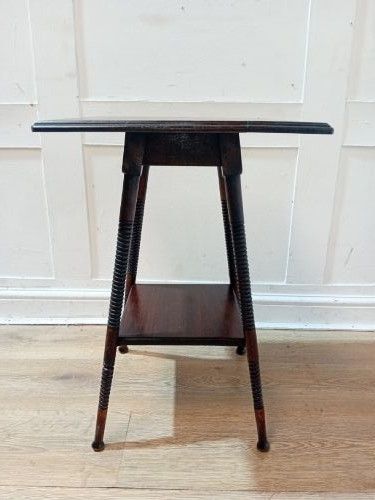
When you search for a wooden bobbin table, you encounter practical furniture pieces defined by legs and stretchers shaped with repeating rounded swellings resembling thread bobbins. These items appear across several historic periods, most notably through Victorian examples and earlier 17th century designs.
The selections on this page span side tables, gateleg dining variants, occasional tables, and console tables. Oak and walnut form the predominant structural choices, frequently accompanied by beech, pine, or fruitwood.
The most common formats you will meet include compact side tables and folding gateleg designs suited for smaller rooms or hallways. These practical items integrate smoothly into modern homes while retaining their antique charm.
What varies in quality
The standard of timber selection and the crispness of the lathe turning determine the calibre of a wooden bobbin table. Finer pieces display deeply carved or sharply defined bobbin profiles without softening or distortion from excessive wear.
Structural integrity and the retention of original surface patination distinguish superior examples from heavily restored or altered items. The harmony between the turned underframe and the fitted top dictates the overall success of the piece.
Wooden Bobbin Table Retail Price Guide 2026
Typical asking prices for wooden bobbin table among the pieces listed under this phrase on Sellingantiques today, from the lower quarter to the upper quarter. They describe what is for sale here now, not the wider market.
Even lace bobbin winders make an appearance, proving that bobbins truly ruled every aspect of domestic craft.
William Birch·Liberty of London
The Wooden Bobbin Table Glossary
- Bobbin turning
- A form of lathe work creating a series of rounded, spool-like swellings along the length of a wooden leg or stretcher. This decorative technique appears frequently on 17th century and Victorian furniture.
- Gateleg table
- A drop-leaf table where hinged legs swing outward on a gate mechanism to support the folded leaves. This clever design allows the surface area to expand or contract as needed.
- Side table
- A small functional table designed to stand against a wall or beside seating furniture. These versatile pieces often feature single drawers or lower shelves.
- Occasional table
- A light, easily movable table intended for intermittent use around a room. They appear in various compact forms including gypsy styles and round tops.
- Patina
- The surface sheen and colour acquired by wood through age, handling, and waxing over many decades. A rich patina indicates authentic historic surfaces.
Wooden Bobbin Table: Frequently Asked Questions
What is a wooden bobbin table?
A wooden bobbin table is an antique furniture piece featuring legs and stretchers turned on a lathe to resemble a series of wooden bobbins or spools. These decorative turnings give the furniture a tactile, rhythmic appearance.
Such tables range from compact Victorian side tables to substantial 17th century oak gateleg dining tables. They combine practical surface space with distinct sculptural detail.
How do I style a wooden bobbin table at home?
These tables fit easily into both traditional and contemporary interiors as accent pieces in hallways, living rooms, or bedrooms. Their decorative turned legs add texture and visual interest without overwhelming surrounding furniture.
Use a side table beside an armchair for lamps or books, or place a gateleg version against a wall until extra dining surface is required.
How can I tell the age of a wooden bobbin table?
Dating relies on examining the timber species, joinery techniques, and overall form relative to known historic periods. Early examples often utilise solid oak with hand-pegged joints, whereas Victorian pieces frequently employ walnut or mahogany.
Hardware such as original brass castors or drawer construction details also provide reliable clues to the manufacturing era.
Were bobbin turned tables popular in the 17th century?
Bobbin turning reached high popularity during the 17th century in England, appearing on gateleg dining tables and side furniture. Craftsmen utilised lathes to produce these elaborate repeating spindle designs.
Later Victorian cabinet makers revived this aesthetic during the 19th century, creating their own interpretations of earlier seventeenth-century styles.