






Wooden Bedside Units
These wooden bedside units span over a century of fitted bedroom storage, offering compact drawers, cabinets and open shelves crafted from mahogany, oak and walnut.
Wooden Bedside Units
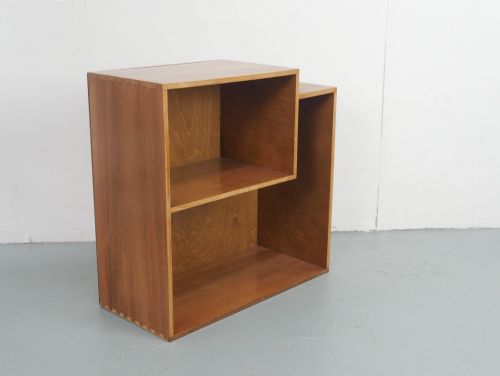
Buyers seeking wooden bedside units encounter a varied selection of compact bedroom furniture, predominantly taking the form of small chests of drawers, pedestal cabinets and open bedside tables. The pieces on this page draw from Victorian, Edwardian and Georgian periods, alongside mid-century and French provincial styles.
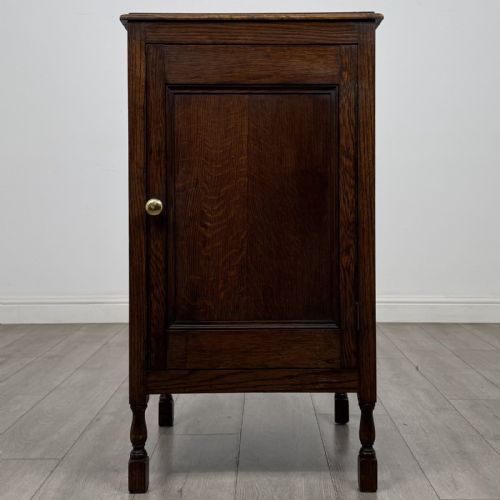
Mahogany and oak appear most frequently as the primary woods, often shaped into narrow proportions suited for placement beside a bed. Cabinets with panelled doors and small chests with raised galleries represent the common configurations recorded across the listings.
How they were made
Cabinet makers utilised dense hardwoods such as mahogany, walnut and solid oak to construct durable frames capable of withstanding daily domestic use. Grain selection played a significant role, with burr walnut and golden oak chosen for their distinct surface patterns.
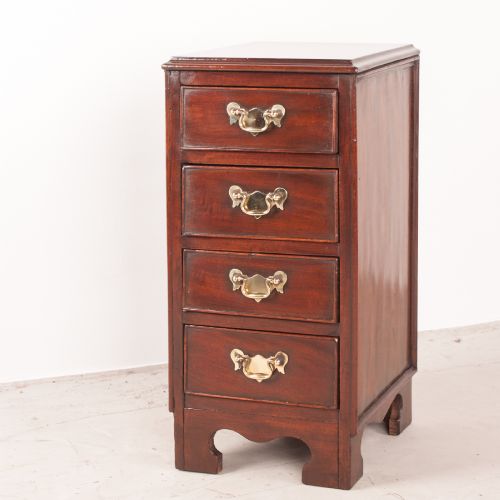
Construction techniques include turned wooden legs, brass hardware fittings, and raised galleries designed to prevent items rolling off the top surface. Joinery methods relied on traditional drawer box construction and pegged joints.
Wooden Bedside Units Retail Price Guide 2026
Typical asking prices for wooden bedside units among the pieces listed under this phrase on Sellingantiques today, from the lower quarter to the upper quarter. They describe what is for sale here now, not the wider market.
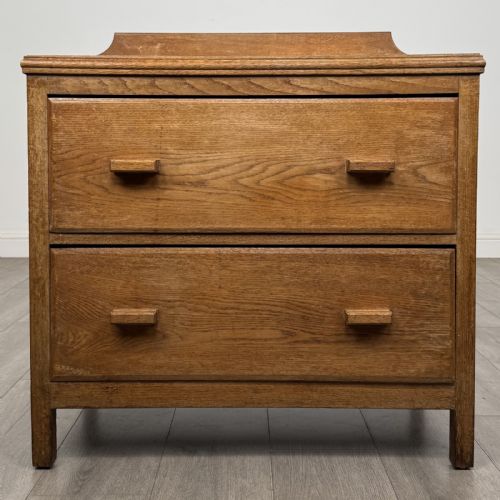
A tiny golden oak chest keeps watch with a raised gallery, ensuring nothing escapes the night.
What varies in quality
Quality diverges significantly between utilitarian bedroom storage and pieces finished with refined decorative detailing. The handling of secondary timbers, the precision of drawer movement and the choice of brass hardware distinguish simpler items from finer examples.
The integration of specific stylistic elements, such as turned legs on an etagere or a raised gallery on an oak chest, marks the difference in craftsmanship across the available periods.
Denby and Spinks
The Wooden Bedside Units Glossary
- Gallery
- A raised wooden or brass rail positioned around the top edge of a small chest or cabinet to retain items placed upon it.
- Pedestal cabinet
- A single-door enclosed bedside cupboard designed to house chamber pots or nighttime necessities.
- Etagere
- An open tiered piece of furniture featuring multiple shelves supported by slender uprights.
- Secondary timber
- The interior or less visible wood utilised in drawer linings and carcase backs, indicating the overall standard of construction.
Wooden Bedside Units: Frequently Asked Questions
What periods do these bedside units represent?
The selection spans from Georgian and Victorian eras through to the Edwardian period and the 1930s. Mid-century and French provincial influences also appear among the designs.
Each period brings distinct proportions and timber choices, from heavy Victorian mahogany to lighter Edwardian oak.
Are these pieces made from solid wood?
The listings feature pieces constructed from solid oak, mahogany, walnut and teak. Cabinet makers frequently combined solid primary woods with complementary secondary timbers for internal components.
Surfaces often display natural grain patterns enhanced by traditional polishing techniques.
How do small chests differ from bedside cabinets?
Small chests provide multiple stacked drawers for enclosed storage, whereas pedestal cabinets typically feature a single cupboard door opening to an internal compartment.
Some listings also offer open shelf configurations for accessible bedside placement.
How do I identify an Edwardian bedside unit?
Edwardian items frequently utilise lighter mahogany or golden oak frames, sometimes incorporating raised galleries or simplified proportions suited to smaller bedrooms.
These pieces reflect the transition away from heavier Victorian designs towards more restrained domestic furniture.