


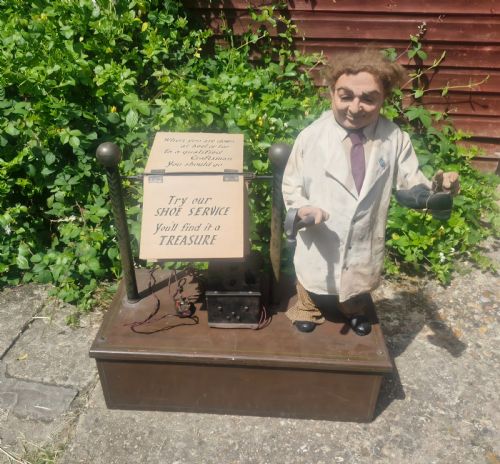


Wooden Base Display
These wooden base display pieces range from glass domes to plant stands, offering sturdy foundations for curiosities.
Wooden Base Display
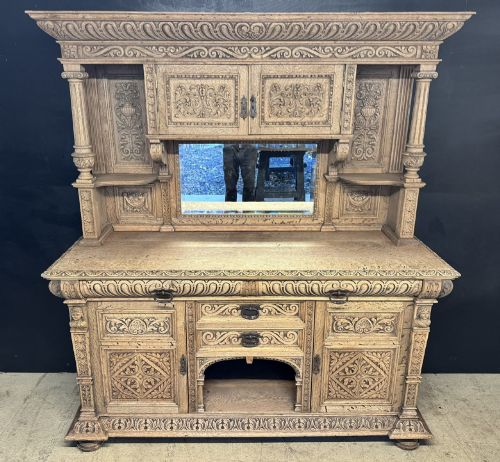
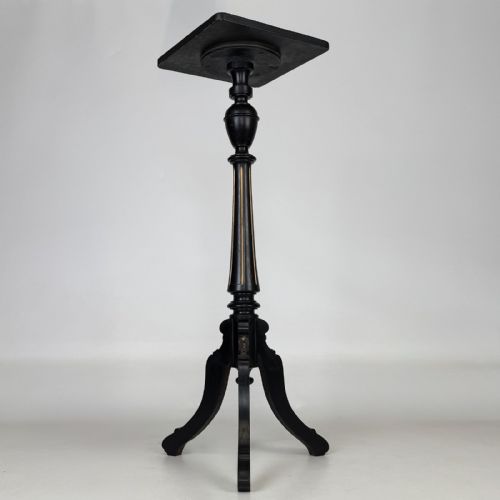
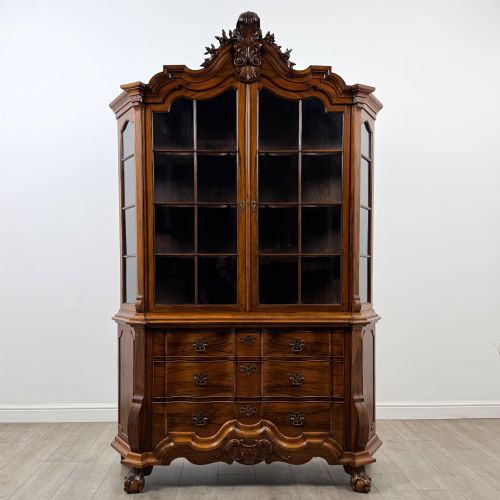
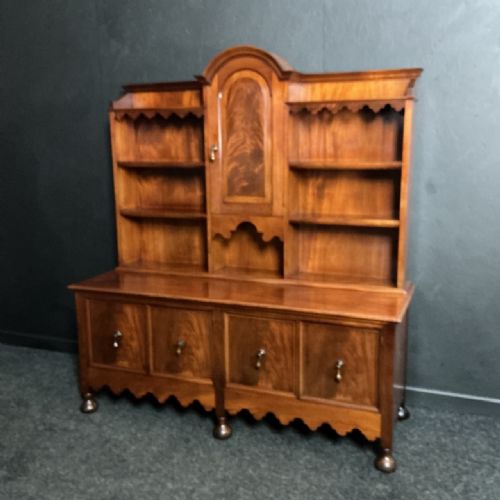
A wooden base display encompasses items designed to support or showcase objects, ranging from plant stands and torchères to glass domes with wooden bottoms. Buyers searching for a wooden base display encounter diverse forms including pedestals, music stands, and display cabinets.
How they were made
Craftsmen utilised traditional timbers such as mahogany, oak, walnut, pine, and ebonised wood to construct these stands and bases. Glass domes were paired with turned wooden bases, while plant stands and pedestals frequently incorporated brass hardware or marble inserts.
Joinery methods varied according to the period and form, utilising solid hardwoods alongside decorative veneers. Carved details, inlaid sections, and painted finishes appear across nineteenth and twentieth-century examples.
Wooden Base Display Retail Price Guide 2026
Typical asking prices for wooden base display among the pieces listed under this phrase on Sellingantiques today, from the lower quarter to the upper quarter. They describe what is for sale here now, not the wider market.
Keep an eye out for automated cobbler shop models sharing space with elegant nineteenth-century plant stands.
What varies in quality
The distinction between tiers rests upon timber selection and the precision of the turning or carving. Superior examples exhibit finely figured mahogany or walnut, balanced proportions, and robust structural integrity in weight-bearing columns and bases.
Refinement of detail dictates the standing of a piece, from simple utilitarian pine structures to elaborately carved walnut pedestals and inlaid display columns. Original glass domes paired with matching timber bases command particular attention for their completeness.
The Wooden Base Display Glossary
- Torchère
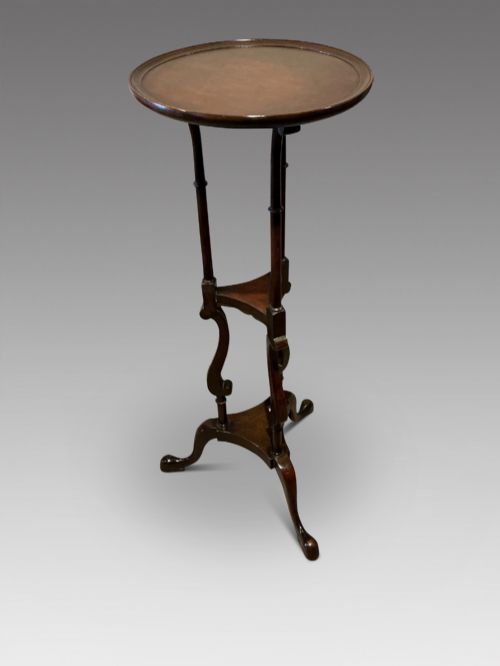
- A tall, slender stand designed to support a lamp, plant, or decorative object. These pieces typically feature a circular top supported by a single central column and a tripod or weighted base.
- Pedestal
- A structural support or column used to elevate sculptures, vases, or display items. They appear in wood, marble, and composite forms across various historical periods.
- Ebonised
- Wood treated with a finish to imitate ebony. This dark, polished surface was popular during the Victorian era for furniture and decorative display bases.
- Cloche
- A bell-shaped glass cover used to protect and display delicate objects or taxidermy. They sit upon fitted wooden bases, often incorporating grooves to secure the glass.
- Treen
- Small handmade wooden domestic objects. These items often feature turned or carved wooden bases used for display purposes.
Wooden Base Display: Frequently Asked Questions
What fits on a wooden base display?
These bases accommodate a wide array of items, from glass-domed taxidermy and botanical specimens to ceramic vases and sculptural models. The intended object depends entirely on the specific form of the base, whether a flat plinth, a recessed tray, or an elevated column.
Larger cylindrical pedestals suit heavy bronze figures or large urns, whereas smaller treen bases and glass domes house delicate curiosities, pocket watches, or preserved flora.
How do I date a wooden base display?
Dating relies upon timber choices, construction techniques, and stylistic markers associated with specific eras such as Georgian, Victorian, or Edwardian design. Mahogany and heavy walnut frequently indicate nineteenth-century manufacture, while lighter oak and ash point towards Arts and Crafts or Art Deco periods.
Examining the underside and hidden joinery reveals hand-tool marks or early metal fixings that help establish the period of origin more accurately than surface appearance alone.
Where should I place a display pedestal?
Display pedestals and torchères require stable flooring and adequate clearance to showcase three-dimensional objects effectively. Placing them in corners or against neutral walls highlights the silhouette of the stand and the object it supports.
Consider natural light levels when positioning glass-domed displays to avoid direct solar glare on sensitive specimens or historic items housed within.
Are these display bases stable?
Most antique display pieces are engineered with weighted or tripod bases to ensure stability under normal conditions. Heavier marble inserts or substantial timber feet provide the necessary counterweight for taller columns and plant stands.
Ensuring the display object is evenly centered on the platform maintains equilibrium, particularly on adjustable or slender music stands and torchères.