

Wooden Art Stand
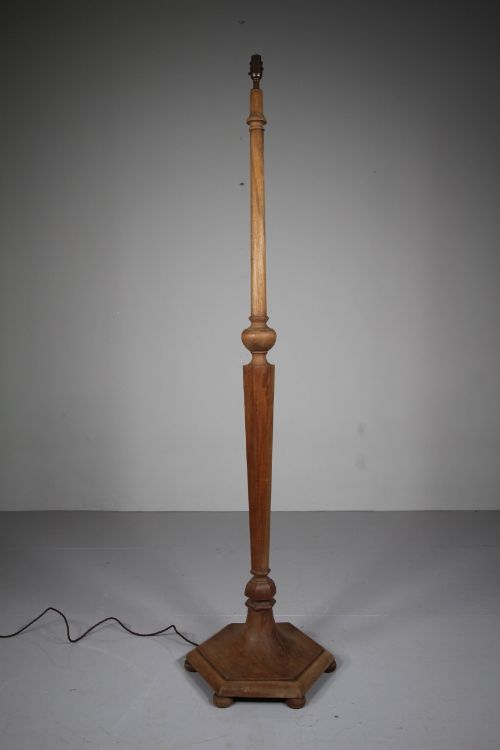
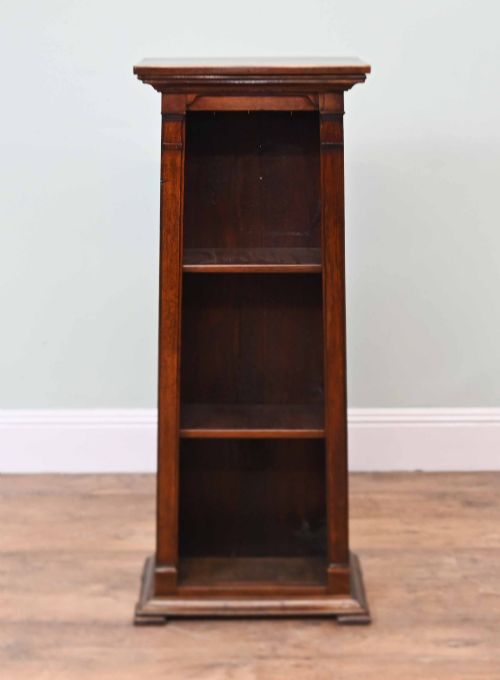
These wooden art stand pieces are functional timber supports and display frames built to hold books, paintings, plants, and umbrellas.
Wooden Art Stand
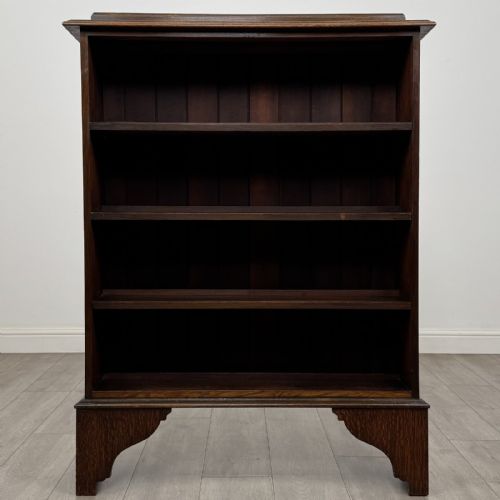
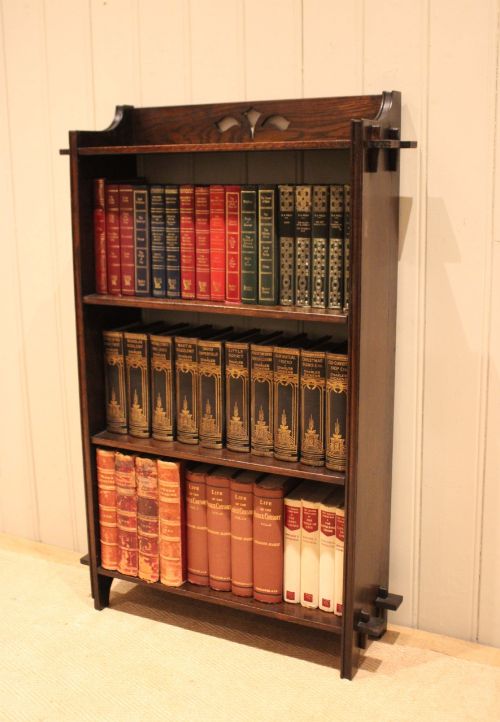
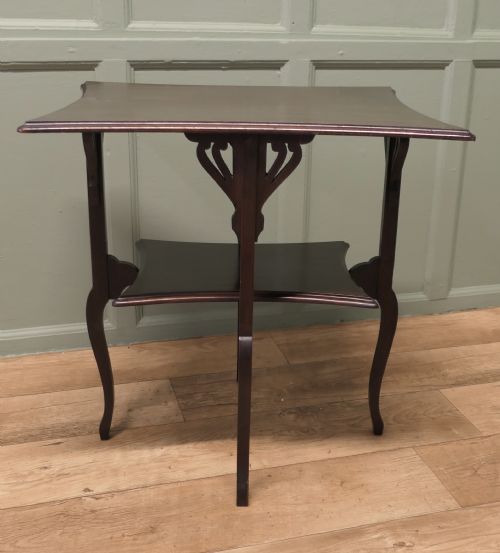
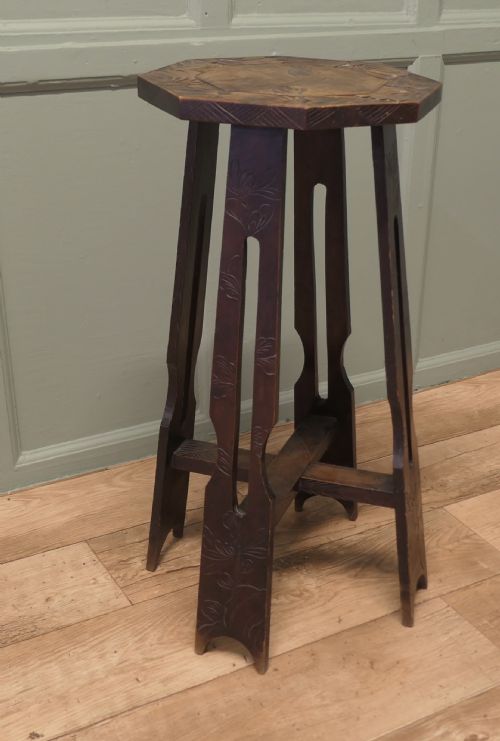
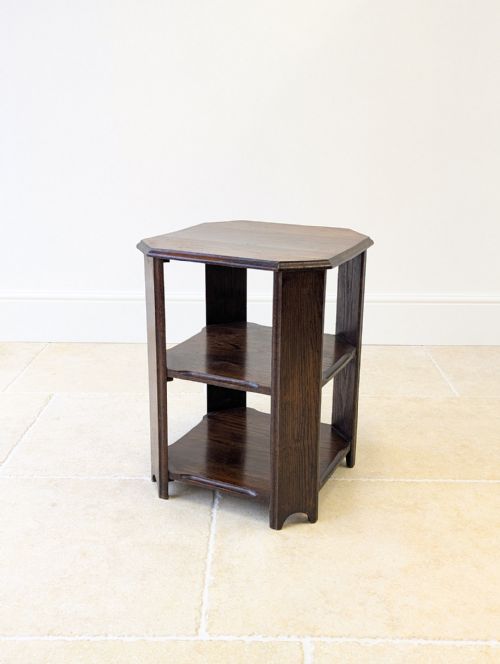
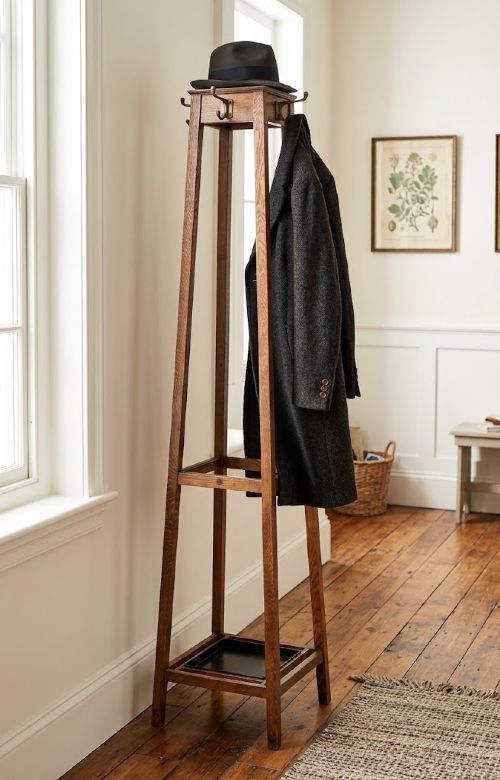
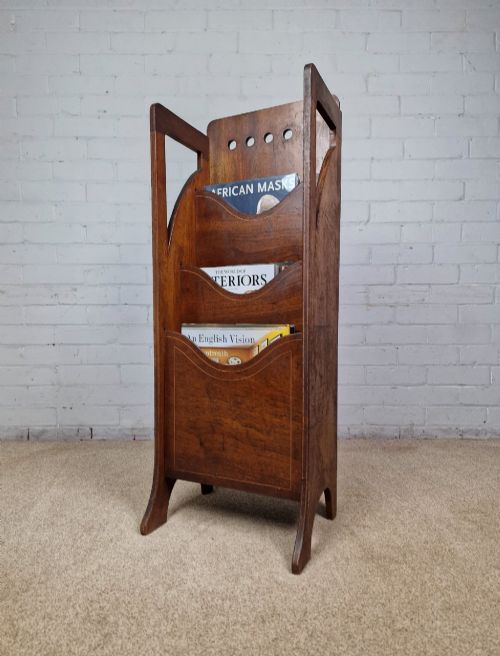
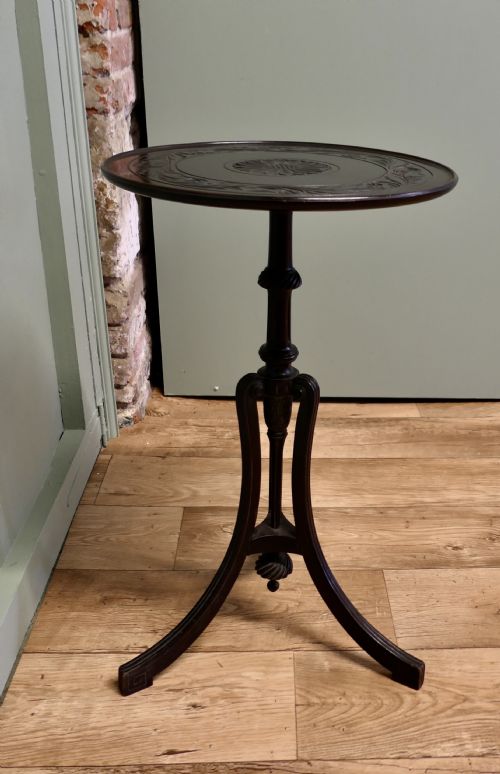
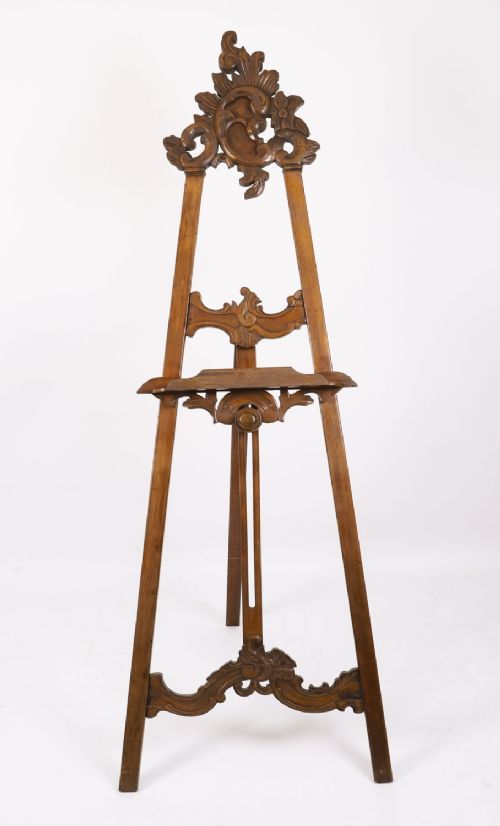
A wooden art stand takes many forms across this selection, appearing most frequently as plant stands, occasional tables, easels, and umbrella stands. These items span periods from the nineteenth century through the 1930s, encompassing Edwardian, Victorian, and early twentieth-century examples.
Makers and designers working within the Arts and Crafts, Art Nouveau, and Aesthetic movements produced much of what is seen here. Buyers will encounter oak, mahogany, and walnut items that served utilitarian roles in domestic and commercial spaces.
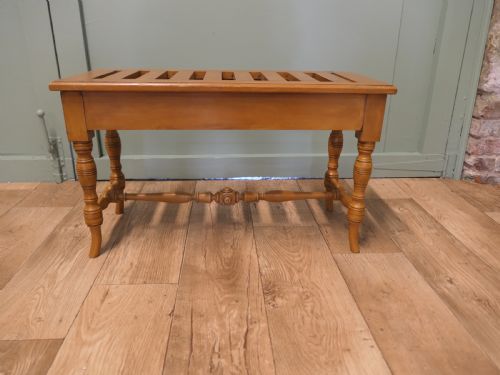
The objects range from floor-standing display easels and music cabinets to shelved bookcases and luggage racks. Oak remains the predominant timber, often finished in golden or dark tones suited to period interiors.
How they were made
Craftsmen utilised solid timbers such as oak, walnut, and mahogany, frequently pairing the wood with brass, iron, and glass details. Construction methods relied on traditional joinery, chip carving, and structural turnings appropriate to each period.
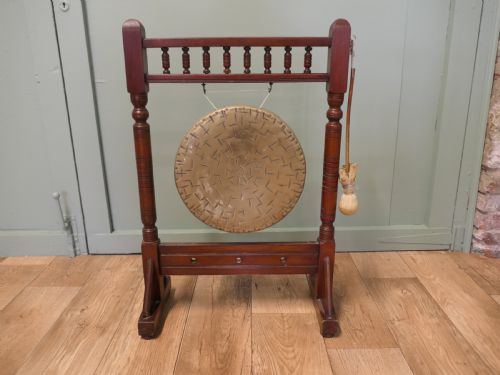
Surface treatments included original paint, ebonising, and hand-carved ornamentation, particularly on Arts and Crafts and Art Nouveau pieces. Metal fittings like brass rods and hooks provided functional support for items such as sticks, umbrellas, and dinner gongs.
Listings feature oak as the dominant wood, alongside walnut and mahogany, spanning the Victorian era to the 1930s.
What varies in quality
Quality in these timber supports rests on the integrity of the joinery, the selection of figured or quarter-sawn grain, and the preservation of original surfaces. Pieces bearing attribution to recognised workshops or designers demonstrate superior hand-craftsmanship in their carving and inlay.
The refinement of structural proportions and the integration of secondary materials like brass hardware differentiate standard utility items from more ambitious decorative examples. Original paint and untouched patina elevate the standing of simpler folk or rustic items.
Liberty & Co·Finnigans·Bulstrode Cambridge·Heals·GM Elwood·JS Henry·William Birch
The Wooden Art Stand Glossary
- Arts and Crafts
- A design movement emphasising hand-craftsmanship, simple forms, and traditional joinery. It developed as a reaction against machine production in the late nineteenth century.
- Easel
- A standing frame used to support an artist's canvas or to display a finished picture, book, or panel. Floor-standing and tabletop variants appear in timber.
- Occasional table
- A small, movable table designed for a specific, intermittent use in a room. Examples in these listings often feature square or octagonal tops.
- Plant stand
- A tall, slender piece of furniture designed to elevate potted plants. They are constructed in tiers or single columns using oak or mahogany.
- Ebonised
- Wood treated with a chemical stain or finish to imitate ebony. This dark finish was popular in Aesthetic movement and Victorian furniture.
Wooden Art Stand: Frequently Asked Questions
What is a wooden art stand used for?
These pieces support and display items such as paintings, books, plants, and umbrellas in domestic settings.
They serve both practical storage roles and decorative display functions within a room.
How do I identify an Arts and Crafts piece?
Look for visible construction details, solid oak timbers, and hand-carved ornamentation rather than applied factory veneers.
Pieces from this movement often prioritize simple utility and honest materials over excessive ornamentation.
Are these stands suitable for modern homes?
Their compact footprints and functional designs allow them to fit easily into contemporary hallways, studies, and living rooms.
They offer practical utility while introducing period character through traditional timber and craftsmanship.
How should I care for antique timber?
Keep wooden surfaces away from direct heat sources and sudden humidity changes to prevent timber splitting.
Apply a microcrystalline wax periodically to nourish the grain and protect the original finish.