




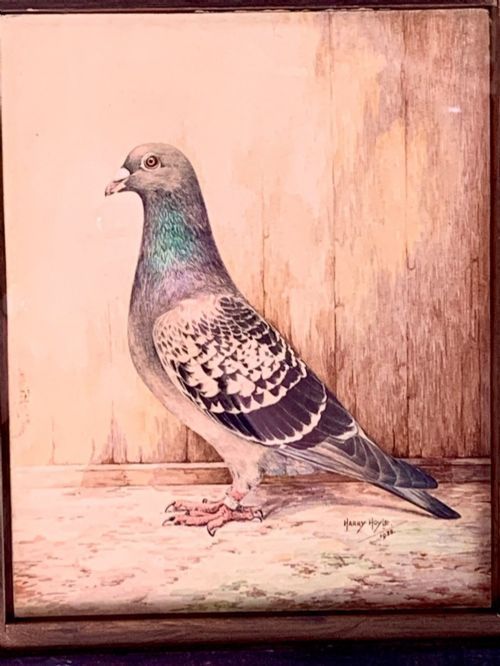
Wooden Art Frame
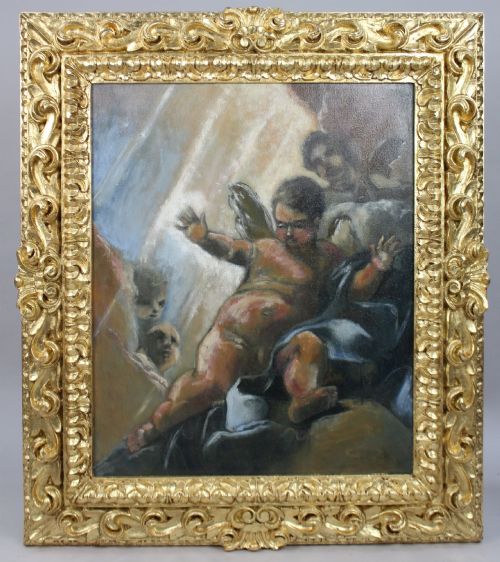
A wooden art frame holds together centuries of paintings, mirrors and prints through carved timber and gold leaf.
Wooden Art Frame
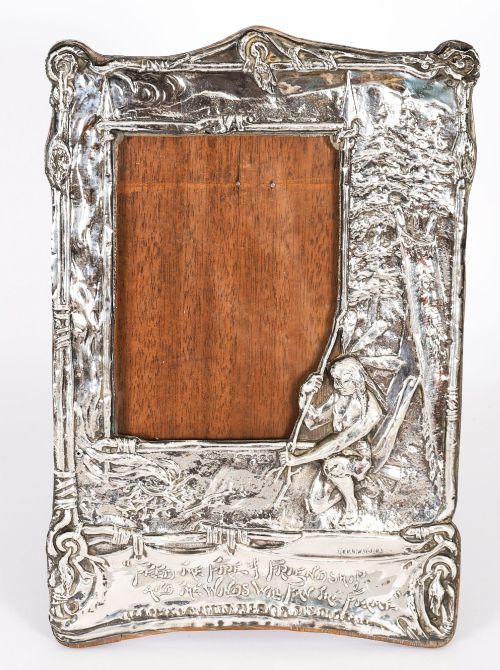
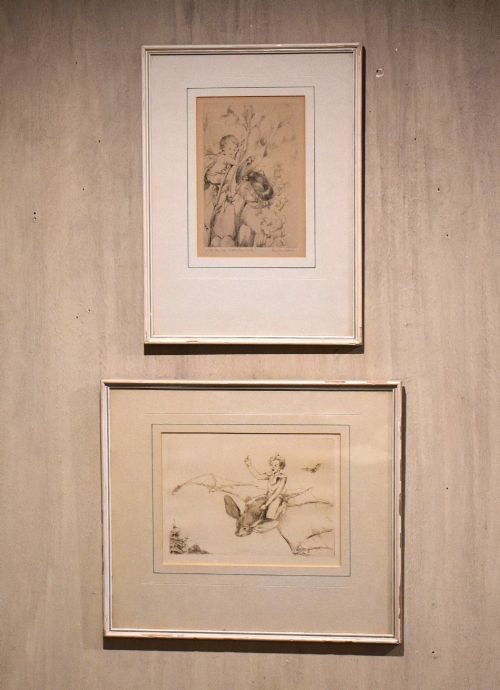
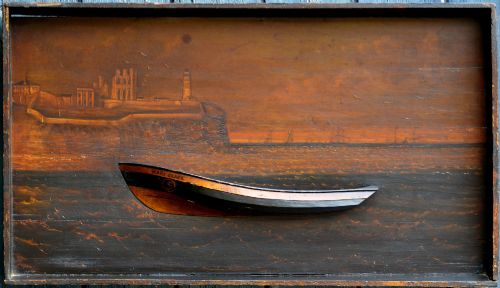
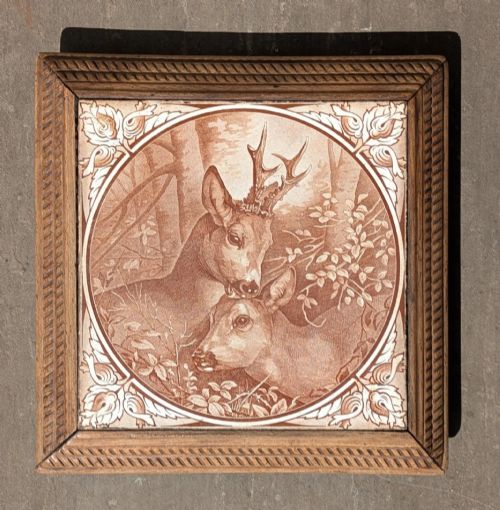
When you search for a wooden art frame, you encounter borders designed to enclose paintings, mirrors and panels across periods from the seventeenth century to the mid-twentieth century. The selection spans Victorian, Edwardian, Art Deco and Arts and Crafts styles, often housing oils, watercolours and engravings.
You are most likely to meet pieces forged from oak, fruitwood, walnut and gilt wood, frequently accompanying mirrors and portraits. These surrounds give structure and finish to works on canvas, paper and panel.
Makers and workshops construct these housings to protect and elevate the visual impact of the art within. The form ranges from simple moulded timber to carved and gilded decoration.
Materials and Techniques
Makers utilise solid woods such as oak, walnut, fruitwood and chestnut, shaping them through joinery and carving. Surfaces often receive ebonising or gold leaf application to achieve specific aesthetic qualities.
Craftsmen combine timber with glass, paper, oil paint and canvas to complete the framed pieces. Construction relies on traditional woodworking joints to secure the structural integrity of the surround.
Wooden Art Frame Retail Price Guide 2026
Typical asking prices for wooden art frame among the pieces listed under this phrase on Sellingantiques today, from the lower quarter to the upper quarter. They describe what is for sale here now, not the wider market.
Listings feature wooden art frames spanning the seventeenth century through to the mid-twentieth century, incorporating oak, walnut, and gold leaf materials.
Markers of Quality
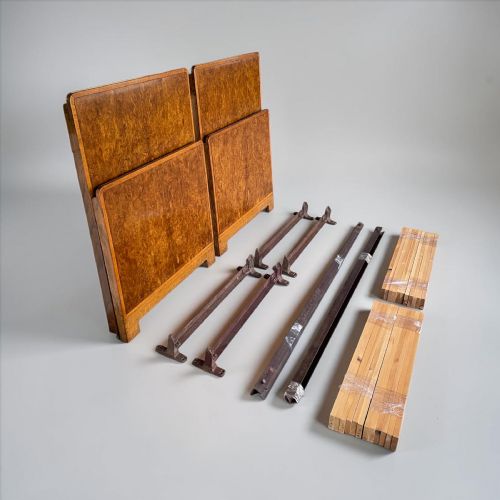
The distinction between tiers rests upon the depth of hand-carving and the quality of the timber grain, such as burr walnut or figured fruitwood. Superior examples display meticulous joinery and refined surface treatments like genuine gold leaf rather than plain paint.
Artistry in the moulding profile and the preservation of original finishes dictate the standing of a piece. Finer items exhibit crisp detail in decorative elements and harmonious proportions relative to the artwork contained.
Jason and Joseph Kohn·Marjorie L Davies·Cornelis Van Der Voort·Irene Christobelle Pownoll Williams·Bruce Bairnsfather·Stanley Webb Davies·Oliver Morel·John Hassall·Thomas Barker of Bath·Robert W Macbeth·Clive Browne·Waring & Gillow England·Joseph H Barnes·Blaeu
The Wooden Art Frame Glossary
- Giltwood
- Timber coated with gold leaf or gold paint to create a lustrous decorative surface. This finish appears frequently on nineteenth-century and earlier mirror and picture surrounds.
- Art Nouveau
- A style characterised by organic, flowing lines and natural motifs, prominent around nineteen hundred. Frames from this period often feature carved plant tendrils and sinuous curves.
- Art Deco
- A design movement from the nineteen-thirties favouring geometric shapes, clean lines and sleek materials like burr walnut. Surrounds in this style emphasise symmetry and streamlined forms.
- Arts and Crafts
- A movement prioritising traditional craftsmanship and visible construction methods using solid woods. Pieces from this tradition showcase the natural grain of oak and chestnut.
- Regency
- A style spanning the early nineteenth century defined by classical restraint and elegance. Frames from this era often incorporate restrained classical ornamentation and gilt finishes.
Wooden Art Frame: Frequently Asked Questions
How do I date a wooden art frame?
Dating relies on identifying the underlying wood species, joint construction methods and decorative styles. Periods like Art Deco and Regency exhibit distinct profiles that match the framing conventions of their time.
Examining the backboards, fixings and any maker stamps or labels provides further clues to the decade of manufacture. Comparing the style to documented pieces helps narrow down the era.
What woods were commonly used?
Makers utilised native and exotic timbers including oak, walnut, fruitwood, chestnut and ebonised wood. The choice often depended on the prevailing style of the period and the desired finish.
Softer woods served as a base for gilt gesso work, while hardwoods like oak and walnut appeared in visible structural surrounds where the grain added texture.
How do I hang a heavy framed piece?
Heavy frames require sturdy wall fixings such as brass mirror plates or heavy-duty D-rings screwed securely into the wooden sides. Steel wire or chain rated for the weight ensures stable suspension.
Consulting a professional installer helps prevent wall damage when mounting large wooden surrounds containing glass and oil paintings.