
Wooden Apothecary Drawers
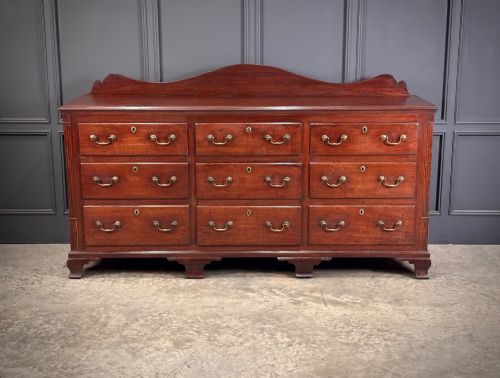
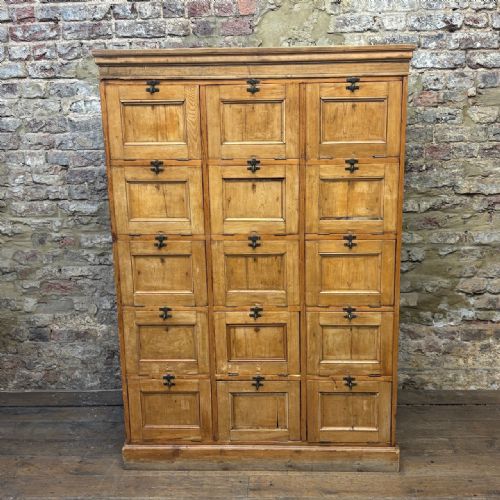
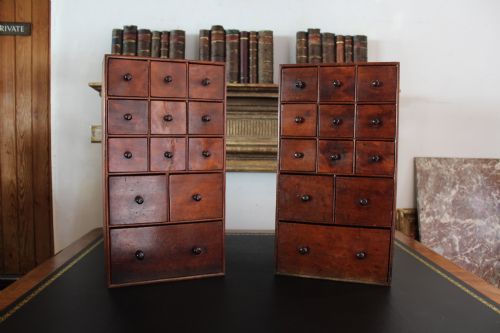
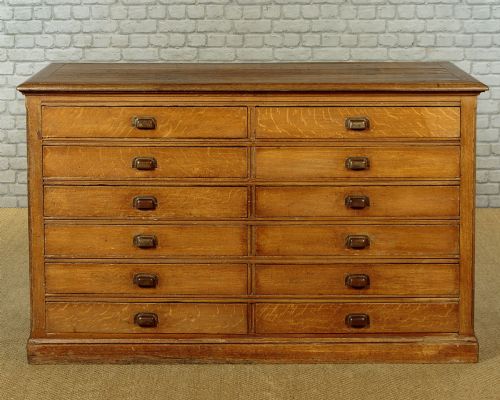
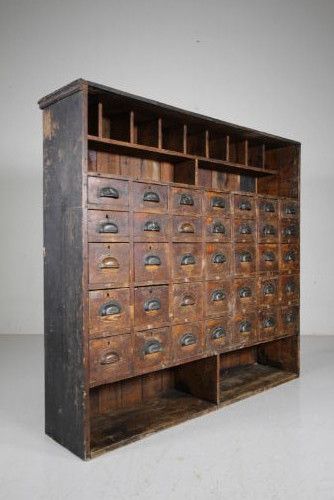
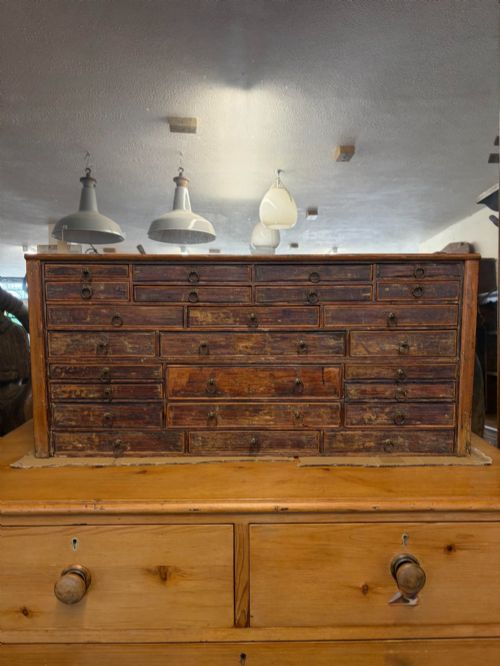
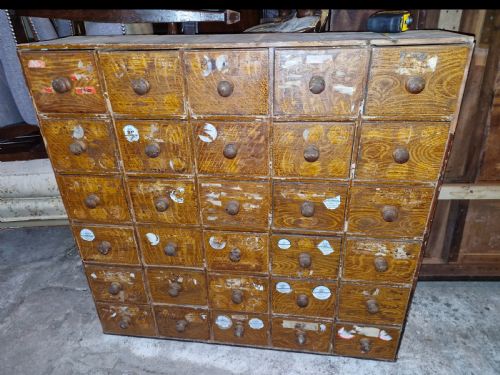
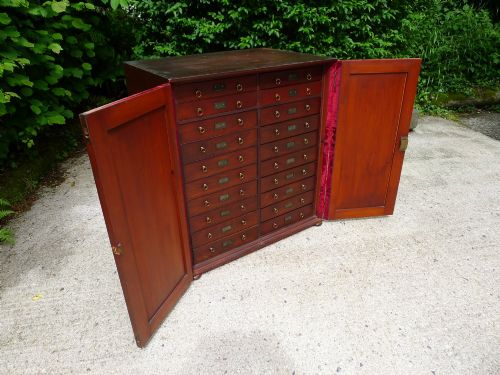
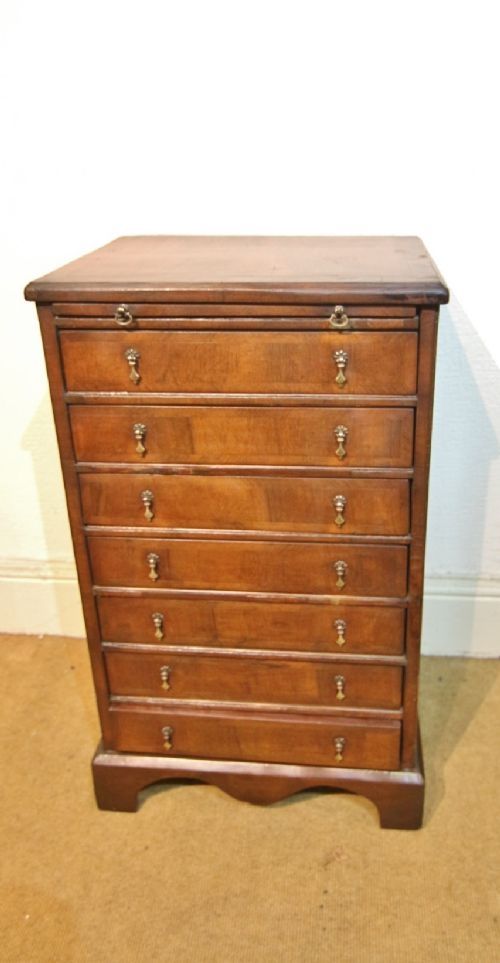
Wooden apothecary drawers are robust multi-drawer cabinets designed for holding remedies and supplies, bringing genuine historic utility and compartmentalised storage to a room.
Wooden Apothecary Drawers
When searching for wooden apothecary drawers, you encounter a specialised form of multi-drawer cabinetry originally built for pharmacies, medical storage, and domestic organisation.
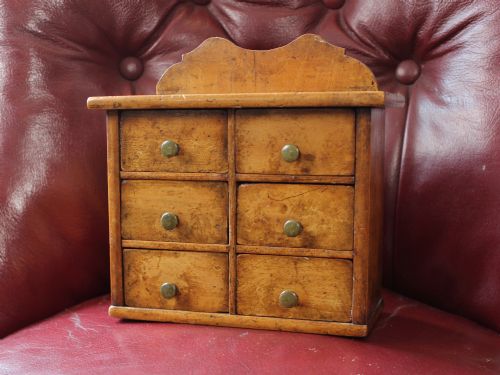
The selections span functional banks of drawers, chemist shop fittings, and compact spice cabinets originating from the eighteenth, nineteenth, and early twentieth centuries.
Victorian and Edwardian examples dominate the offerings, appearing alongside earlier eighteenth-century spice cupboards and industrial storage pieces.
Materials and construction methods
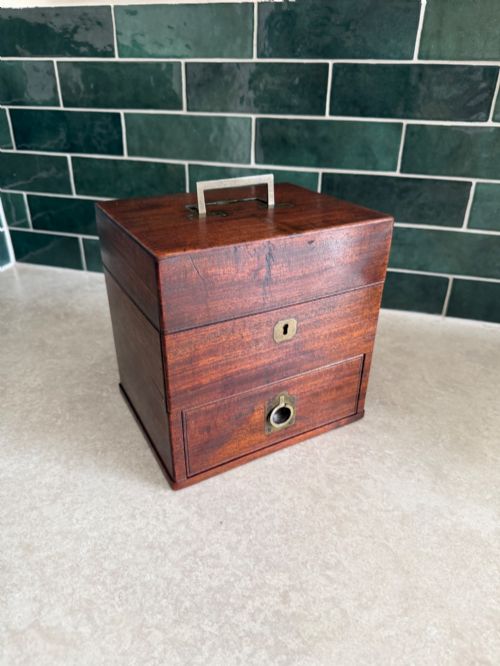
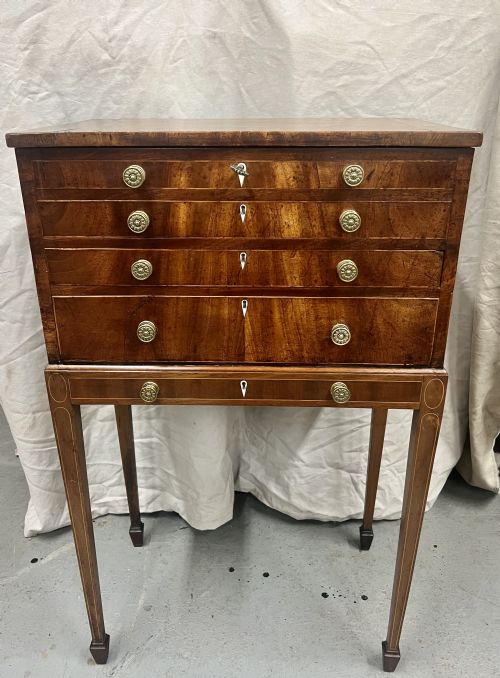
Cabinet makers utilised a range of timbers including pine, mahogany, oak, walnut, fruitwood, and deal to construct these sturdy multi-drawer carcasses.
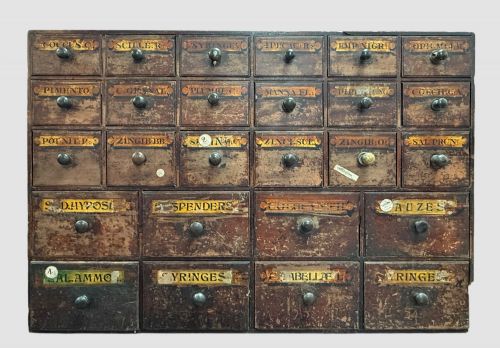
Metal elements such as brass pulls, handles, and occasional glass panels were integrated into the drawer fronts and doors for identification and daily pharmacy use.
The listings on this site feature pine, mahogany, oak, and walnut across eighteenth, nineteenth, and early twentieth-century periods.
Distinctions in construction and character
The tier between standard utility storage and finer collector pieces rests in the selection of primary timbers, such as figured mahogany or walnut versus utilitarian stained pine.
Original hardware, sound drawer construction, and untouched surfaces elevate an individual cabinet from a simple workshop fixture to a distinguished interior centrepiece.
Luxmore's of Ilfracombe·D Napier & Sons
The Wooden Apothecary Drawers Glossary
- Bank of drawers
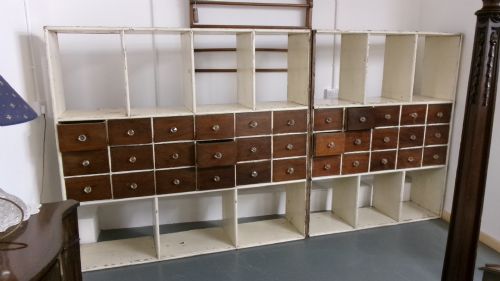
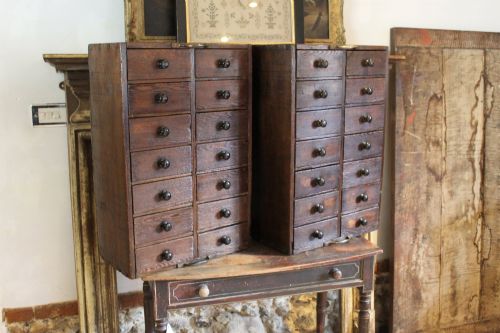
- A large multi-drawer cabinetry unit designed for heavy storage. These pieces typically contain numerous small compartments for organised sorting.
- Specimen cabinet
- A specialised storage unit built to house natural history collections or small objects. They often feature shallow drawers to protect delicate items.
- Spice cabinet
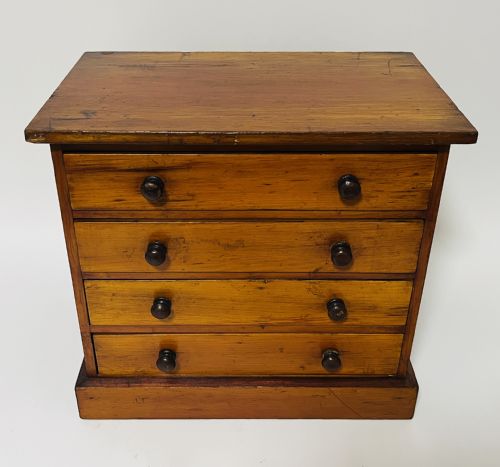
- A small wall-hanging or table-top chest used historically for culinary ingredients. These domestic pieces date frequently to the eighteenth and nineteenth centuries.
- Deal
- A historical term for softwood timber, particularly pine or fir. Cabinet makers utilised deal extensively for secondary framing and painted furniture carcasses.
Wooden Apothecary Drawers: Frequently Asked Questions
What were wooden apothecary drawers used for?
These multi-drawer cabinets stored dried herbs, botanical remedies, and compounding ingredients in historical chemists, apothecaries, and dispensaries.
Domestic versions served similar organizational purposes for spices, watch repair parts, and natural history specimens in private homes.
How do I identify a Victorian apothecary cabinet?
Victorian examples often display characteristic pine, mahogany, or walnut construction paired with brass label holders and turned wooden pulls.
Construction details and period secondary woods help distinguish these nineteenth-century shop fittings from later reproductions.
Where should I place a bank of drawers?
A substantial multi-drawer cabinet functions effectively as a sideboard in a dining room or as a statement storage piece in a hallway.
Smaller spice boxes and specimen chests mount securely on walls or sit comfortably upon desks and work tables.
What is the difference between a spice cabinet and a chemist chest?
Spice cabinets are generally smaller domestic units, occasionally wall-hanging, designed for household culinary supplies.
Chemist chests and apothecary banks are larger commercial shop fittings containing numerous numbered drawers built for professional pharmacy use.