





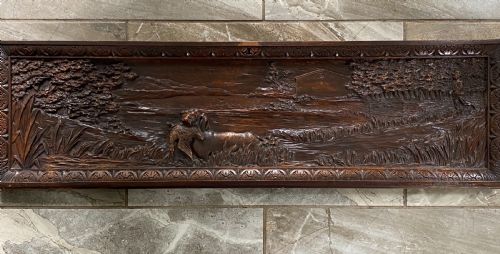
Wooden Gun
These wooden antique gun items span firearms, storage cabinets and artillery models, offering both utilitarian construction and period craftsmanship.
Wooden Gun
When searching for a wooden antique gun, buyers encounter a mix of functional firearms, display models, and fitted storage furniture from various centuries. The selection covers flintlock rifles, matchlock muskets, and signal cannons alongside oak and walnut cabinets designed to house them securely.
Most firearms and artillery models date from the 18th and 19th centuries, reflecting military and maritime traditions across European, Ottoman, and regional aesthetics. Cabinets and storage racks provide the necessary domestic housing for these pieces, utilising traditional timbers that match the era of the arms.
Materials and construction
Makers utilised dense hardwoods such as oak and walnut for stocks, racks, and cabinets, combining them with forged steel, brass, and iron for barrels and mechanical components. Bronze and cast iron appear frequently in signal cannons and field models, showing durable casting methods of the period.
Firearms incorporate functional lock mechanisms like flintlock and matchlock systems, fitted alongside wooden stocks carved to fit specific tactical or decorative requirements. Display pieces and cabinets rely on traditional joinery and hand-carved details rather than modern adhesives.
Wooden Gun Retail Price Guide 2026
Typical asking prices for wooden gun among the pieces listed under this phrase on Sellingantiques today, from the lower quarter to the upper quarter. They describe what is for sale here now, not the wider market.
Some cabinets are tall enough to hide a very upright butler inside, though they were strictly meant for muskets.
Evaluating craftsmanship and condition
Quality rests in the precision of the metal mechanics and the integrity of the timber work, where finer pieces display crisp carving, unblemished wood grain, and original metal components without excessive modern replacement parts. Maker inscriptions and regional decorative motifs elevate the historical interest of individual items.
Storage furniture quality is judged by the depth of timber selection, such as figured walnut or quarter-sawn oak, and the robustness of internal fittings designed to secure long guns. Mass-produced or heavily restored items diverge noticeably from examples retaining their original patination and operational assembly.
Colt
The Wooden Gun Glossary
- Flintlock
- An ignition mechanism for firearms that uses a flint struck against a steel frizzen to create sparks for gunpowder ignition. This system dominated military and civilian arms throughout the 18th and early 19th centuries.
- Matchlock
- An early type of firearm ignition where a slow-burning match is lowered into a pan of priming powder via a lever. It represents some of the earliest portable firearms found in historical collections.
- Jezail
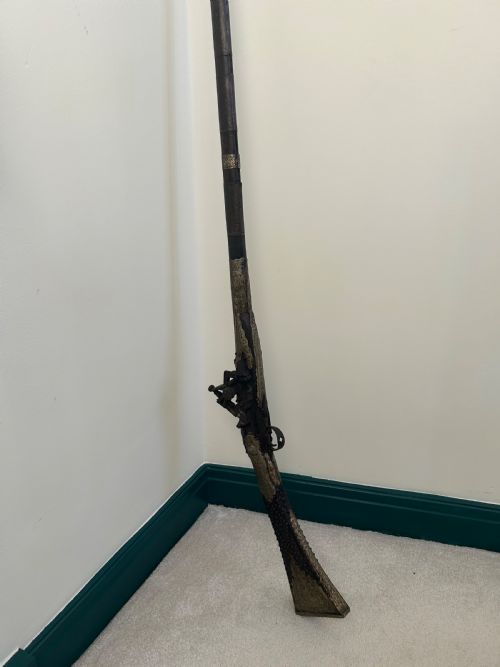
- A style of long gun common in the Middle East and South Asia, characterised by a distinctive curved stock and often flintlock or matchlock firing mechanisms. These arms were widely utilised in tribal and regional conflicts.
- Signal cannon
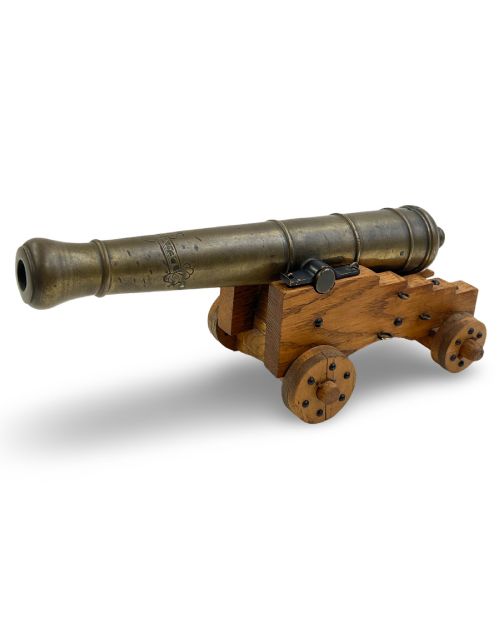
- A small-bore cannon utilised for firing blanks to signal times, start races, or mark maritime events rather than for combat. They frequently feature bronze barrels mounted on wooden or cast iron carriages.
- Gun cabinet
- A specialist piece of furniture constructed to store firearms securely, often featuring fitted interior racks, glass doors, and lower storage compartments. Oak and walnut were common timbers for domestic display.
Wooden Gun: Frequently Asked Questions
What is a wooden antique gun?
A wooden antique gun encompasses historical firearms with wooden stocks, such as flintlock muskets and rifles, alongside wooden storage furniture like gun cabinets and racks.
These items range from 18th-century military arms to Victorian display pieces and Edwardian housing furniture.
How do I date a gun cabinet?
Dating a gun cabinet involves examining the timber species, joinery techniques, and hardware like hinges and locks used in its construction.
Stylistic cues such as Victorian or Edwardian mouldings also help place the piece within its specific historical era.
What is a flintlock mechanism?
A flintlock mechanism uses a piece of flint held in a cock to strike a steel plate, generating sparks that ignite gunpowder to fire the weapon.
This technology was standard for military and hunting arms during the 18th and early 19th centuries.
Where were matchlock muskets made?
Matchlock muskets and related long guns originated across various global regions, including Ottoman territories and South Asia.
They reflect local armory traditions and historical manufacturing methods distinct from European firearms.