

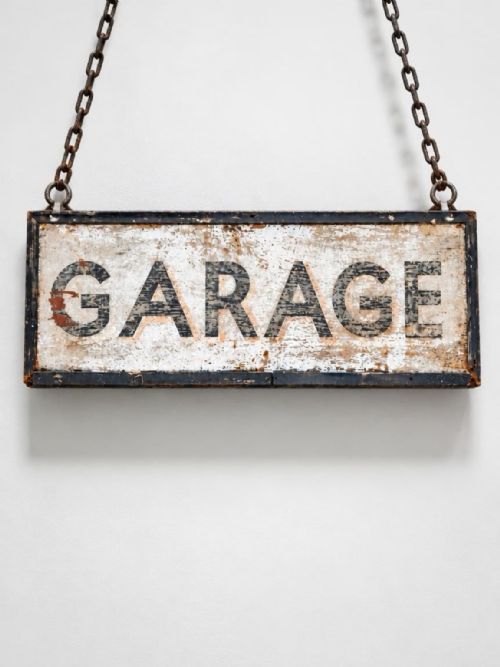
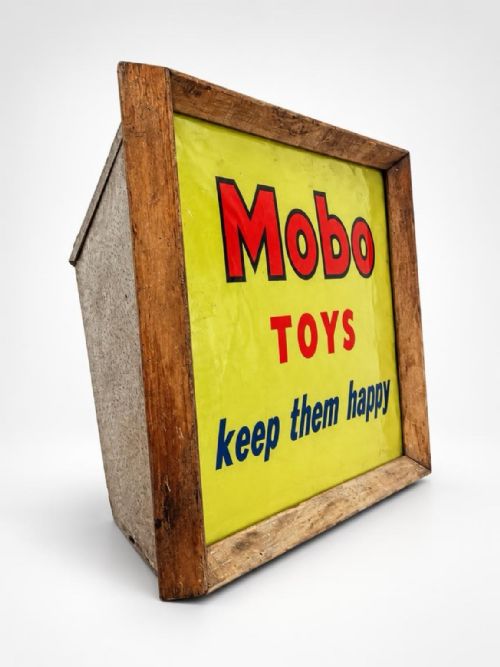
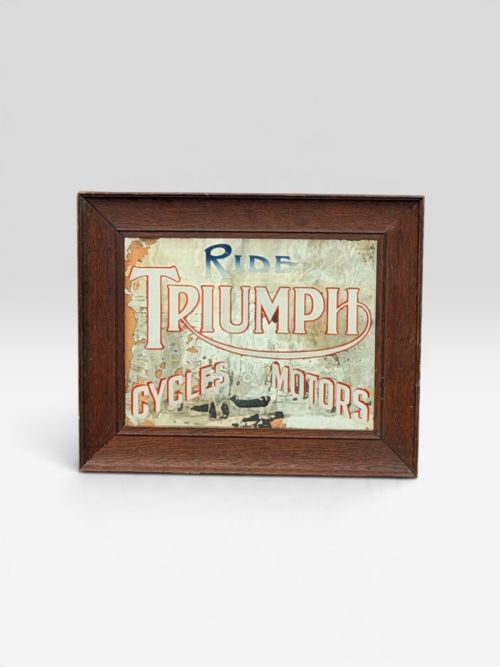
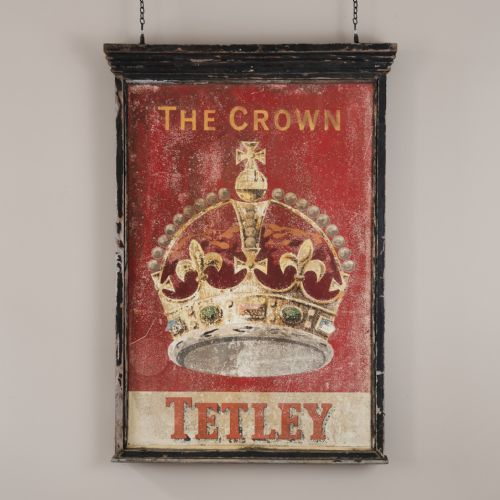






Wooden Advertising Sign
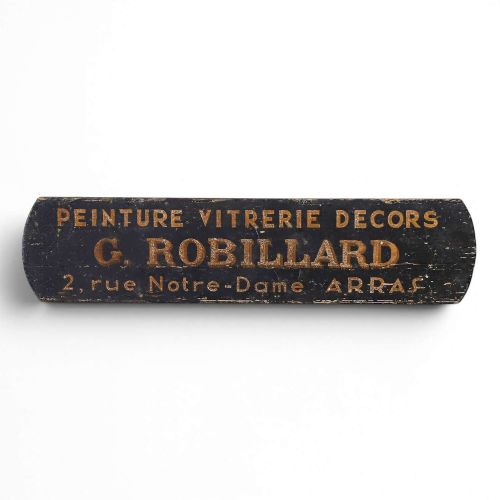
A wooden advertising sign carries the commercial history of the street into the room.
Wooden Advertising Sign
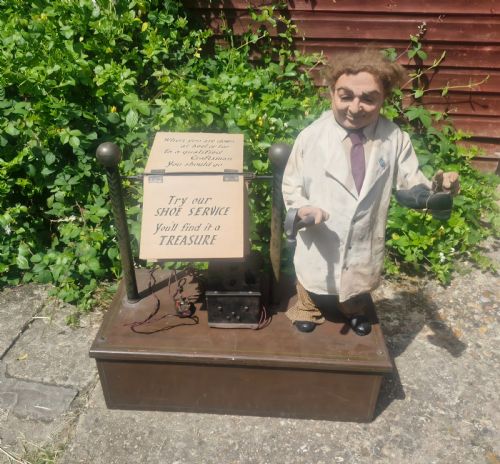
When you search for a wooden advertising sign, you are looking at trade figures, pub boards, and shop displays made to attract customers from the eighteenth to the twentieth century. The selection spans utilitarian boards to carved figures representing specific trades like butchers, tobacconists, and carpenters.
You will most frequently meet pieces from the Victorian and Edwardian eras alongside items from the 1920s and 1930s. These objects range from large double-sided pub signs to countertop display units and painted boards housed in wooden frames.
The origins stretch across British and French workshops, encompassing folk art carvings and commercial pieces created for local businesses. Each form serves as a tangible record of past trades, utilising timber and paint to communicate a service or product.
How they were made
Constructed primarily from timber and oak, these signs and figures rely on traditional carpentry and carving techniques. Craftsmen shaped solid wood blocks into trade figures or joined planks to form sturdy mounting boards and cabinets.
Wooden Advertising Sign Retail Price Guide 2026
Typical asking prices for wooden advertising sign among the pieces listed under this phrase on Sellingantiques today, from the lower quarter to the upper quarter. They describe what is for sale here now, not the wider market.
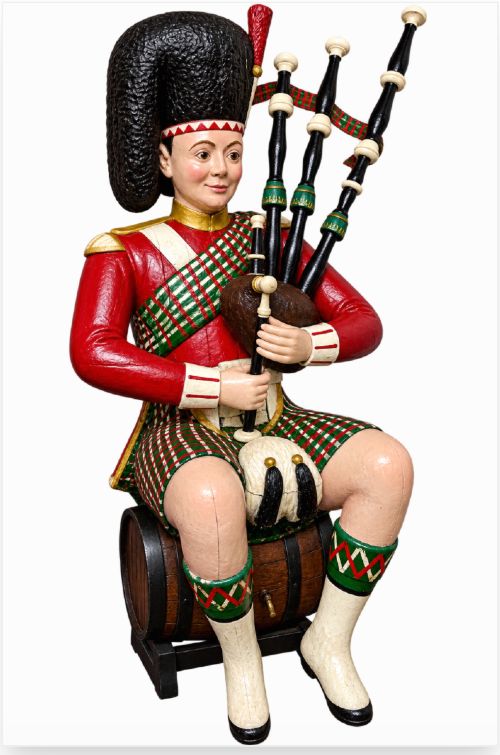
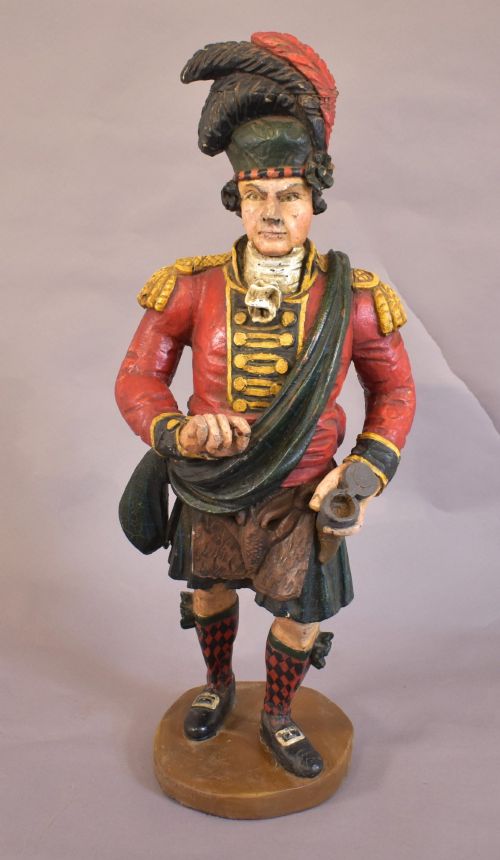
A Highland bagpiper stands ready to sell tobacco.
What varies in quality
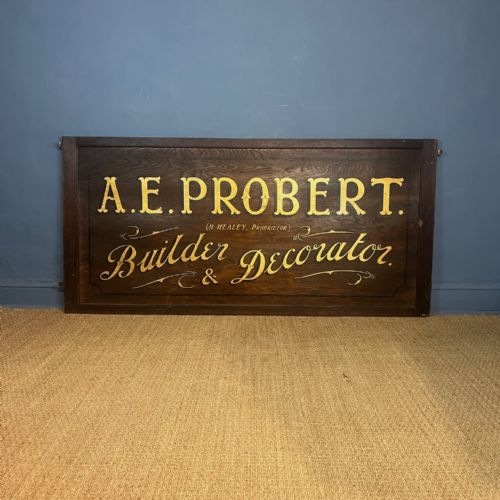
The standard of a wooden advertising sign is determined by the depth of the carving and the skill of the signwriter. Superior examples display confident lettering, anatomical accuracy in trade figures, and harmonious proportions.
Originality of surface paint strongly influences the character of a piece. Signs retaining their untouched nineteenth or early twentieth-century layers hold greater visual integrity than those subjected to modern repainting.
Cadburys Chocolate·Tetley·Watsons Matchless Soap·GBD
The Wooden Advertising Sign Glossary
- Trade sign
- A board, figure, or object hung outside a shop or tavern to advertise the proprietor's business. These items were essential for identification in eras when street numbering was less common.
- Gold leaf
- Gold beaten into extremely thin sheets and applied to surfaces using an adhesive size. It appears on lettering and highlights to catch the light and command attention from the street.
- Trade figure
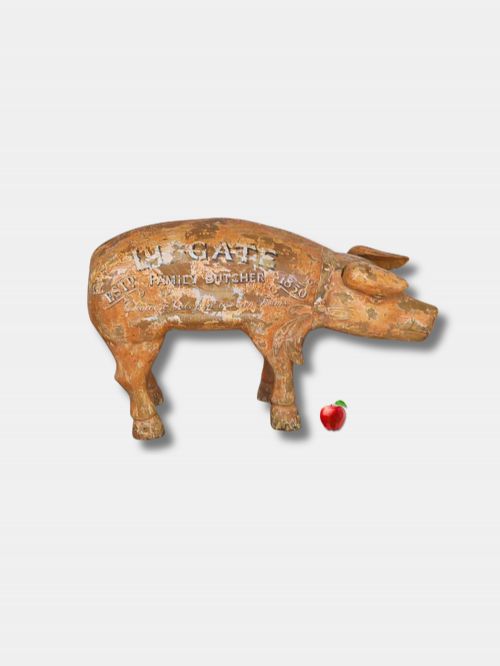
- A three-dimensional carved representation of a person or object used to advertise a specific trade, such as a Highland piper for tobacco or a tradesman for a butcher.
Wooden Advertising Sign: Frequently Asked Questions
What trades used wooden advertising signs?
Trades ranging from butchery and carpentry to tobacco and tailoring utilised these objects to draw custom from the pavement. Pubs and inns hung large double-sided boards to catch passing trade from both directions.
Shopkeepers also employed specialised figures, such as carved tobacconist statues or butchers' display models, to signal their specific wares without relying solely on written text.
How do I date a wooden advertising sign?
Dating relies on the style of the lettering, the construction of the timber backing, and the composition of the paint layers. Victorian and nineteenth-century pieces often feature hand-carved elements and traditional lead-based paints.
Early twentieth-century examples from the 1920s and 1930s introduce commercial display cabinets and standardised typography reflecting later retail practices.
Where should I hang a pub sign?
Large double-sided pub signs require a sturdy wall bracket or ceiling beam that can support the considerable weight of solid timber. Placing them in a hallway or living space allows the painted surfaces to be viewed from multiple angles.
Ensure the hanging location avoids direct, continuous sunlight to protect the original nineteenth or twentieth-century painted finishes from fading.
Are these signs restored or original?
Most pieces retain varying degrees of their original paint and surface wear accumulated through decades of commercial use. Some items display the natural patina of age, while others preserve untouched sign-writing from the Victorian or Edwardian periods.
Reviewing the specific listing details will clarify whether a piece maintains its initial finish or includes later sign-written additions.