

Wood Vanity Table
A wood vanity table brings together fitted mirrors, rich cabinet timbers and daily grooming into a single functional focal point for the bedroom.
Wood Vanity Table
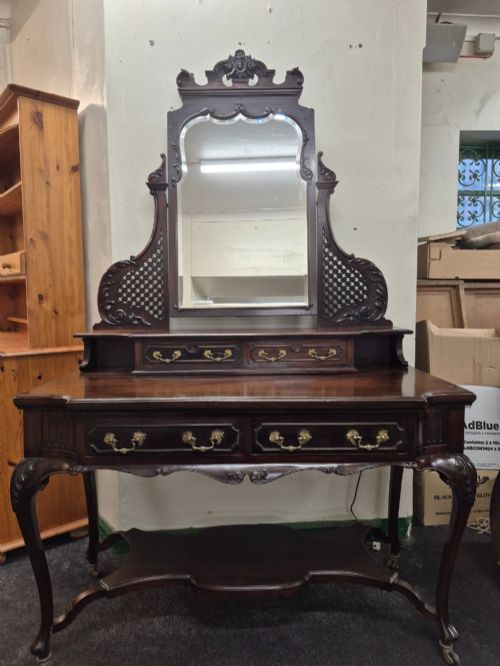
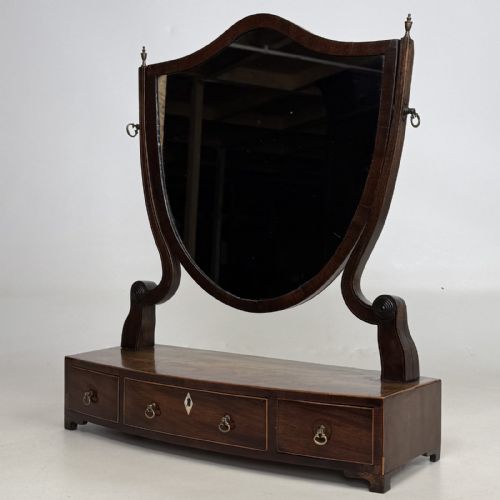
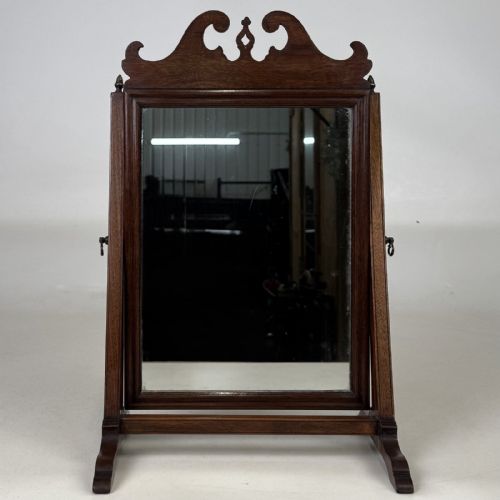
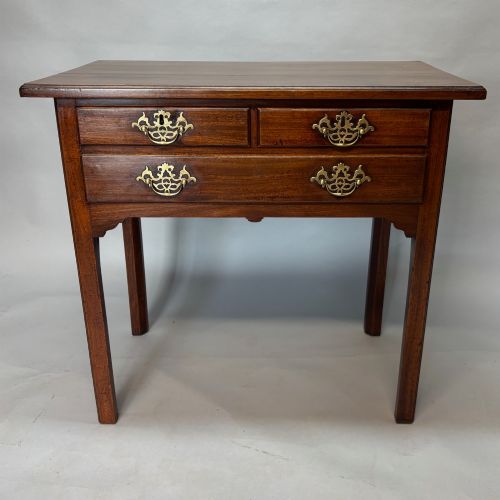
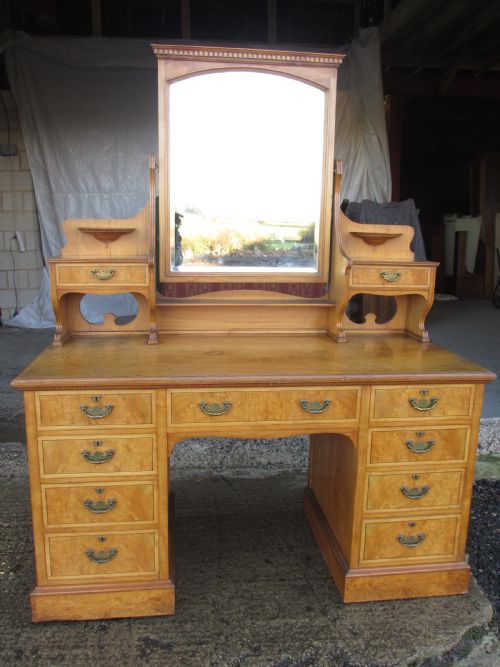
A wood vanity table encompasses a range of forms designed for personal grooming, from substantial pedestal dressing tables to compact folding tables and lowboys originating in the eighteenth, nineteenth and early twentieth centuries. The selection includes dedicated dressing chests, cheval mirrors and smaller table mirrors alongside matching stools and benches.
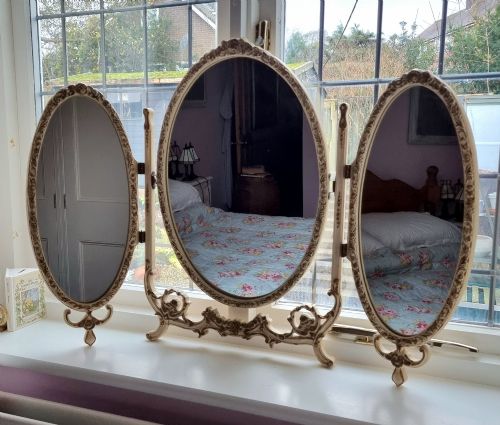
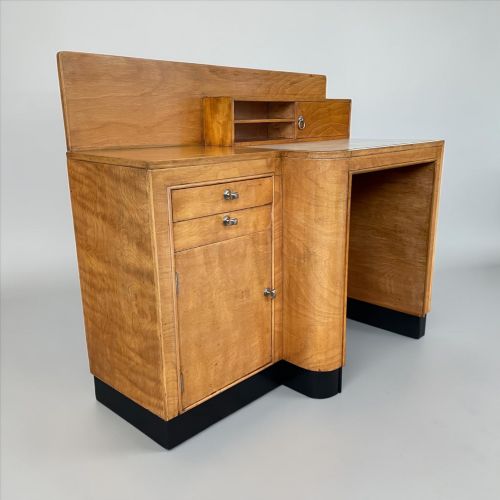
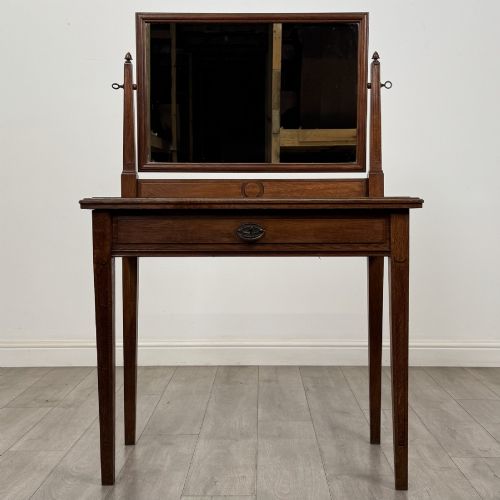
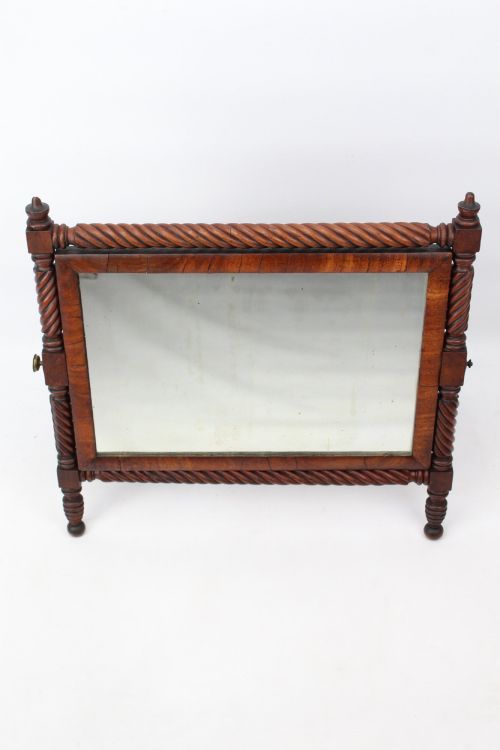
Pieces from the Georgian and Regency periods frequently utilise solid and veneered mahogany with simple lines or shield-shaped swing mirrors, whilst later Edwardian and Art Deco examples introduce figured walnut, birds-eye maple and more complex triptych glass arrangements.
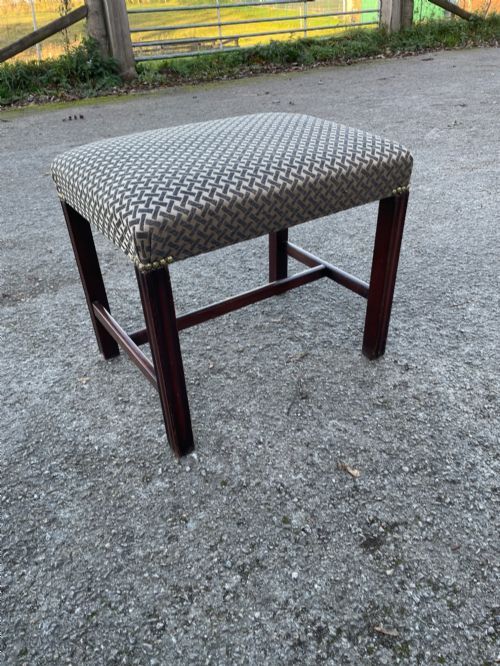
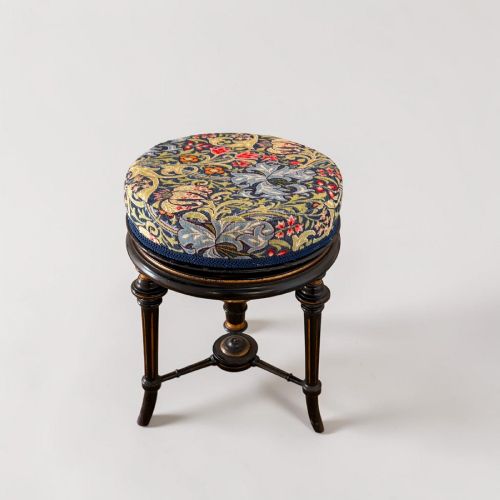
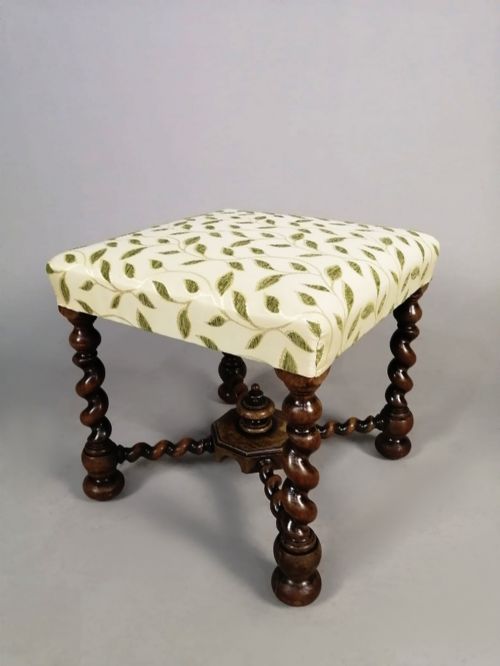
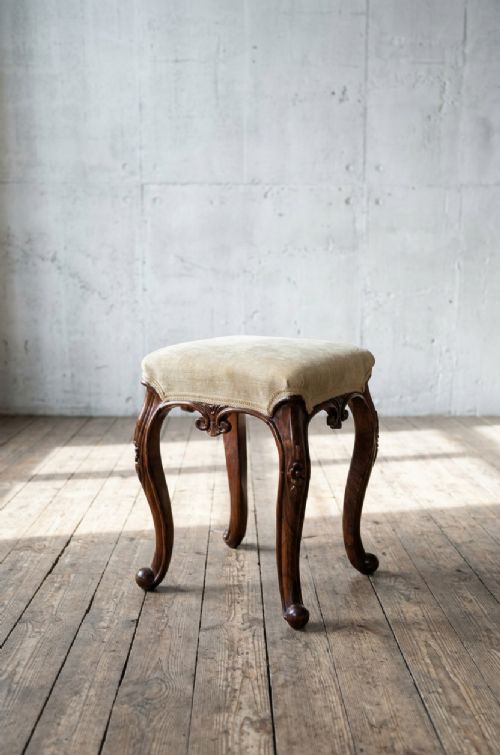
Associated seating appears across the periods in the form of carved walnut and rosewood stools with upholstered pads, completing the traditional bedroom suite.
Materials and construction
Cabinetmakers relied heavily on dense hardwoods such as mahogany, walnut and rosewood, often selecting highly figured burr veneers or exotic grains for the primary visual surfaces of a wood vanity table. Secondary timbers such as oak or pine appear in drawer linings and internal framing.
Construction techniques include traditional dovetailing for drawers, fine turnings on leg supports and brass hardware such as swinging plate handles and pivoting mirror screws. Glass mirrors utilise bevelled or flat silvered plates housed in adjustable wooden frames.
Wood Vanity Table Retail Price Guide 2026
Typical asking prices for wood vanity table among the pieces listed under this phrase on Sellingantiques today, from the lower quarter to the upper quarter. They describe what is for sale here now, not the wider market.
Materials documented across the inventory include brass handles, glass mirror plates, mother of pearl inlay and upholstered fabric seats.
Judging execution and finish
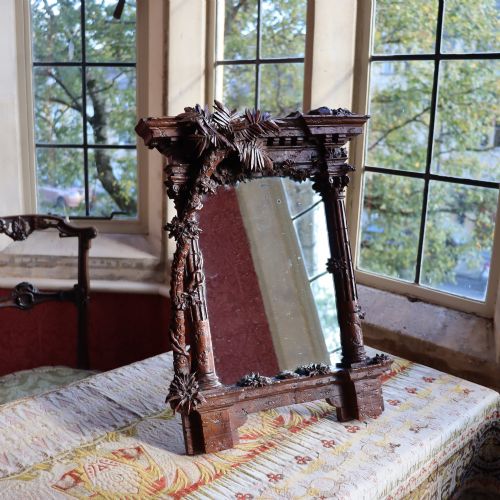
Quality rests in the selection of timber veneers and the crispness of any carved detail, such as the foliate motifs on Regency or Victorian frames and the clean geometric lines of Art Deco pieces. Superior examples display seamless book-matching on drawer fronts and tabletops.
The integrity of the mirror glass and the smoothness of the pivoting mechanism or sliding folding leaves indicate the original standard of manufacture. Well-made pieces retain their structural rigidity through solid joints and matching secondary woods.
Shapland & Petter·Heal & Sons·P & MA Nicholson
The Wood Vanity Table Glossary
- Lowboy
- A small low table with drawers, often standing on cabriole legs and serving as a precursor to the dedicated dressing table.
- Cheval glass
- A full-length mirror hung in a freestanding frame that allows it to tilt vertically.
- Shield mirror
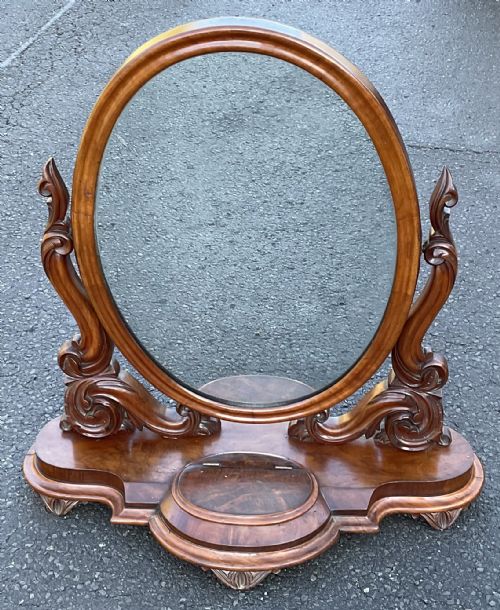
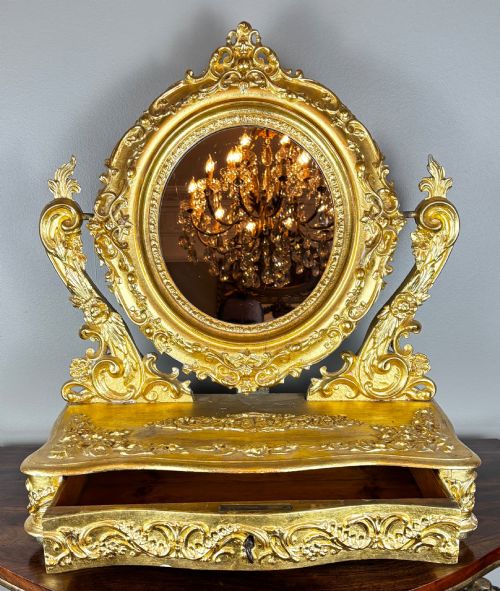
- A dressing mirror featuring a plate cut in the outline of a heraldic shield, typically supported on upright scroll arms above a small box base.
- Triptych mirror
- A three-panel mirror assembly with hinged side wings that angle inward for adjustable viewing.
- Shaving stand
- A specialised compact table or pedestal fitted with an adjustable mirror and basins or surfaces for grooming.
Wood Vanity Table: Frequently Asked Questions
What is a wood vanity table used for?
These pieces provide a dedicated surface and mirror for personal grooming, hair styling and applying cosmetics in the bedroom.
They also offer concealed storage through small drawers for accessories and toiletries.
How do I date a wood vanity table?
Dating relies on identifying the prevailing style, such as Georgian bracket feet, Regency reeded columns or Art Deco veneers.
Construction methods like dovetail tightness and the type of mirror glass also help narrow down the period of manufacture.
Are mirrors original to the table?
Many dressing tables retain their original swing or triptych mirrors, mounted on pivoting wooden arms above the surface.
Replacement glass is common due to the fragile nature of silvered plates over the centuries.
How do I care for polished wood?
Polished mahogany and walnut surfaces require regular dusting with a soft, dry cloth to protect the finish from abrasive particles.
Avoid placing pieces near direct heat sources or strong sunlight to prevent the timber and veneers from drying out.