


Wood Sculpture Stand
A wood sculpture stand elevates carved figures, urns and art objects, providing a stable platform rooted in centuries of craftsmanship.
Wood Sculpture Stand
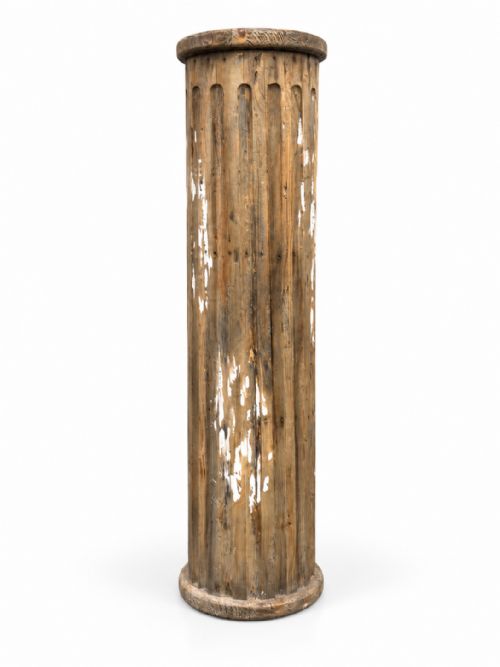
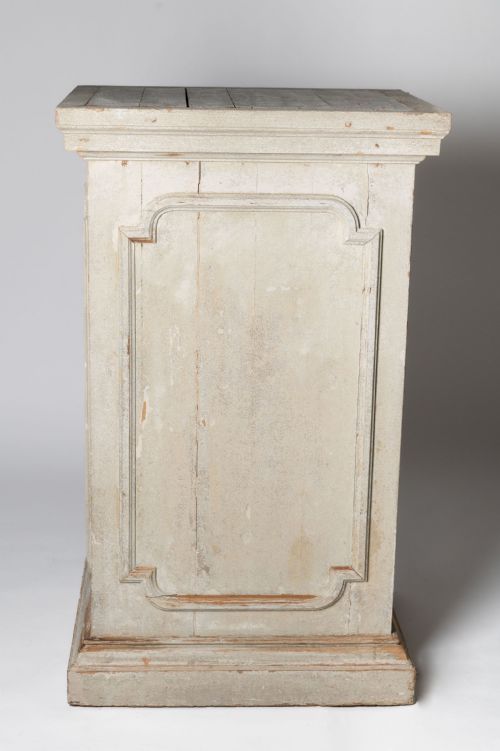
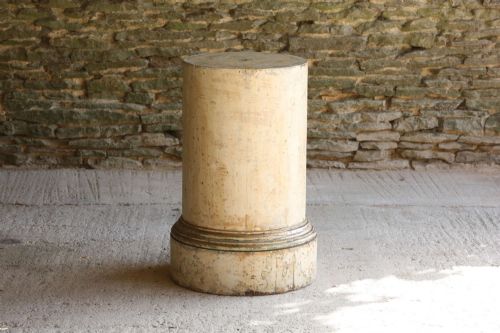
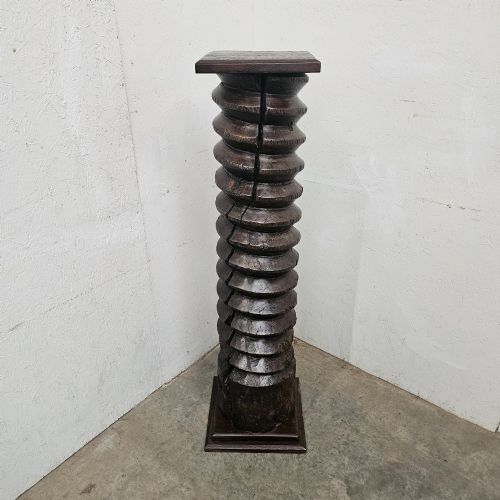
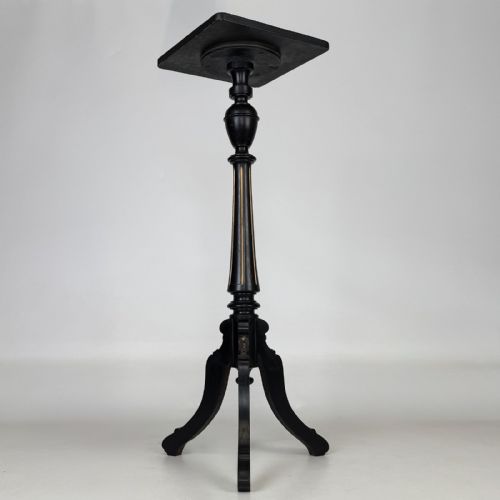
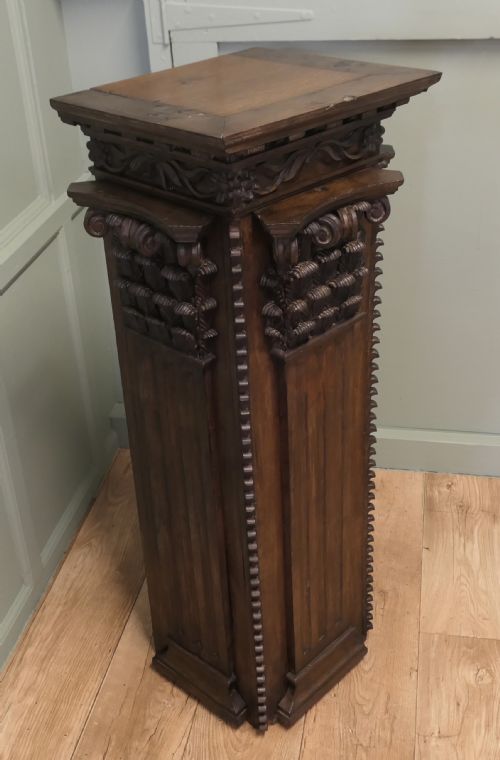
When you search for a wood sculpture stand, you encounter pedestals, columns, plinths and torcheres designed to display three-dimensional artwork. These pieces range from compact tabletop surfaces to tall floor-standing columns intended to elevate a display to eye level.
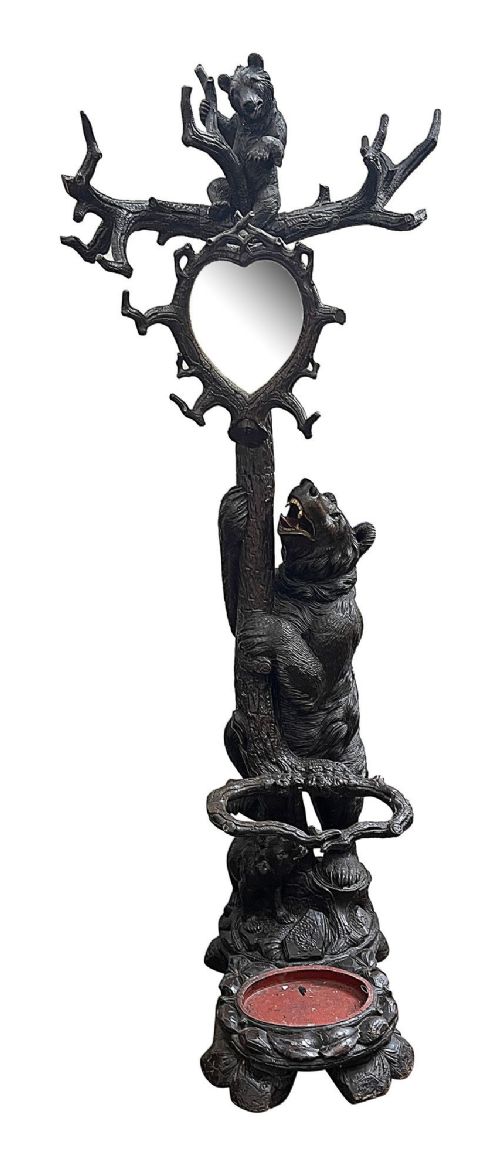
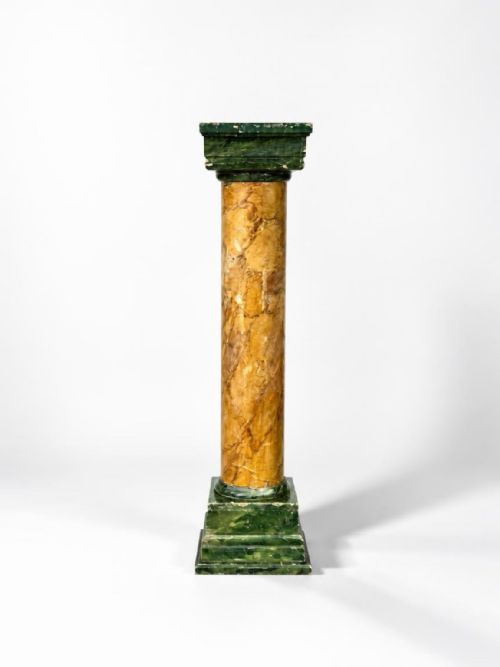
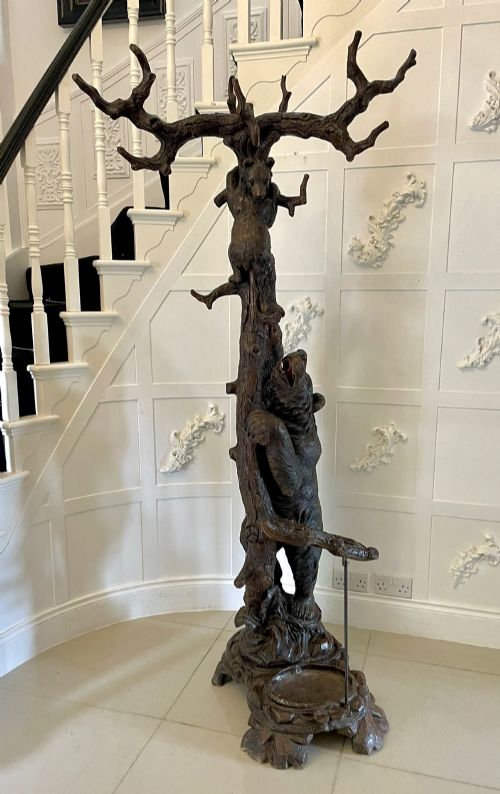
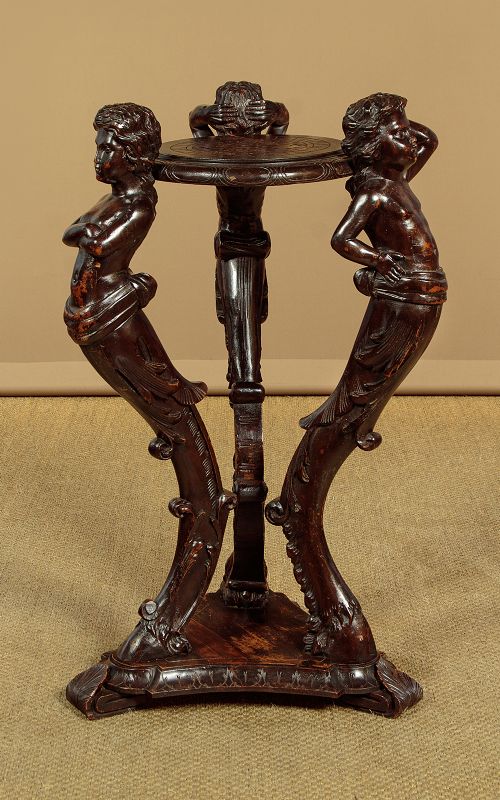
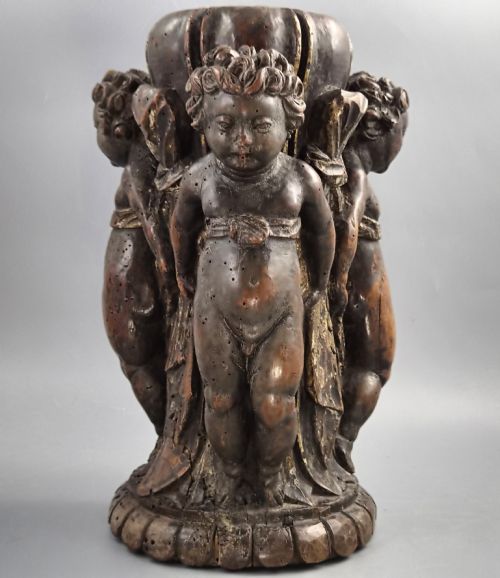
The selections span distinct periods, drawing heavily from nineteenth-century Victorian production alongside Edwardian examples and earlier carved wooden supports. Formats vary from simple turned mahogany columns to elaborate Black Forest bear carvings and Italian Renaissance revival pedestals.
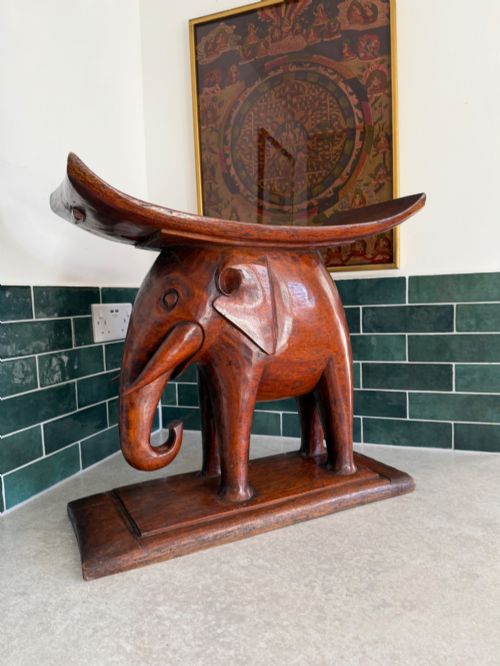
Origin points diverge widely, encompassing British country house items, French oak display plinths, Italian walnut stands and Asian hardwood elephant bases. Buyers find both straightforward architectural columns and figurative sculptural supports that share the primary task of holding an object aloft.
How they were made
Makers utilised solid timbers including mahogany, walnut, oak, fruitwood and birch, often turning columns on lathes or carving dense hardwoods by hand. Surfaces received various treatments, from clear polish highlighting natural grain to painted faux marble finishes, gold leaf gilding and polychrome pigments.
Construction techniques combine traditional joinery with structural elements such as metal screw threads, tripod bases and triform supports to ensure stability under heavy loads. Complex figural stands required master woodcarvers to shape intricate details like bears, putti, eagles and elephants from single blocks or assembled sections.
Wood Sculpture Stand Retail Price Guide 2026
Typical asking prices for wood sculpture stand among the pieces listed under this phrase on Sellingantiques today, from the lower quarter to the upper quarter. They describe what is for sale here now, not the wider market.
Period origins span from the sixteenth century through the Victorian era and into the early twentieth century.
What varies in quality
The distinction between ordinary supports and superior examples lies in the depth and precision of the hand carving, where crisp details in foliage, figures or architectural mouldings demonstrate the carver's mastery. Timber selection dictates longevity, with dense seasoned hardwoods and finely figured mahogany standing apart from softer utility woods.
Proportion and structural integrity define the upper tier of pieces, ensuring a tall column or narrow tripod base bears weight securely without listing. Surface finishes also separate categories, distinguishing thick, muddy over-painting from delicate original gilding, subtle ebonising or patinated wax finishes.
Gillow & Co.
The Wood Sculpture Stand Glossary
- Pedestal
- A support or base for a column, statue, or vase. These structures raise decorative items above floor level.
- Torchiere
- A tall stand or ornamental candlestick holding lights. They often feature carved wooden columns derived from Italian lighting traditions.
- Plinth
- A heavy slab supporting a statue or column. This flat base provides stability for heavy sculptural objects.
- Black Forest
- A nineteenth-century style of wood carving originating from Switzerland and Germany. Pieces characteristically depict realistic forest animals such as bears.
- Triform
- Having three sides or feet. This configuration provides balanced floor support for heavy display columns.
Wood Sculpture Stand: Frequently Asked Questions
What is a wood sculpture stand used for?
These stands provide a stable elevated platform to display three-dimensional art, figures, vases and architectural ornaments.
By lifting pieces off the floor or table, they draw focus to the displayed artwork within a room.
How do I choose the right height?
Shorter plinths work well for substantial figures that need to sit at coffee table level or on top of furniture.
Tall columns are better suited for smaller sculptures or urns that require positioning at eye level for proper viewing.
Are these stands stable enough for heavy art?
Most floor stands utilise weighted bases, tripod designs or wide triform feet to distribute weight securely.
Solid hardwood construction ensures the column remains balanced even when supporting dense stone or metal items.
How do I identify Victorian pieces?
Victorian examples often employ dense timbers like mahogany and walnut, frequently featuring revival styles such as Gothic or Renaissance.
Look for traditional construction methods and hand-turned or carved details typical of nineteenth-century workshop production.