

Wood Relief Wall Art
Wood relief wall art brings three-dimensional depth and carved texture directly into interiors through centuries of panels, plaques, and architectural fragments.
Wood Relief Wall Art
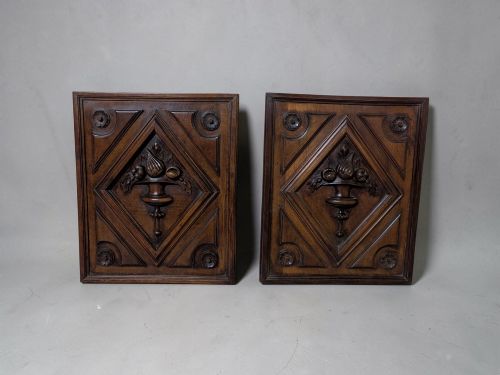
When you search for wood relief wall art, you encounter carved panels, architectural salvage, and sculptural plaques created to hang upon interior walls. These objects span from sixteenth-century fragments to late nineteenth-century decorative carvings from various global origins.
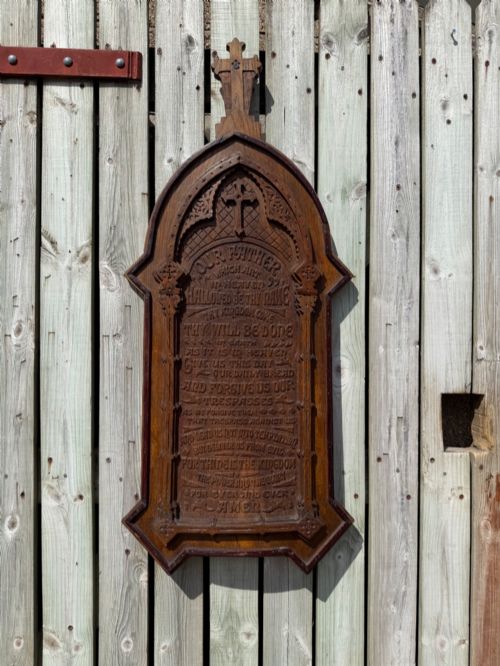
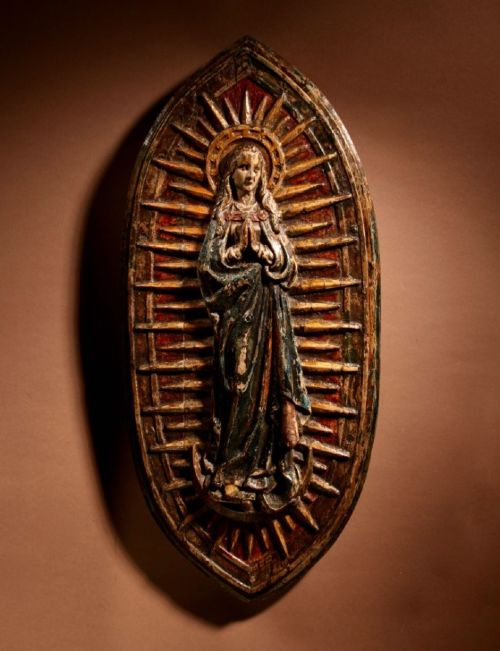
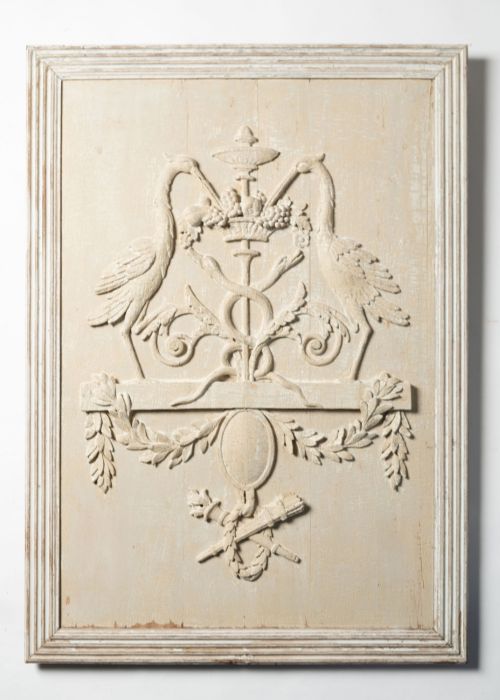
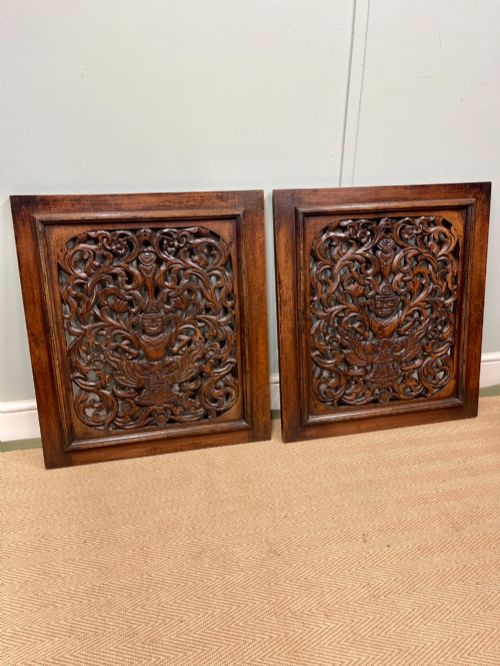
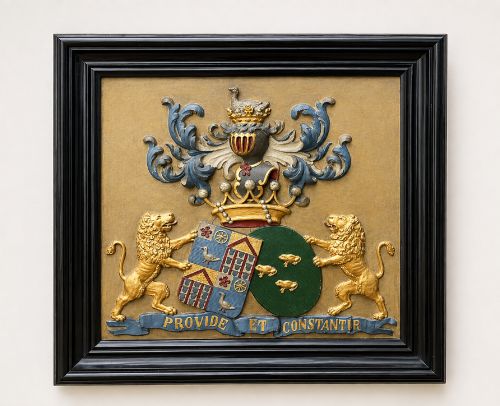
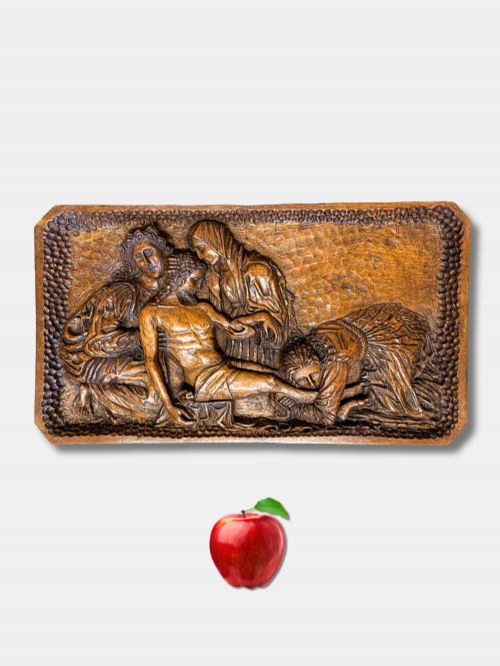
The most common examples on this page are nineteenth-century carved wooden panels, alongside earlier oak religious carvings, Dutch marriage plaques, and Chinese temple panels. These pieces generally originate as architectural elements, devotional altarpieces, or independent decorative wall hangings.
Makers and workshops across Europe, Asia, and Africa shaped timber into deep pictorial scenes, heraldic compositions, and floral arrangements. Collectors select these items to introduce historic craftsmanship, narrative depth, and tactile warmth into domestic spaces.
How they were made
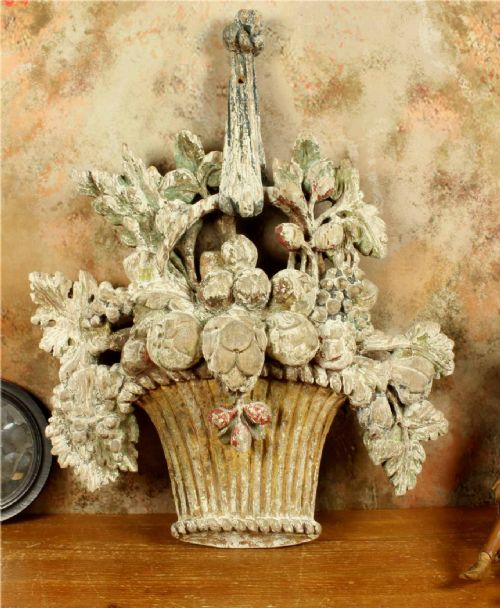
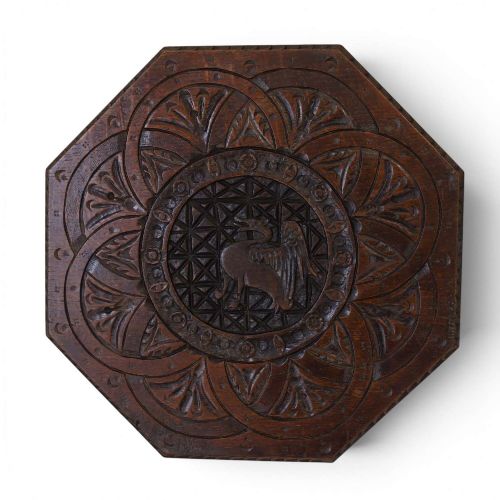
Carvers shaped these pieces using native and exotic timbers such as oak, walnut, chestnut, teak, fruitwood, and general hardwood. Artisans cut, gouged, and chiselled the timber directly, sometimes building high relief scenes from separate blocks or integrating painted and gilded finishes.
Many items began life as functional architectural components, furniture parts, or structural fragments before being repurposed as wall art. Cabinetmakers and sculptors applied traditional joinery and hand-carving techniques to achieve varying depths of projection, from shallow bas-relief to deep architectural dioramas.
Wood Relief Wall Art Retail Price Guide 2026
Typical asking prices for wood relief wall art among the pieces listed under this phrase on Sellingantiques today, from the lower quarter to the upper quarter. They describe what is for sale here now, not the wider market.
Historical periods represented among the panels include the seventeenth, eighteenth, and nineteenth centuries, alongside Qing Dynasty examples.
What varies in quality
The distinction between ordinary and exceptional wood relief wall art rests entirely on the depth of carving, anatomical precision, and compositional rhythm. Master carvers achieved subtle transitions in high relief that create convincing perspective and lifelike movement within the timber.
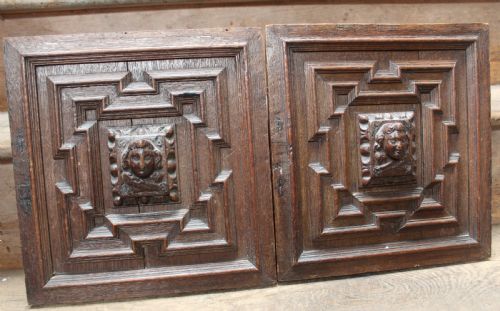
Condition and integrity also determine standing, particularly whether a panel retains its original surface patination, uncompromised edges, and authentic period ground. Secondary alterations, such as panels cut down from larger tabletops or furniture components, separate utilitarian architectural salvage from dedicated sculptural works.
Samuel Dixon·Edward Pearce·Van Rijckevorsel & Verheijen
The Wood Relief Wall Art Glossary
- Relief
- A sculptural technique where figures or designs project from a flat background. This method ranges from shallow bas-relief to high relief where elements detach almost entirely from the panel.
- Architectural salvage
- Building elements rescued from structures slated for demolition or alteration. These fragments frequently find new life as decorative wall hangings.
- Trophy carving
- A decorative arrangement depicting symbols of the hunt, agriculture, or music. These compositions often group game, foliage, and instruments together in high timber relief.
- Heraldic
- Pertaining to coats of arms and genealogical insignia. Such panels display familial crests and historical alliances carved into wood or stone.
- Polychrome
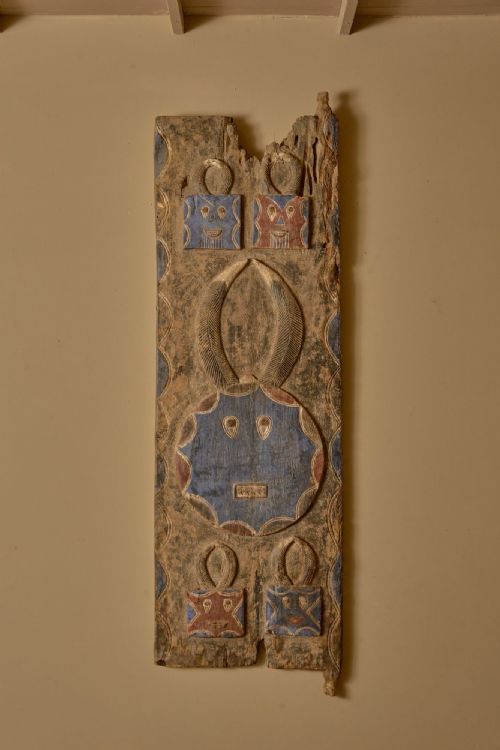
- Painted in several colours. This surface treatment adds vibrant realism to carved wooden figures and architectural details.
Wood Relief Wall Art: Frequently Asked Questions
What periods do these carvings cover?
The pieces span multiple centuries, ranging from sixteenth-century ecclesiastical fragments to seventeenth-century Baroque panels and nineteenth-century Victorian or Arts and Crafts creations.
This broad chronological spread includes items from the Qing Dynasty, the European Renaissance, and later global workshops.
Where were these panels originally placed?
Many originated as components of larger architectural schemes, such as staircase panels, altarpieces, furniture doors, or temple decorations.
Others were created specifically as independent wall plaques, marriage memorials, or decorative hunting trophies for domestic display.
How should I hang heavy wooden reliefs?
Due to the substantial weight of dense hardwoods like oak and walnut, secure wall fixings tied directly into structural studs or masonry are essential.
Professional mirror plates or hidden french cleats provide the stability needed to support deep sculptural carvings safely.
How do I care for antique wood panels?
Keep carved timber away from direct sunlight, central heating vents, and rapid humidity changes to prevent the wood from splitting or warping.
An occasional gentle dusting with a dry, soft cloth preserves the natural historic patina without stripping the original wax or finish.