






Wood Piano Seat
A wood piano seat brings period charm and practical seating to an interior, blending sturdy timber construction with adjustable heights and traditional upholstery.
Wood Piano Seat
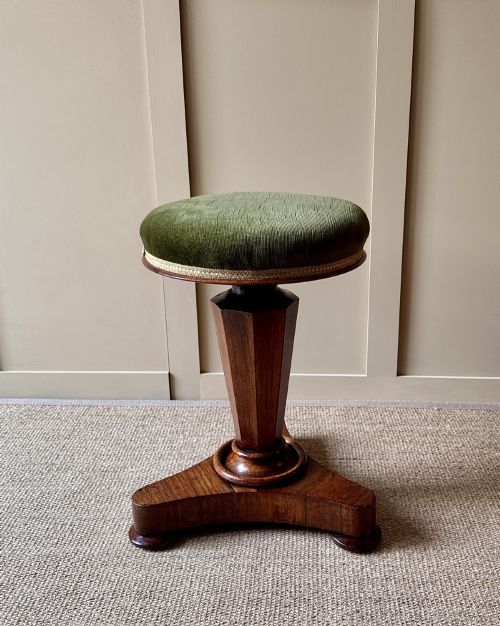
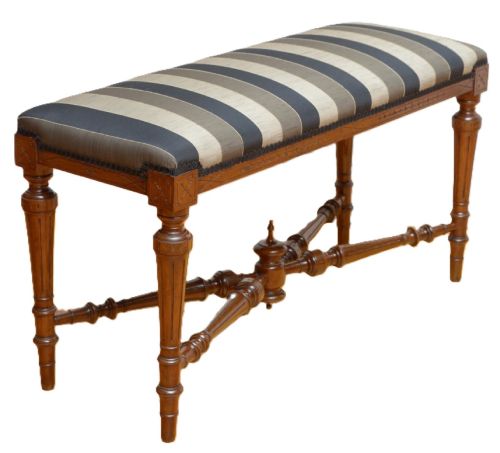
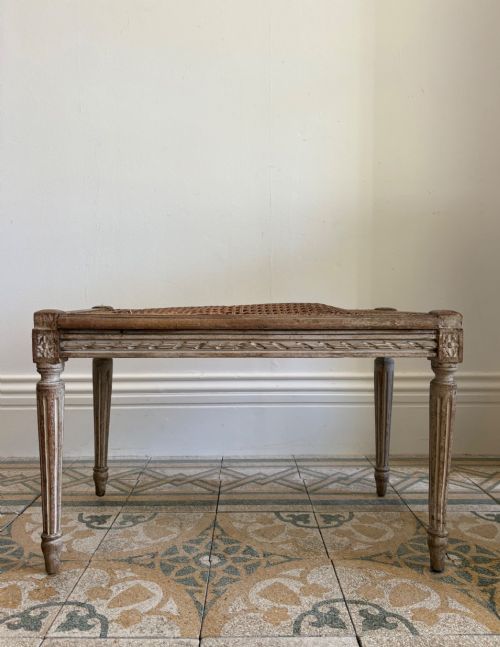
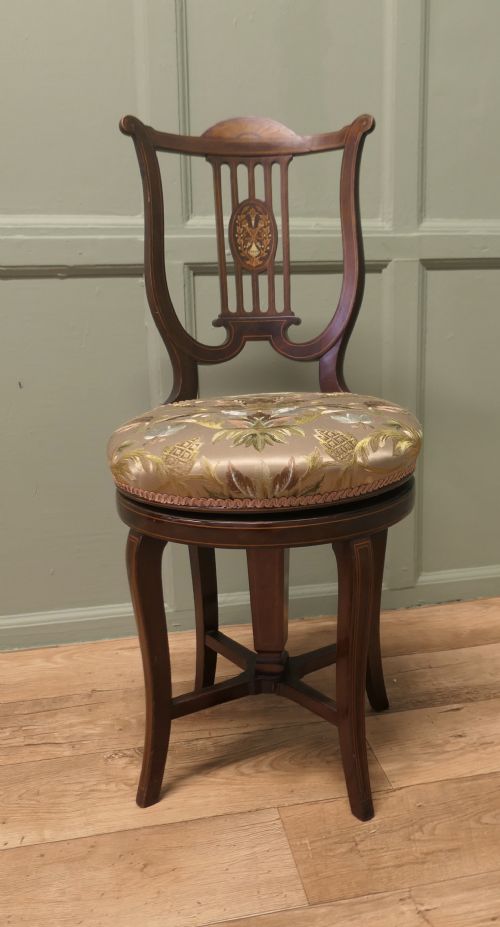
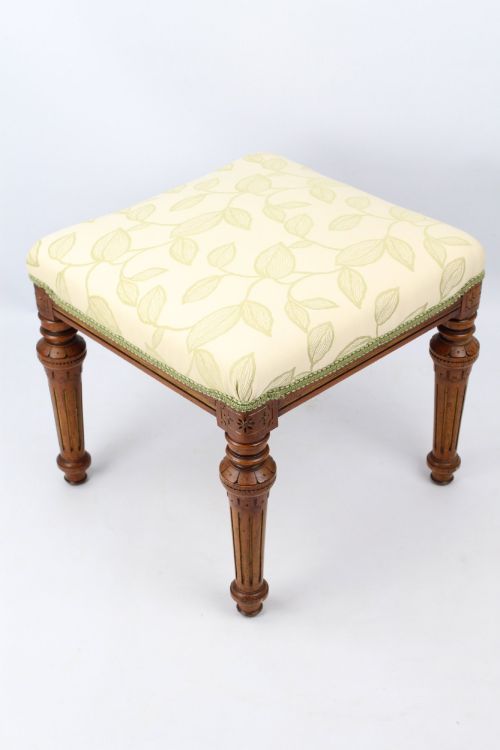
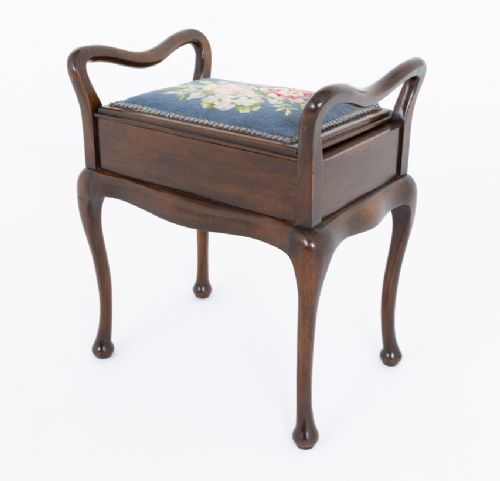
A wood piano seat is designed for musicians and collectors alike, appearing across periods from the Georgian era through the Victorian years and into Edwardian times. These pieces function as piano stools, music chairs, duet benches, and occasional window seats.
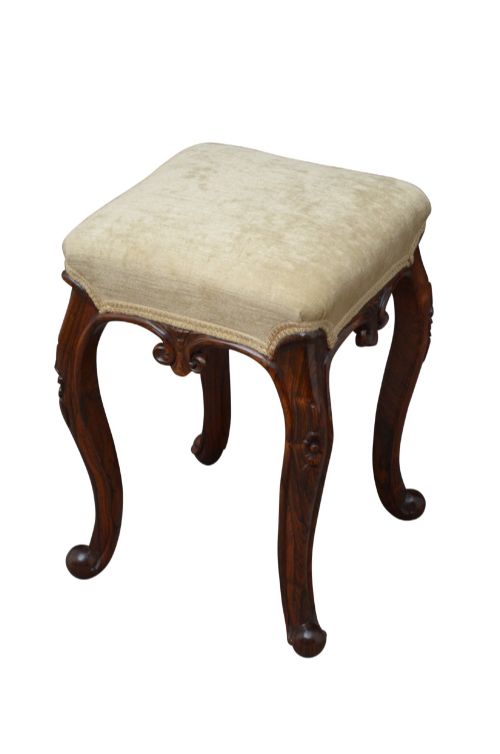
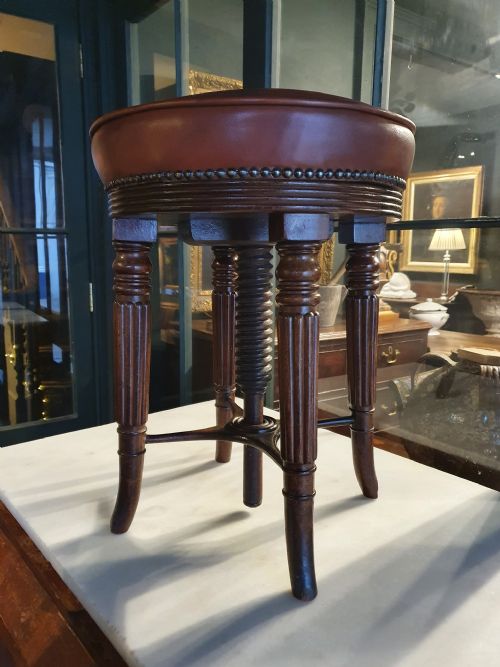
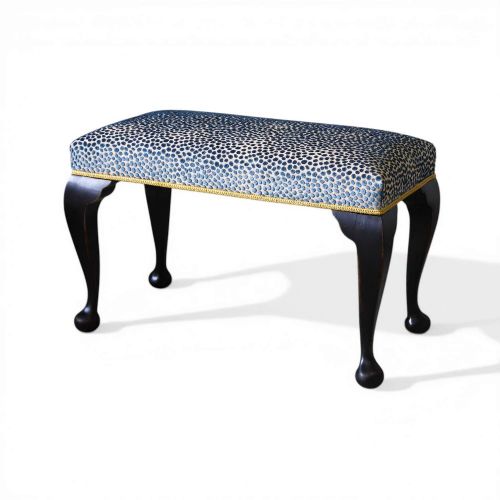
Forms range from simple round swivel stools to larger duet benches with hinged seats or carved cabriole legs. Whether configured as a revolving harpist chair or a rectangular bench, each piece reflects the domestic musical life of its period.
Materials and Construction
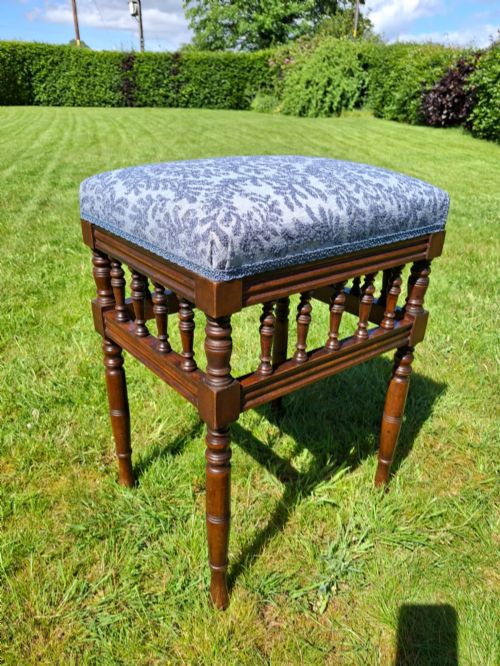
Cabinet makers utilised dense hardwoods including mahogany, rosewood, walnut, and goncalo alves, often turning or carving the timber for structural support. Ebonised finishes and gilt accents frequently appeared on Victorian and Edwardian frames.
Mechanical elements in metal and brass allowed revolving tops and height adjustments to function smoothly. Upholstery materials like velvet and various woven fabrics were secured over padding to complete the seating surface.
Wood Piano Seat Retail Price Guide 2026
Typical asking prices for wood piano seat among the pieces listed under this phrase on Sellingantiques today, from the lower quarter to the upper quarter. They describe what is for sale here now, not the wider market.
Listings feature wood piano seats spanning the Georgian, Victorian, Edwardian, and Art Deco periods, constructed in mahogany, rosewood, walnut, and birch.
Judging Quality
The standard of a wood piano seat rests in the depth of timber carving and the integrity of the rotating or adjustable mechanism. Solid mahogany and rosewood frames with crisp, detailed mouldings outshine simpler production items.
Original upholstery projects and well-preserved historical fabric choices demonstrate the authenticity of a piece. The weight of the timber and the precision of the joinery distinguish fine workshop output from standard utility seating.
Gillows·Jas Shoolbred·James Shoolbred
The Wood Piano Seat Glossary
- Revolving
- A mechanism allowing the seat top to spin on a central screw or spindle. This enabled the player to adjust their position easily at the keyboard.
- Adjustable
- A design featuring a threaded screw mechanism or mechanical riser to alter the height of the seat. This allowed different musicians to find a comfortable playing posture.
- Duet Stool
- A wider bench designed to seat two players side by side for piano duets. These examples often incorporate hinged seats concealing storage compartments for sheet music.
- Cabriole Leg
- A furniture leg that curves out and then in, mimicking animal limbs. This classic form appears frequently on Victorian and Edwardian seating.
- Ebonised
- Timber treated with a dark finish to imitate expensive ebony. This technique was popular for decorative effect on 19th-century frames.
Wood Piano Seat: Frequently Asked Questions
Where were these used?
These seats were manufactured primarily for parlours and music rooms alongside upright and grand pianos. Their compact footprint also made them suitable for dressing tables and hallways.
Today they function flexibly as low occasional seating or decorative accent pieces in living spaces.
How do I identify the period?
Study the timber selection, leg profile, and hardware to determine the era of production. Heavy rosewood and elaborate carving often point to Victorian workshops, while clean lines suggest Edwardian or later manufacture.
Compare the turning style and joinery methods against known historical examples from the same decade.
Can I reupholster the seat?
Upholstery can be updated to match modern interiors while preserving the internal padding and wooden frame. Many pieces survive as ideal projects for traditional fabric replacement.
Take care to secure new materials using traditional tacking methods that respect the antique wooden edges.