





Wood Piano Bench
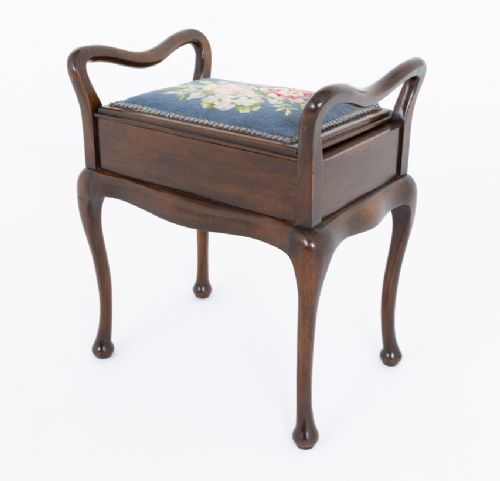
A wood piano bench offers sturdy seating and hidden storage for sheet music, crafted in mahogany, walnut, ebonised wood and birch across Victorian and Edwardian periods.
Wood Piano Bench
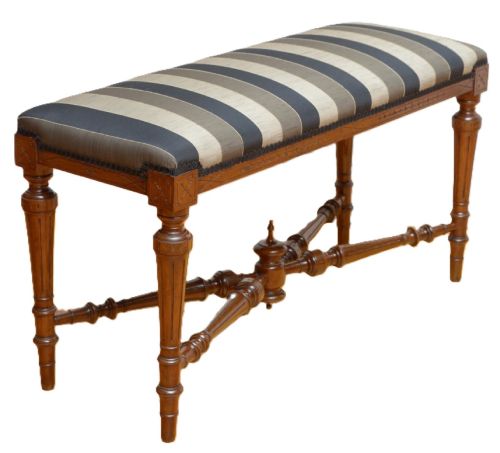
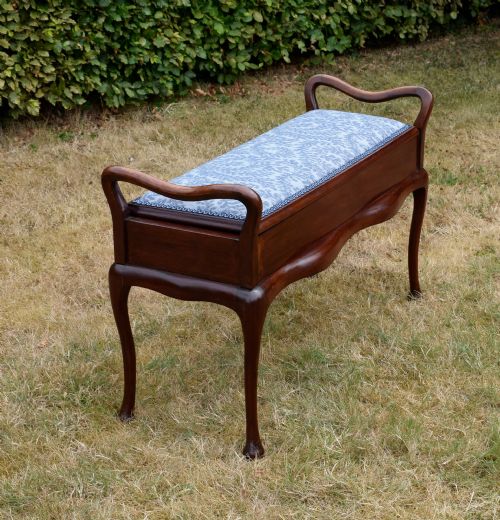
A wood piano bench is a functional seating form designed for musicians, appearing in single and duet sizes across this selection. When buyers search for a wood piano bench, they encounter varied formats ranging from revolving seats to long bedroom stools and hinged compartments.
The pieces listed span the nineteenth century through the early twentieth century, taking in Victorian, Edwardian and Art Deco periods. Mahogany and ebonised wood dominate the current offerings, alongside occasional walnut, rosewood and birch examples.
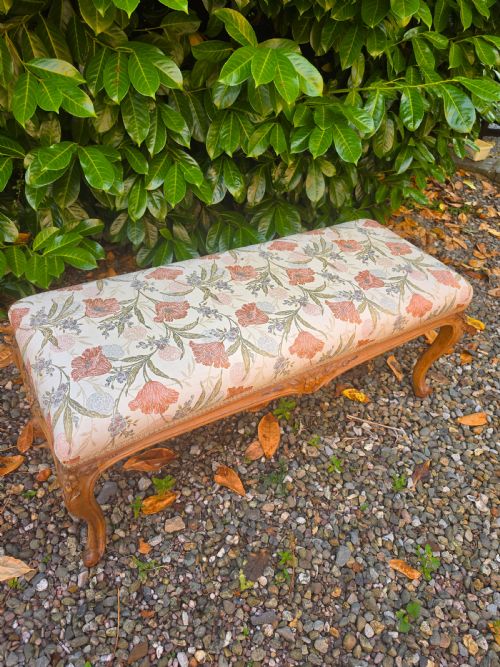
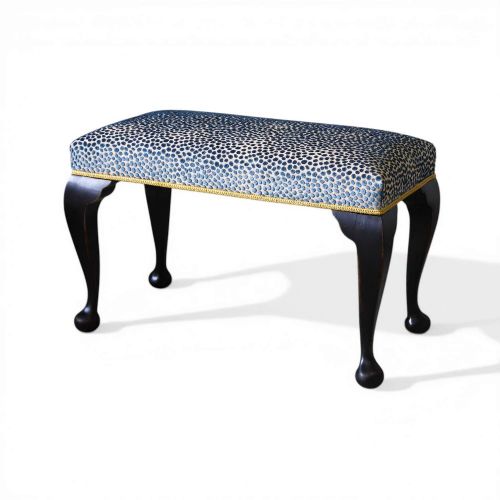
Revival styles heavily influence these seats, showing Queen Anne, Chippendale, Louis XVI Neoclassical and Rococo Revival details. Buyers are most likely to meet Edwardian mahogany variations or Victorian ebonised designs fitted with upholstered or tapestry seats.
Materials and construction methods
Makers utilised solid hardwoods including mahogany, walnut, rosewood and birch for the primary frames. Ebonised finishes and white paint offer alternative surface treatments, while partial gilding highlights carved elements on select Victorian pieces.
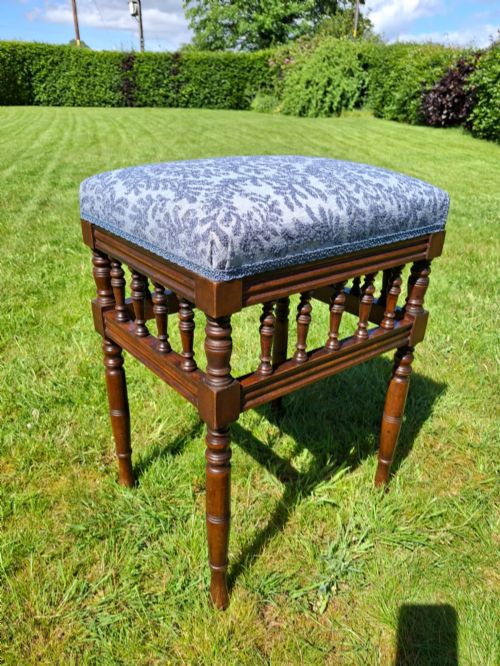
Joinery relies on traditional techniques to support the weight of performers, incorporating turned legs, cabriole legs and ball and claw details. Seats incorporate lifting lids, hinged mechanisms or revolving screws to access internal storage or adjust height.
Upholstery materials include traditional fabric, velvet, tapestry and miscellaneous upholstery fabrics secured over lift-out or fixed seat pads. Brass hardware frequently appears on adjustable revolving mechanisms and foot details.
Wood Piano Bench Retail Price Guide 2026
Typical asking prices for wood piano bench among the pieces listed under this phrase on Sellingantiques today, from the lower quarter to the upper quarter. They describe what is for sale here now, not the wider market.
Design influences range from French Louis XVI Neoclassical and Rococo Revival to Chippendale and Queen Anne styles.
Distinguishing quality in period seating
Quality separates simple utility furniture from finer pieces through the selection of timber and the crispness of carved detail. Dense mahogany or figured walnut frames with well-executed cabriole legs or ball and claw feet represent the upper tier of production.
Mechanical complexity defines the better piano stools, particularly smooth revolving screw mechanisms or neatly engineered hinged seats with tidy internal storage boxes. The integration of decorative elements like inlay work or gilded accents distinguishes superior workshop output from plain utilitarian seating.
Jas Shoolbred
The Wood Piano Bench Glossary
- Duet piano stool
- A wider bench designed to seat two players side by side during piano practice or performances. These frequently feature hinged lift-up seats providing generous storage space for extensive sheet music collections.
- Revolving piano stool
- A single seat featuring a central threaded screw mechanism allowing the player to adjust their seating height by spinning the top. This design gained immense popularity during the Victorian period for precise posture control.
- Ebonised wood
- Timber treated with chemical stains or black paint to imitate expensive ebony. This finish was widely favoured by Victorian and Edwardian cabinet makers seeking a formal, dramatic aesthetic.
- Cabriole leg
- A furniture leg featuring a double curve that swells outward at the knee and tapers inward at the ankle, ending in a pad, claw or scroll foot. This classic shape recurs frequently across revival styles represented here.
- Liftout upholstered seat
- A drop-in seat frame padded and covered in fabric or tapestry that rests within a rebate in the wooden rail. This design allows easier reupholstery without dismantling the main structure of the stool.
Wood Piano Bench: Frequently Asked Questions
What is a duet piano bench?
A duet piano bench is an elongated seat built to accommodate two musicians sharing a keyboard instrument. They often incorporate hinged lids that open to reveal deep compartments for storing heavy volumes of music.
These pieces provide practical seating without occupying excessive floor space in a music room or parlour. Their generous proportions make them adaptable as window seats or bedroom benches in modern homes.
How do I date a wood piano bench?
Dating relies on identifying primary timber choices, hardware types, and stylistic revival motifs. Victorian examples often feature ebonised finishes, rosewood or heavy walnut with elaborate carvings.
Edwardian pieces tend to utilise lighter mahogany frames, sometimes featuring subtle inlay work or simpler turned legs. Mechanical parts like brass swivel screws also offer clues to the manufacturing decade.
How do revolving piano stools work?
Revolving piano stools utilise a heavy central wooden or metal screw mechanism concealed beneath the seat pad. Turning the seat clockwise or anticlockwise raises or lowers the playing height.
This adjustment allowed nineteenth-century pianists to achieve optimal posture before mechanical hydraulic lifts existed. Users should turn the seat gently to test the smoothness of the internal thread.
Can I use a piano bench in other rooms?
Piano benches adapt easily to hallways, bedrooms, and living spaces as versatile occasional seating or low tables. Long stools fit naturally beneath windows as dedicated window seats.
Benches with internal storage provide convenient places to stow blankets, shoes, or books out of sight. Their sturdy hardwood construction ensures they withstand daily domestic use in non-musical settings.