




Wood Panelled Chair
A wood panelled chair is a rigid, timber-backed seat built to endure, and you are looking at solid oak examples spanning from the seventeenth century onwards.
Wood Panelled Chair
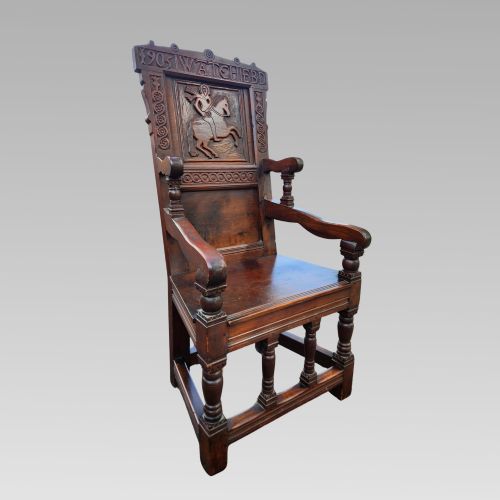
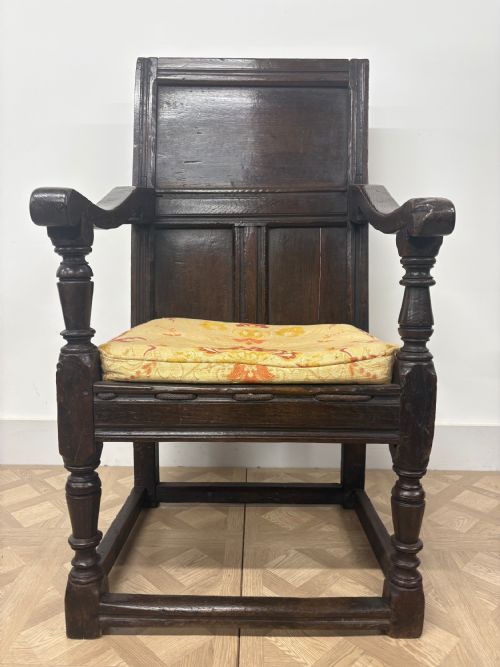
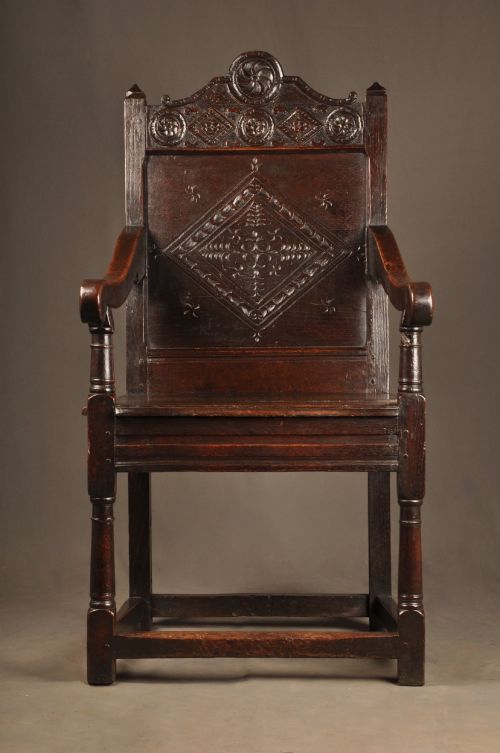
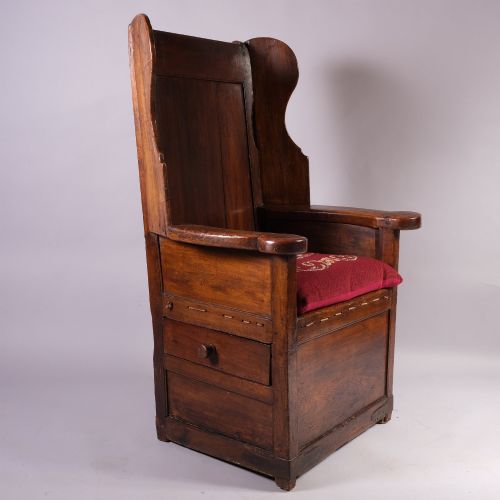
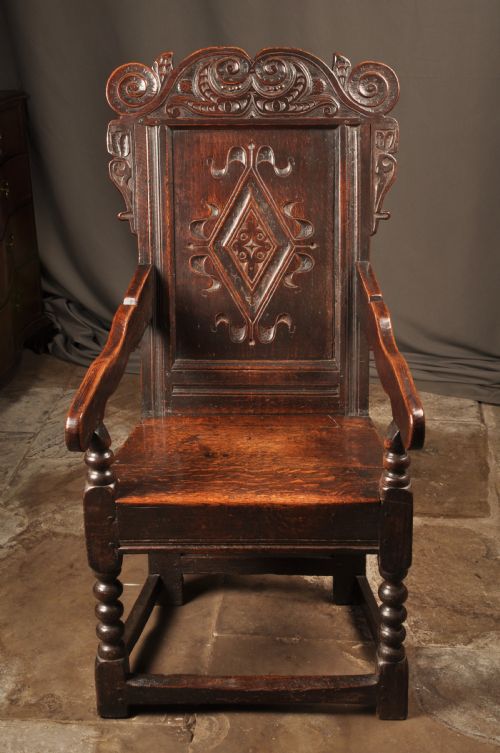
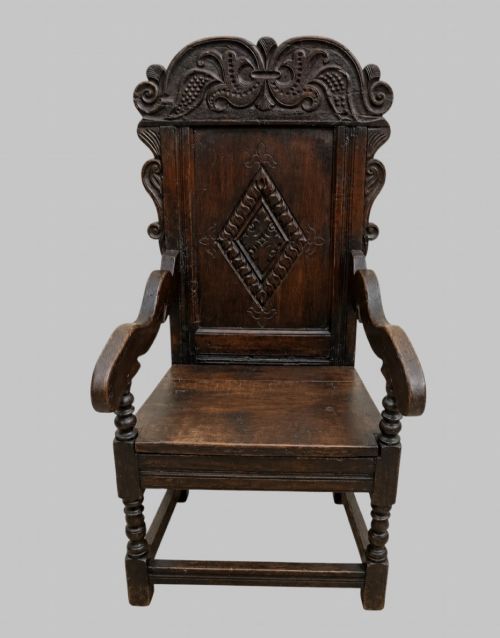
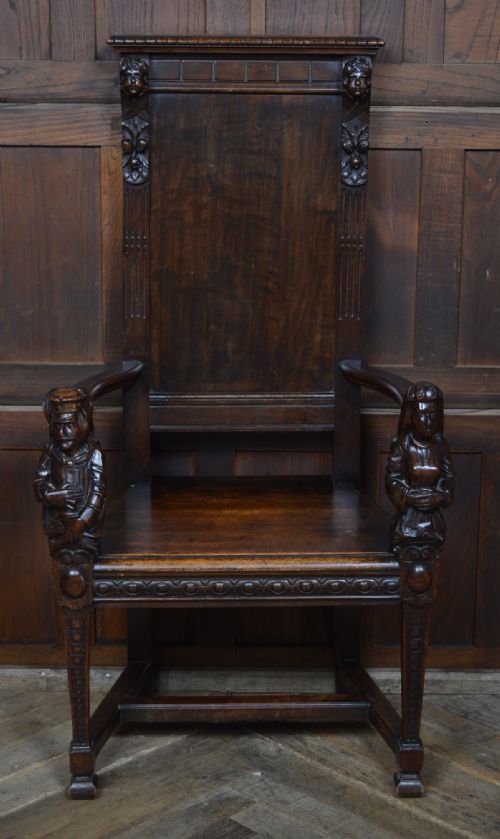
When you search for a wood panelled chair, you are seeking heavy, timber-backed seating rooted in centuries of domestic history. The selection here leans heavily toward seventeenth-century wainscot armchairs, alongside nineteenth-century revivals and regional country forms such as lambing chairs and hall benches.
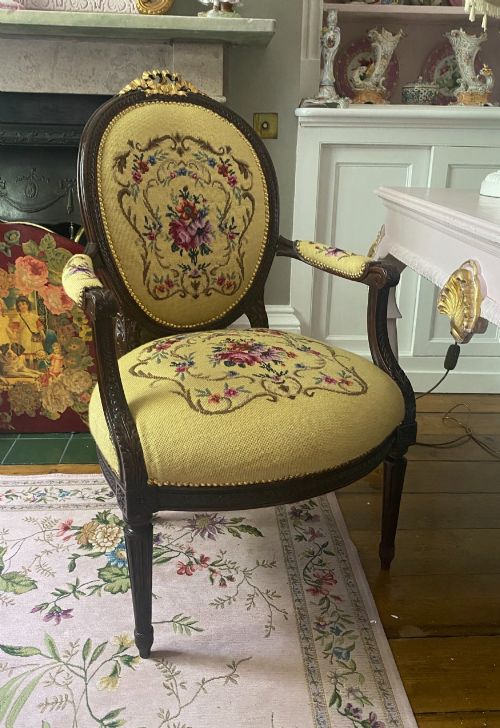
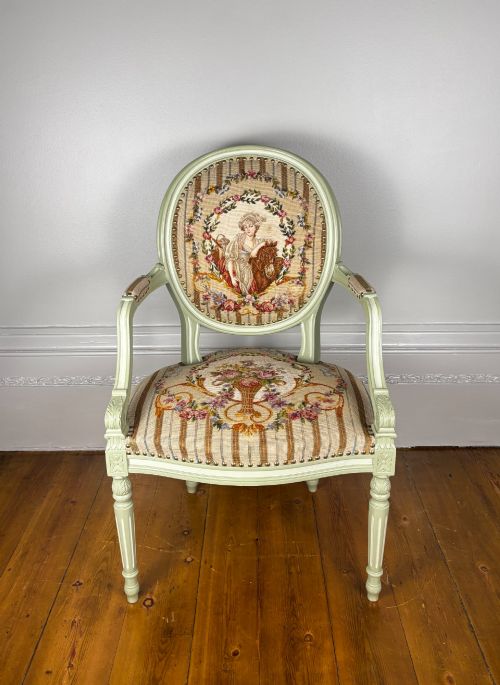
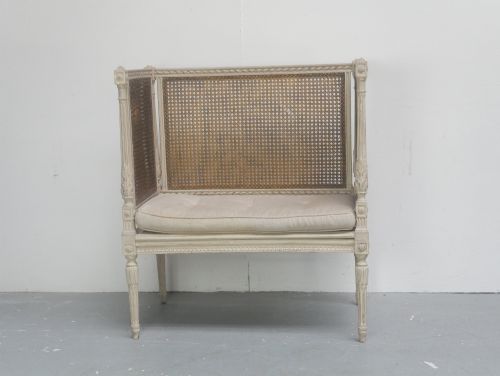
Most pieces you meet on this page are constructed from solid oak, featuring framed panel backs and sturdy wooden seats designed to withstand daily use. Alongside these early English formats, you will encounter French open armchairs inset with needlepoint tapestry panels and Chinese hardwood alternatives.
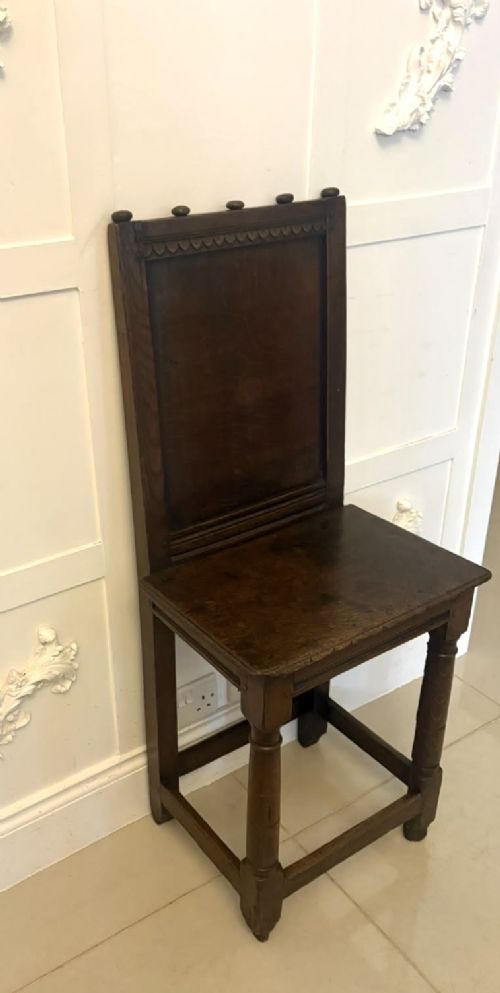
Forms range from upright joint backstools and side chairs to generous armchairs and monastic settles. The heavier seventeenth-century examples dominate the offerings, matched by later Victorian Gothic interpretations and rustic country seating.
How they were made
Makers relied on solid oak and regional hardwoods like fruitwood and yew-wood, shaping timber with hand tools to build rigid frame-and-panel structures. Backrests typically consist of carved or plain wooden panels fitted securely into grooved upright stiles and rails.
Joinery depended upon traditional mortise and tenon joints held fast with wooden pegs, supplemented in later Victorian and revival pieces by brass studs or added fabric elements. Some specialised variants integrated woven wool tapestry panels or leather inserts into their wooden frames.
Surfaces were frequently carved with geometric or floral motifs, particularly on seventeenth-century pieces and their nineteenth-century Jacobean revival counterparts. Finishing involved natural wax or polish applied directly to the bare timber.
Wood Panelled Chair Retail Price Guide 2026
Typical asking prices for wood panelled chair among the pieces listed under this phrase on Sellingantiques today, from the lower quarter to the upper quarter. They describe what is for sale here now, not the wider market.
Listings feature solid oak, fruitwood, and hardwood across periods ranging from the seventeenth century to the 1920s.
What varies in quality
The degree of original timber preservation and the crispness of hand-carved detailing set the finer pieces apart from standard workshop output. Earlier seventeenth-century examples command attention through authentic structural survival and period joinery rather than pristine uniformity.
Proportion and regional character define the upper tier of country seating, such as Welsh lambing chairs or Lancashire wainscot forms. Pieces that retain their original pegged joints and untouched wooden panels possess greater integrity than heavily restored or later constructed items.
Liberty and Co
The Wood Panelled Chair Glossary
- Wainscot chair
- A heavy wooden armchair characterised by a panelled back and a solid timber seat, originating in the sixteenth and seventeenth centuries. These pieces were status items before lighter seating became common.
- Joint stool
- An early form of seating constructed with mortise and tenon joints using wooden pegs rather than glue. They served as both portable seats and small tables in early households.
- Backstool
- A seventeenth-century term for an upholstered or panelled chair with a backrest but lacking arms. They functioned primarily as dining or side chairs.
- Lambing chair
- A high-backed vernacular armchair featuring solid side wings designed to shield the occupant from drafts. They are typically associated with rural Welsh and northern English farmhouse interiors.
- Settle
- A wooden bench featuring a high panelled back and often an enclosed box seat beneath. They were placed near hearths to block cold air.
- Mashrabiya
- An architectural wooden lattice screen technique utilised in decorative panels. It appears on specific nineteenth-century hybrid seating forms.
Wood Panelled Chair: Frequently Asked Questions
What is a wainscot chair?
A wainscot chair is an early wooden seat built with a panelled back, a solid timber seat, and thick armrests. These pieces date predominantly from the seventeenth century and represent some of the earliest domestic seating.
They were costly items made from oak and were reserved for the head of the household. Their heavy construction allowed them to survive centuries of domestic use.
How do I date an oak panelled chair?
Dating relies on examining the joinery, tool marks, and wood shrinkage patterns visible across the frame and panels. Seventeenth-century examples utilise pegged mortise and tenon construction with hand-split oak.
Revival pieces from the nineteenth century often reveal machine sawing marks or standardised proportions. Comparing the carving style to known period motifs also clarifies the age of the timber.
Were these chairs comfortable to sit in?
Original seventeenth-century wood panelled chairs were built for durability and posture rather than soft lounging. Their upright wooden backs and solid seats reflect the formal etiquette of early domestic life.
Later regional variants like lambing chairs introduced enclosed sides for warmth, while nineteenth-century iterations sometimes added loose cushions or upholstered panels for extra ease.
Where were wainscot chairs used?
These chairs were stationed in the principal rooms of manor houses, farmhouses, and civic halls where they denoted authority. Their heavy frames meant they remained in fixed positions near fireplaces or at the head of dining tables.
Over time, they filtered into hallways and studies as decorative items. Today they function well as accent seating in traditional or modern interiors.