



Wood Music Stool
A wood music stool serves the parlour or drawing room with practical rotation, height adjustment, and upholstered comfort.
Wood Music Stool
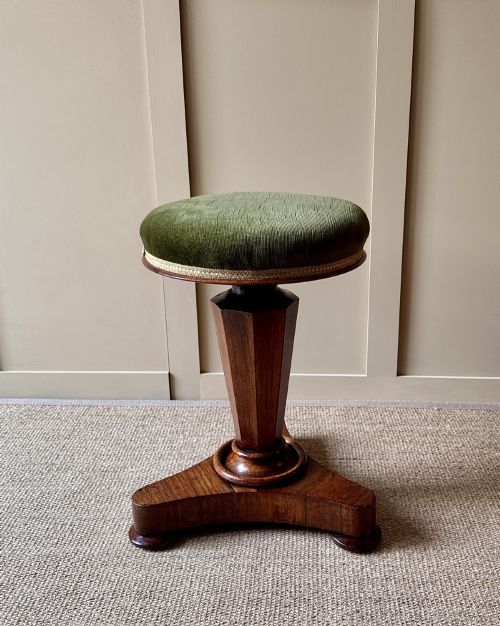
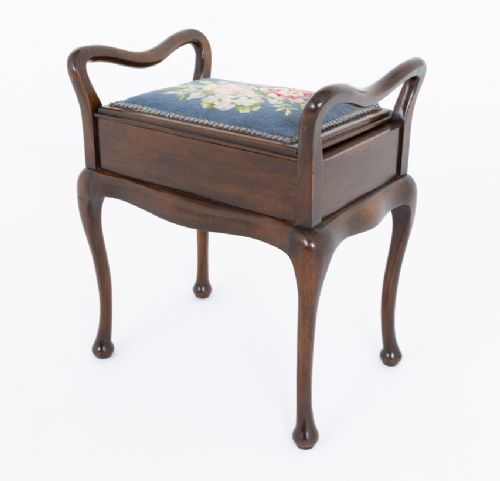
A wood music stool is designed for the piano, harp, or cello player, offering adjustable seating for musicians at their instruments. These pieces range from simple single seats to duet benches with hinged storage lids for sheet music.
The most common versions met on this page date from the nineteenth century, including Victorian revolving models and Edwardian mahogany examples. Walnut, rosewood, and mahogany provide the primary timber foundations for these seating forms.
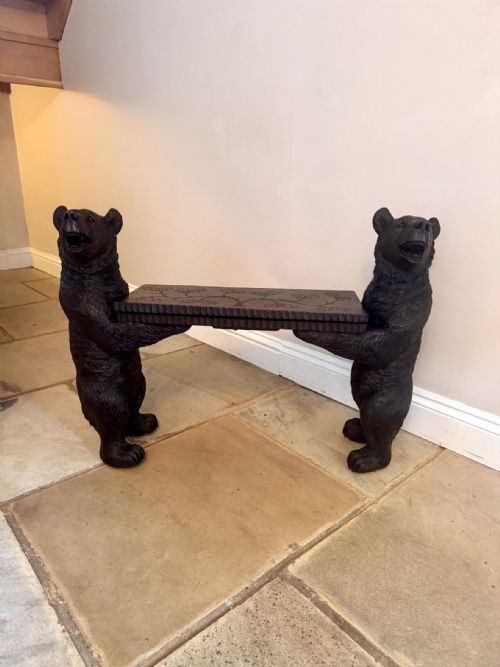
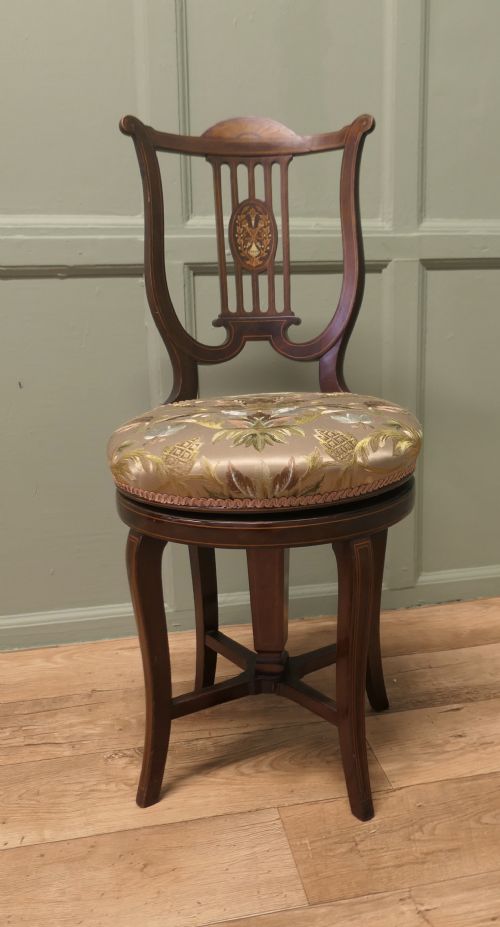
Makers such as Gillows and James Shoolbred produced notable variations, from swivel top designs to music chairs with lyre backs. Georgian, William IV, and Art Deco styles appear alongside Black Forest and Arts and Crafts interpretations.
How they were made
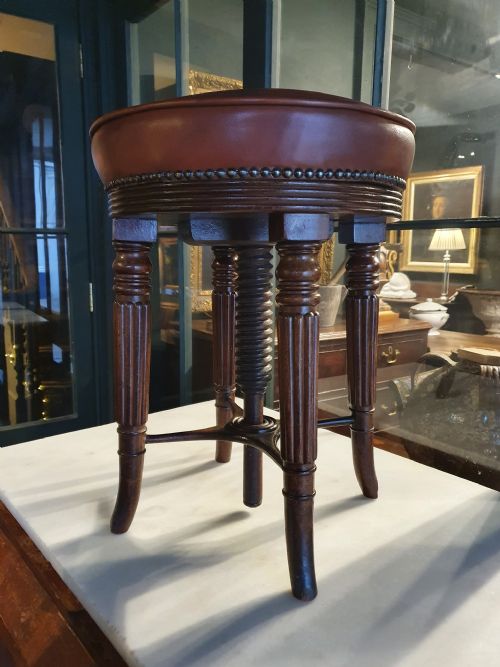
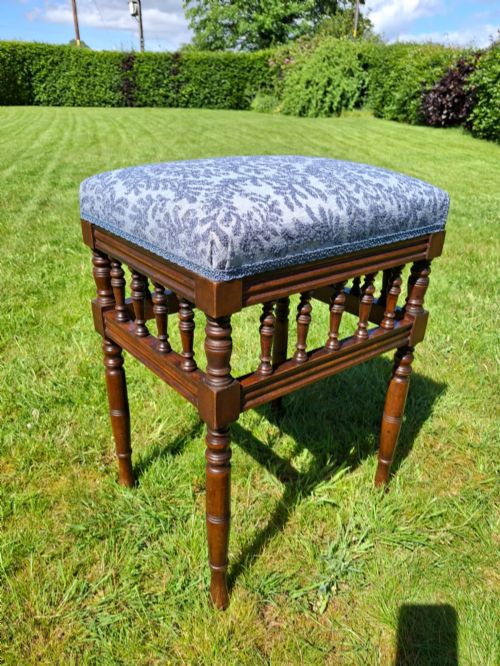
Cabinet makers utilised dense hardwoods like mahogany, walnut, and rosewood, turning and carving the timber for central columns and legs. Brass mechanisms provided the screw action for height adjustment on swivel top and rise and fall models.
Upholstery completed the seat pads, employing fabrics such as velvet and standard textiles fixed over padding. Papier-mâché and ebonised finishes also surfaced on specific Victorian pieces alongside inlaid mahogany details.
Wood Music Stool Retail Price Guide 2026
Typical asking prices for wood music stool among the pieces listed under this phrase on Sellingantiques today, from the lower quarter to the upper quarter. They describe what is for sale here now, not the wider market.
What varies in quality
The distinction between standard utility seating and exceptional pieces rests upon the precision of the turning, the carving detail on the walnut or mahogany, and the robustness of the mechanical rise and fall mechanism. Maker attribution, such as work bearing the stamp of Gillows or James Shoolbred, elevates the standing of a stool.
Refined proportions, such as the delicate joinery on a lyre back or the intricacy of Black Forest carvings, mark out the finer workshop outputs from plain commercial production.
Jennens and Bettridge·Gillows·Jas Shoolbred·James Shoolbred·H Brooks and Co
The Wood Music Stool Glossary
- Revolving piano stool
- A seat featuring a central screw mechanism that allows the top to turn and adjust in height.
- Rise and fall stool
- A seating form equipped with a mechanical handle or screw system to alter the vertical position.
- Duet stool
- An extended bench designed to accommodate two pianists playing together, frequently featuring a hinged seat for music storage.
- Lyre back
- A chair back carved in the symmetrical shape of an ancient stringed musical instrument.
- Ebonised
- Timber treated with a dark stain or finish to imitate the appearance of ebony.
Wood Music Stool: Frequently Asked Questions
How do I adjust the height?
Many nineteenth-century examples utilise a central wooden screw mechanism concealed beneath the upholstered seat. Turning the top clockwise or anticlockwise raises or lowers the seating surface.
Other variants employ mechanical rise and fall levers or side handles to shift the height for the player.
What is a duet stool?
A duet stool is an elongated wooden bench built to seat two musicians side by side at a piano. These often include a hinged top that opens to reveal a compartment for storing sheet music.
They appear in mahogany and walnut across Victorian and Edwardian periods.
How do I date a stool?
Dating relies on timber choice, leg style, and mechanical fittings combined. Georgian and Regency pieces favour simple mahogany or rosewood turning, while Victorian examples introduce heavy carved walnut and elaborate swivel screws.
Edwardian and Art Deco pieces display inlaid mahogany veneers or streamlined maple surfaces.
Were these only used for pianos?
While most served pianists, specialised variants accommodated harpists and cellists. These musician chairs often featured distinctive low backs or specific ergonomic supports for string players.