




Wood Marquetry Caddy
These wood marquetry caddy examples combine fine timber construction with intricate inlaid decoration, offering both practical storage and period elegance for the collector.
Wood Marquetry Caddy
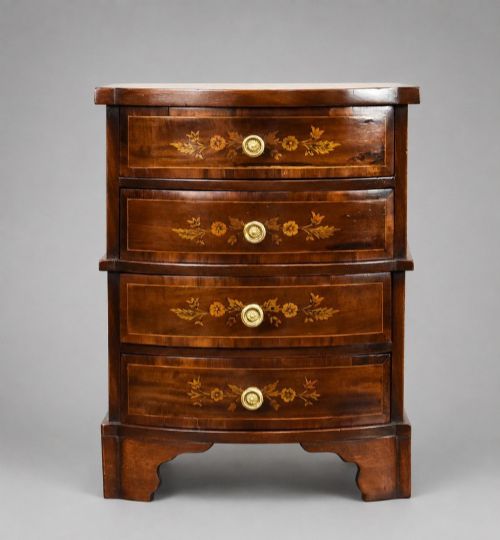
A wood marquetry caddy is primarily represented here by tea caddies, teapoys, and decorative boxes spanning the eighteenth and nineteenth centuries. Buyers encounter Georgian, Regency, and Victorian iterations shaped as octagons, oblongs, or miniature chests.
The assortment includes specialised forms such as Tunbridge Ware pieces alongside rosewood, mahogany, and satinwood containers. These items served originally to store precious tea leaves or write correspondence, utilising fitted compartments within.
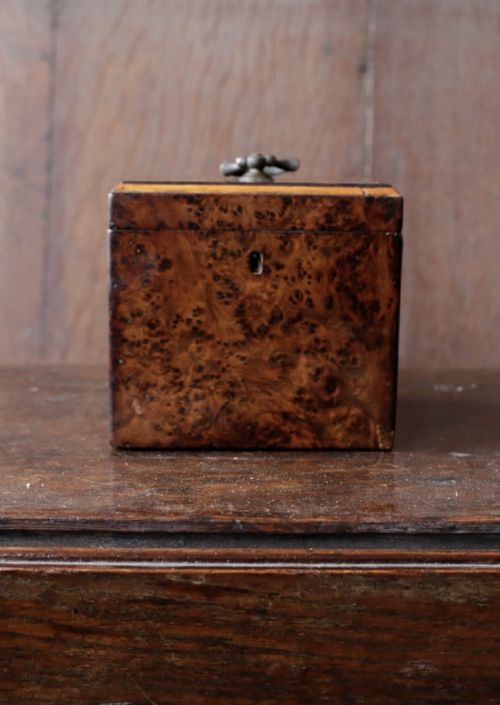
Makers utilised varied timbers including burr yew, partridge wood, thuya wood, and harewood to form the foundational structure and decorative surfaces. Dating spans from seventeen-fifty through the Edwardian era, reflecting shifting stylistic preferences across British and French workshops.
Materials and construction methods
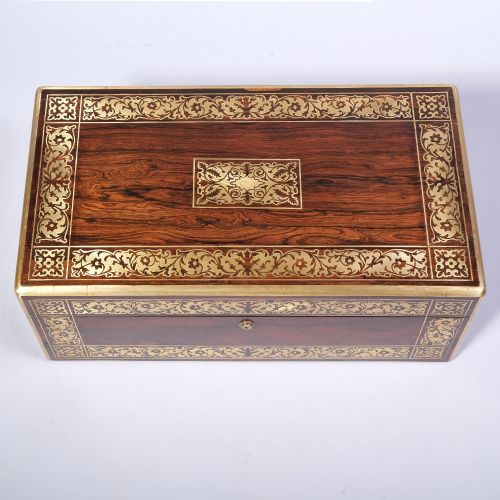
Cabinetmakers constructed the carcase using dense hardwoods like rosewood, mahogany, and walnut, often applying sliced veneers of exotic timbers over the primary wood. Boxwood, bone, and brass supplied contrasting linear details and escutcheons to punctuate the surface design.
Marquetry and parquetry techniques involved cutting thin segments of contrasting woods and assembling them into geometric patterns or pictorial motifs. Tunbridge Ware examples integrated microscopic mosaic tesserae to depict intricate architectural scenes and floral arrangements.
Wood Marquetry Caddy Retail Price Guide 2026
Typical asking prices for wood marquetry caddy among the pieces listed under this phrase on Sellingantiques today, from the lower quarter to the upper quarter. They describe what is for sale here now, not the wider market.
Current listings demonstrate a prevalence of nineteenth-century pieces alongside eighteenth-century examples, utilising rosewood, mahogany, and specialised boxwood inlay.
Factors influencing quality
The refinement of the timber selection and the precision of the veneer work dictate the standing of a piece within the range. Tighter botanical grain matching and more complex multi-wood pictorial inlays distinguish superior execution from simpler geometric arrangements.
Original interior fittings, such as internal mixing bowls, compartment lids, and functioning brass locks, elevate the integrity of the object. The crispness of carved mouldings and the stability of the box carcase further separate standard production from masterwork output.
Henry Hollamby
The Wood Marquetry Caddy Glossary
- Marquetry
- Decorative veneer applied to a wood structure in patterns representing images or flowers. It differs from parquetry through its use of pictorial rather than strictly geometric arrangements.
- Teapoy
- A pedestal table fitted with a storage box on top for holding tea. These stands often incorporate elaborate rosewood construction and internal canisters.
- Tunbridge Ware
- Woodware decorated with mosaic patterns made from thousands of tiny tinted wood blocks. This specialty originated in Kent during the nineteenth century.
- Caddy
- A small container designed for storing loose tea leaves securely. Period examples frequently feature lockable lids and internal divisions.
Wood Marquetry Caddy: Frequently Asked Questions
What is a wood marquetry caddy used for today?
These boxes function as decorative storage containers on sideboards and desks, housing small keepsakes, jewellery, or modern collections. Their historical purpose as dry goods storage has evolved into display pieces.
Collectors appreciate the compact footprint of these items, allowing them to integrate easily into domestic interiors while providing tangible links to Georgian and Victorian social rituals.
How do I date a wood marquetry caddy?
Dating relies on observing timber choices, construction techniques, and decorative styles characteristic of periods like the Georgian era or Victorian times. Mahogany and satinwood predominate in eighteenth-century pieces, while rosewood and elaborate brass inlay signal Regency work.
Examining the interior construction, drawer dovetails, and secondary woods provides further confirmation of the period of manufacture.
What is the difference between a tea caddy and a teapoy?
A tea caddy is a portable box designed to sit on a table or sideboard, containing one or more compartments for loose tea. These objects are easily lifted and moved by hand.
A teapoy is a larger piece of furniture featuring a tea box mounted permanently on a central pillar and pedestal base, occasionally incorporating a sewing basket or sewing fittings.
How do I care for antique wood surfaces?
Maintaining these boxes requires keeping them away from direct sunlight and extreme fluctuations in temperature or humidity. Stable room conditions prevent the delicate veneers and boxwood stringing from shrinking or lifting.
Applying occasional conservative applications of appropriate furniture wax preserves the lustre of the historic polish without harming the underlying wood.