
Wood Library Bookcase
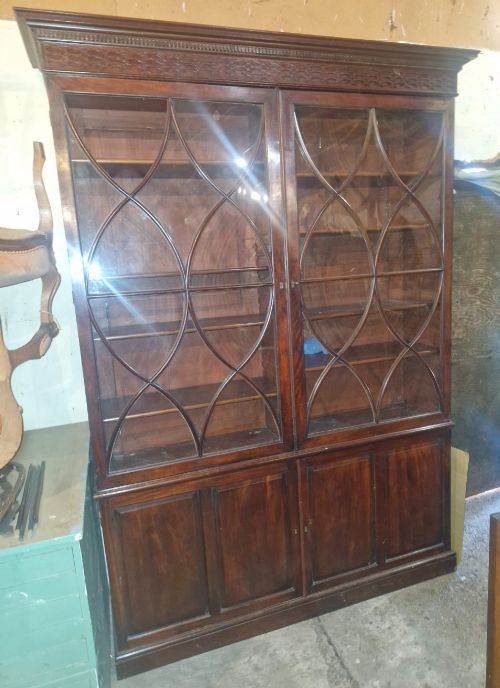
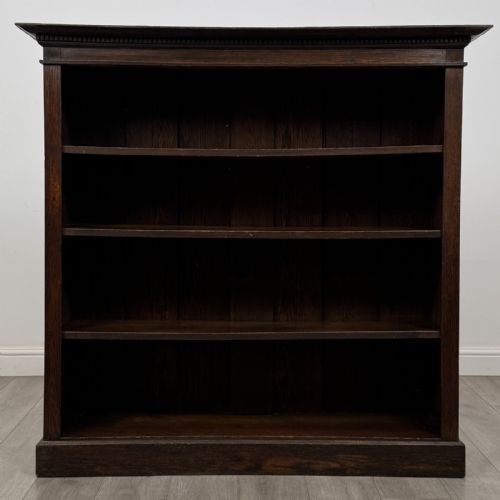
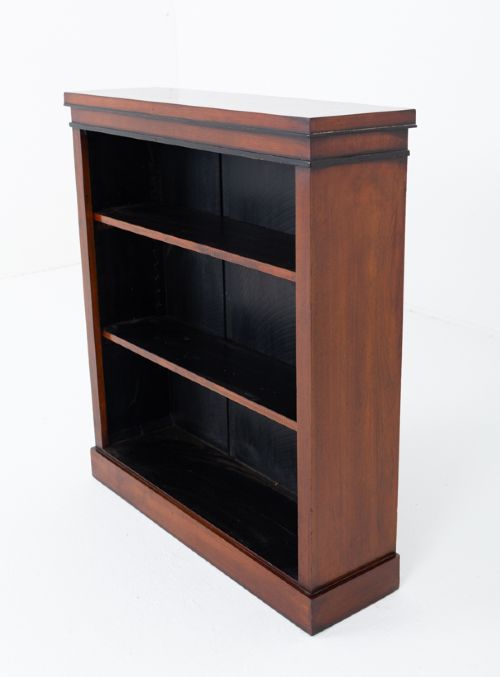
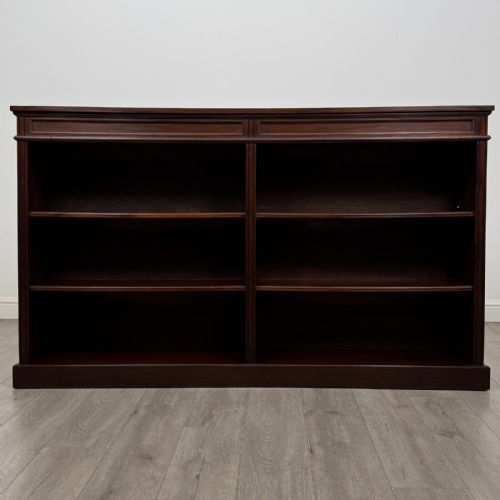
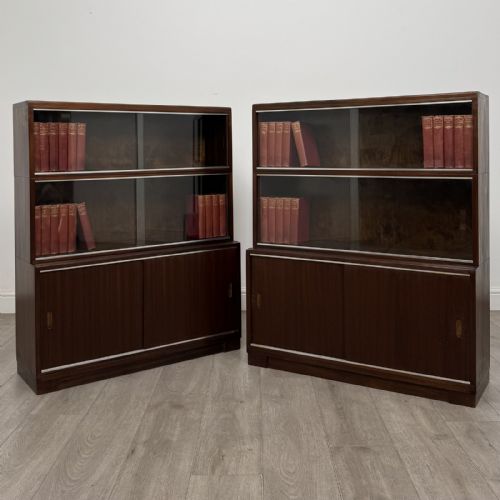
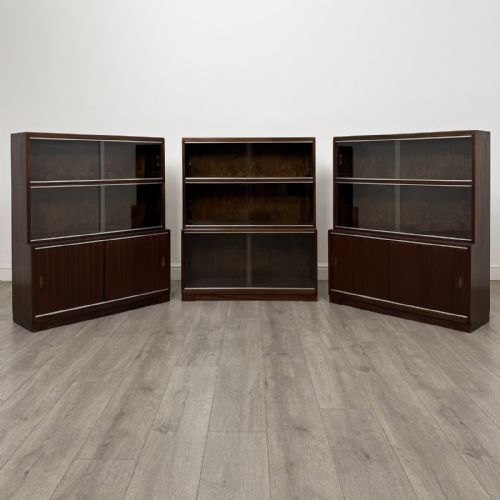
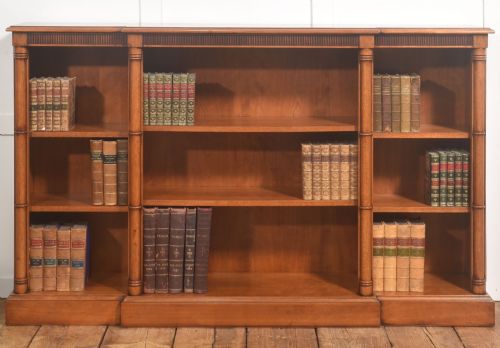
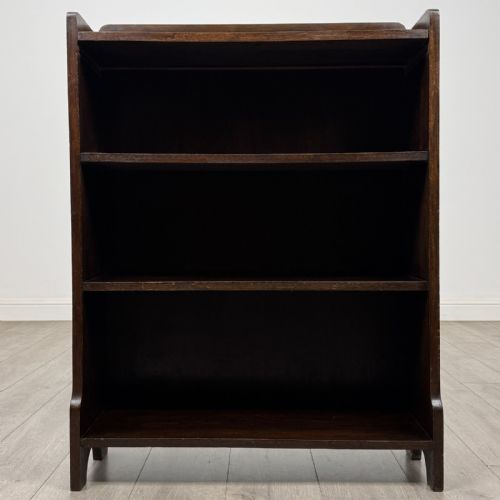
These wood library bookcase pieces span the nineteenth century and the early twentieth century, offering substantial storage for volumes.
Wood Library Bookcase
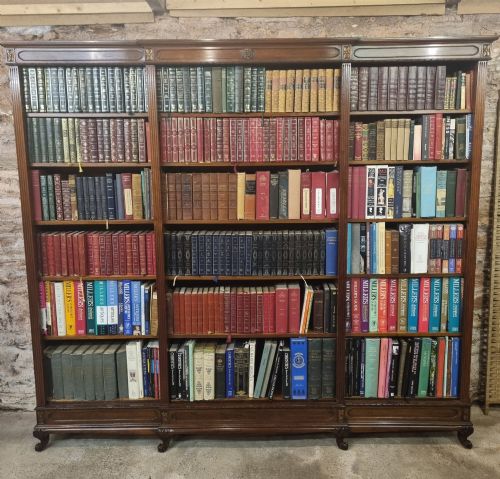
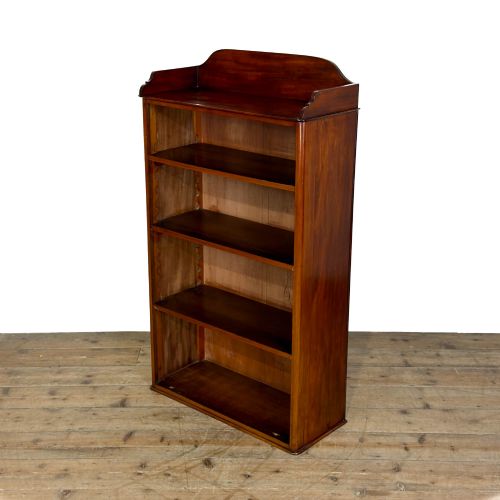
A wood library bookcase provides dedicated shelving for volumes, appearing frequently in open forms or enclosed cabinet designs. The pieces on this page span several periods, including Regency, Victorian, Edwardian, and the early twentieth century.
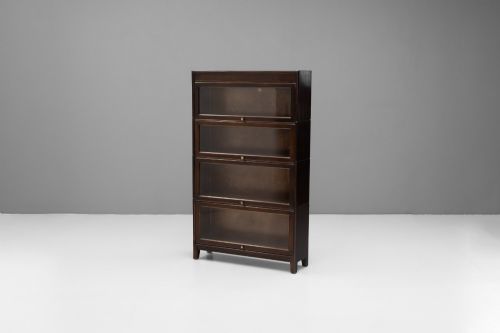
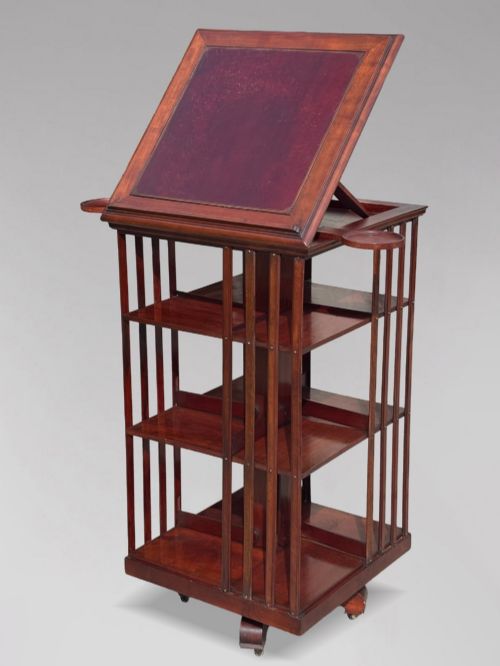
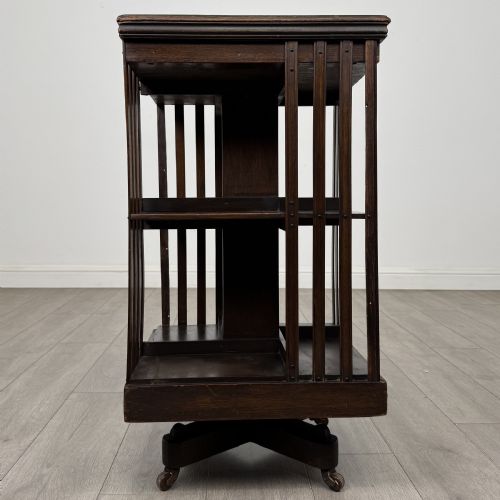
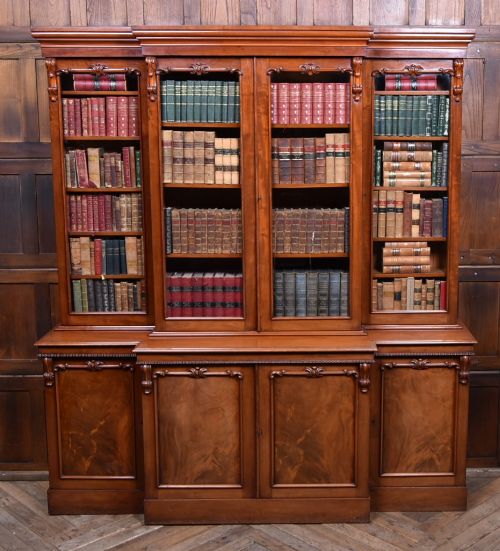
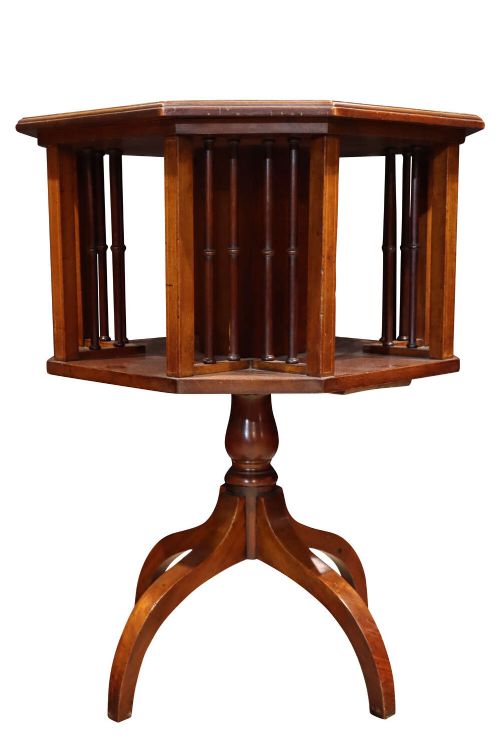
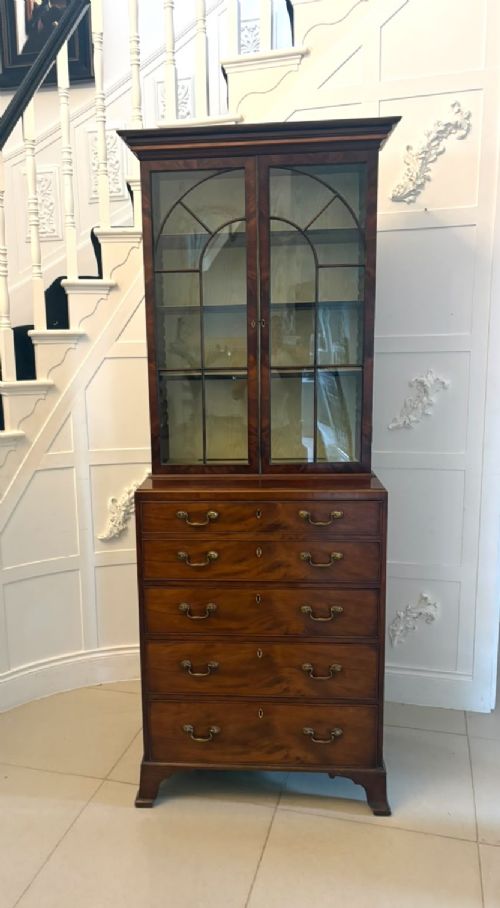
Buyers encounter open bookcases, revolving varieties, breakfront configurations, and glazed double doors. Mahogany and rosewood dominate the selection, alongside oak, walnut, and pine.
Forms range from low dwarf units to tall triple library bookcases and tiered what-nots. Many examples incorporate adjustable shelves to accommodate varying book sizes.
How They Were Made
Cabinet makers utilised dense hardwoods such as mahogany, rosewood, and walnut for the primary structures of these bookcases. Oak and pine appear frequently for internal framing and shelving.
Glazing with glass and decorative hardware in brass provide the functional and visual details on cabinet doors. Carved ornamentation, ebonised elements, and inlaid timbers decorate select Victorian and Edwardian examples.
A green man carving peers out from select ebonised low dwarf bookcases, watching over the library.
What Varies in Quality
The selection of timber grain, such as figured mahogany or rosewood, distinguishes standard utility pieces from finer examples. Finely executed carvings and inlay work indicate superior workshop production.
Mechanical components like adjustable shelf systems and smooth-turning revolving mechanisms demonstrate the care taken during construction.
Gillows·Charles Norman of Richmond
The Wood Library Bookcase Glossary
- Breakfront
- A cabinet design where the central section projects forward from the flanking wings. This architectural arrangement creates depth and visual interest in larger library bookcases.
- Dwarf Bookcase
- A low open bookcase standing beneath table height. These pieces often feature adjustable shelves.
- Revolving Bookcase
- A compact freestanding bookcase designed to spin on a central pivot base. This form allows easy access to books from any seating position.
- What-Not
- A set of open shelves arranged in multiple tiers for displaying books or small objects. They appear in Regency periods.
- Adjustable Shelves
- Shelves supported by movable pins or ratchets, permitting height adjustments. This functional detail accommodates books of various heights.
Wood Library Bookcase: Frequently Asked Questions
What periods do these bookcases represent?
The inventory spans the Regency, William IV, Victorian, Edwardian, and early twentieth-century periods. Dates range from the early nineteenth century through to nineteen-thirty.
Craftsmanship reflects the stylistic shifts of each era, moving from neoclassical influences to later Victorian mass production and Edwardian designs.
Are the shelves adjustable?
Many of the listed pieces include adjustable shelves to accommodate different book sizes. This feature appears across various nineteenth-century and twentieth-century examples.
Fixed shelving also occurs in certain models, particularly in smaller dwarf cabinets or specific architectural bookcase formats.
What timber types are used?
Mahogany and rosewood are the most common hardwoods found in these library bookcases. Walnut, oak, pine, and satinwood also appear across the selection.
Brass hardware and glass glazing provide the secondary materials for cabinet doors and decorative accents.
How do revolving bookcases function?
Revolving bookcases sit on a central pivot mechanism that allows the entire tier of shelves to turn smoothly. This design facilitates access to books from multiple angles in a room.
These pieces typically appear in compact proportions suited for placement beside chairs or desks.