
Wood Framed Art
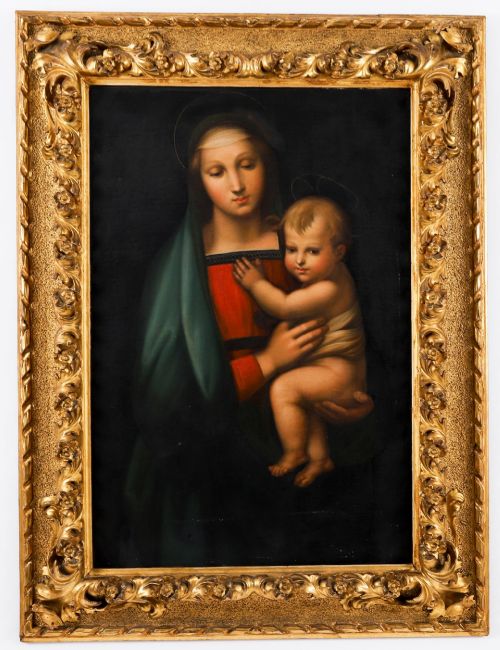
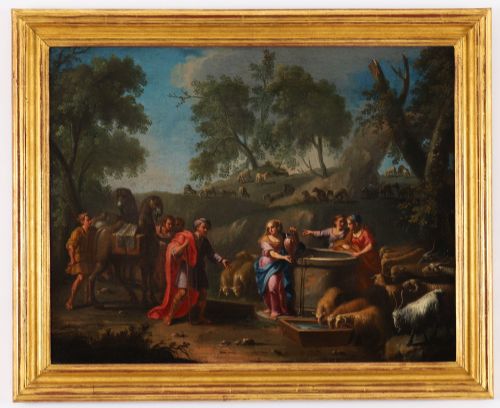
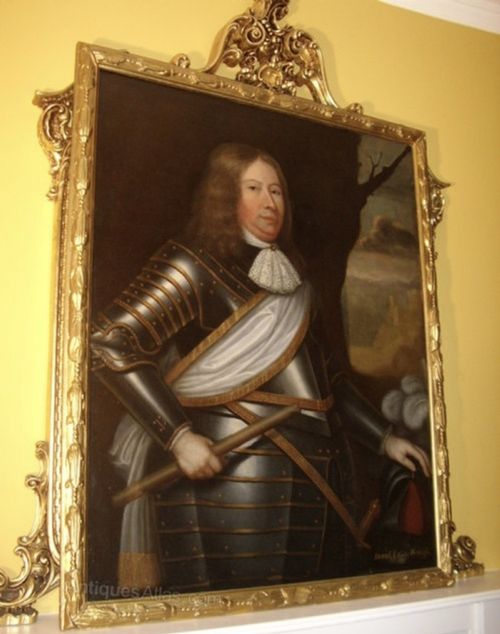
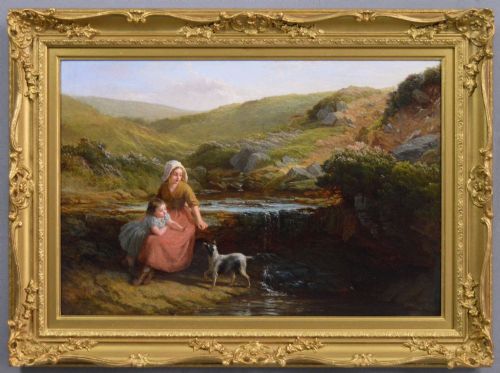
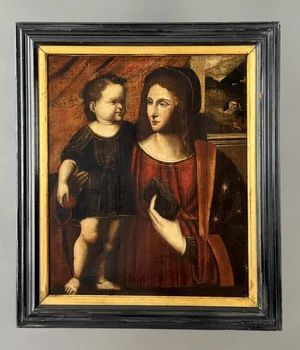
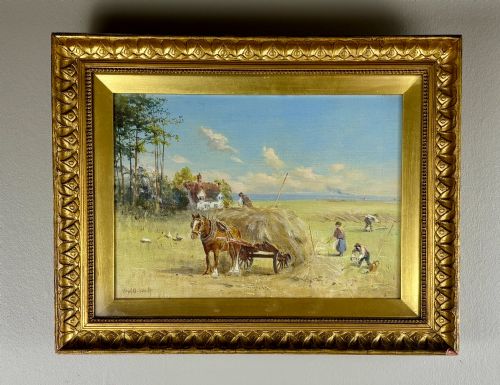
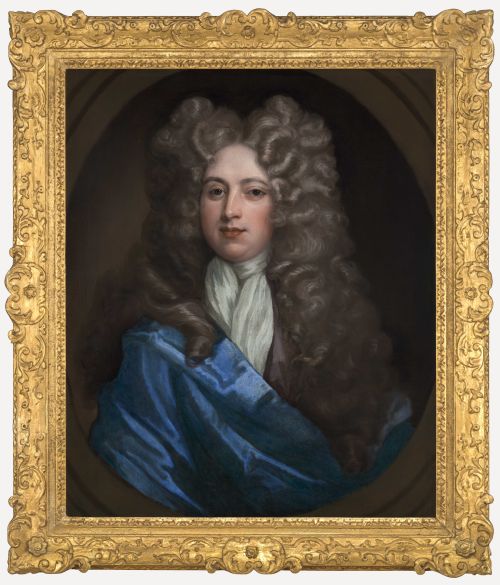
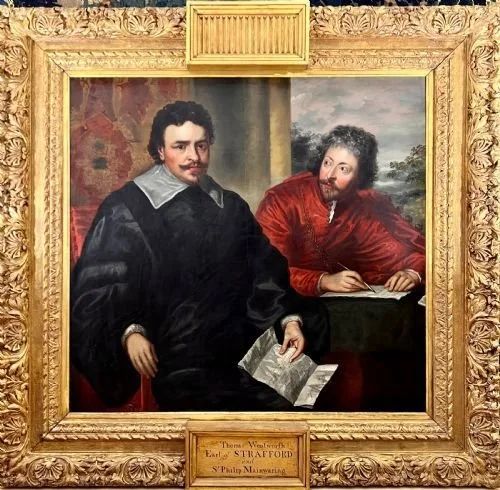
When you explore wood framed art, you encounter centuries of paintings, engravings, and carvings housed in period surrounds.
Wood Framed Art
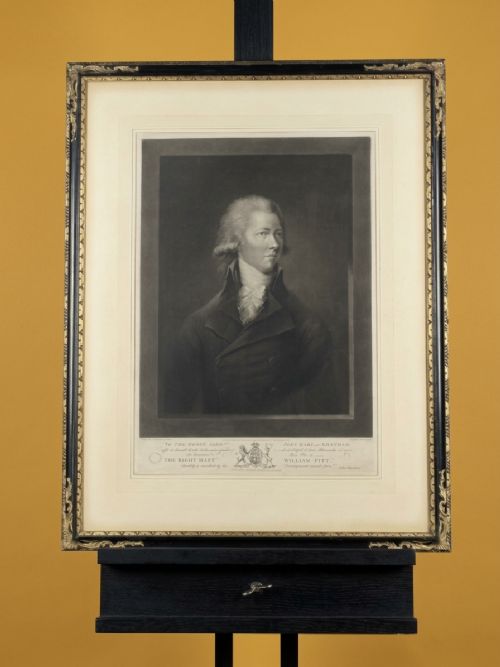
When searching for wood framed art, a buyer looks at a diverse range of historic visual works, including oil paintings on canvas and panel, watercolours, engravings, and carved panels.
The selections span multiple centuries, reaching from the seventeenth century through the Georgian and Victorian eras into the twentieth century, alongside distinct items like devotional icons and silhouettes.
How they were made
The physical objects combine pictorial media such as oil paint, watercolour, and ink applied to paper, panel, or canvas with structural wooden housings.
Makers utilised traditional techniques including oil painting, hand-carved gesso moulding, gilding with gold leaf, and copperplate engraving to produce these works.
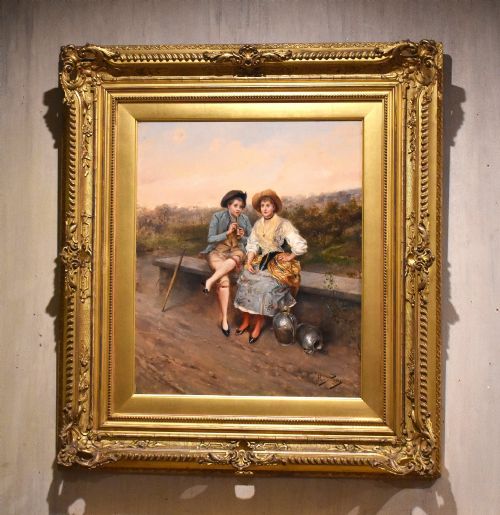
Many items pair organic supports like wood panels and stretched canvas with ornate outer frames formed from timber and finished with applied decorative details.
A painted miniature of Napoleon after Delaroche allows a diminutive emperor to command an entire wall.
What varies in quality
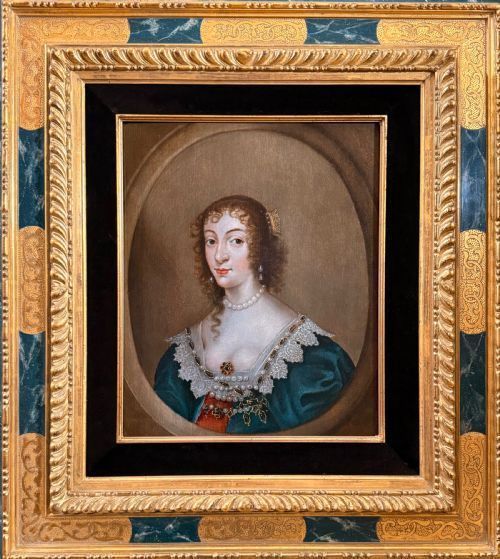
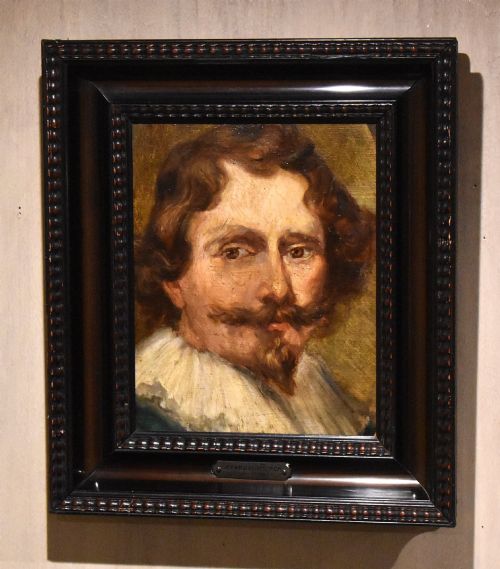
Quality in these pieces rests upon the execution of the primary artwork, distinguishing skilled hand-painted portraiture and detailed engravings from simpler output.
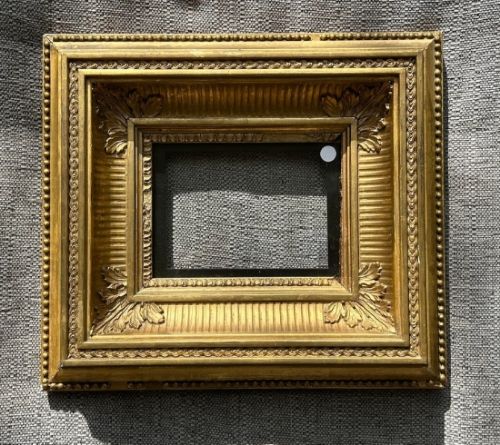
The integrity and artistry of the surrounding frame create a significant distinction, separating plain housings from deep giltwood and gesso mouldings featuring intricate carved fluting.
Condition and originality dictate the standing of a piece, particularly where original panels, glass, and period frames remain intact without later alterations.
Alonso Perez·George Keating·Edward Holmes·Stanley Webb Davies
The Wood Framed Art Glossary
- Giltwood
- Wood that has been covered with a thin layer of gold leaf or gesso and gold paint. This finish frequently defines decorative antique picture frames from the seventeenth to the nineteenth centuries.
- Mezzotint
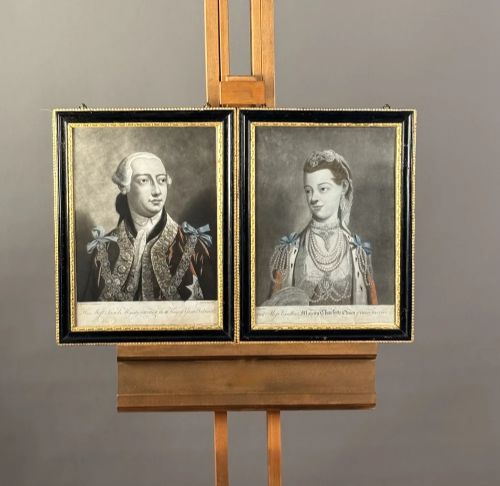
- A printmaking process of the intaglio family where the plate is worked from dark to light. It allows smooth gradations of tone and was widely used for eighteenth-century portrait prints.
- Panel
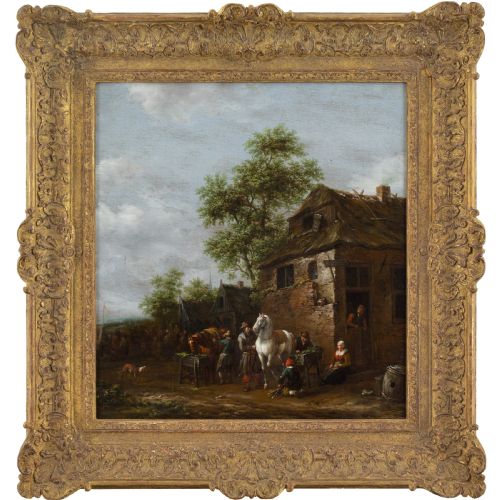
- A flat wooden board used as a support for paintings instead of canvas. Artists often utilised oak or other hardwoods during the seventeenth century and earlier.
- Gesso
- A plaster mix used as a base for paint or applied to wood frames to create relief ornamentation. Skilled artisans carved and gilded this material to form elaborate decorative borders.
- Devotional Icon
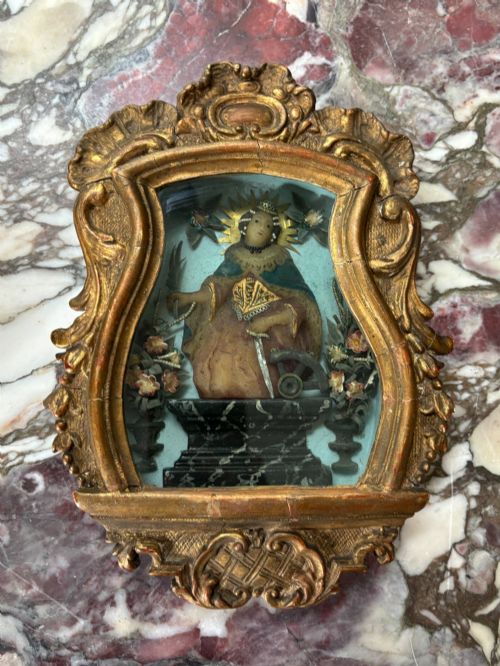
- A small religious image created for prayer and contemplation. These objects often incorporate carved wood, wax, and specialised metalwork.
Wood Framed Art: Frequently Asked Questions
How do I date a wood frame?
Dating a frame requires examining the construction joints at the corners, the composition of the gesso, and the type of wood utilised underneath the finish. Earlier frames often employ hand-carved wooden mouldings, while later Victorian and Edwardian examples show machine assistance.
Historical painting styles and framing fashions frequently align, helping collectors connect the surround to the period of the artwork it houses.
What is an oil on panel painting?
An oil on panel painting uses a rigid wooden board as the primary support for oil pigments rather than woven canvas. This technique was common in earlier centuries, particularly among seventeenth-century European schools.
Panels require stable environmental conditions to prevent the wood from warping or splitting over time as humidity fluctuates within a room.
How should I clean a giltwood frame?
Cleaning giltwood frames requires extreme caution because the gold leaf or metallic paint layer can easily flake or rub away under moisture. Dusting gently with a soft, dry brush is the safest method for routine maintenance.
Avoid using liquid cleaners, solvents, or abrasive cloths, as these substances strip the historic surface finish from the carved gesso beneath.
What distinguishes an engraving from an oil painting?
An engraving is a printed work created by incising a design into a metal plate, applying ink, and transferring it to paper under pressure. In contrast, an oil painting is a unique hand-painted composition using pigment suspended in drying oil on canvas or board.
Engravings often allowed popular portraits and scenes to be duplicated and shared widely, whereas oil paintings remain singular creations by an artist's hand.