

Wood Dressing Table
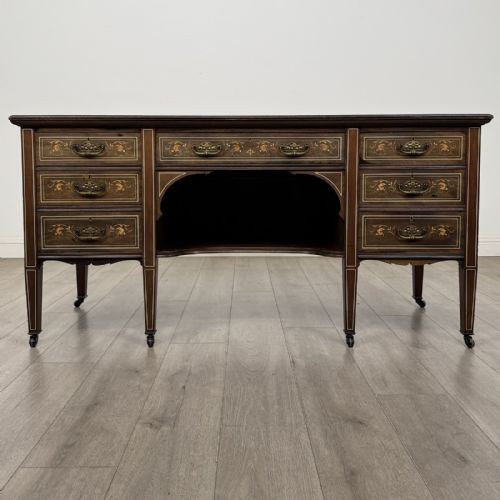
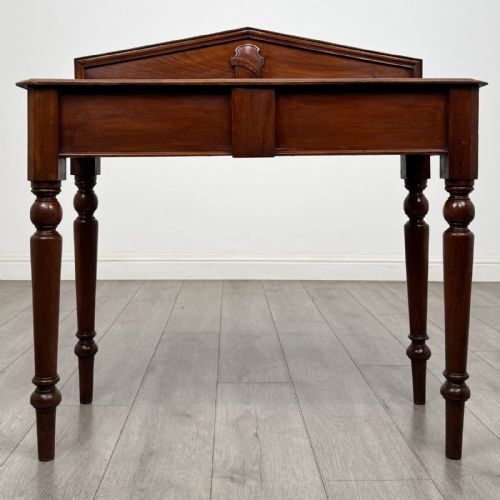
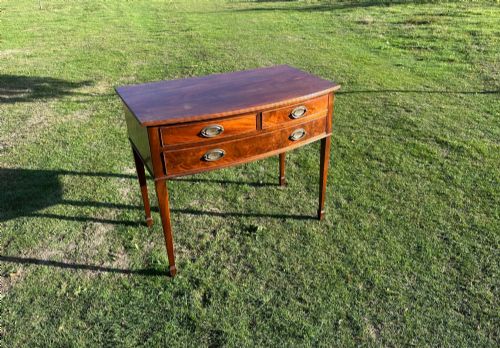
A wood dressing table brings centuries of fitted timber craftsmanship and surface grain into the bedroom.
Wood Dressing Table
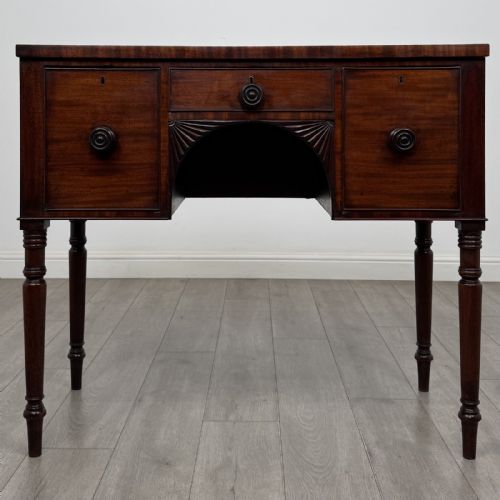
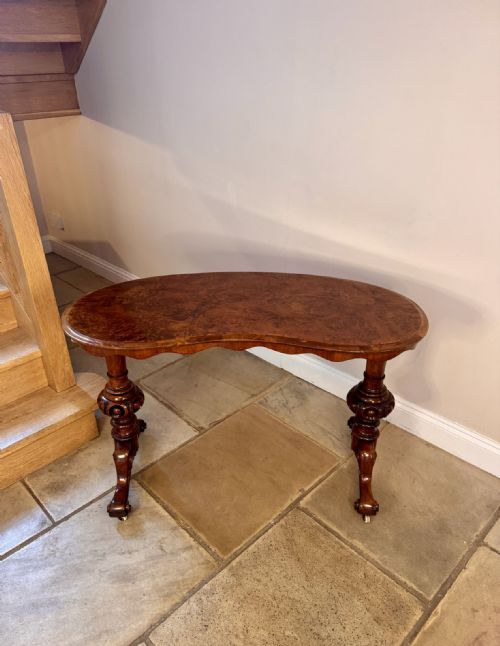
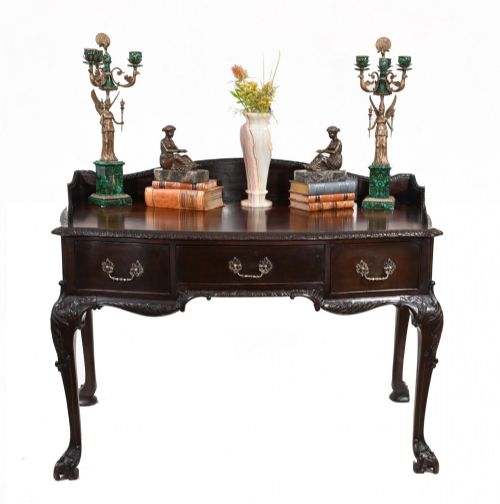
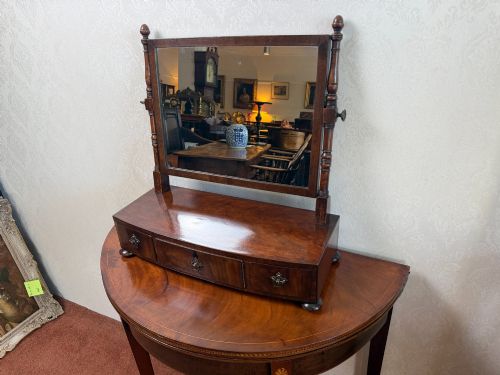
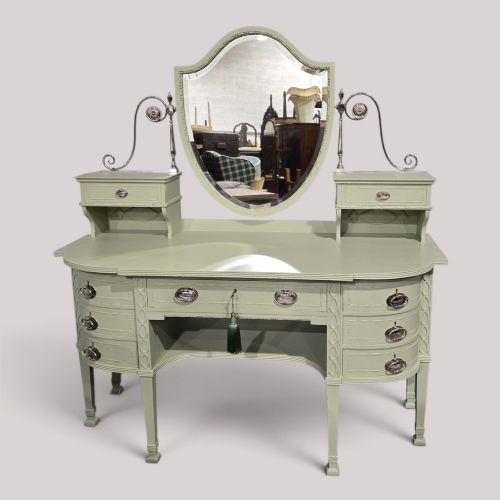
When you search for a wood dressing table, you encounter pieces spanning from the 18th century through to the art deco period. The selection includes everything from George II yew wood designs and Georgian folding tables to Edwardian mahogany vanities and birds eye maple art deco pieces.
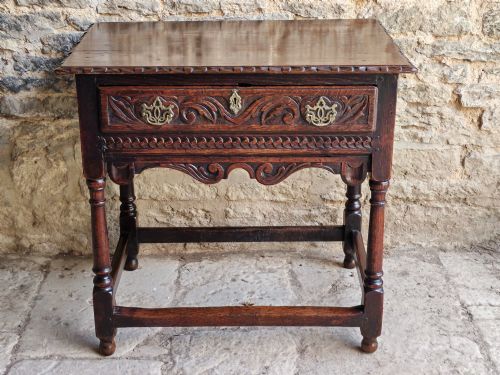
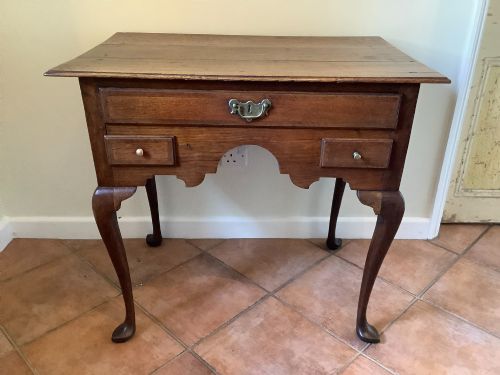
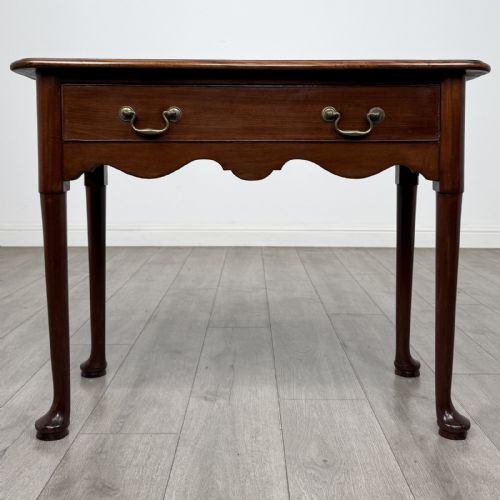
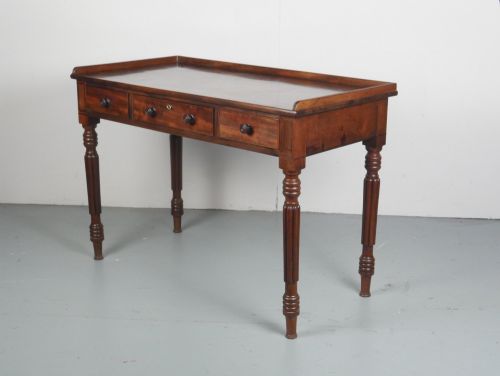
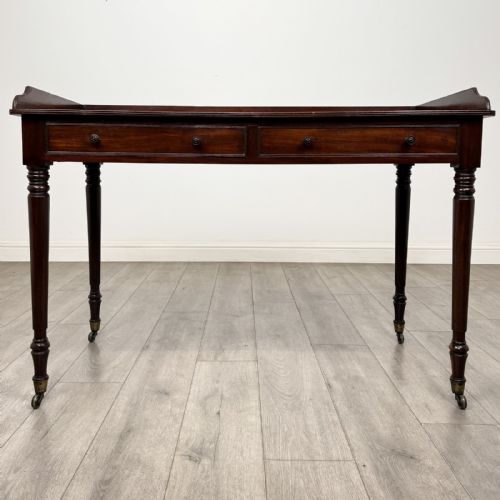
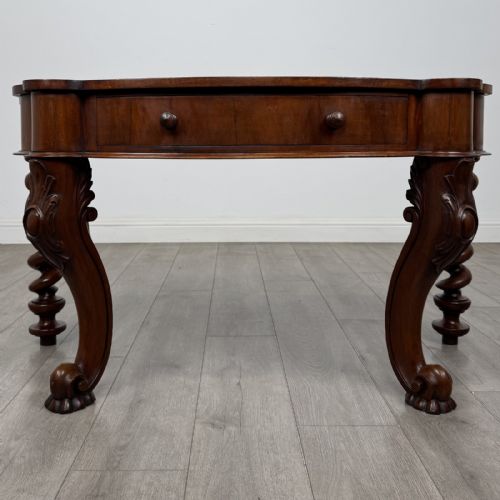
Mahogany and walnut predominate across these centuries, alongside rosewood and oak. Alongside standard dressing tables, the listings include related forms such as dressing mirrors, lowboys, washstands, and writing tables that share the same domestic spaces.
Materials and construction
Cabinetmakers utilised dense hardwoods like mahogany, walnut, and rosewood, often enhanced with boxwood stringing, brass hardware, or mother of pearl inlay. Surfaces range from figured walnut veneers to solid yew wood and maple, supported by period joinery techniques.
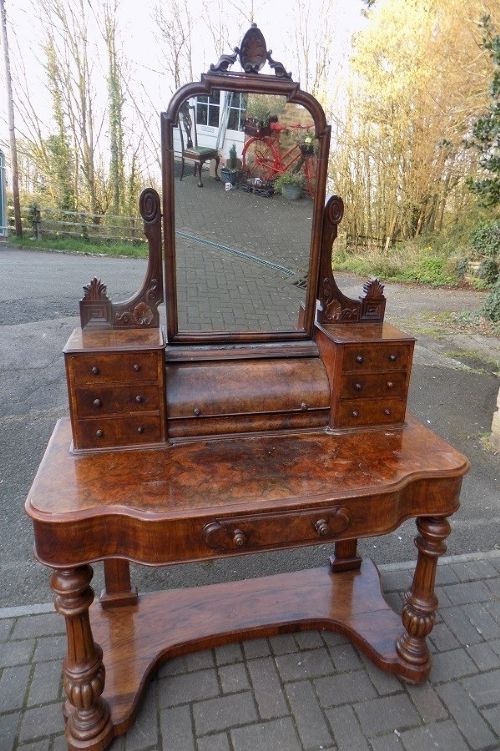
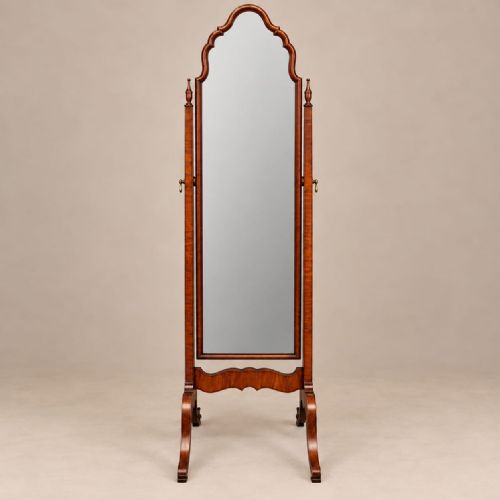
Mirrors associated with these pieces feature pivoting triptych or shield frames, frequently carved from matching walnut or mahogany to coordinate with the primary furniture body.
Wood Dressing Table Retail Price Guide 2026
Typical asking prices for wood dressing table among the pieces listed under this phrase on Sellingantiques today, from the lower quarter to the upper quarter. They describe what is for sale here now, not the wider market.
Build and surface execution
Quality reveals itself in the choice of timber figure, such as burr walnut or birds eye maple, and the precision of the cabinet work in drawers and joints. Superior examples display thoughtful proportions, balanced grain patterns, and original brass fittings.
The integration of mirrors and auxiliary compartments demonstrates the maker's skill, where pivoting mechanisms and internal partitions remain robust and well-fitted to the surrounding frame.
Shapland & Petter
The Wood Dressing Table Glossary
- Lowboy
- A small oak, walnut, or mahogany table with drawers, typically used as a dressing or side table in the 18th century.
- Triptych
- A three-panel mirror arrangement, often found on dressing tables where the outer wings adjust at angles.
- Dressing mirror
- A tabletop glass mounted in a pivoting frame, designed to sit upon a chest of drawers or a dedicated stand.
- Stringing
- A thin inlay of contrasting timber, such as boxwood, used to outline drawer fronts and tabletops.
Wood Dressing Table: Frequently Asked Questions
What is a wood dressing table?
A wood dressing table is a dedicated piece of bedroom furniture designed for grooming, featuring fitted drawers for storage and often an attached or matching mirror.
Historically constructed from timbers like mahogany, walnut, and oak, these pieces range from simple 18th-century lowboys to elaborate Edwardian and art deco designs.
How do I date a wood dressing table?
Dating relies on observing the primary timber, hardware, construction methods, and overall stylistic period. Georgian and George II pieces often display straight-grained mahogany or yew with hand-cut dovetails, while Edwardian and later 20th-century examples show different veneering techniques and lighter framing.
Examining the mirror glass, if original, also helps determine whether the piece originates from the 18th, 19th, or 20th century.
Where should I place a dressing table?
These pieces suit bedrooms and dressing rooms where natural light falls across the surface and mirror. Positioning them near a window maximises visibility for daily grooming tasks.
They also function well as secondary writing desks or console tables in home offices and hallways.
How do I care for antique wood furniture?
Maintain antique timber surfaces by keeping them away from direct heat sources and strong sunlight that can dry out the wood and fade veneers. Dust regularly with a dry cloth and apply occasional specialist wax to nourish the grain.
Avoid using modern chemical sprays or excessive moisture on polished mahogany, walnut, and rosewood.