





Wood Dressing Table Stool
These wood dressing table stool examples are compact seating pieces designed for vanity use, offering period charm and practical daily utility.
Wood Dressing Table Stool
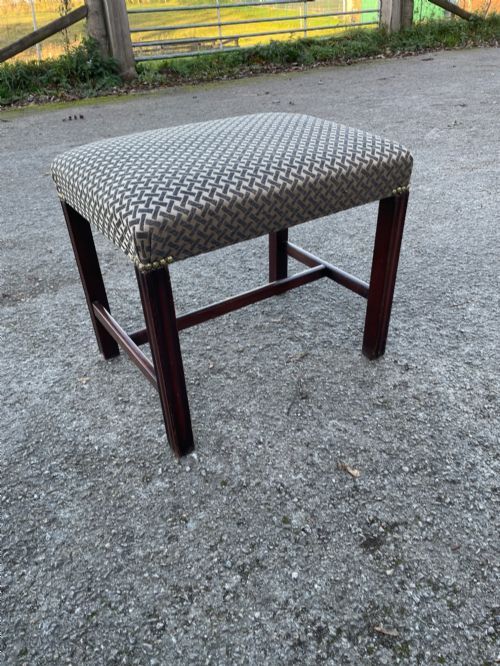
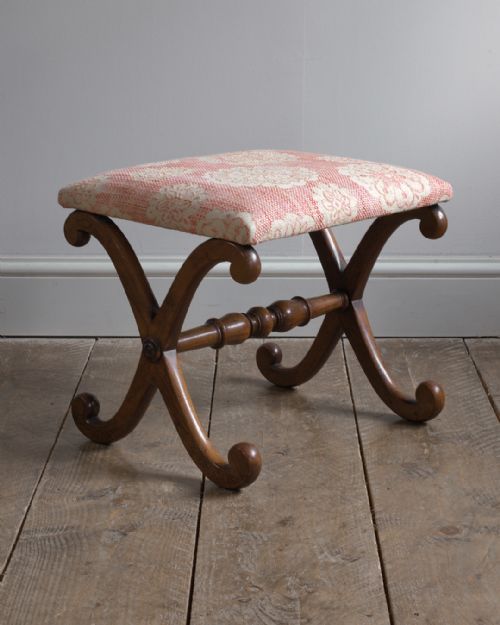
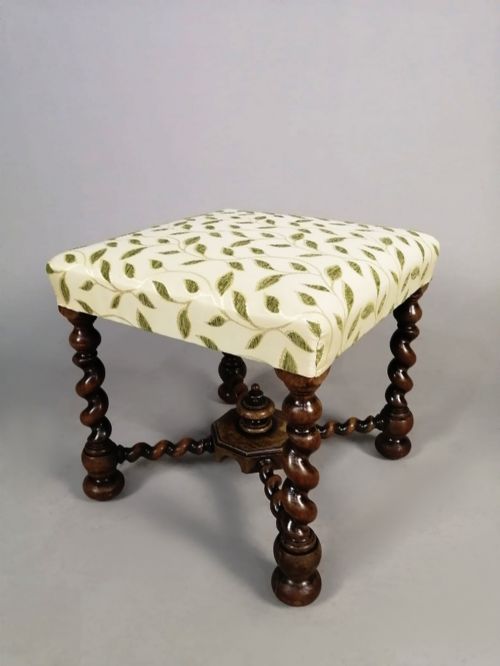
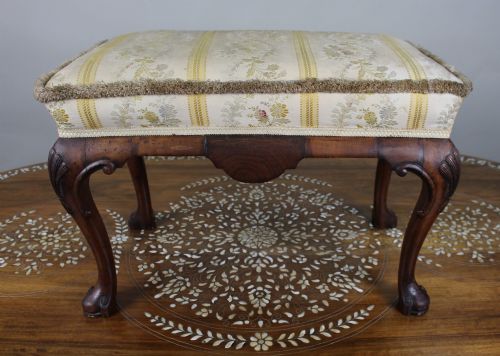
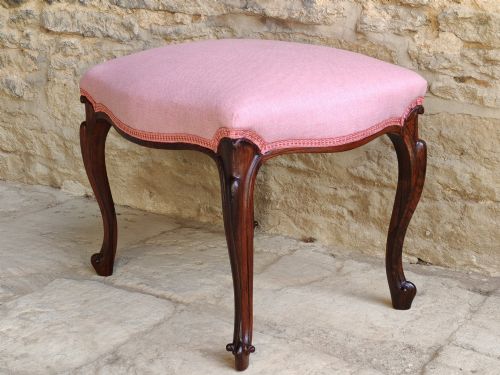
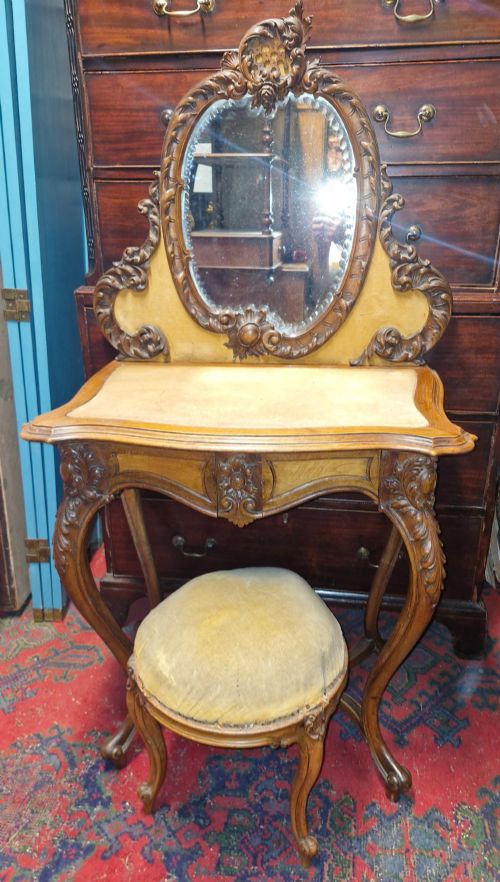
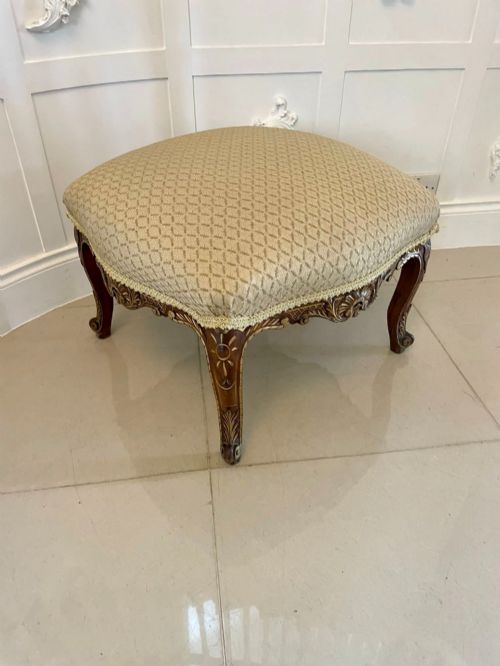
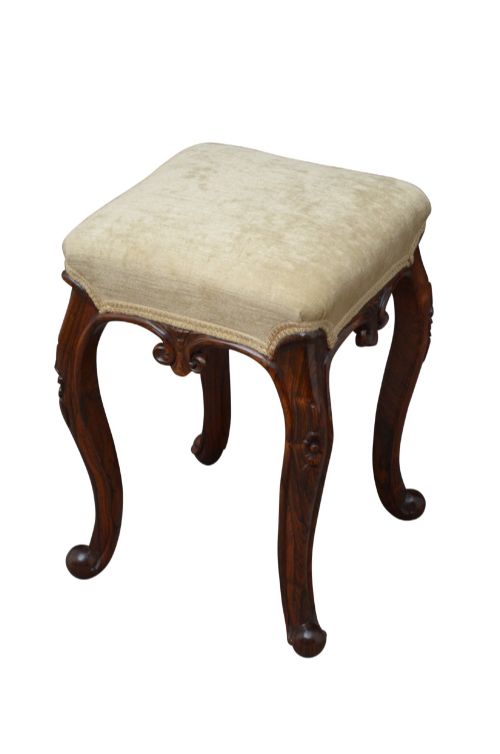
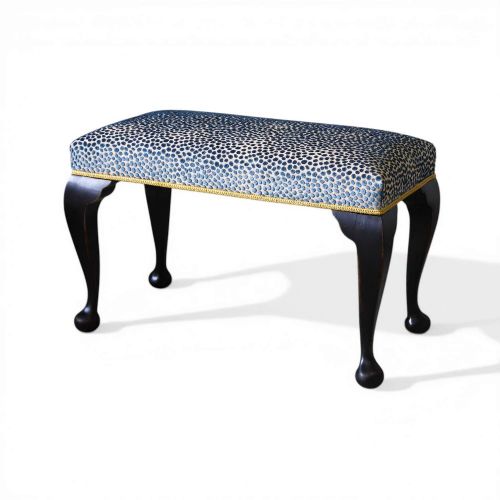
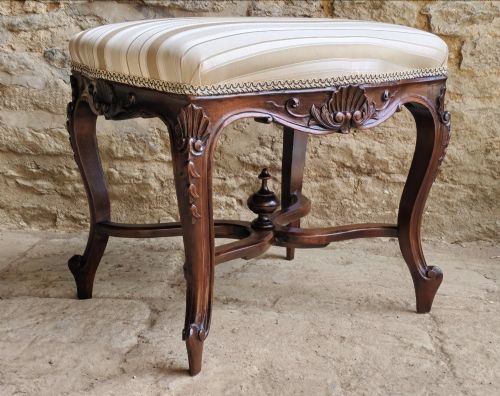
When you search for a wood dressing table stool, you encounter a variety of compact seating pieces originating from multiple periods including the Victorian era, the nineteenth century, and the nineteen thirties. These items serve domestic vanity spaces and include distinct forms such as square, circular, oval, and long stools alongside dedicated dressing stools.
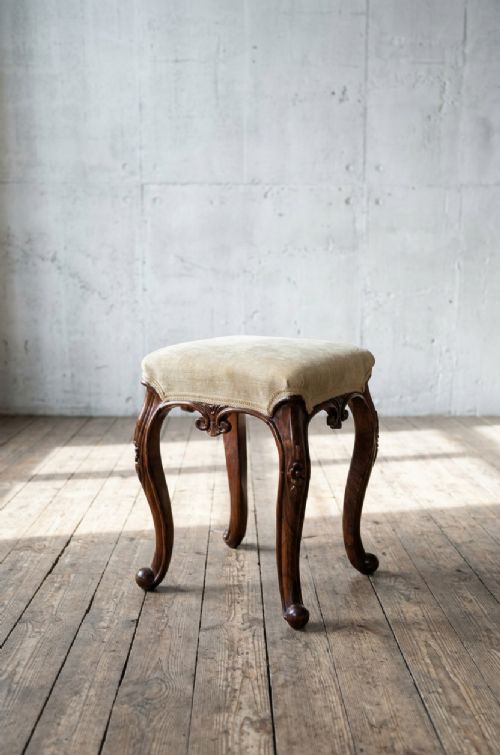
The pieces on this page reflect diverse stylistic influences, ranging from French Louis style and Regency to Arts and Crafts and Art Deco. Buyers will find both simple turned leg designs and heavily carved walnut or mahogany frames reflecting specific historical revivals.
How they were made
Maker construction relies heavily on solid timbers such as mahogany, walnut, rosewood, sycamore, and goncalo alves wood, often shaped with carved details or turned legs. Workshops also utilised painted wood finishes, ebonised surfaces, and gilt treatments to achieve specific stylistic appearances.
Seating portions incorporate traditional textile applications, utilising fabric, velvet, tapestry, and leather upholstery, sometimes secured over newer flowery top covers or classic horsehair stuffing.
Wood Dressing Table Stool Retail Price Guide 2026
Typical asking prices for wood dressing table stool among the pieces listed under this phrase on Sellingantiques today, from the lower quarter to the upper quarter. They describe what is for sale here now, not the wider market.
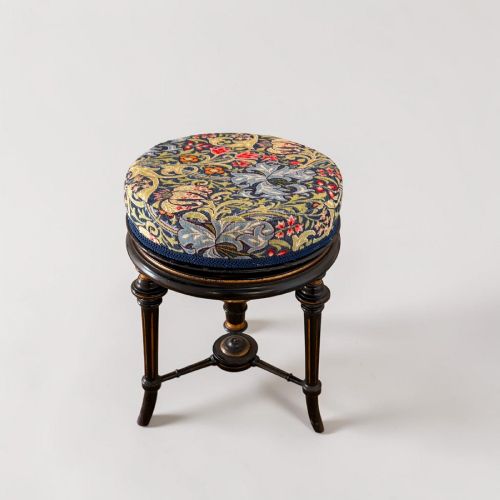
One cheerful Victorian specimen doubles as a revolving piano seat, ready to spin a tune between hair-brushing sessions.
What varies in quality
Quality differences emerge in the depth and crispness of the timber carving, distinguishing simple turned frames from intricately detailed walnut or gilt pieces. The choice of primary wood, from standard painted timber to dense rosewood or goncalo alves, alters the fundamental substance of the frame.
Execution of the upholstery work and the integrity of the underlying joinery separate standard utility pieces from fine decorative examples built with superior craftsmanship.
The Wood Dressing Table Stool Glossary
- Cabriole leg
- A furniture leg that curves outward at the knee and tapers inward to an ankle, commonly seen on eighteenth century and revival seating.
- Goncalo alves
- A dense exotic hardwood known for its striking figuring, occasionally utilised for Victorian furniture frames.
- Bobbin leg
- A turned wooden furniture leg shaped to resemble a series of bobbins or spools strung together.
- Gilt wood
- Wood surfaces treated with gold leaf or metallic paint to create a lustrous golden finish.
- Sycamore
- A light coloured hardwood utilised by makers for smooth, pale furniture frames.
Wood Dressing Table Stool: Frequently Asked Questions
What is a wood dressing table stool?
A wood dressing table stool is a low, movable seat designed specifically to sit comfortably in front of a bedroom vanity or dressing table.
These pieces provide practical seating while matching the timber frame and decorative style of the associated dressing furniture.
How do I date a wooden stool?
Dating a wooden stool involves examining the primary timber species, the turning or carving techniques on the legs, and the construction methods used in the frame.
stylistic details such as Victorian cabriole legs, Art Deco geometric lines, or Regency proportions also provide clear clues to the decade of manufacture.
Are these stools comfortable for daily use?
Most of these pieces feature upholstered seats covered in velvet, leather, fabric, or tapestry, offering padded support suitable for routine vanity seating.
Many surviving examples also benefit from renewed covers while maintaining their original historic wooden frames.
Where were these stools placed originally?
These items were built primarily for bedrooms and boudoirs to accompany dressing tables, revolving piano setups, or washstands.
Their compact footprints allowed them to tuck neatly underneath furniture tops when not in use.