
Wood Display Unit
A wood display unit holds a room's collection of books and cherished objects, bringing order and warmth to the interior.
Wood Display Unit
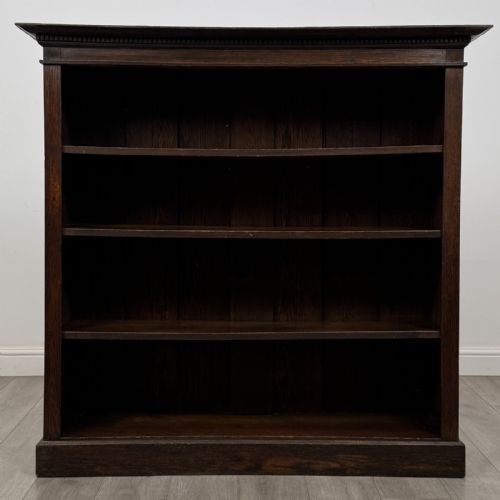
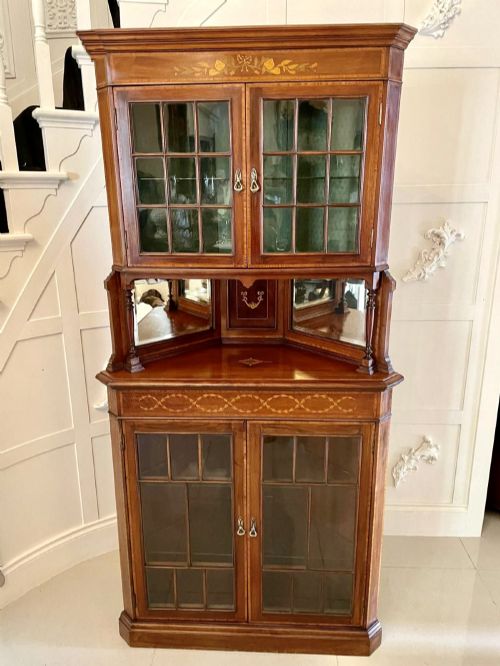
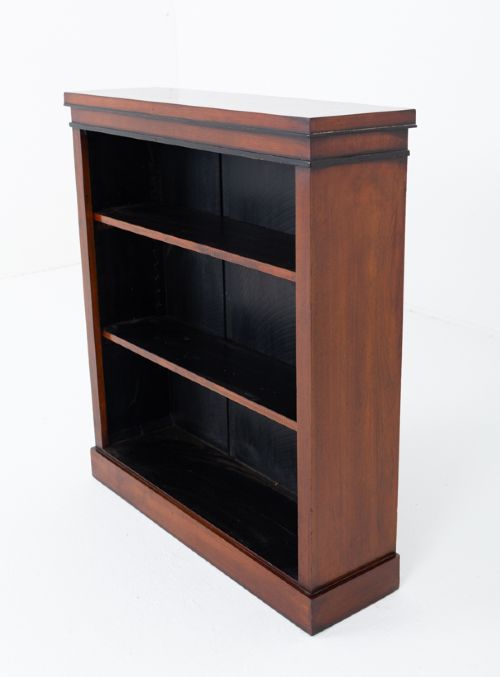
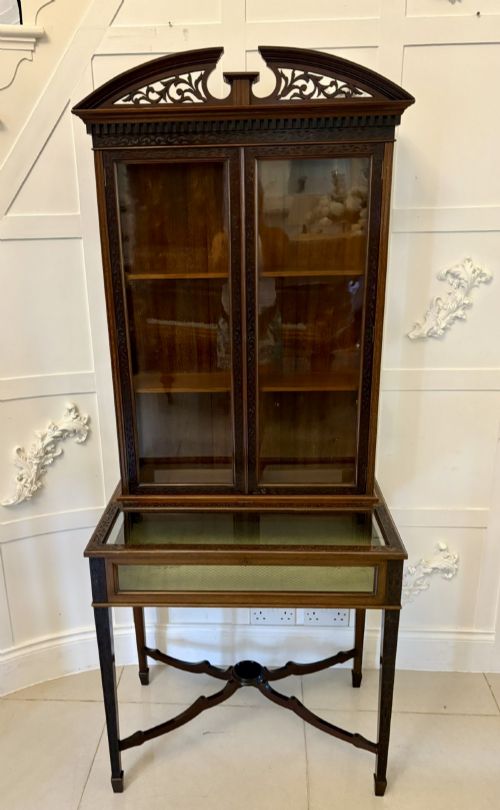
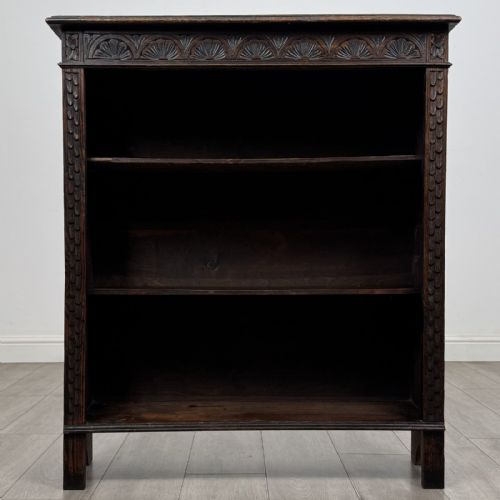
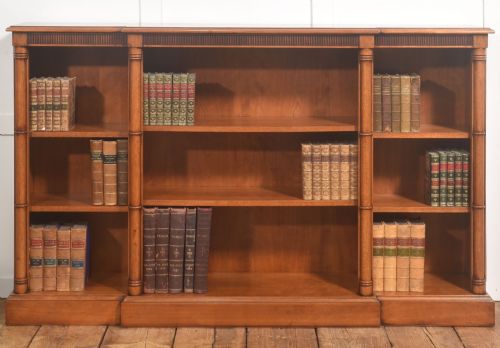
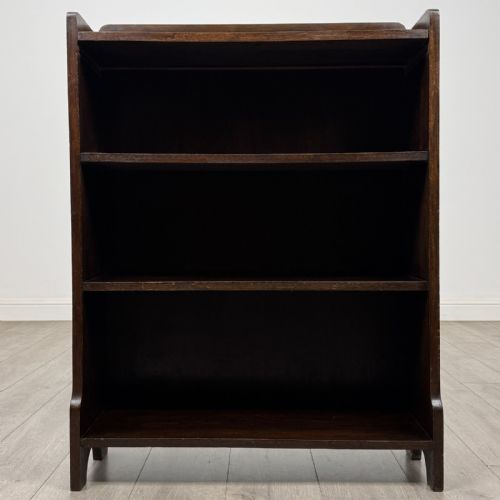
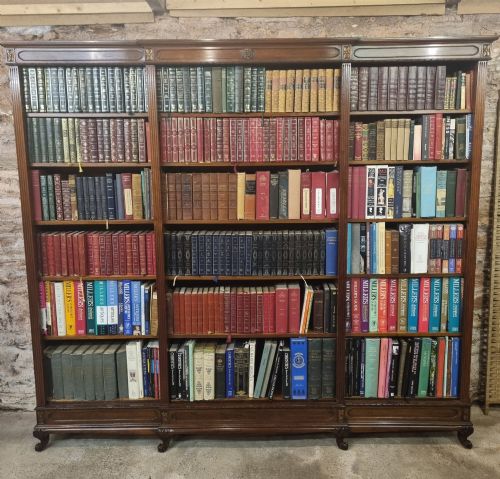
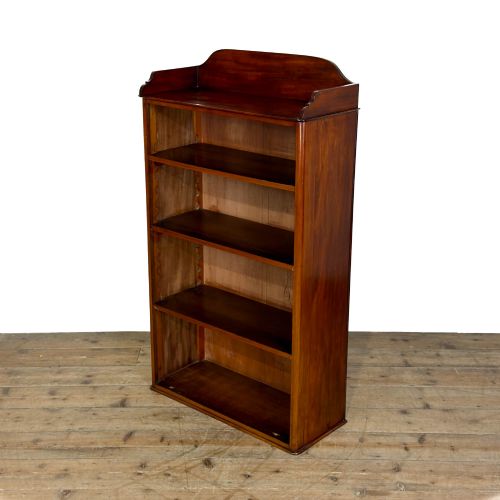
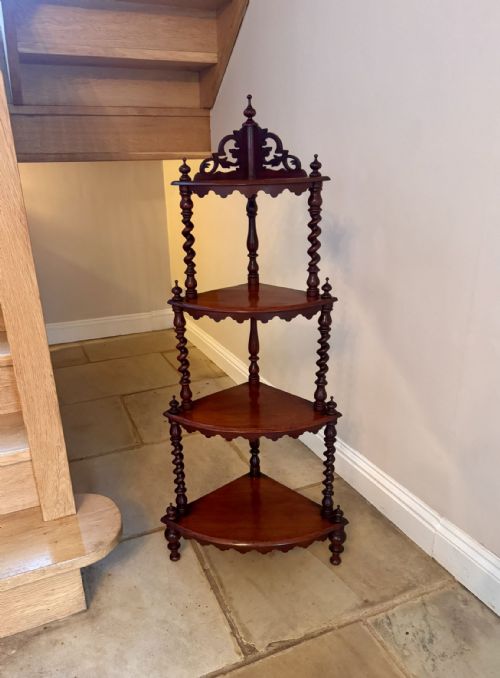
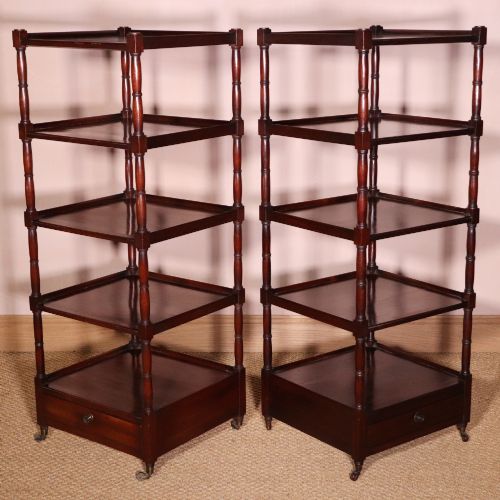
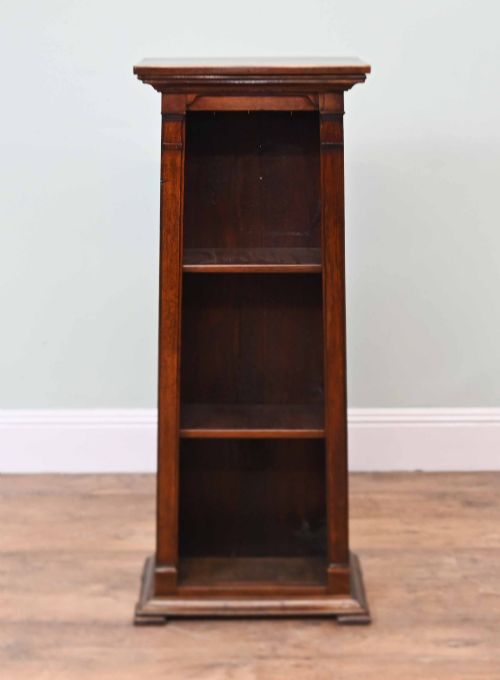
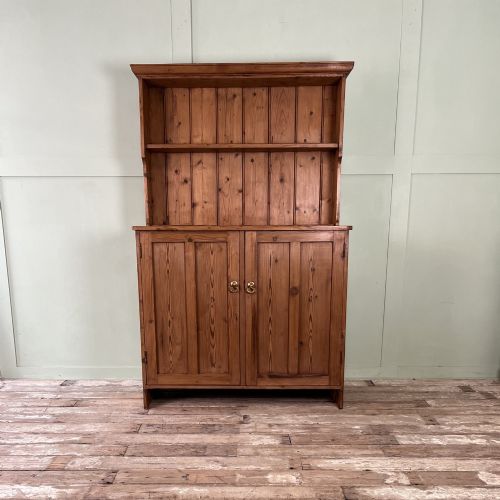
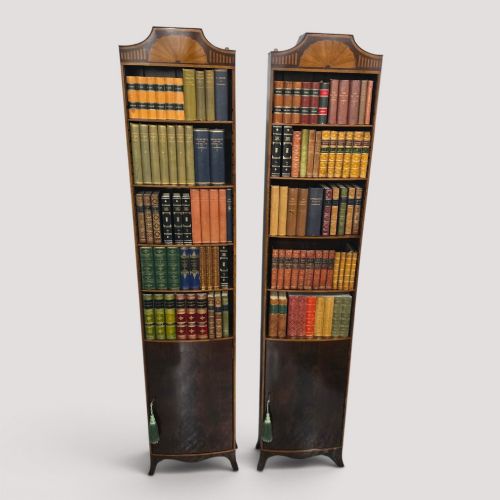
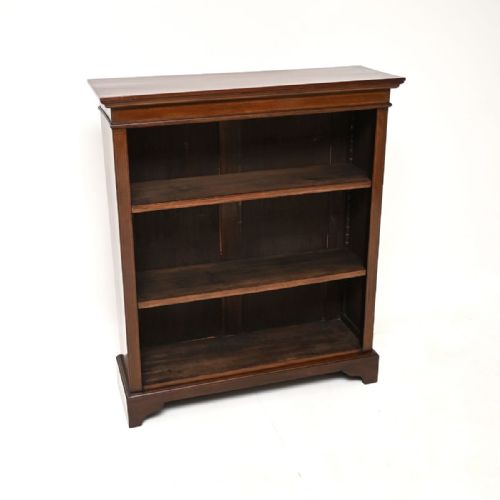
A wood display unit covers a diverse range of furniture designed to showcase or store books, curiosities, and tableware across various interior styles. The selection commonly includes open bookcases, corner cabinets, whatnots, and display cabinets originating from the nineteenth and early twentieth centuries.
Victorian and Edwardian examples in mahogany, oak, and walnut form the backbone of the selection, frequently featuring adjustable shelves or glazed doors. Pieces range from modest rustic pine dressers and small corner shelves to substantial breakfront bookcases and stepped walnut designs.
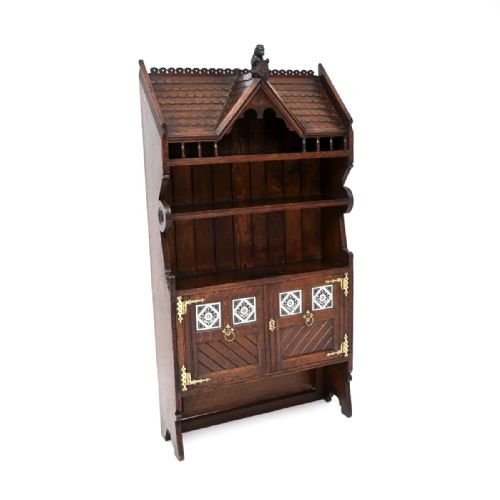
Makers and designers from distinct movements also appear, bringing specific regional timbers like padauk or decorative details such as brass fittings and inlay. Buyers encounter both utilitarian domestic furniture and finely carved decorative pieces intended for formal reception rooms.
What varies in quality
The standard of a wood display unit rests upon the choice of timber figure, the crispness of carved ornamentation, and the integrity of the joinery. Fine examples display carefully matched grain patterns, precise dovetailing in drawer construction, and well-balanced proportions that integrate structural strength with aesthetic lightness.
Later adaptations or utilitarian workshop pieces often employ simpler construction methods and plain timber boards without decorative inlay or refined mouldings. The presence of original glass, functional adjustable shelving mechanisms, and period brass fitments elevates the standing of an individual piece.
The listings span the nineteenth century through the 1930s, featuring woods like mahogany, oak, walnut, and pine alongside styles from Regency to Art Deco.
John Moyr Smith
The Wood Display Unit Glossary
- Whatnot
- A set of open tiered shelves used for displaying ornaments and small objects, popular throughout the nineteenth century.
- Breakfront
- A piece of furniture where the central section projects forward from the flanking outer sections, creating visual depth.
- Canted
- Beveled or cut off at an angle, typically describing the vertical corners of a cabinet or bookcase.
- Padauk
- A heavy, durable tropical hardwood with a distinctive reddish-brown colour used in overseas furniture making.
Wood Display Unit: Frequently Asked Questions
How do I choose the right size?
Measure your available wall space carefully and consider the depth of the shelves relative to your books or objects.
Larger breakfront bookcases suit expansive rooms, while slim corner cabinets or hanging shelves maximise compact spaces.
Are the shelves adjustable?
Many of the bookcases and display cabinets included in the selection feature adjustable shelving supported by traditional wooden pegs or modern tracks.
Fixed shelves do appear on certain period pieces, particularly older rustic or solid oak examples.
What woods were commonly used?
Mahogany, oak, and walnut dominate the selection, appearing across various finishes from dark polish to natural grain.
Pine and ash also occur in regional or later pieces, alongside exotic timbers like padauk.
How do I date a piece?
Stylistic clues such as Arts and Crafts simplicity, Edwardian inlay, or Victorian carved oak help place the furniture in its era.
Construction methods and timber choices further assist in identifying whether an item originates from the nineteenth or early twentieth century.