







Wood Credenza Unit
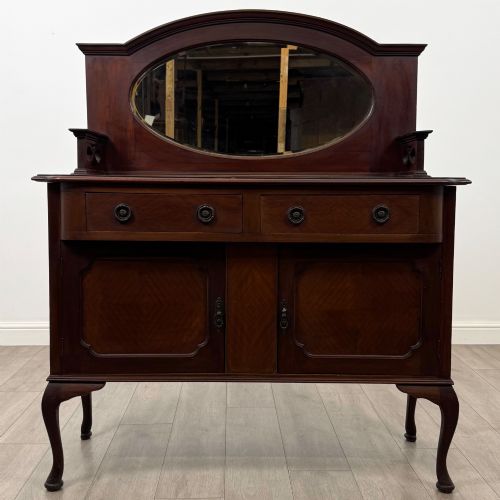
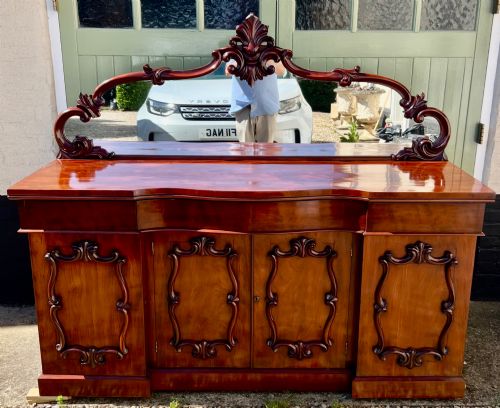
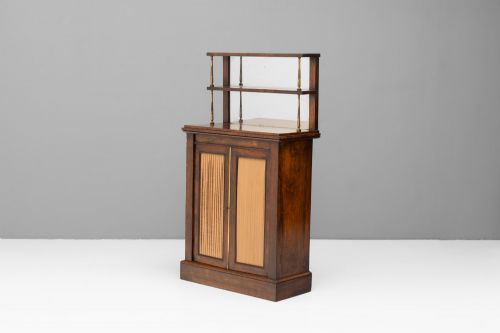
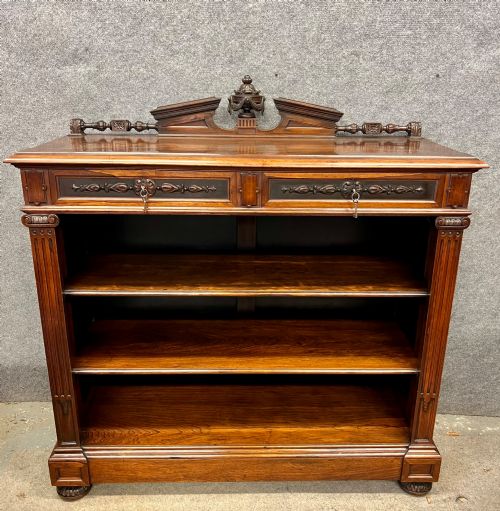
These wood credenza unit options bring substantial timber storage and display into a room, offering practical surface space alongside enclosed cupboards.
Wood Credenza Unit
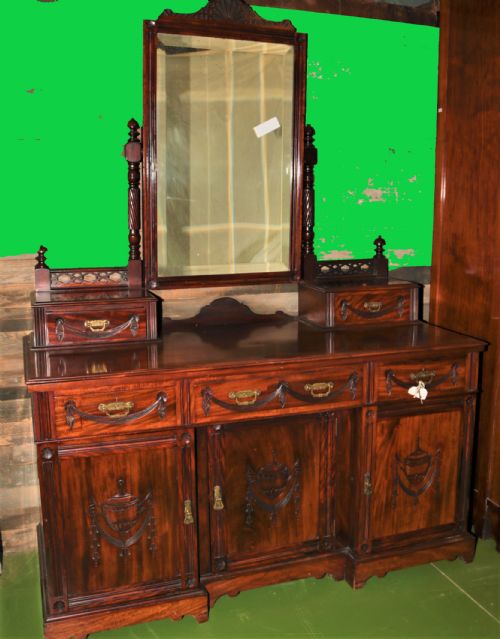
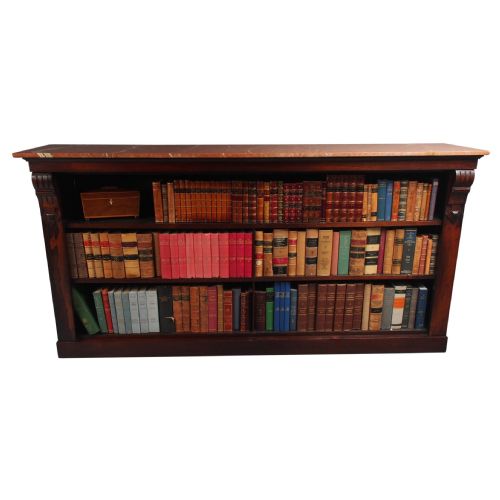
A wood credenza unit spans several traditional furniture categories including sideboards, chiffoniers, bookcases, and display cabinets. When searching this phrase, buyers encounter pieces originating from the nineteenth century, the Edwardian era, and the art deco period.
Origins stretch from formal Regency and William IV designs to French provincial styles and Victorian country pieces. Each variant provides distinct storage solutions, from shelved display to deep cupboard space.
Materials and construction
Cabinet makers utilised dense hardwoods including mahogany, walnut, and rosewood for primary structures and cabinet facades. These timbers were often selected for their deep natural grain patterns or figured burr surfaces.
Construction frequently incorporated decorative brass inlay, pink marble tops, and mirror glass panels. Open shelves and glazed doors allowed for both the storage of books and the display of decorative objects.
Wood Credenza Unit Retail Price Guide 2026
Typical asking prices for wood credenza unit among the pieces listed under this phrase on Sellingantiques today, from the lower quarter to the upper quarter. They describe what is for sale here now, not the wider market.
Listings span nineteenth century Victorian and Edwardian periods alongside 1930s examples, constructed in mahogany, walnut, and rosewood.
Assessing quality in timber cabinets
Quality rests upon the selection of timber veneers and solid hardwoods, where figured grains and book-matched surfaces elevate the visual presence of the cabinet. The integration of finer secondary details such as brass inlay or marble tops indicates higher manufacturing ambition.
Joinery execution and the structural integrity of internal shelving dictate the longevity of these heavy storage units. Pieces that retain original hardware, mirrors, and glass demonstrate better preservation over time.
Robert Strahan
The Wood Credenza Unit Glossary
- Chiffonier
- A low sideboard or cabinet, typically featuring enclosed storage beneath a shelf or superstructure.
- Breakfront
- A cabinet design where the central section projects forward from the flanking outer sections.
- Rosewood
- A dense, heavy timber with a dark, richly figured grain utilised extensively in nineteenth-century furniture.
- Waterfall bookcase
- A shelving unit where the shelves recede in depth from bottom to top, creating a stepped profile.
Wood Credenza Unit: Frequently Asked Questions
Where should I place a wood credenza unit?
These cabinets suit dining rooms, living spaces, and hallways where surface space and enclosed storage are both required.
Open bookcase variants work well for book storage, while glazed or mirrored versions suit display purposes.
How do I care for nineteenth century timber?
Nineteenth-century wood surfaces benefit from being kept away from direct sunlight and sudden temperature changes.
Regular dusting with a dry cloth helps maintain the finish without the need for heavy chemical polishes.
How do I identify a Regency period piece?
Regency furniture often incorporates classical motifs, brass inlay, and dark hardwoods such as rosewood.
Proportions tend to be clean and architectural, reflecting the early nineteenth-century design ethos.