

Wood Country Chairs
Wood country chairs bring rustic utility into a room, formed from native timbers like elm, ash and yew for everyday seating.
Wood Country Chairs
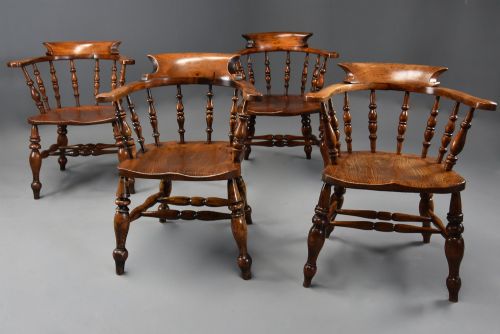
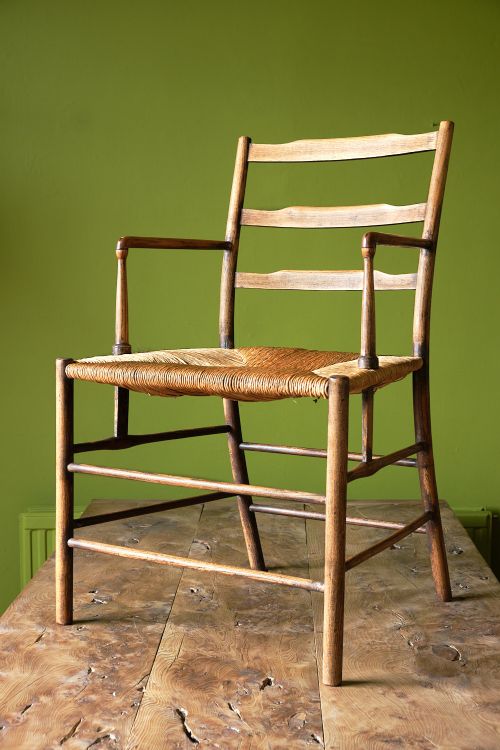
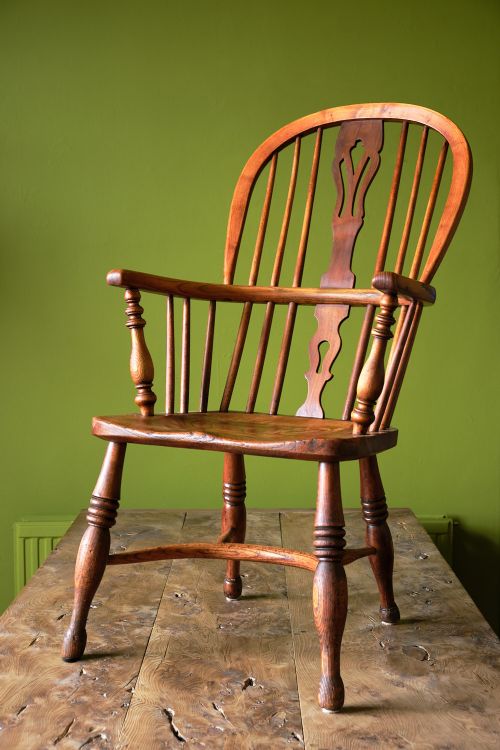
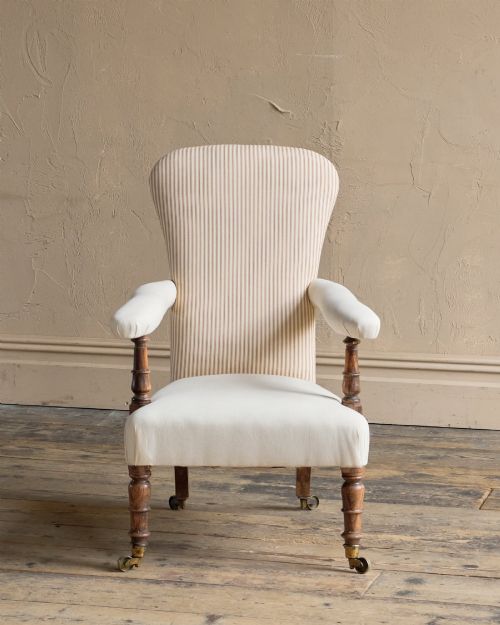
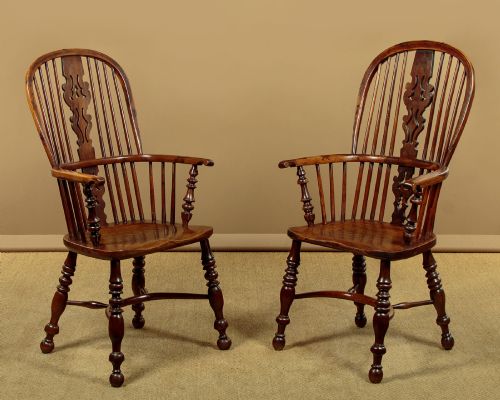
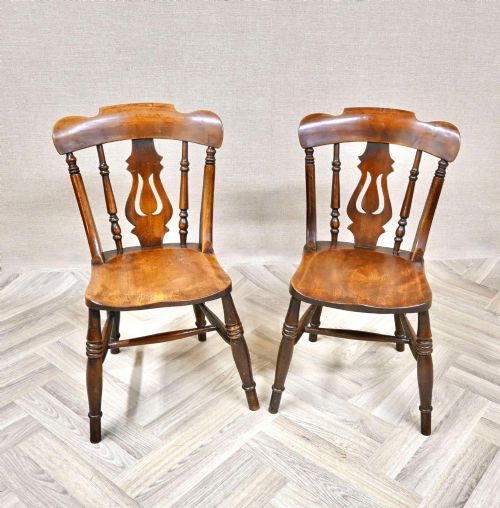
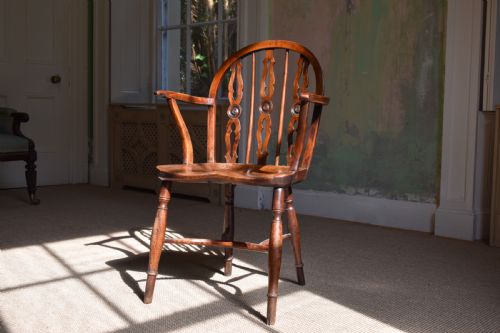
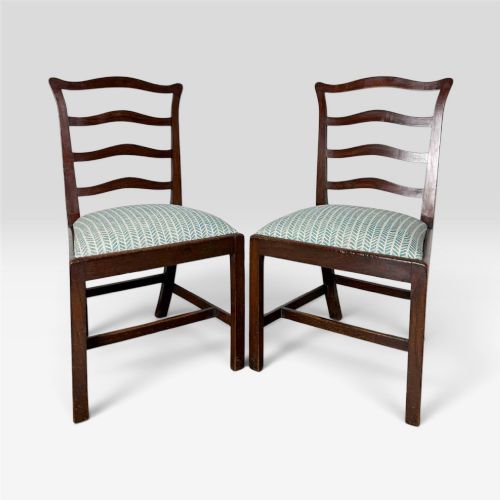
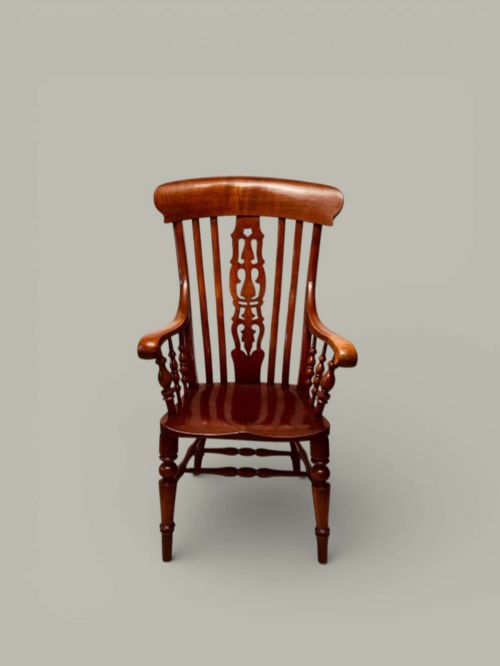
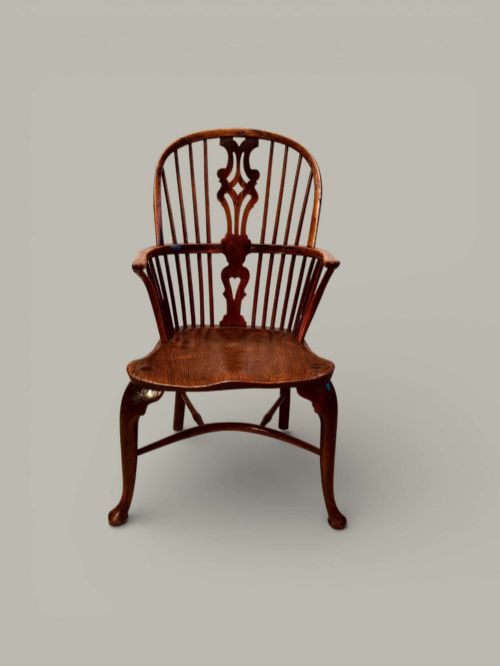
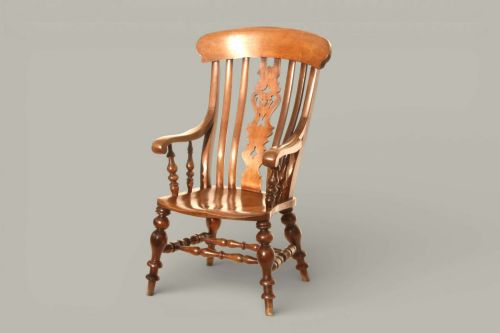
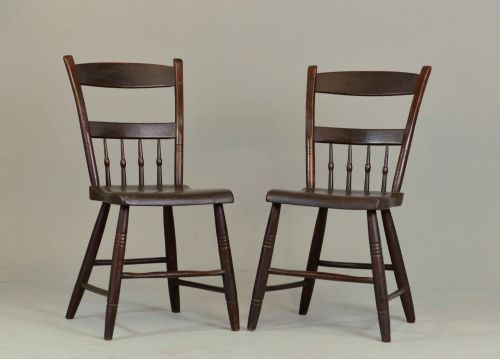
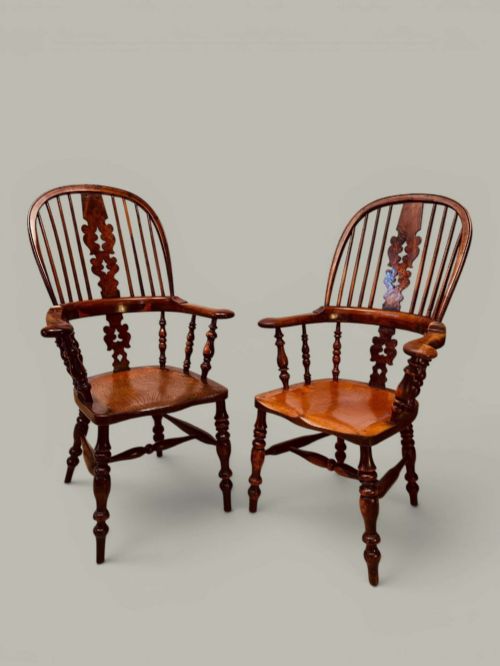
Wood country chairs comprise vernacular seating forms produced primarily across the eighteenth and nineteenth centuries. These pieces encompass Windsor armchairs, kitchen chairs, and dining sets shaped by regional rural makers.
What varies in quality
The distinction between standard utility seating and finer examples rests on timber selection and timber matching within a set. Yew wood grain patterns and deeply sculpted elm saddle seats elevate individual armchairs above basic beech kitchen chairs.
Proportion and structural integrity define the standing of vernacular furniture. Examples retaining original turned stretchers, balanced comb or hoop backs, and minimal timber replacement demonstrate superior preservation.
Wood Country Chairs Retail Price Guide 2026
Typical asking prices for wood country chairs among the pieces listed under this phrase on Sellingantiques today, from the lower quarter to the upper quarter. They describe what is for sale here now, not the wider market.
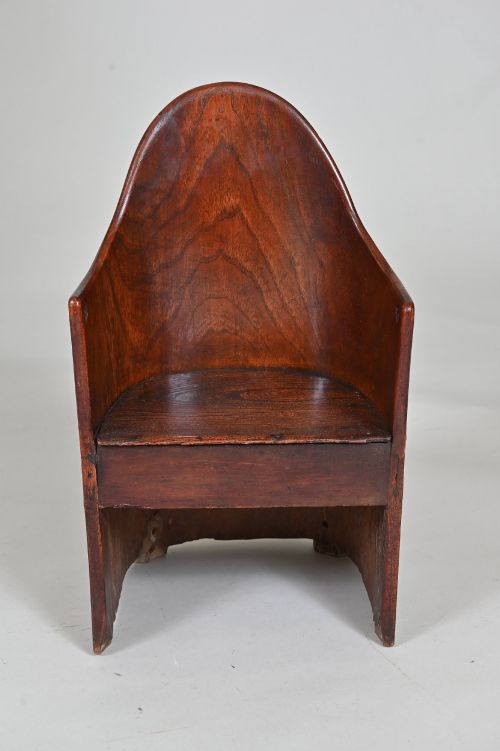
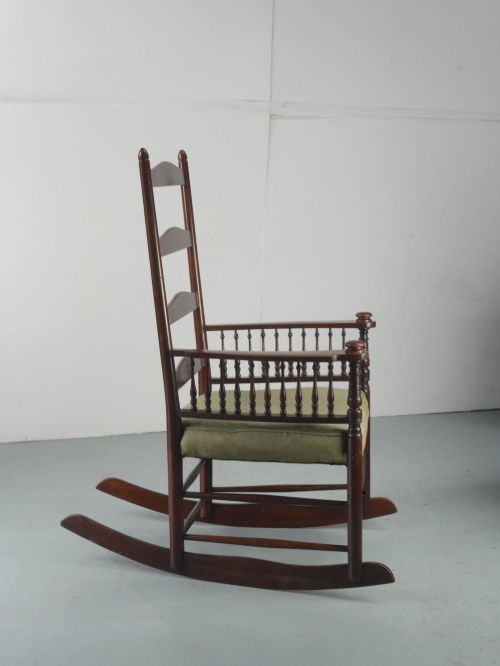
A child's lambing chair from the seventeenth century proves that even the smallest household members required a proper place to sit by the fire.
Rockley maker·Gabbitass of Worksop
The Wood Country Chairs Glossary
- Windsor chair
- A wooden chair featuring a thick solid seat into which the legs and back spindles are separately inserted. These chairs developed distinct regional profiles like the Thames Valley style.
- Yew wood
- A durable native softwood with a dense, highly figured grain prized by vernacular chair makers. It offers exceptional bending strength for chair bows and arms.
- Elm
- A tough, interlocking timber frequently utilised for chair seats because it resists splitting under the stress of mortise and tenon joints.
- Stick back
- A chair back constructed from plain turned wooden spindles secured into a bentwood rail or solid seat. This form served functional roles in kitchens and rural homes.
Wood Country Chairs: Frequently Asked Questions
What is a Windsor chair?
A Windsor chair is a vernacular seating form constructed with a solid wooden saddle seat. The legs and back sticks fit directly into bored holes in the seat rather than forming a continuous frame.
Makers bent ash or elm for the back bow while utilising harder timbers like yew or beech for spindles. This construction method created sturdy, practical seating for rural homes.
How do I identify yew wood?
Yew wood exhibits a distinctive, highly variegated grain with contrasting warm brown tones and pale sapwood streaks. It carries a dense weight and natural lustre that distinguishes it from plain elm or ash.
Chairs built from yew often command attention for their decorative timber figuring, particularly in regional Windsor armchairs.
Were these chairs used outdoors?
Wood country chairs served primarily as indoor utility furniture for kitchens, dining spaces, and parlours. Their robust construction stemmed from domestic demands rather than garden use.
Makers selected native hardwoods to withstand heavy daily wear within rural households and workshops over centuries.
How do I care for antique wood?
Maintain antique wooden chairs by keeping them away from direct heat sources and sudden humidity shifts. These environmental controls prevent the native timbers from drying out and cracking.
Apply traditional beeswax polish sparingly to nourish the dry surface and preserve the historic patina built up through generations of use.