



Wood Book Trough
A wood book trough keeps working volumes close at hand, bringing order to any desk or library table through solid timber construction.
Wood Book Trough
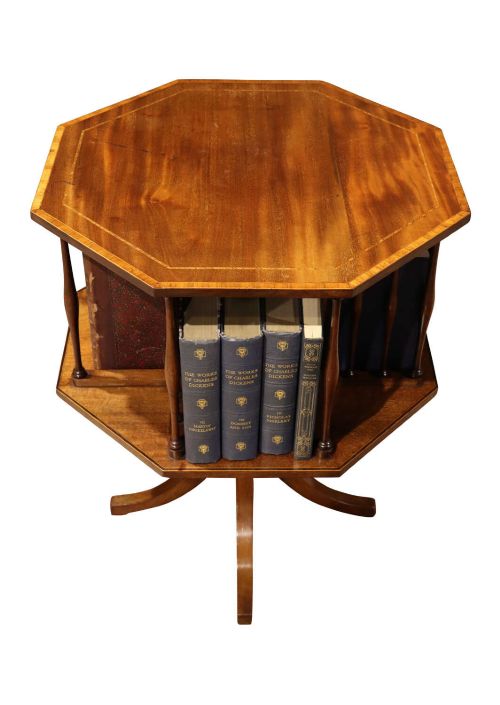
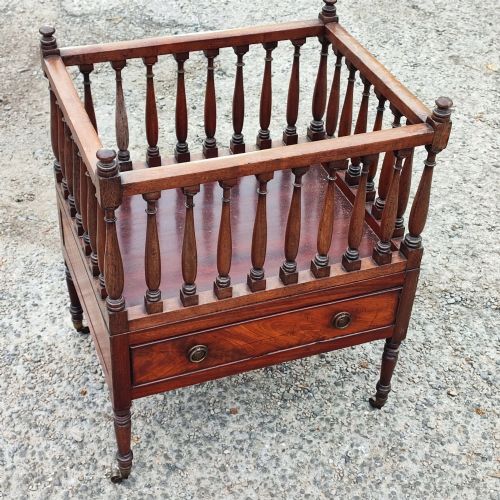
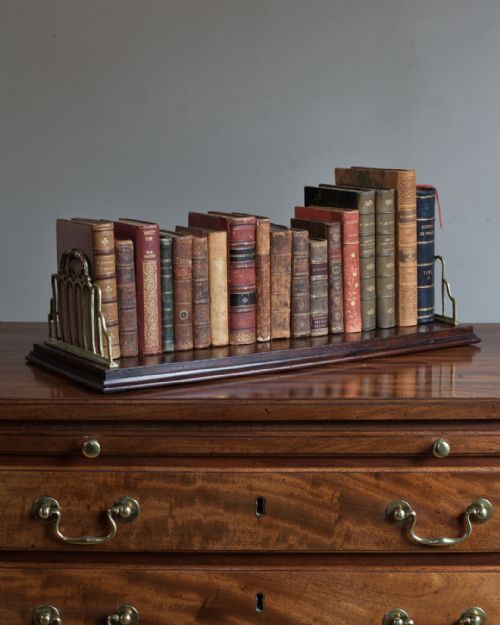
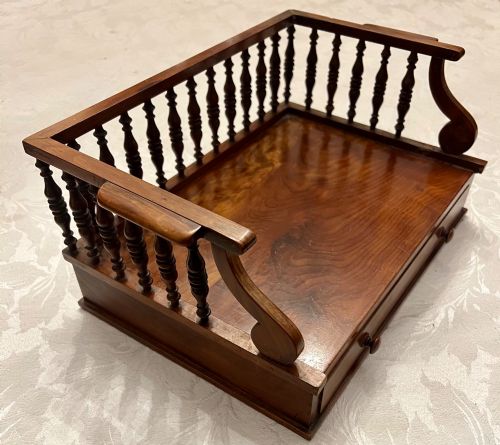
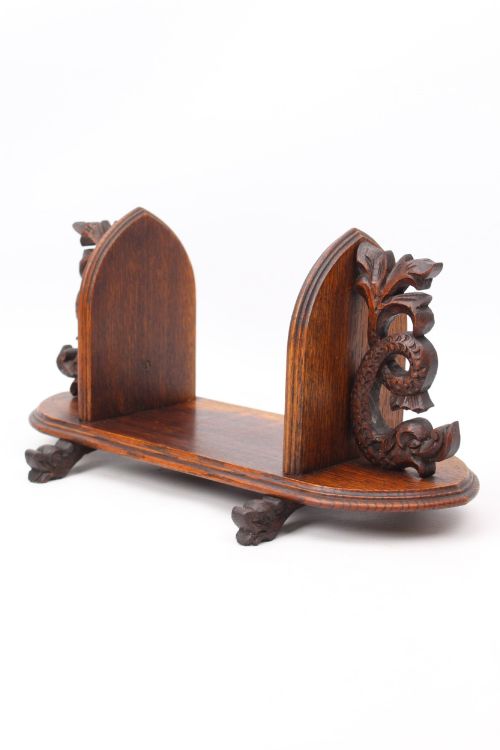
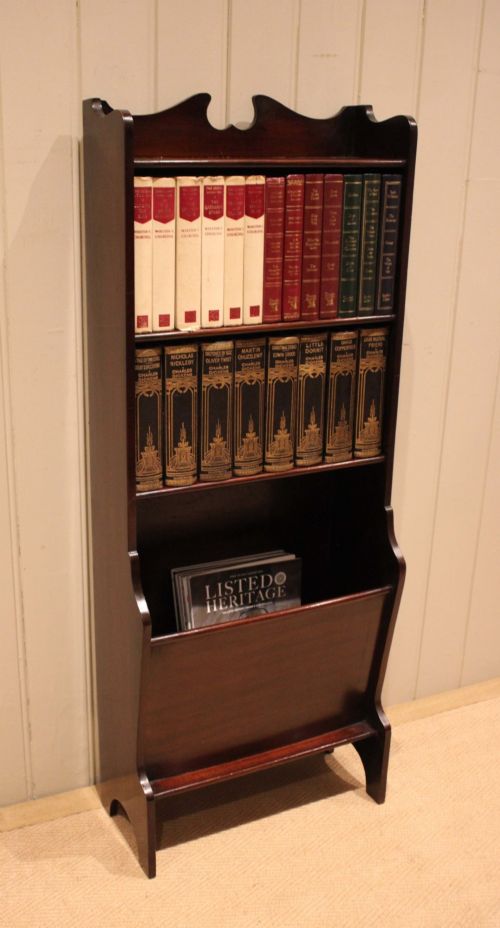
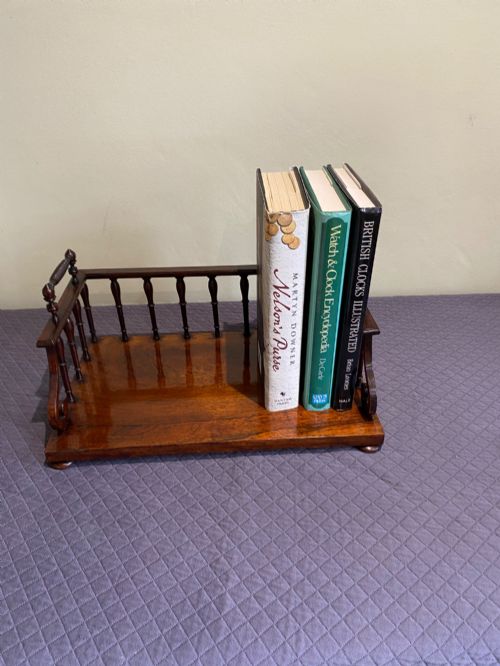
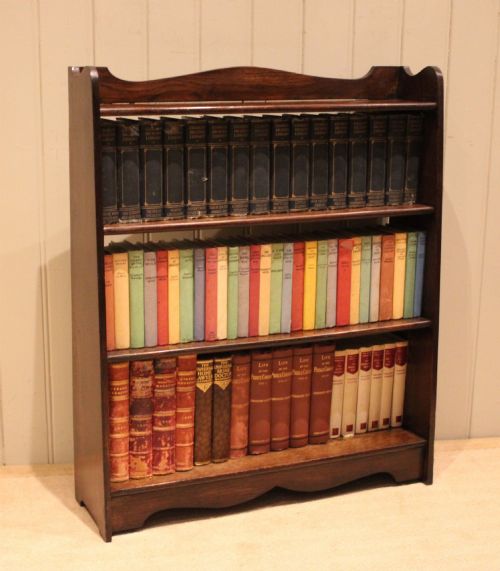
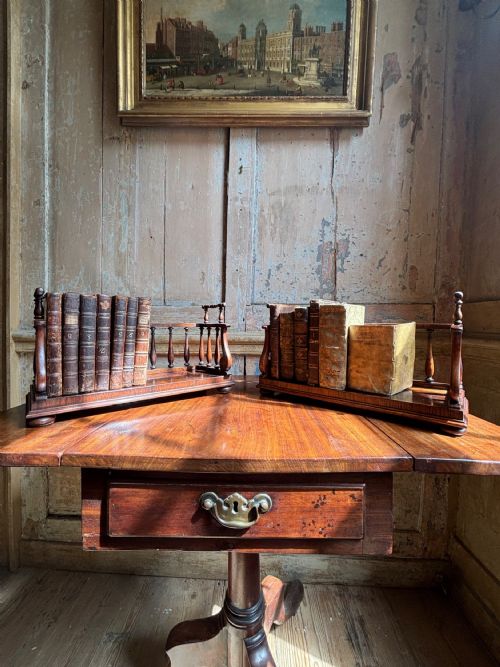
A wood book trough functions as a portable or static retainer for volumes, periodicals and papers, designed to sit upon tables, desks or the floor. When searching for a wood book trough, collectors encounter everything from compact desktop slides to substantial freestanding library pieces.
The selections span distinct periods including the Regency, Victorian and Edwardian eras, alongside the 1920s and 1930s. Mahogany and oak dominate the forms, frequently accompanied by rosewood, ebonised wood, walnut and satinwood.
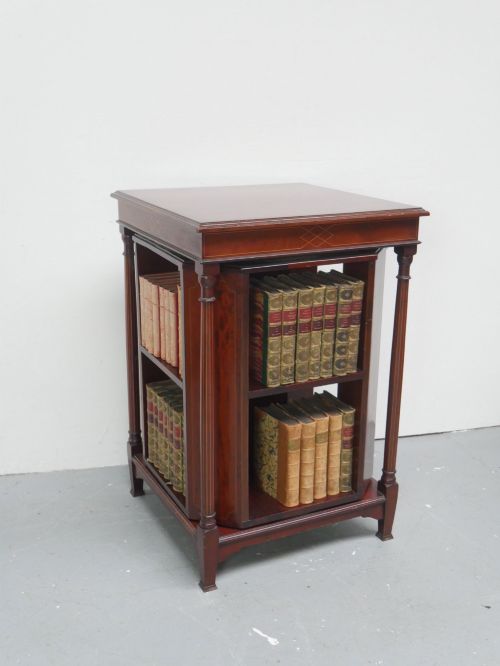
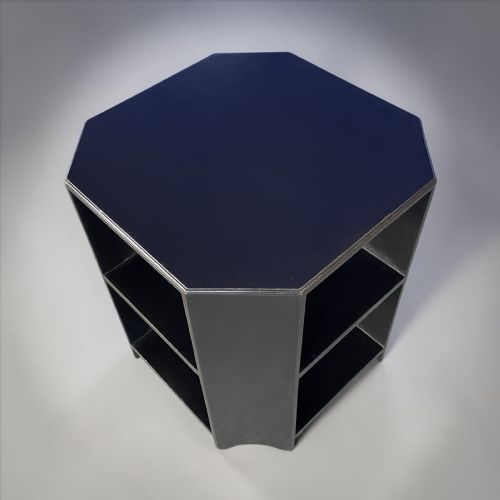
Makers adapted these pieces into various configurations such as carriers, trays, racks and revolving bookcases. Many examples integrate brass fittings or intricate inlay work to complement domestic and institutional interiors.
Materials and Construction
Cabinet makers utilised dense hardwoods like mahogany, rosewood and oak to provide the structural integrity required for holding heavy bound volumes. Timber selection dictated the potential for decorative grain patterns such as flame mahogany or figured satinwood.
Joinery methods involved precise dovetailing, secure mortise and tenon joints, and occasional brass extending mechanisms for adjustable book slides. Surface finishing relied on hand-polished polishes and wax to highlight the natural qualities of the wood.
Wood Book Trough Retail Price Guide 2026
Typical asking prices for wood book trough among the pieces listed under this phrase on Sellingantiques today, from the lower quarter to the upper quarter. They describe what is for sale here now, not the wider market.
Portable book carriers let Victorian readers lug their entire literary obsession from the drawing room to the study without dropping a single volume.
Judging Quality and Execution
Quality rests upon the selection of timber figures, where choice cuts of flame mahogany or figured rosewood elevate a standard desktop carrier into a distinguished furnishing. Craftsmanship reveals itself in the tightness of joints and the smooth operation of moving parts such as extending slides or revolving platforms.
Decorative elements distinguish finer examples, ranging from subtle satinwood inlay and brass mounts to intricate carving associated with Gothic Revival or Anglo-Indian styles. The integration of functional hardware with robust timber construction marks the upper tier of these pieces.
Gillows·Waring and Gillows·Tiffany and Co
The Wood Book Trough Glossary
- Book slide
- An adjustable desktop rack featuring expanding ends to hold a varying number of volumes upright between wooden or brass supports.
- Trough
- An open-topped rectangular wooden container designed specifically to hold books or magazines in a vertical or angled display.
- Ebonised wood
- Timber treated with a dark stain or finish to imitate the appearance of ebony, popular during the Victorian period.
- Tunbridge Ware
- Small wooden items decorated with mosaic patterns created from tiny wood blocks of different natural colours, forming geometric or pictorial scenes.
- Gothic Revival
- An architectural and decorative style drawing inspiration from medieval design, characterised by pointed arches and heavy carved tracery.
Wood Book Trough: Frequently Asked Questions
What is a wood book trough used for?
A wood book trough organises and displays everyday reading material on desks, tables or sideboards. It keeps active volumes within reach while protecting bindings from damage.
Historically, these pieces served both domestic studies and professional libraries. They provided a portable method for transporting texts between rooms.
How do I date a wood book trough?
Dating relies on identifying the prevailing timber choices, hardware materials and stylistic motifs. Regency and Victorian examples often feature rosewood or mahogany with brass detailing.
Edwardian and later pieces frequently incorporate lighter satinwood inlay or simplified structural lines. Comparing the joinery methods provides further context for the period of manufacture.
Where should I place a book trough?
These pieces suit placement upon sturdy surfaces such as library tables, writing desks or occasional tables. Desktop versions sit comfortably alongside reading chairs or mantelpieces.
Freestanding or larger standing troughs fit neatly beside armchairs or against study walls. Direct sunlight and excessive heat sources should be avoided to protect the polished timber.
What maintenance do antique wood book troughs require?
Maintenance involves dusting with a soft, dry cloth to prevent dirt accumulation on the timber surface. Occasional application of quality beeswax helps nourish the wood and preserve the finish.
Harsh chemical cleaners and excessive moisture must be avoided at all times. Maintaining a stable room temperature prevents the timber from warping or splitting over time.