

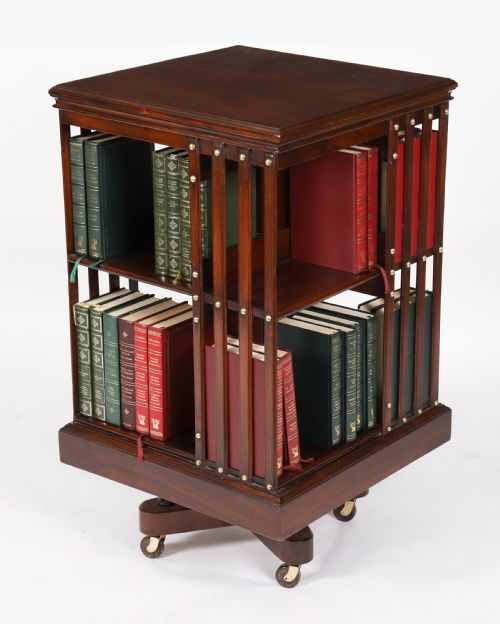


Wood Book Tower
These wood book tower pieces are practical upright volumes and revolving repositories that keep favourite texts to hand with genuine utility.
Wood Book Tower
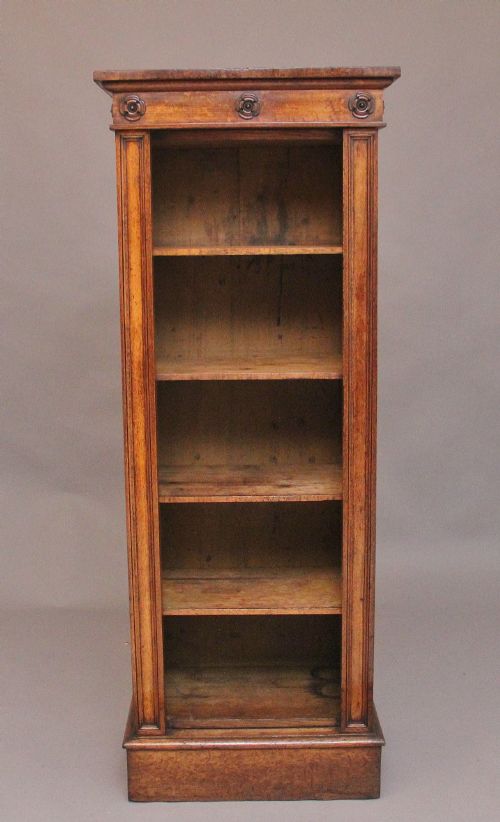
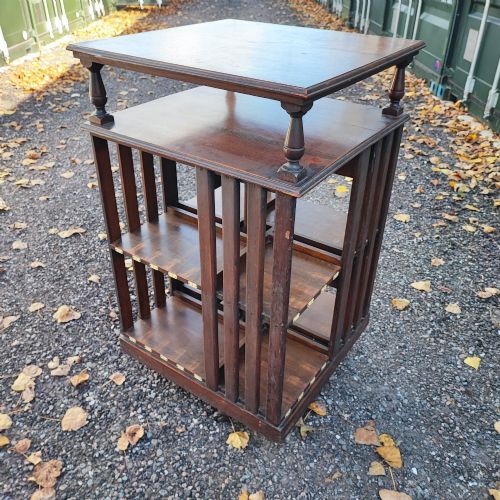
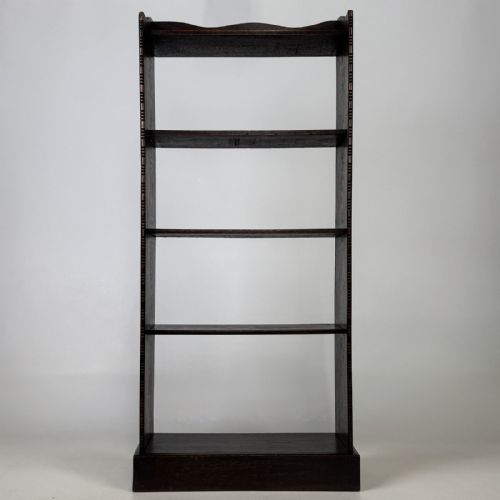
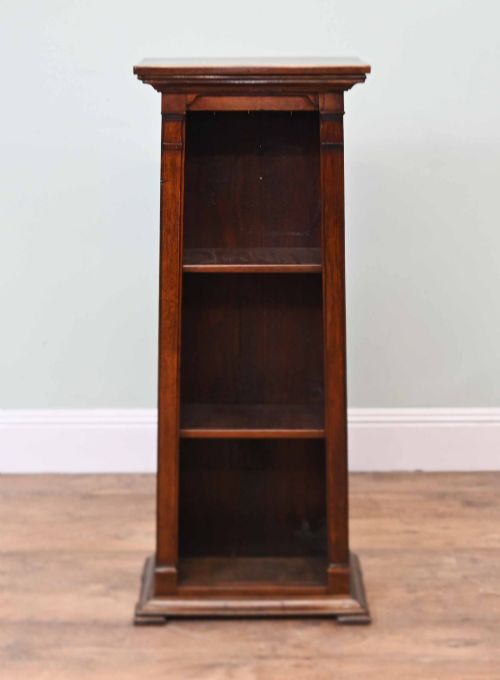
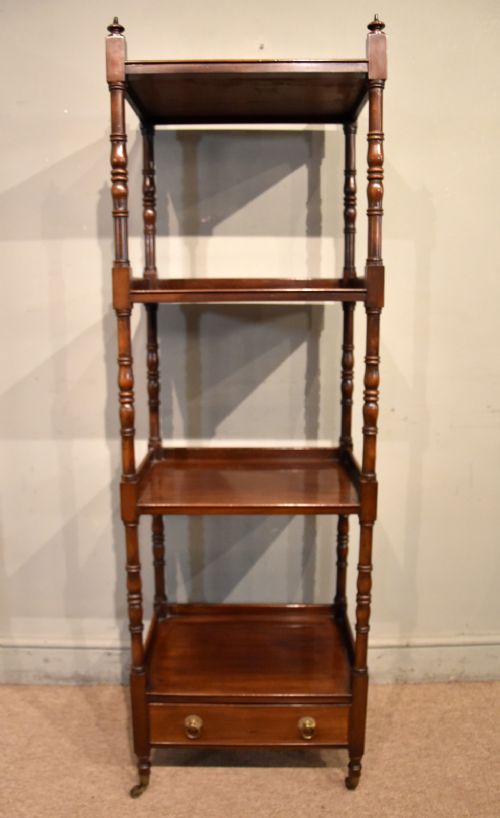
A wood book tower encompasses upright open bookcases, multi-tiered whatnots and revolving bookcase designs intended to organise volumes in domestic spaces. These pieces span the nineteenth century, the Edwardian era and the early twentieth century, reflecting varied interior requirements.
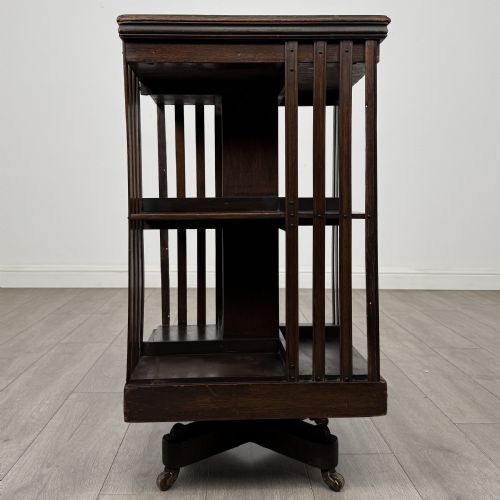
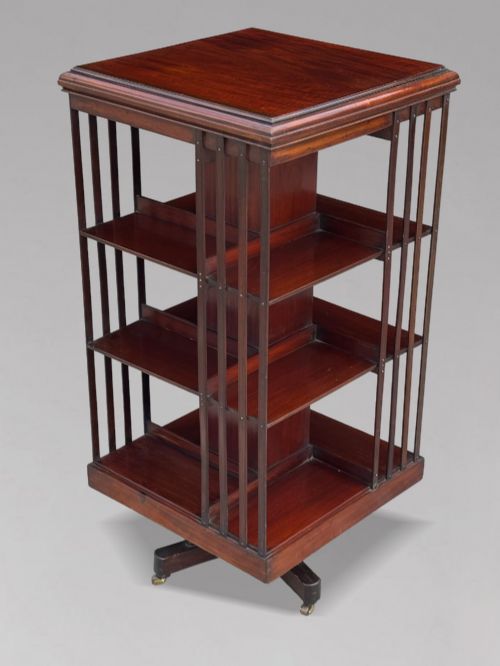
Revolving bookcases form a prominent part of the selection, offering accessible storage for frequently consulted texts within a compact footprint. Buyers encounter styles ranging from plain utilitarian oak to inlaid mahogany variations.
Origins stretch from standard English cabinetmaking to Anglo-Indian workshops and distinct stylistic movements including Arts and Crafts and Art Nouveau. This variety gives each tower a specific character defined by its period of origin.
Materials and construction
Makers relied primarily on mahogany and oak for structural integrity, shaping them into sturdy open shelves or pivoting column mechanisms. Timber selection determined the weight and visual presence of each item.
Secondary elements include fruitwood inlay, brass and cast iron fittings that provided functional support or decorative contrast on revolving bases and raised galleries. These metals ensured smooth movement and durability under the load of heavy volumes.
Wood Book Tower Retail Price Guide 2026
Typical asking prices for wood book tower among the pieces listed under this phrase on Sellingantiques today, from the lower quarter to the upper quarter. They describe what is for sale here now, not the wider market.
A revolving bookcase lets you spin your entire library with one gentle push.
Distinctions in quality
Quality rests in the precision of the joinery and the selection of timber figures, where carefully matched mahogany or quarter-sawn oak elevates the piece. Finely executed fruitwood inlay or robust rotating mechanisms distinguish superior examples from plain utility items.
Proportion and structural balance dictate the success of the design, particularly in tall or narrow open formats where stability is paramount. The integration of decorative details such as slatted sides or raised galleries shows the maker's care.
Maple and Co
The Wood Book Tower Glossary
- Revolving bookcase
- A freestanding tiered bookcase built upon a concealed rotating pivot base. This design allows access to volumes from all sides without moving the entire unit.
- Whatnot
- A multi-tiered open piece of furniture used for displaying or storing books and small objects. These structures use upright supports to separate each tier.
- Arts and Crafts
- A design movement prioritising traditional craftsmanship and simple forms over mass-produced ornamentation. Pieces from this tradition display honest construction in materials like oak.
- Fruitwood inlay
- The practice of inserting contrasting light or dark wood pieces into a timber surface to create decorative patterns. This technique frequently adorns Edwardian mahogany models.
Wood Book Tower: Frequently Asked Questions
What is a wood book tower?
A wood book tower refers to upright open bookcases, multi-tiered whatnots and revolving bookcase designs constructed to hold reading material. They provide vertical storage solutions across various historical periods.
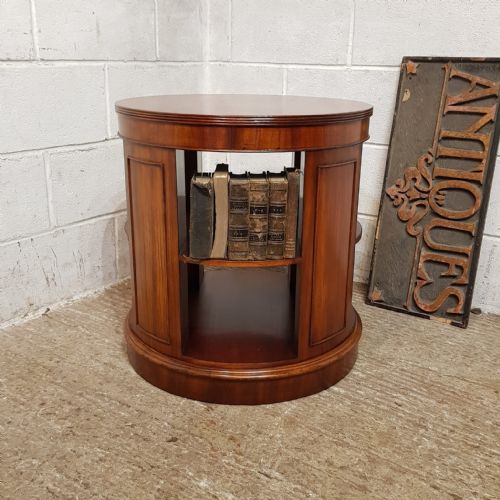
These pieces range from narrow twentieth-century oak units to revolving mahogany cylinders designed to sit beside a desk or chair.
How do revolving bookcases function?
Revolving bookcases operate on an internal pivot mechanism concealed beneath the base or tiers. This allows the entire wooden structure to turn smoothly.
Readers can access multiple shelves of books from a single seated position without shifting the heavy furniture.
Where should I place a wood book tower?
These pieces suit studies, libraries and living rooms where books need to remain within arm's reach. Compact revolving models fit well beside armchairs or in corners.
Narrow open bookcases utilise vertical wall space in smaller rooms without dominating the floor plan.
How do I identify Edwardian examples?
Edwardian pieces often feature lighter mahogany timbers, sometimes enhanced with fruitwood inlay or Sheraton-style details. Slatted sides on revolving bookcases also point towards this period.
Construction tends to be refined and neat, reflecting early twentieth-century domestic interior tastes.