

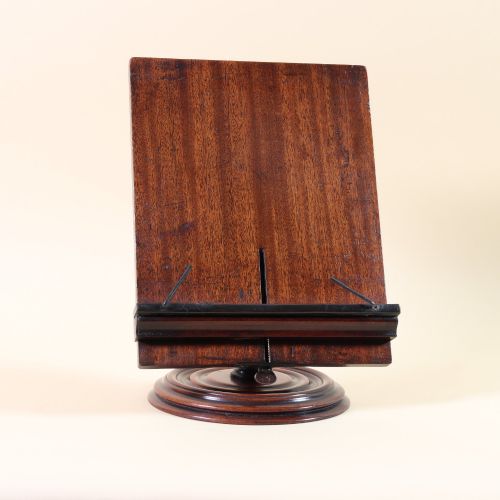
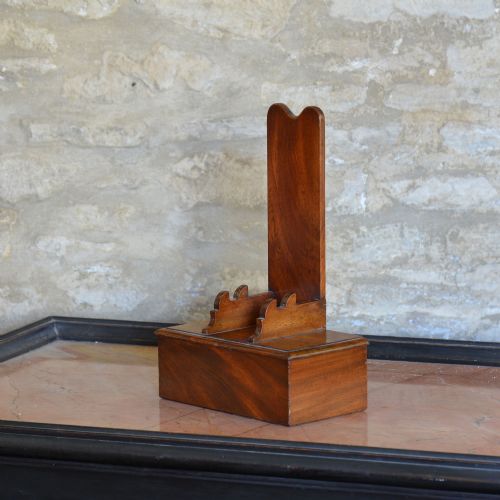


Wood Book Holder
A wood book holder keeps volumes upright on desks and tables, offering steady support for heavy folios and daily reading.
Wood Book Holder
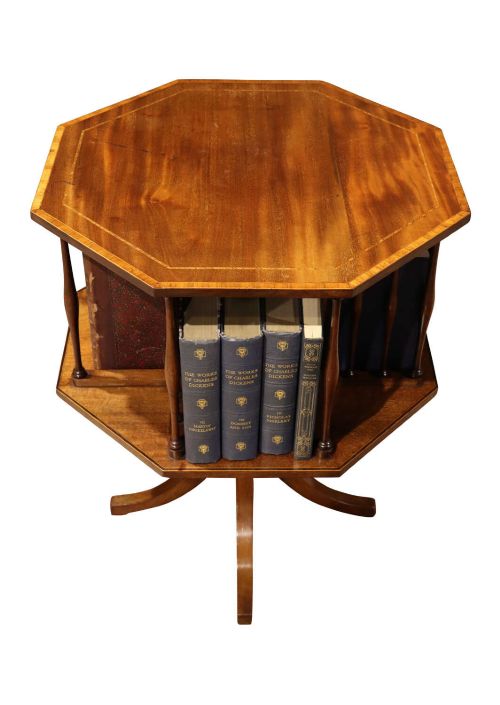
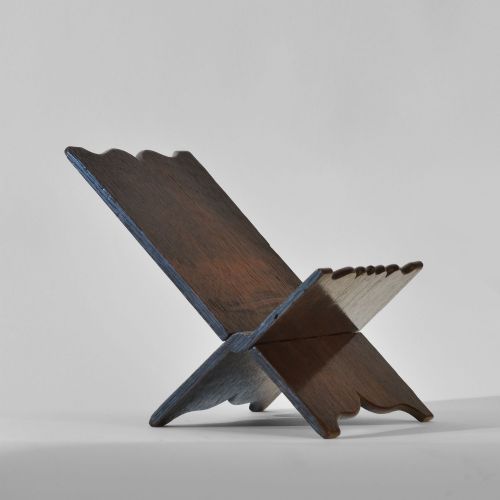
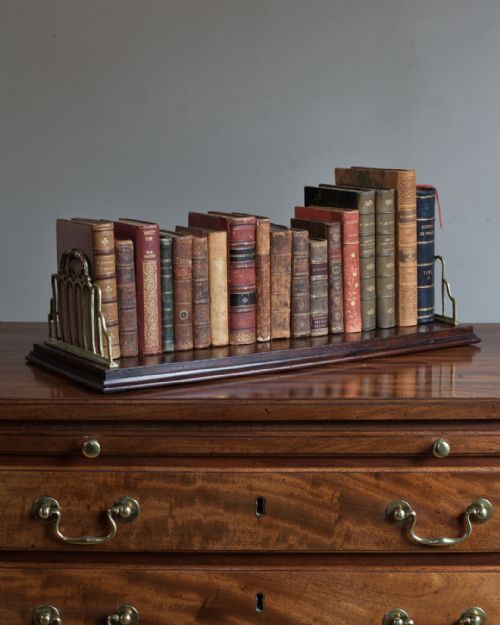
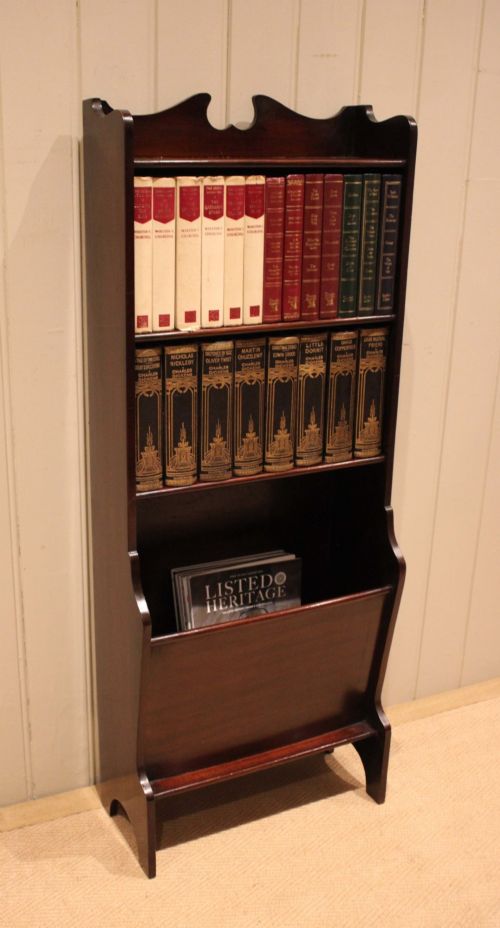
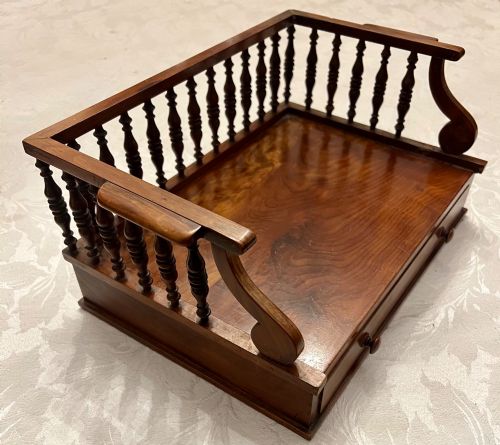
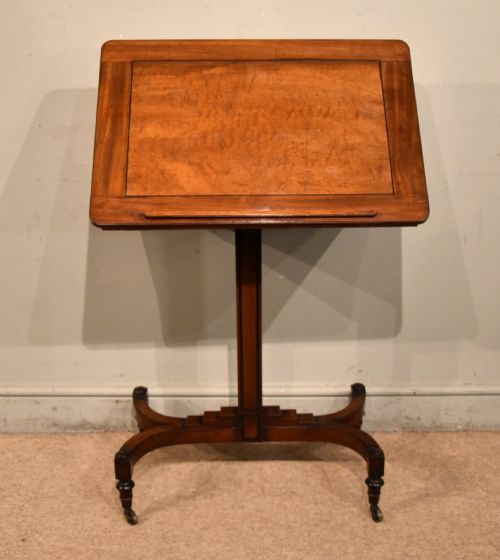
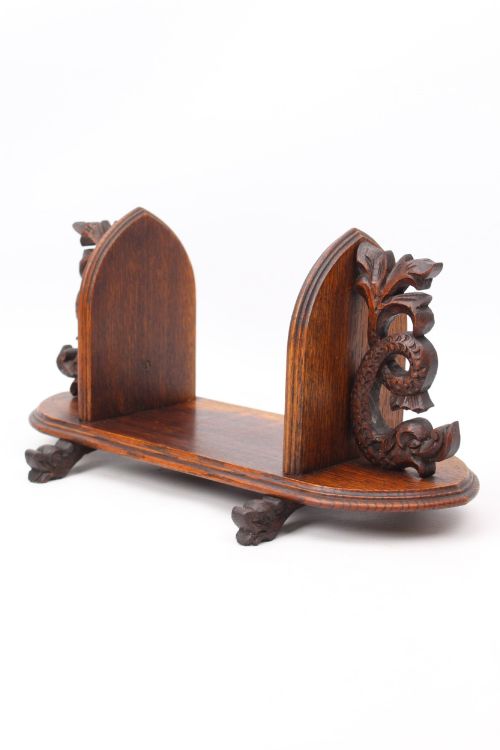
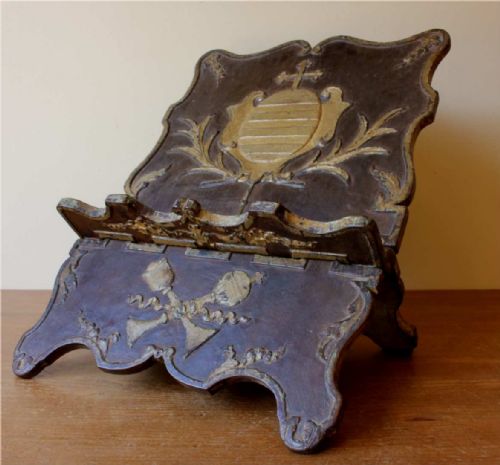
A wood book holder appears in forms ranging from simple desktop troughs and extending slides to folding music stands and revolving bookcases. These accessories serve libraries, studies, and drawing rooms across multiple eras.
The selection on this page centres on pieces fashioned from timbers like mahogany, rosewood, walnut, and teak. Makers utilised these durable woods for both utility and display.
Descriptive titles reveal objects spanning the eighteenth, nineteenth, and early twentieth centuries. Examples include Regency reading tables, Edwardian revolving bookcases, and Victorian book slides.
How they were made
Cabinetmakers constructed these supports using dense hardwoods such as mahogany, walnut, and rosewood, often incorporating brass mechanisms for adjustable stands and extending slides. Inlays of satinwood and painted details added decorative contrast to standard surfaces.
Specialised pieces feature carved teak, ebonised finishes, or coromandel, reflecting the varied tastes of different periods. Folding frames and ratchets required precise metalwork to function alongside wooden ledges and pedestals.
Wood Book Holder Retail Price Guide 2026
Typical asking prices for wood book holder among the pieces listed under this phrase on Sellingantiques today, from the lower quarter to the upper quarter. They describe what is for sale here now, not the wider market.
What varies in quality
The standard of a wood book holder depends on the selection of timber grain and the precision of its mechanical joints. Pieces featuring solid rosewood, figured mahogany, or intricate inlay display greater craftsmanship than simpler utility items.
The integration of brass ratchets, extending actions, or smooth revolving mechanisms distinguishes finer library equipment from basic desktop accessories. Structural integrity in folding frames and tripod bases also dictates the overall calibre.
Tiffany & Co
The Wood Book Holder Glossary
- Book slide
- An extending desktop rack designed to hold a varying number of volumes securely between two ends. These often incorporate brass mounts or decorative timber panels.
- Music stand
- An adjustable lectern or stand originally intended for holding sheet music or heavy folios at a readable angle. Many examples feature ratcheted mechanisms and tripod bases.
- Revolving bookcase
- A freestanding or table-top tier of shelves mounted on a rotating pivot for easy access to multiple volumes. Edwardian iterations frequently display inlaid mahogany surfaces.
- Gonçalo Alves
- A dense exotic hardwood used in nineteenth-century cabinet making for decorative grain patterns. It appears on specialised furniture and reading stands.
- Ebonised wood
- Timber treated to imitate ebony through staining or painting to achieve a deep black finish. This technique was popular for Victorian and early twentieth-century decorative items.
Wood Book Holder: Frequently Asked Questions
How do adjustable reading stands operate?
Adjustable reading stands utilise brass ratchets, hinges, or screw mechanisms to alter the angle of the book rest. Tripod bases and pivoting stems allow users to change the height and direction of the text.
These mechanical elements enable readers to position heavy folios, missals, or sheet music comfortably.
What woods were commonly used for library stands?
Cabinetmakers utilised dense hardwoods such as mahogany, walnut, rosewood, and teak to construct durable reading accessories. Exotic timbers like coromandel and Gonçalo Alves appear on finer nineteenth-century examples.
Inlays of satinwood and painted finishes frequently decorated Edwardian and Regency pieces.
Where were revolving bookcases placed?
Revolving bookcases sat upon desks, tables, or directly on the floor beside armchairs to keep frequently referenced volumes within reach. Their rotating pivot allowed users to browse multiple directions without moving.
Edwardian homes frequently utilised these rotating stands in libraries and drawing rooms.