




Wood and Brass Planter
A wood and brass planter brings organic warmth and metallic lustre together to house indoor greenery with traditional botanical elegance.
Wood and Brass Planter
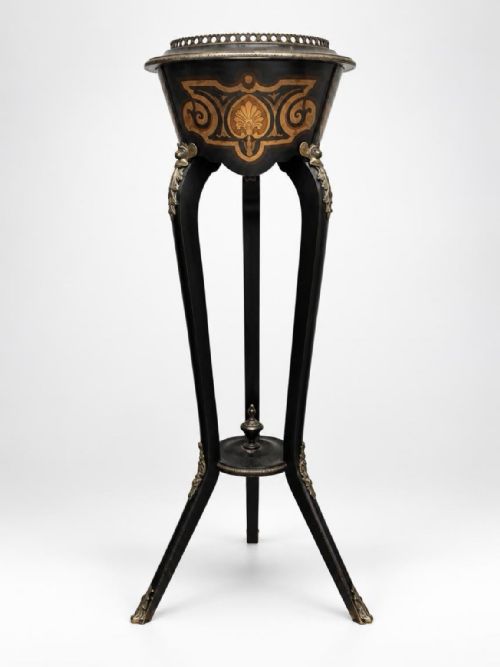
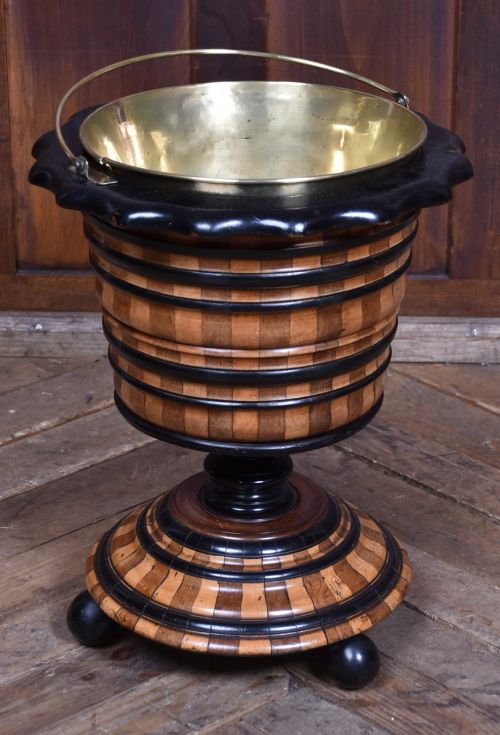
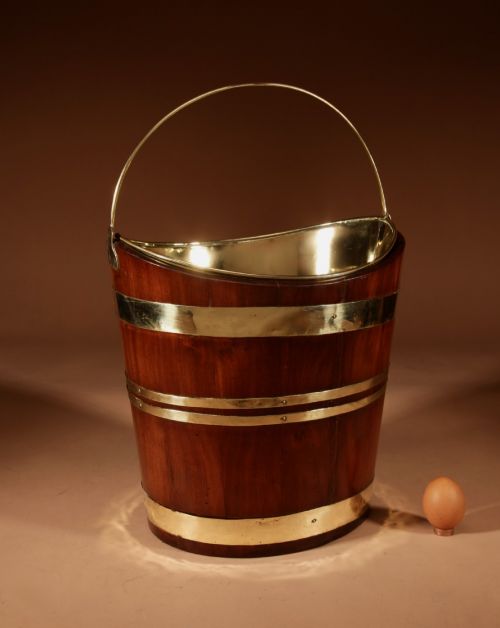
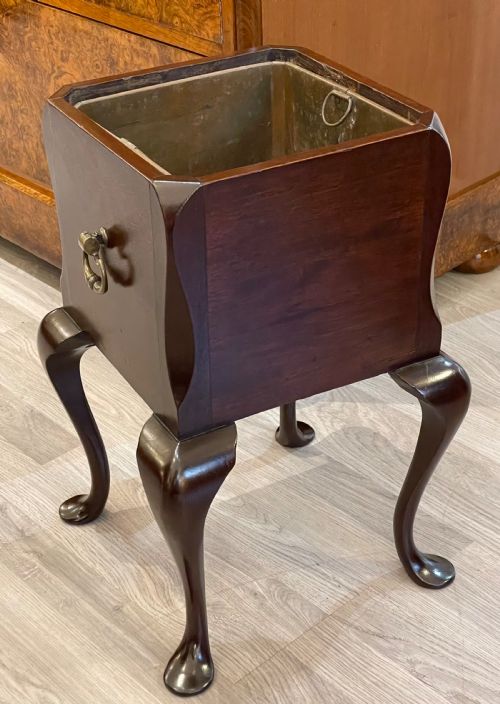
A wood and brass planter combines timber vessels with metal banding, handles or liners, originating in forms such as coopered buckets, boat-shaped peat buckets, and side tables. These pieces encompass items designed for botanical display, housing everything from potted plants to cut flowers.
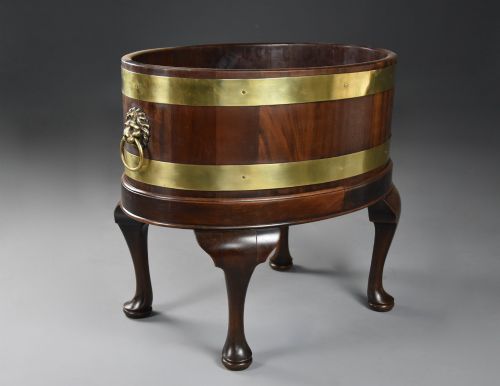
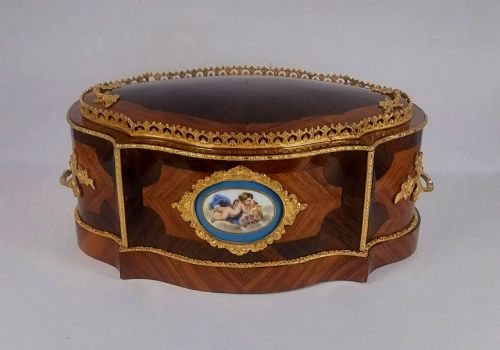
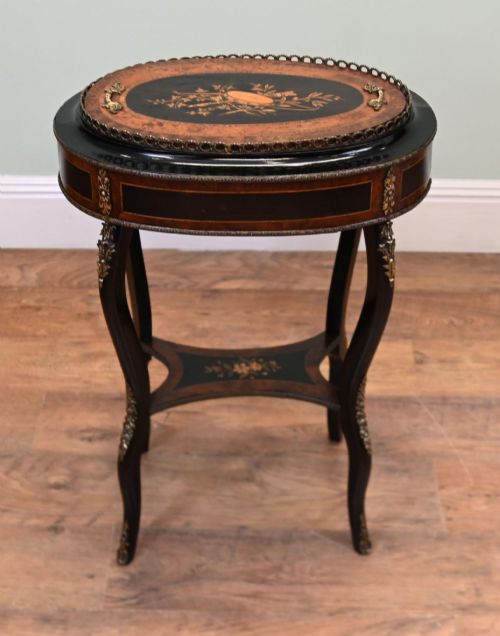
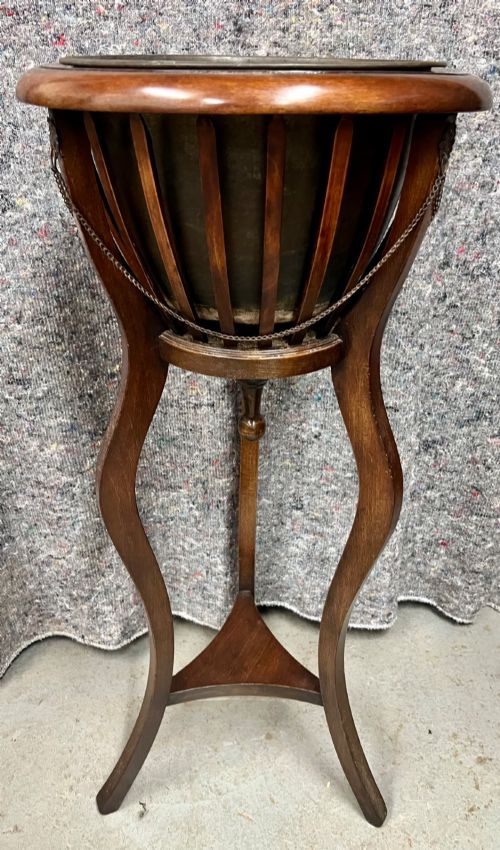
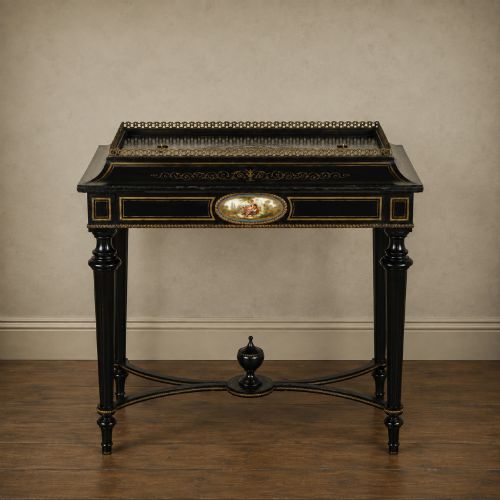
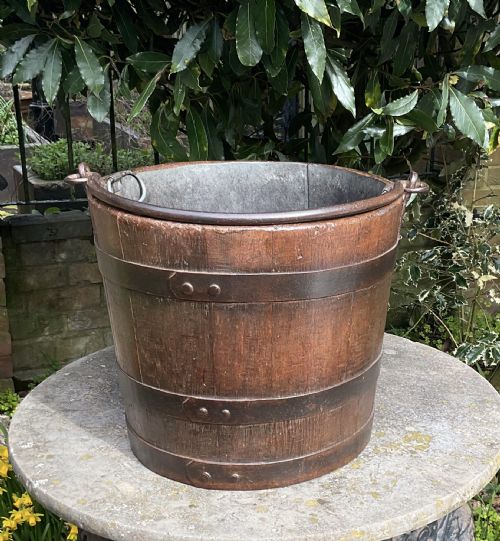
The selections span distinct historical eras, including Georgian wine coolers, Victorian coopered buckets, Edwardian plant stands, and French Napoleon III tables. Common timber choices include mahogany, walnut, oak, and ebonised wood, frequently paired with brass or ormolu mounts.
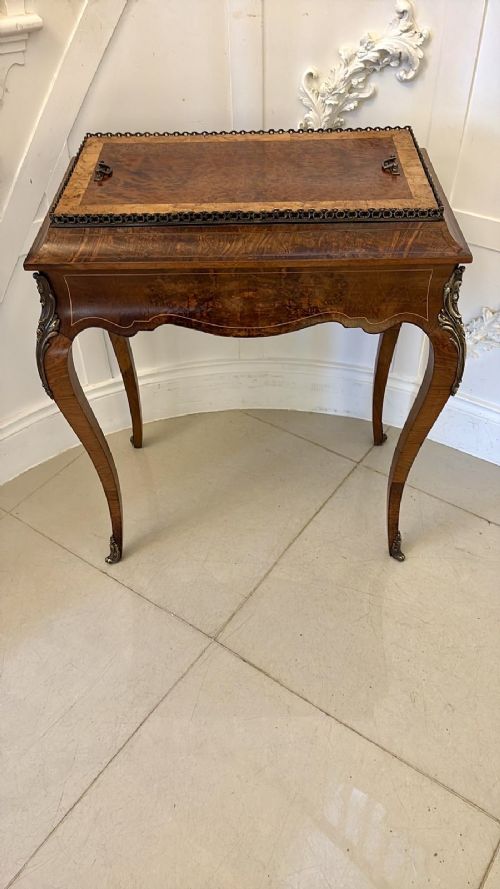
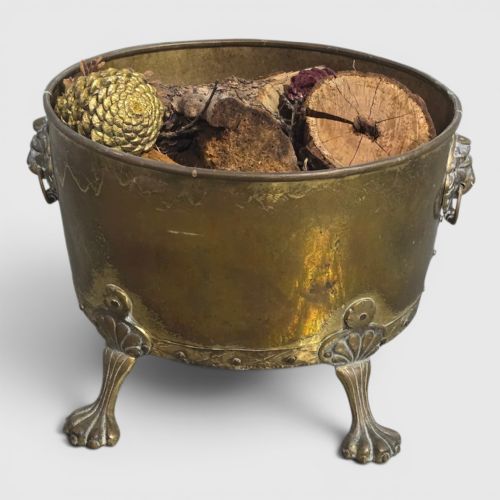
Buyers encounter diverse functional forms under this category, ranging from floor-standing log bins and peat buckets to raised jardiniere tables. Each variation serves the fundamental purpose of displaying foliage while offering a decorative furniture element.
Materials and construction techniques
Coopered construction forms the backbone of many cylindrical vessels, utilising wooden staves tightly bound together by heavy brass hoops. This method, borrowed from traditional barrel-making, provides structural integrity for holding damp soil and liners.
Cabinetmakers employed fine timbers such as mahogany, walnut, kingwood, and satinwood, often incorporating marquetry inlay, amboyna, or ebonisation. These polished wooden bodies contrast sharply against polished brass bands, ormolu mounts, and painted porcelain plaques.
Many examples incorporate removable metal liners to protect the wooden structure from water damage during plant care. Metalwork details range from simple brass bindings to cast ormolu mounts and decorative carrying handles.
Wood and Brass Planter Retail Price Guide 2026
Typical asking prices for wood and brass planter among the pieces listed under this phrase on Sellingantiques today, from the lower quarter to the upper quarter. They describe what is for sale here now, not the wider market.
Many a modern fern sits comfortably inside a vessel that once warmed Dutch toes or cooled Georgian wine.
Factors of quality and craftsmanship
The sophistication of the timber work and the crispness of the brass fittings determine the calibre of a piece. Finer examples display carefully matched wood grains, precise cooperage, and well-cast mounts rather than hurried assembly.
The presence of original liners, mounts, and stands significantly elevates the integrity of an item. Alterations or missing components alter the historical completeness of the object.
The Wood and Brass Planter Glossary
- Coopered
- Constructed from wooden staves fitted together and bound by metal hoops, much like a traditional barrel. This technique ensures the vessel remains stable and waterproof.
- Jardiniere
- A decorative pot or stand designed to hold growing plants or flowers. These items appear as freestanding vessels, tabletop containers, or integrated parts of side tables.
- Ormolu
- Gilded bronze applied to furniture and decorative objects as mounts. The technique creates a rich golden contrast against dark timbers like mahogany and ebonised wood.
- Teestoof
- A traditional Dutch footstove or warming vessel adapted over time for botanical use. These pieces typically feature wooden staves and brass liners.
- Peat bucket
- A deep container originally used for storing fuel by the hearth, later repurposed as a planter. They often feature robust brass carrying handles and sturdy wooden staves.
Wood and Brass Planter: Frequently Asked Questions
What is a wood and brass planter?
These items are decorative botanical vessels combining wooden bodies with brass bindings, liners, or mounts. They originated as utility items like wine coolers and peat buckets before evolving into dedicated plant holders.
Today, they function as interior decor pieces that elevate house plants by placing them inside traditional furniture forms.
How were these planters used historically?
Many examples began as hearthside peat buckets, wine coolers, or tea stoves before finding new life as plant containers. Their robust construction allowed them to hold damp materials safely.
Over successive periods, craftsmen built dedicated plant stands and jardiniere tables specifically to bring greenery into formal reception rooms.
How do I distinguish between periods?
Georgian and George III pieces often display restrained mahogany forms with simple brass banding, whereas Victorian items frequently utilise heavier coopered oak or ebonisation. Edwardian and later pieces lean towards lighter plant stands and decorative side tables.
Examining the construction methods, wood types, and mount styles helps place an item within its manufacturing era.